






 Philippines
National
Romualdez: Pinoys in the trenches must feel country's rise in economic status
Philippines
National
Romualdez: Pinoys in the trenches must feel country's rise in economic status
Romualdez: Pinoys in the trenches must feel country's rise in economic status


At A Glance
- The Philippines' potential to achieve upper middle-income country status by 2026 is a clear validation of President Marcos' economic roadmap--but it should mean more than that, says House Speaker Martin Romualdez.
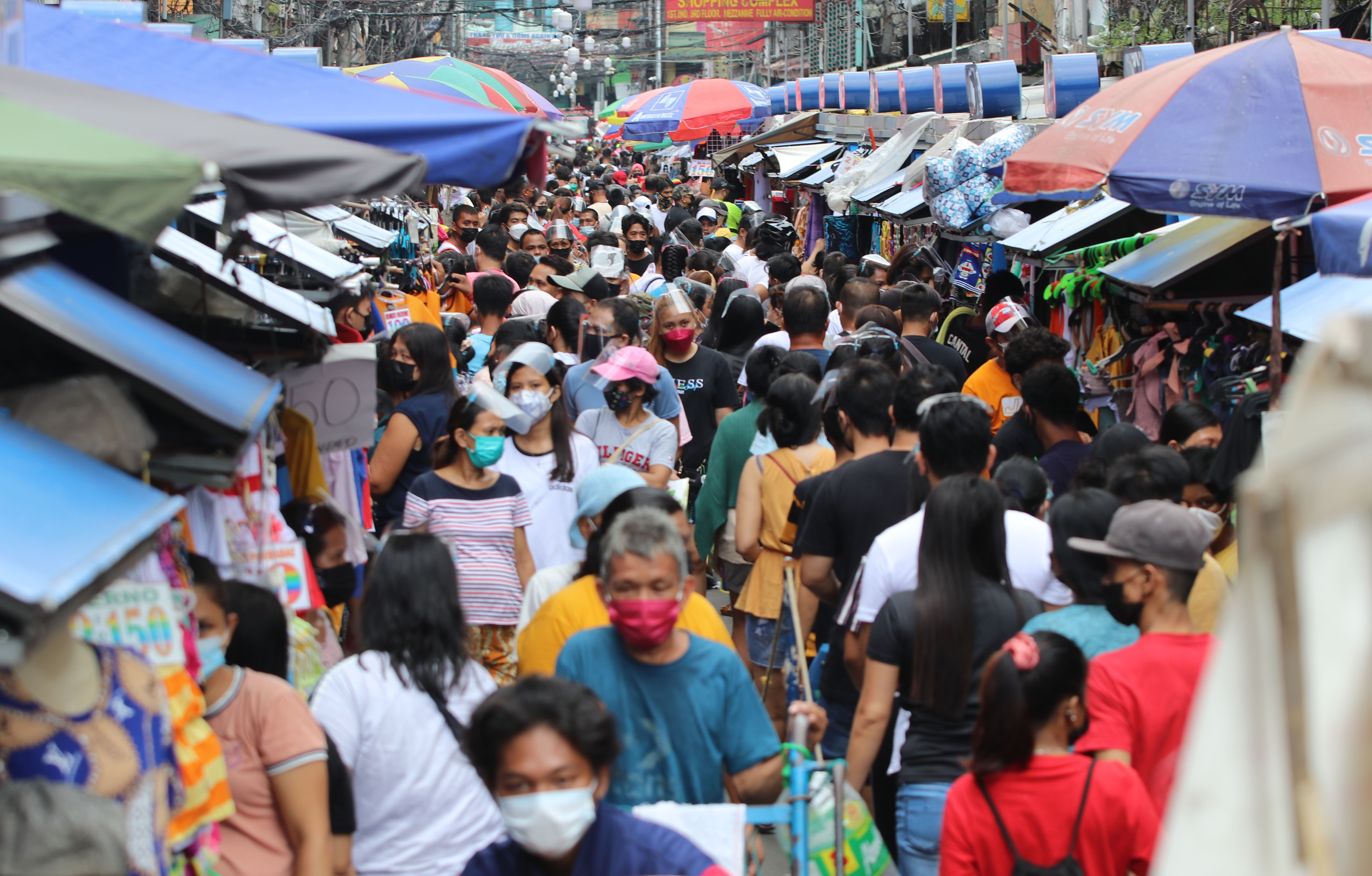 (MANILA BULLETIN)
The Philippines' potential to achieve upper middle-income country status by 2026 is a clear validation of President Marcos' economic roadmap--but it should mean more than that, says House Speaker Martin Romualdez.
The year 2026 will have been the fourth of Marcos' six-year term, which has been marked by a tight working relationship between Malacañang and the House of Representatives.
But Romualdez--leader of the 300-strong House--says that the challenge now is to make sure that this economic status upgrade brings real, concrete improvements to the lives of ordinary Filipinos through additional jobs, stable prices, and accessible public services.
The National Economic and Development Authority (NEDA) earlier projected the country’s economic status upgrade by next year.
“As we rise toward upper-middle income status, we must also rise to the challenge of lifting every Filipino out of poverty," Romualdez said.
“Economic growth is important, but it cannot just be growth on paper. Ang dapat nating itanong: Mas magaan ba ang buhay ng bawat pamilyang Pilipino? May trabaho ba ang bawat tatay at nanay? Nakakakain ba nang tatlong beses sa isang araw ang bawat pamilya?
(Here's what we must ask: Is life easier for every Filipino family? Do both fathers and mothers have jobs? Does every family get to eat three meals a day?)
"That is the standard that matters,” said the House chief.
To help achieve this, Romualdez underscored the significant role of the lower chamber in advancing legislation aligned with the Marcos administration’s vision of inclusive and sustainable economic development.
Among the key laws and measures the House has passed under his leadership are the following: The Trabaho Para sa Bayan Act; The Public-Private Partnership Code of the Philippines; The Internet Transactions Act; The Ease of Paying Taxes Act; Increased funding for DSWD cash aid, scholarship grants, and rural health infrastructure (through the 2024 General Appropriations Act); Support for the Rice Competitiveness Enhancement Fund and National Food Policy; and the Expanded Tulong Trabaho Fund and Technical-Vocational Training programs.
Romualdez said that these legislative measures were not abstract policies but “real-life solutions” to the most urgent needs of the Filipino people.
“This is what economic development with inclusivity means: kapag may bago tayong kalsada, mas madaling makapagnegosyo ang magsasaka. Kapag may bagong public hospital, hindi na kailangang bumiyahe pa ang pasyente ng ilang oras para magpagamot. Kapag may bagong batas sa trabaho, may pag-asa ang bawat Pilipino na umasenso,” he said.
(When we have new roads, it becomes easier for farmers to do business. When there’s a new public hospital, patients no longer need to travel for hours to receive treatment. When there’s a new labor law, every Filipino has hope for progress and prosperity.)
He also emphasized that the House remains committed to building strong foundations for long-term prosperity, including digital transformation, energy security, and food self-sufficiency.