ADVERTISEMENT

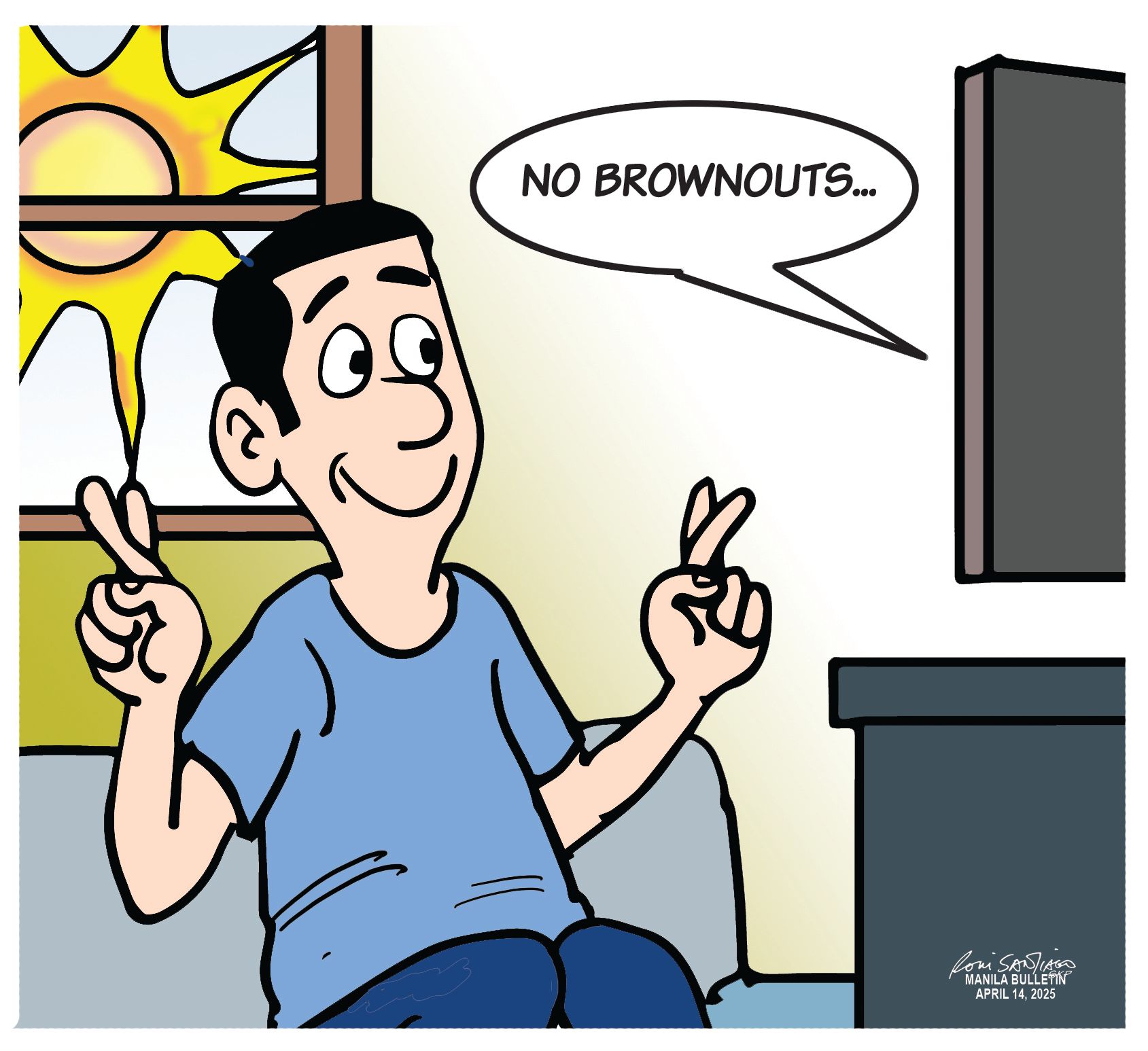
Ensuring a bright, no-brownout summer

Published Apr 14, 2025 02:41 am

E CARTOON APR 14, 2025 (1).jpg


With summer temperatures soaring and power consumption peaking, the Department of Energy’s (DOE) recent assurance of no brownouts this season comes as a welcome relief. However, behind this assurance lies a complex energy landscape that demands closer scrutiny. While the DOE acknowledges the possibility of ‘yellow alerts’—indicating a thinning power supply margin—it maintains that these will not lead to rotational blackouts. But how sustainable is this situation, and what does it reveal about the country’s overall energy security?


At the heart of the issue is the sufficiency of the country’s power generation capacity. The Philippine power grid remains vulnerable, with demand often outpacing the expansion of supply. Luzon, which accounts for the largest share of national electricity consumption, has historically borne the brunt of power shortages. While recent years have seen investments in new generating capacity, the growth remains slow, with regulatory bottlenecks and permitting delays hampering the construction of additional power plants.


Compounding the challenge is the reliability of existing power facilities. The country still relies heavily on aging coal-fired power plants, which are prone to unscheduled shutdowns. When several plants go offline simultaneously, the thin reserve margin quickly evaporates, leading to supply shortfalls and the dreaded brownouts. This underscores the urgency of diversifying energy sources and ensuring that maintenance protocols for existing facilities are strictly followed.


A key question is how much progress has been made in expanding the share of renewable energy (RE) in the country’s power mix. The Philippine Energy Plan envisions RE comprising 35 percent of the energy mix by 2030 and 50 percent by 2040. While solar, wind, and hydro projects are being developed at a faster pace, their contribution remains below expectations. The government has implemented the Green Energy Auction Program (GEAP) to accelerate RE adoption, yet challenges such as high upfront costs, transmission constraints, and intermittency issues persist. Unless the country strengthens its energy storage capacity and modernizes its grid infrastructure, RE integration will remain suboptimal.


Beyond supply sufficiency and energy mix diversification, the lingering issue of high power costs continues to weigh heavily on consumers and businesses alike. The Philippines has some of the highest electricity rates in Southeast Asia, a deterrent to foreign investors considering long-term business operations in the country. While the Energy Regulatory Commission (ERC) has taken steps to promote retail competition and open access, as well as rationalize pricing structures, significant hurdles remain. Market inefficiencies, dependence on imported fuel, and inadequate transmission capacity contribute to price volatility, making electricity a costly necessity rather than an accessible utility.


The path forward requires a holistic approach. The DOE must work closely with the private sector to expedite investments in new power plants, particularly RE projects with robust storage solutions. Strengthening interconnection between the Luzon, Visayas, and Mindanao grids will enhance supply stability, while streamlined permitting processes and regulatory incentives can encourage greater participation from investors. Additionally, the country must maximize indigenous energy resources, such as geothermal and hydroelectric power, to reduce reliance on expensive imported fuels.


The assurance of no brownouts this summer is a short-term victory, but the long-term battle for energy security, affordability, and sustainability is far from over. Without decisive action, the cycle of energy shortages and high costs will persist, hampering economic growth and investment competitiveness. Now is the time for the government, industry stakeholders, and policymakers to collaborate on a power sector roadmap that ensures not just stability but true energy independence.

Related Tags

Editorial Manila Bulletin
ADVERTISEMENT
.most-popular .layout-ratio{ padding-bottom: 79.13%; } @media (min-width: 768px) and (max-width: 1024px) { .widget-title { font-size: 15px !important; } }

{{ articles_filter_1561_widget.title }}

.most-popular .layout-ratio{ padding-bottom: 79.13%; } @media (min-width: 768px) and (max-width: 1024px) { .widget-title { font-size: 15px !important; } }

{{ articles_filter_1562_widget.title }}

.most-popular .layout-ratio{ padding-bottom: 79.13%; } @media (min-width: 768px) and (max-width: 1024px) { .widget-title { font-size: 15px !important; } }

{{ articles_filter_1563_widget.title }}

{{ articles_filter_1564_widget.title }}

.mb-article-details { position: relative; } .mb-article-details .article-body-preview, .mb-article-details .article-body-summary{ font-size: 17px; line-height: 30px; font-family: "Libre Caslon Text", serif; color: #000; } .mb-article-details .article-body-preview iframe , .mb-article-details .article-body-summary iframe{ width: 100%; margin: auto; } .read-more-background { background: linear-gradient(180deg, color(display-p3 1.000 1.000 1.000 / 0) 13.75%, color(display-p3 1.000 1.000 1.000 / 0.8) 30.79%, color(display-p3 1.000 1.000 1.000) 72.5%); position: absolute; height: 200px; width: 100%; bottom: 0; display: flex; justify-content: center; align-items: center; padding: 0; } .read-more-background a{ color: #000; } .read-more-btn { padding: 17px 45px; font-family: Inter; font-weight: 700; font-size: 18px; line-height: 16px; text-align: center; vertical-align: middle; border: 1px solid black; background-color: white; } .hidden { display: none; }
function initializeAllSwipers() { // Get all hidden inputs with cms_article_id document.querySelectorAll('[id^="cms_article_id_"]').forEach(function (input) { const cmsArticleId = input.value; const articleSelector = '#article-' + cmsArticleId + ' .body_images'; const swiperElement = document.querySelector(articleSelector); if (swiperElement && !swiperElement.classList.contains('swiper-initialized')) { new Swiper(articleSelector, { loop: true, pagination: false, navigation: { nextEl: '#article-' + cmsArticleId + ' .swiper-button-next', prevEl: '#article-' + cmsArticleId + ' .swiper-button-prev', }, }); } }); } setTimeout(initializeAllSwipers, 3000); const intersectionObserver = new IntersectionObserver( (entries) => { entries.forEach((entry) => { if (entry.isIntersecting) { const newUrl = entry.target.getAttribute("data-url"); if (newUrl) { history.pushState(null, null, newUrl); let article = entry.target; // Extract metadata const author = article.querySelector('.author-section').textContent.replace('By', '').trim(); const section = article.querySelector('.section-info ').textContent.replace(' ', ' '); const title = article.querySelector('.article-title h1').textContent; // Parse URL for Chartbeat path format const parsedUrl = new URL(newUrl, window.location.origin); const cleanUrl = parsedUrl.host + parsedUrl.pathname; // Update Chartbeat configuration if (typeof window._sf_async_config !== 'undefined') { window._sf_async_config.path = cleanUrl; window._sf_async_config.sections = section; window._sf_async_config.authors = author; } // Track virtual page view with Chartbeat if (typeof pSUPERFLY !== 'undefined' && typeof pSUPERFLY.virtualPage === 'function') { try { pSUPERFLY.virtualPage({ path: cleanUrl, title: title, sections: section, authors: author }); } catch (error) { console.error('ping error', error); } } // Optional: Update document title if (title && title !== document.title) { document.title = title; } } } }); }, { threshold: 0.1 } ); function showArticleBody(button) { const article = button.closest("article"); const summary = article.querySelector(".article-body-summary"); const body = article.querySelector(".article-body-preview"); const readMoreSection = article.querySelector(".read-more-background"); // Hide summary and read-more section summary.style.display = "none"; readMoreSection.style.display = "none"; // Show the full article body body.classList.remove("hidden"); } document.addEventListener("DOMContentLoaded", () => { let loadCount = 0; // Track how many times articles are loaded const offset = [1, 2, 3, 4, 5, 6, 7, 8, 9, 10]; // Offset values const currentUrl = window.location.pathname.substring(1); let isLoading = false; // Prevent multiple calls if (!currentUrl) { console.log("Current URL is invalid."); return; } const sentinel = document.getElementById("load-more-sentinel"); if (!sentinel) { console.log("Sentinel element not found."); return; } function isSentinelVisible() { const rect = sentinel.getBoundingClientRect(); return ( rect.top < window.innerHeight && rect.bottom >= 0 ); } function onScroll() { if (isLoading) return; if (isSentinelVisible()) { if (loadCount >= offset.length) { console.log("Maximum load attempts reached."); window.removeEventListener("scroll", onScroll); return; } isLoading = true; const currentOffset = offset[loadCount]; window.loadMoreItems().then(() => { let article = document.querySelector('#widget_1690 > div:nth-last-of-type(2) article'); intersectionObserver.observe(article) loadCount++; }).catch(error => { console.error("Error loading more items:", error); }).finally(() => { isLoading = false; }); } } window.addEventListener("scroll", onScroll); });

Sign up by email to receive news.