ADVERTISEMENT

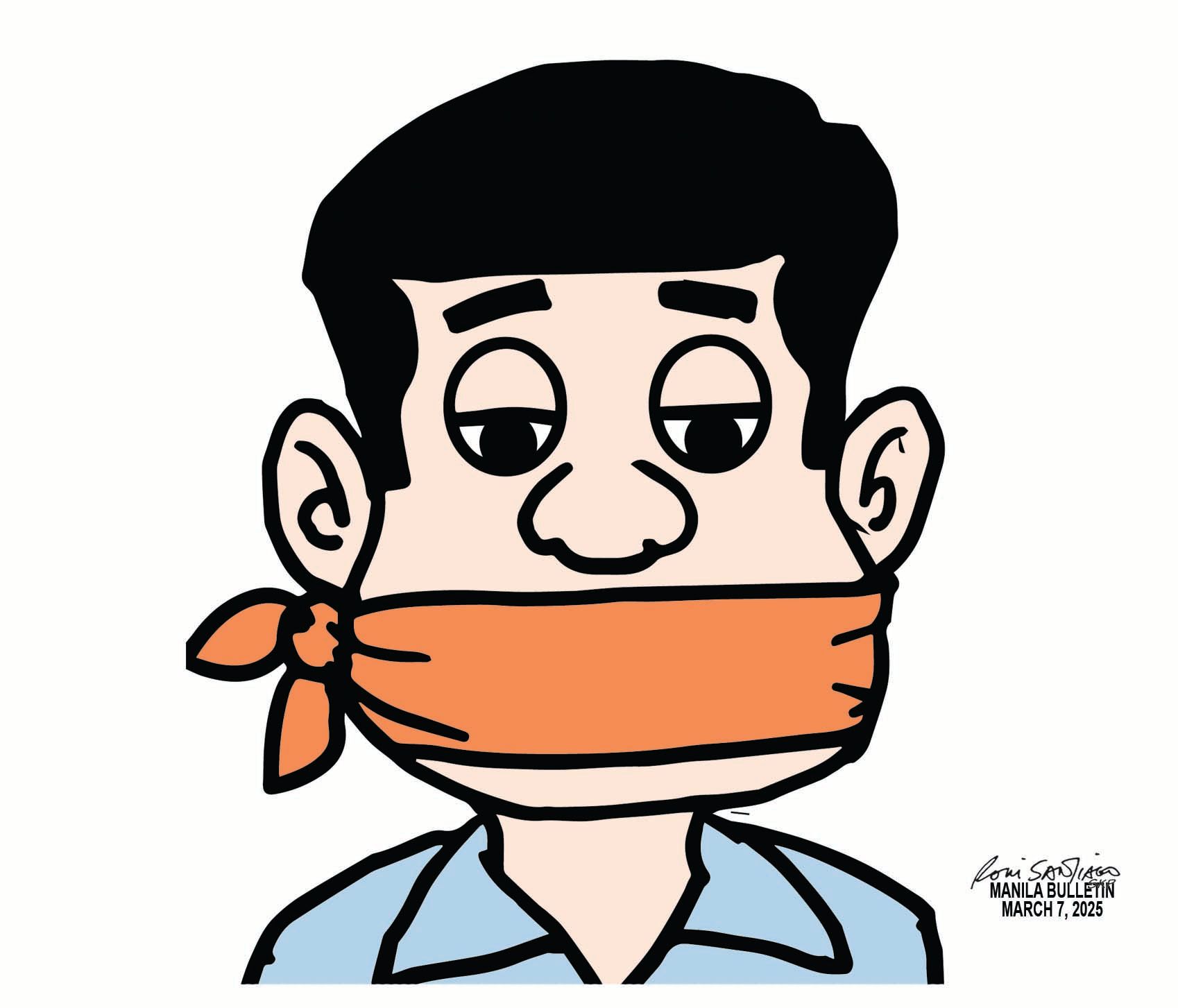
Comelec must protect individual's dignity, but should not stifle freedom of expression

Published Mar 7, 2025 01:56 am

E CARTOON MAR 7, 2025 (1).jpg

We’re moving closer to the May 2025 midterm elections. So, expect a more politically charged campaign.


To protect individual's dignity and prevent discrimination, harassment, and disinformation, the Commission on Elections (Comelec) recently promulgated Resolution No. 11116, which it will implement during the election period. Among the offenses it aims to address are bullying based on HIV status, gender-based harassment, discrimination against women and persons with disabilities (PWDs), and the public vilification of individuals or groups and labeling them, especially in ways that associate them with criminal groups or subversive organizations without evidence and even tagging them as dissenters.


While the resolution aims to foster an inclusive and respectful campaign environment, it raises key questions about its implications on freedom of expression. On one hand, it is clear this resolution is necessary to curb the spread of misinformation and vilification that has plagued past elections, where political opponents and activists have been unjustly labeled as enemies of the state. However, the resolution’s potential to infringe on free speech poses a legitimate concern. The key challenge lies in striking a balance between curbing harmful speech and upholding the fundamental right to express opinions, criticisms, and even dissent.


The Constitution guarantees freedom of speech, a fundamental right in any democratic society. This right enables individuals to freely express their views, protest policies, criticize government actions, and, more broadly, contribute to public discourse. Yet, with this freedom comes the responsibility not to harm others with words or actions that promote discrimination, hatred, or violence. The Comelec resolution, in theory, seeks to protect the rights of marginalized groups during an election period—particularly vulnerable populations such as women, PWDs, and those living with HIV—by ensuring that their dignity is not tarnished or their status used as a tool for political manipulation.


However, the broad definition of “labeling” in the resolution is a cause for concern. Labeling someone as a “vocal dissenter,” “activist,” or “subversive” without evidence might be an act of political retaliation, but it also presents a risk of stifling legitimate criticism. In a democracy, labeling and criticism, especially in the form of political commentary, are essential tools for holding officials accountable. Political discourse often involves contentious arguments and the ability to challenge power structures. The line between legitimate expression and harmful speech is fine and subjective, and the enforcement of this resolution could lead to the chilling of free speech if not carefully handled.


To avoid infringing on freedom of expression, the resolution must be implemented in a manner that distinguishes between harmful speech—such as incitement to violence or defamation—and the legitimate, often necessary, exercise of political speech. For instance, criticism of government policies, if based on facts and reasoned arguments, should not be equated with subversion. The resolution could instead focus on curbing speech that directly incites violence or harm rather than trying to regulate all forms of dissent or labeling, which could lead to the suppression of political freedoms.


Clear guidelines and transparent enforcement are necessary to maintain the delicate balance between protecting individuals from harm and ensuring the free flow of ideas, opinions, and critiques that are essential during the election season.


The challenge now lies in carefully defining harmful speech, protecting vulnerable groups from discrimination, and ensuring that individuals retain the right to express dissenting opinions. A nuanced approach to its implementation will allow for the protection of both the integrity of elections and the constitutional right to freedom of expression.

Related Tags

Editorial Manila Bulletin
ADVERTISEMENT
.most-popular .layout-ratio{ padding-bottom: 79.13%; } @media (min-width: 768px) and (max-width: 1024px) { .widget-title { font-size: 15px !important; } }

{{ articles_filter_1561_widget.title }}

.most-popular .layout-ratio{ padding-bottom: 79.13%; } @media (min-width: 768px) and (max-width: 1024px) { .widget-title { font-size: 15px !important; } }

{{ articles_filter_1562_widget.title }}

.most-popular .layout-ratio{ padding-bottom: 79.13%; } @media (min-width: 768px) and (max-width: 1024px) { .widget-title { font-size: 15px !important; } }

{{ articles_filter_1563_widget.title }}

{{ articles_filter_1564_widget.title }}

.mb-article-details { position: relative; } .mb-article-details .article-body-preview, .mb-article-details .article-body-summary{ font-size: 17px; line-height: 30px; font-family: "Libre Caslon Text", serif; color: #000; } .mb-article-details .article-body-preview iframe , .mb-article-details .article-body-summary iframe{ width: 100%; margin: auto; } .read-more-background { background: linear-gradient(180deg, color(display-p3 1.000 1.000 1.000 / 0) 13.75%, color(display-p3 1.000 1.000 1.000 / 0.8) 30.79%, color(display-p3 1.000 1.000 1.000) 72.5%); position: absolute; height: 200px; width: 100%; bottom: 0; display: flex; justify-content: center; align-items: center; padding: 0; } .read-more-background a{ color: #000; } .read-more-btn { padding: 17px 45px; font-family: Inter; font-weight: 700; font-size: 18px; line-height: 16px; text-align: center; vertical-align: middle; border: 1px solid black; background-color: white; } .hidden { display: none; }
function initializeAllSwipers() { // Get all hidden inputs with cms_article_id document.querySelectorAll('[id^="cms_article_id_"]').forEach(function (input) { const cmsArticleId = input.value; const articleSelector = '#article-' + cmsArticleId + ' .body_images'; const swiperElement = document.querySelector(articleSelector); if (swiperElement && !swiperElement.classList.contains('swiper-initialized')) { new Swiper(articleSelector, { loop: true, pagination: false, navigation: { nextEl: '#article-' + cmsArticleId + ' .swiper-button-next', prevEl: '#article-' + cmsArticleId + ' .swiper-button-prev', }, }); } }); } setTimeout(initializeAllSwipers, 3000); const intersectionObserver = new IntersectionObserver( (entries) => { entries.forEach((entry) => { if (entry.isIntersecting) { const newUrl = entry.target.getAttribute("data-url"); if (newUrl) { history.pushState(null, null, newUrl); let article = entry.target; // Extract metadata const author = article.querySelector('.author-section').textContent.replace('By', '').trim(); const section = article.querySelector('.section-info ').textContent.replace(' ', ' '); const title = article.querySelector('.article-title h1').textContent; // Parse URL for Chartbeat path format const parsedUrl = new URL(newUrl, window.location.origin); const cleanUrl = parsedUrl.host + parsedUrl.pathname; // Update Chartbeat configuration if (typeof window._sf_async_config !== 'undefined') { window._sf_async_config.path = cleanUrl; window._sf_async_config.sections = section; window._sf_async_config.authors = author; } // Track virtual page view with Chartbeat if (typeof pSUPERFLY !== 'undefined' && typeof pSUPERFLY.virtualPage === 'function') { try { pSUPERFLY.virtualPage({ path: cleanUrl, title: title, sections: section, authors: author }); } catch (error) { console.error('ping error', error); } } // Optional: Update document title if (title && title !== document.title) { document.title = title; } } } }); }, { threshold: 0.1 } ); function showArticleBody(button) { const article = button.closest("article"); const summary = article.querySelector(".article-body-summary"); const body = article.querySelector(".article-body-preview"); const readMoreSection = article.querySelector(".read-more-background"); // Hide summary and read-more section summary.style.display = "none"; readMoreSection.style.display = "none"; // Show the full article body body.classList.remove("hidden"); } document.addEventListener("DOMContentLoaded", () => { let loadCount = 0; // Track how many times articles are loaded const offset = [1, 2, 3, 4, 5, 6, 7, 8, 9, 10]; // Offset values const currentUrl = window.location.pathname.substring(1); let isLoading = false; // Prevent multiple calls if (!currentUrl) { console.log("Current URL is invalid."); return; } const sentinel = document.getElementById("load-more-sentinel"); if (!sentinel) { console.log("Sentinel element not found."); return; } function isSentinelVisible() { const rect = sentinel.getBoundingClientRect(); return ( rect.top < window.innerHeight && rect.bottom >= 0 ); } function onScroll() { if (isLoading) return; if (isSentinelVisible()) { if (loadCount >= offset.length) { console.log("Maximum load attempts reached."); window.removeEventListener("scroll", onScroll); return; } isLoading = true; const currentOffset = offset[loadCount]; window.loadMoreItems().then(() => { let article = document.querySelector('#widget_1690 > div:nth-last-of-type(2) article'); intersectionObserver.observe(article) loadCount++; }).catch(error => { console.error("Error loading more items:", error); }).finally(() => { isLoading = false; }); } } window.addEventListener("scroll", onScroll); });

Sign up by email to receive news.