







Strengthening the Anti-Bullying Law for safer school environment


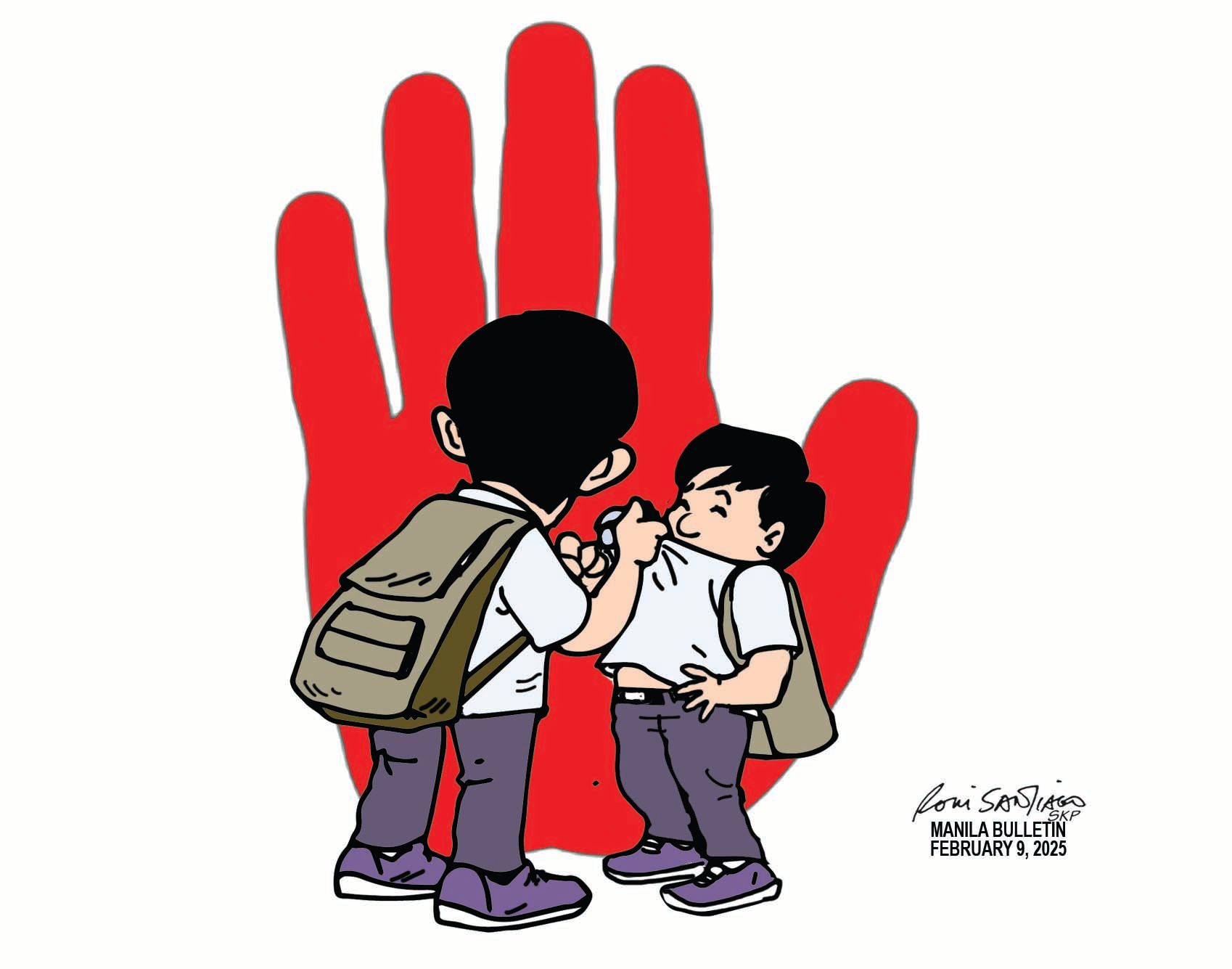
Bullying remains a nagging issue in our schools, adversely affecting the well-being and academic performance of countless students. Defined as repeated aggressive behavior intended to harm, intimidate, or humiliate a student, bullying can take many forms, including verbal abuse, physical assault, social exclusion, and cyberbullying.
Unfortunately, despite the passage of the Anti-Bullying Act of 2013 (Republic Act No. 10627), bullying remains a problem highlighting the need for stronger regulations and enforcement.
Recent data underscores the severity of the issue. The 2018 Program for International Student Assessment (PISA) revealed that 65 percent of Grade 5 learners in the Philippines experienced bullying a few times a month. While the 2022 PISA showed a slight decline, one in three students still reported being bullied weekly. The country has consistently recorded the highest bullying rates among the member nations of the Organization for Economic Cooperation and Development (OECD). Alarmingly, between November 2022 and July 2024, only 38 out of 339 reported bullying cases were resolved, with Metro Manila reporting the highest number of cases.
The consequences of bullying extend beyond the distress or fear a bully creates for other students. Its effects are profound. Based on the five studies conducted by De La Salle University and the Philippine Institute for Development Studies (PIDS), Dr. Alan Bernardo noted that “bullying does not impact mental health so much, however, the substantial effects on learning are very noticeable.” He said the worst consequence of bullying is student disengagement, which “not only hampers their academic performance but can also lead to long-term educational disinterest.”
A bullied student may experience declining grades, absenteeism, and a diminished sense of self-worth.
Examples of bullying in our schools are distressing. Incidents range from verbal taunts about appearance or socioeconomic status to physical altercations in school corridors. Social media has also become a platform for harassment, amplifying the reach and impact of bullying. The rise of cyberbullying further complicates efforts to protect students, as it often goes unnoticed by school authorities.
In response to these alarming trends, the Department of Education (DepEd) and the Second Congressional Commission on Education (EDCOM 2) have initiated a comprehensive review of the Anti-Bullying Act’s Implementing Rules and Regulations (IRR). This move, supported by DepEd Secretary Sonny Angara, aims to strengthen policies, ensure greater compliance, and align the revision with other mental health and career guidance laws. Among the proposed changes are an expanded definition of bullying, enhanced prevention and intervention programs, and the provision of adequate guidance counselors and discipline officers in schools.
DepEd has established the Learner Rights and Protection Office in 2022 to receive reports of bullying and other forms of violence. Sec. Angara said they have strengthened the office to ensure that more people are available to help victims.
The completion of the revised IRR before the 2025-2026 school year signals hope for a safer learning environment.
Strengthening the IRR of the Anti-Bullying Act is crucial to creating a culture of respect and inclusion in schools. Educational institutions must prioritize preventive measures, provide immediate support to victims, and hold bullies accountable. Parents, teachers, and school officials should work collaboratively to foster a safe and nurturing environment where students can thrive academically and emotionally.
A safer school environment is not just a legal mandate but a moral responsibility to ensure every child’s right to learn, grow, and succeed without fear. That is our obligation to the next generation.