ADVERTISEMENT

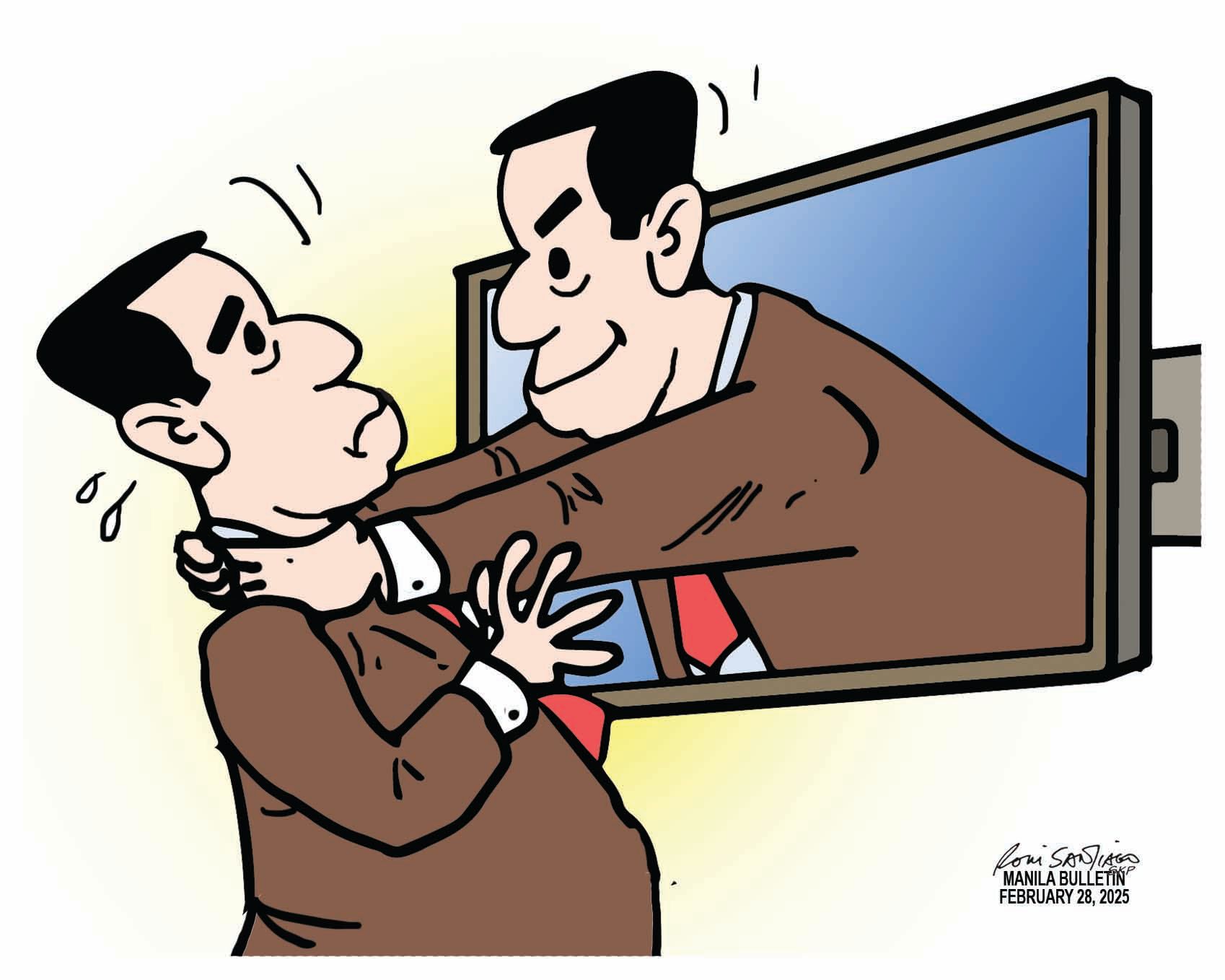
No one is safe from deepfake; gov't must act with dispatch

Published Feb 28, 2025 12:31 am

E CARTOON FEB 28, 2025 (1).jpg

The digital age has brought about convenience, innovation, and connectivity. Yet, it has also introduced a new era of deception, with cybercriminals finding increasingly sophisticated ways to exploit technology for their own malicious gain. The recent reports of Filipino billionaires like Manny Villar, Ramon Ang, Enrique Razon, and Lance Gokongwei being targeted through deepfake — manipulated videos designed to impersonate them — is troublesome. If even the wealthiest, most powerful individuals are vulnerable to this kind of fraud, what hope do ordinary citizens have?


Deepfakes, artificial intelligence-driven tools that manipulate audio and visual data to create hyper-realistic but entirely fabricated content, have rapidly advanced. In the wrong hands, they can be weaponized to tarnish reputations, commit financial fraud, or even incite violence. In this case, the billionaires were made to appear as though they were endorsing products or services they had no involvement with. For someone of their stature, the consequences are obvious — either to damage their image, loss of business opportunities, and potential legal repercussions. But for the common Filipino, the consequences could be far more devastating.


For the average person, the implications of deepfake technology are terrifying. Scammers could easily impersonate loved ones, convincing victims to part with personal information or money. With a device and access to social media, anyone can fall prey to this digital fraud. What makes it even more alarming is the rise of these types of crimes, which often operate below the radar of traditional security measures, making it difficult for law enforcement to respond swiftly or effectively.


While some may argue that billionaires have the resources to fight back, it is crucial to realize that the very existence of such scams shows a systemic vulnerability in our digital infrastructure. Ordinary Filipinos, who lack the wealth and power to shield themselves, are far more exposed to cyber fraud. This is where government intervention and effective regulatory action is necessary.


The National Privacy Commission (NPC) and the Department of Information and Communications Technology (DICT) are two key agencies that must step up in the fight against this growing digital threat. The NPC, tasked with protecting individuals’ data privacy, has a responsibility to regulate the use of AI and other digital tools that could be exploited to harm citizens. The DICT, as the lead agency on ICT-related matters, must develop more robust cybersecurity strategies and educate the public on how to recognize and respond to digital threats like deepfake.


Unfortunately, the government’s response has been slow and often reactive. While both the NPC and DICT have made efforts to address cybersecurity issues, these lacked the urgency and comprehensive solutions needed to tackle the rising tide of digital fraud. The recent attacks on billionaires underscore a glaring need for stricter regulations on deepfake technology, improved cybersecurity laws, and a more proactive stance on digital fraud.


The government should start realizing cybercrimes are a systemic threat to the nation’s security. From the richest to the poorest, no one is truly safe from these types of attacks, and as technology advances, the threats will only become more sophisticated.


Our leaders must ensure that cyberspace remains a safe space for all. Until then, we must remain vigilant, informed, and prepared for the inevitable challenges as we navigate cyberspace. The stakes are too high for complacency — our privacy, our money, and our trust are all on the line.


The only way to defend against this growing menace is through collective action. The DICT and the NPC should take the lead and act now.

Related Tags

EDITORIAL Manila Bulletin
ADVERTISEMENT
.most-popular .layout-ratio{ padding-bottom: 79.13%; } @media (min-width: 768px) and (max-width: 1024px) { .widget-title { font-size: 15px !important; } }

{{ articles_filter_1561_widget.title }}

.most-popular .layout-ratio{ padding-bottom: 79.13%; } @media (min-width: 768px) and (max-width: 1024px) { .widget-title { font-size: 15px !important; } }

{{ articles_filter_1562_widget.title }}

.most-popular .layout-ratio{ padding-bottom: 79.13%; } @media (min-width: 768px) and (max-width: 1024px) { .widget-title { font-size: 15px !important; } }

{{ articles_filter_1563_widget.title }}

{{ articles_filter_1564_widget.title }}

.mb-article-details { position: relative; } .mb-article-details .article-body-preview, .mb-article-details .article-body-summary{ font-size: 17px; line-height: 30px; font-family: "Libre Caslon Text", serif; color: #000; } .mb-article-details .article-body-preview iframe , .mb-article-details .article-body-summary iframe{ width: 100%; margin: auto; } .read-more-background { background: linear-gradient(180deg, color(display-p3 1.000 1.000 1.000 / 0) 13.75%, color(display-p3 1.000 1.000 1.000 / 0.8) 30.79%, color(display-p3 1.000 1.000 1.000) 72.5%); position: absolute; height: 200px; width: 100%; bottom: 0; display: flex; justify-content: center; align-items: center; padding: 0; } .read-more-background a{ color: #000; } .read-more-btn { padding: 17px 45px; font-family: Inter; font-weight: 700; font-size: 18px; line-height: 16px; text-align: center; vertical-align: middle; border: 1px solid black; background-color: white; } .hidden { display: none; }
function initializeAllSwipers() { // Get all hidden inputs with cms_article_id document.querySelectorAll('[id^="cms_article_id_"]').forEach(function (input) { const cmsArticleId = input.value; const articleSelector = '#article-' + cmsArticleId + ' .body_images'; const swiperElement = document.querySelector(articleSelector); if (swiperElement && !swiperElement.classList.contains('swiper-initialized')) { new Swiper(articleSelector, { loop: true, pagination: false, navigation: { nextEl: '#article-' + cmsArticleId + ' .swiper-button-next', prevEl: '#article-' + cmsArticleId + ' .swiper-button-prev', }, }); } }); } setTimeout(initializeAllSwipers, 3000); const intersectionObserver = new IntersectionObserver( (entries) => { entries.forEach((entry) => { if (entry.isIntersecting) { const newUrl = entry.target.getAttribute("data-url"); if (newUrl) { history.pushState(null, null, newUrl); let article = entry.target; // Extract metadata const author = article.querySelector('.author-section').textContent.replace('By', '').trim(); const section = article.querySelector('.section-info ').textContent.replace(' ', ' '); const title = article.querySelector('.article-title h1').textContent; // Parse URL for Chartbeat path format const parsedUrl = new URL(newUrl, window.location.origin); const cleanUrl = parsedUrl.host + parsedUrl.pathname; // Update Chartbeat configuration if (typeof window._sf_async_config !== 'undefined') { window._sf_async_config.path = cleanUrl; window._sf_async_config.sections = section; window._sf_async_config.authors = author; } // Track virtual page view with Chartbeat if (typeof pSUPERFLY !== 'undefined' && typeof pSUPERFLY.virtualPage === 'function') { try { pSUPERFLY.virtualPage({ path: cleanUrl, title: title, sections: section, authors: author }); } catch (error) { console.error('ping error', error); } } // Optional: Update document title if (title && title !== document.title) { document.title = title; } } } }); }, { threshold: 0.1 } ); function showArticleBody(button) { const article = button.closest("article"); const summary = article.querySelector(".article-body-summary"); const body = article.querySelector(".article-body-preview"); const readMoreSection = article.querySelector(".read-more-background"); // Hide summary and read-more section summary.style.display = "none"; readMoreSection.style.display = "none"; // Show the full article body body.classList.remove("hidden"); } document.addEventListener("DOMContentLoaded", () => { let loadCount = 0; // Track how many times articles are loaded const offset = [1, 2, 3, 4, 5, 6, 7, 8, 9, 10]; // Offset values const currentUrl = window.location.pathname.substring(1); let isLoading = false; // Prevent multiple calls if (!currentUrl) { console.log("Current URL is invalid."); return; } const sentinel = document.getElementById("load-more-sentinel"); if (!sentinel) { console.log("Sentinel element not found."); return; } function isSentinelVisible() { const rect = sentinel.getBoundingClientRect(); return ( rect.top < window.innerHeight && rect.bottom >= 0 ); } function onScroll() { if (isLoading) return; if (isSentinelVisible()) { if (loadCount >= offset.length) { console.log("Maximum load attempts reached."); window.removeEventListener("scroll", onScroll); return; } isLoading = true; const currentOffset = offset[loadCount]; window.loadMoreItems().then(() => { let article = document.querySelector('#widget_1690 > div:nth-last-of-type(2) article'); intersectionObserver.observe(article) loadCount++; }).catch(error => { console.error("Error loading more items:", error); }).finally(() => { isLoading = false; }); } } window.addEventListener("scroll", onScroll); });

Sign up by email to receive news.