







A new year at the table
With Michelin now in the Philippines, 2026 opens with fresh questions, rising ambition, and a renewed focus on what Filipino dining can become
Published Dec 30, 2025 08:49 am


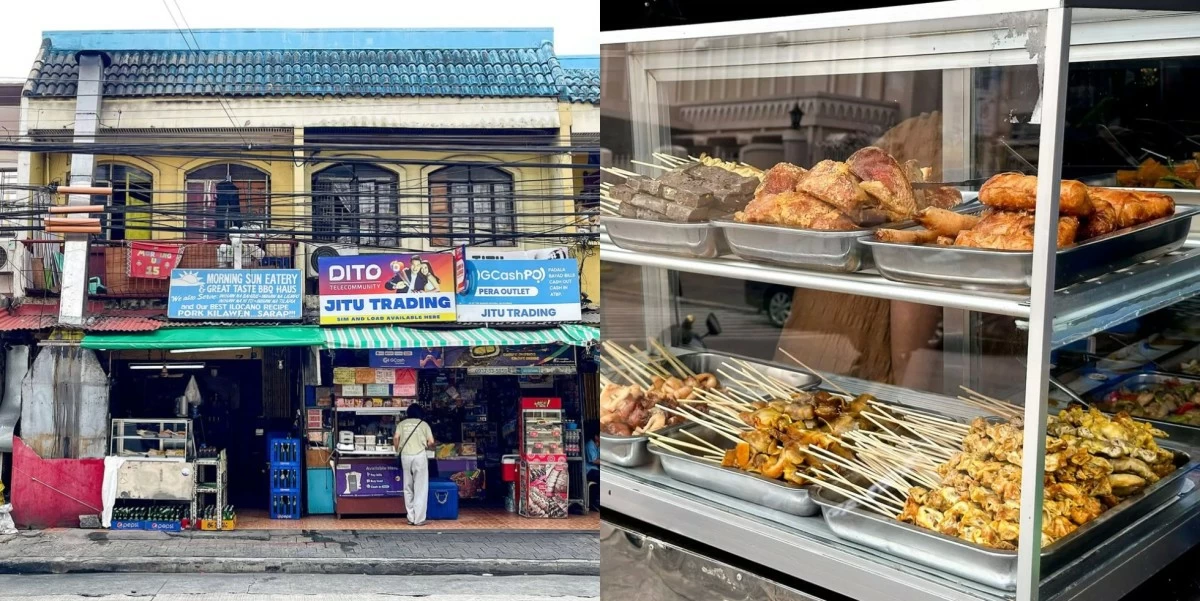
MODEST PLATES The facade of Morning Sun Eatery in Quezon City, a no-frills spot serving Ilocano comfort food that gained national attention after its Michelin Bib Gourmand citation. (Photos courtesy of the Michelin Guide)
The first days of a new year invite reflection, and for the Philippine dining scene, 2026 arrives with a sense of momentum that feels different from years past. The arrival of the Michelin Guide, formalized with its awarding ceremony last Oct. 30, 2025, has opened what feels like a new chapter in how local cuisine is seen, judged, and, increasingly, imagined. For diners and chefs alike, the conversation has shifted, and the signs suggest that tasting menus and degustations will only become more prevalent in the months ahead.
Unsurprisingly, the spotlight has fallen on restaurants that earned stars, such as Helm and Gallery by Chele. Yet one of the more compelling narratives to emerge from the guide’s debut was its attention to places that rarely occupy the center of glossy dining conversations. The Selected and Bib Gourmand citations brought lesser-known restaurants into public view, expanding the idea of what excellence can look like in the Philippine context.
Nothing illustrated this better than Morning Sun Eatery, a modest turo-turo in Quezon City serving Ilocano comfort food. In the days following the Michelin announcements, it trended hotter than Josh Boutwood’s two-starred Helm in Makati. In our newsroom, the response was immediate and unmistakable. Website traffic surged to levels the Lifestyle section had not seen in some time, driven largely by readers eager to read about a humble eatery suddenly elevated to national and even global attention.
Looking ahead to 2026, the question is no longer whether degustations will multiply, but how chefs will respond to the expectations now attached to them. There is excitement around who might gain new stars, and quiet anxiety over who might lose them. This tension is not lost on the chefs themselves. Before Michelin entered the Philippines, during the opening of Boutwood’s other restaurant, Juniper, I asked him what impact the guide might have on the local industry.
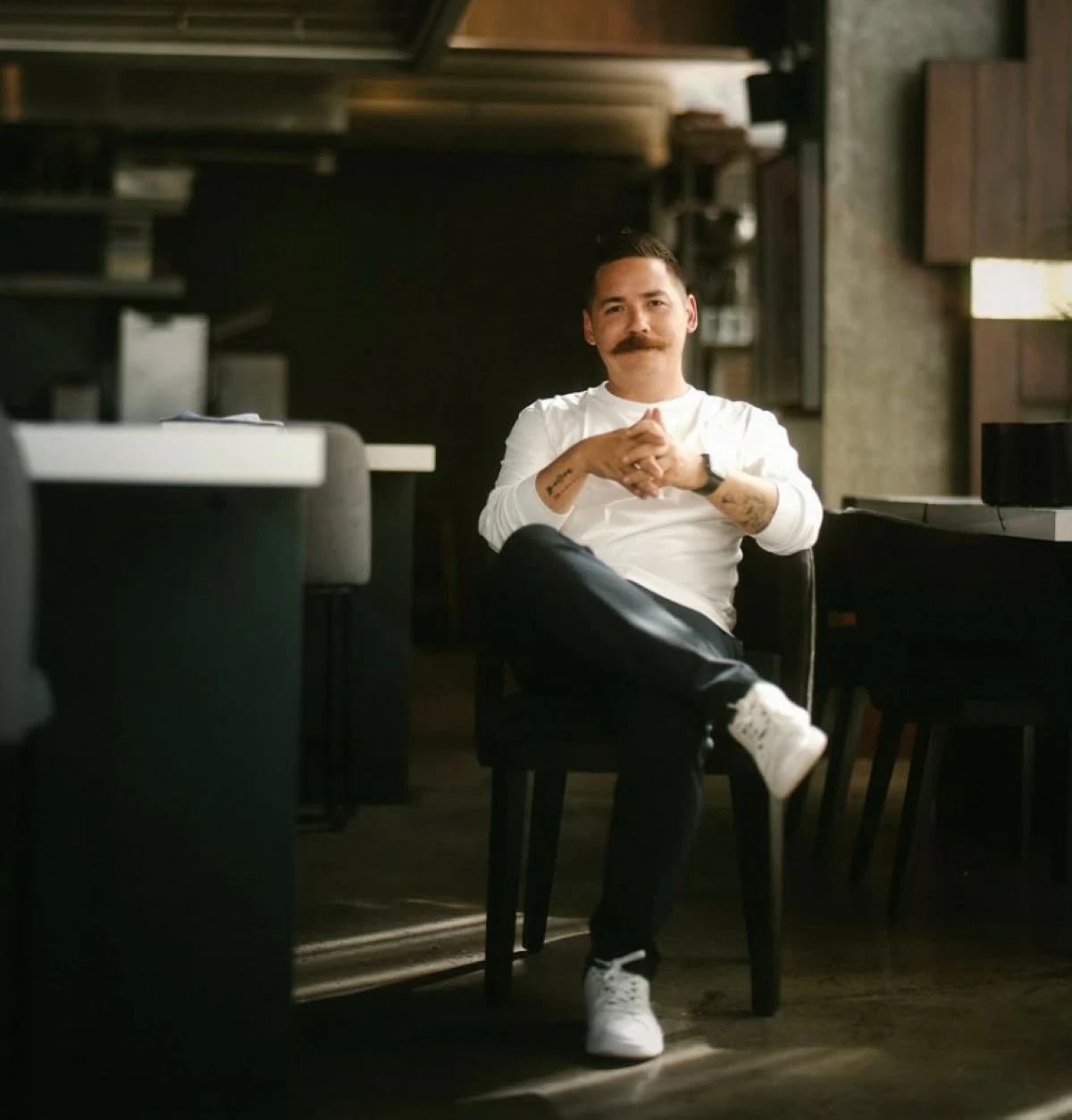
HELMSMAN Chef Josh Boutwood inside Helm, his Michelin two-starred restaurant in Makati. (Photo courtesy of Helm / Instagram @helmmnl)
“One of the examples they explained to us yesterday was that Thailand saw a 10% increase in tourism when they introduced the Michelin Guide,” he said at the time. “Even for Thailand, which already has a strong magnet for tourism.”
He was candid, too, about the possible downsides. “We’ve gone for more than a decade of being friends within the industry, with all of us. We’ve had zero competition with each other. We all do our own separate things. And then suddenly now, it’s going to throw in a curveball to us. Because if one of us gets a star more than the other, it’s going to create friction. So, I think that’s what I’m more worried about than anything, losing friends,” he said, with a chuckle, at the time. “I don’t have that many friends to begin with. My friends are in the industry. So, if we all hate each other, I’m going to be a grumpy old man.”
That conversation feels even more relevant now. Rivalries and sharp words may make for easy drama, but they seem unlikely to define what comes next. What has been unleashed instead is a broader sense of possibility. The floodgates, the proverbial Pandora’s box, are open, and with them comes an opportunity for Filipino chefs to respond not just with ambition, but with thoughtfulness. As 2026 begins, the most interesting question is not who will win or lose stars, but how this moment will shape the food we put on the table, and the stories we continue to tell about it.