







5 healthy habits for the New Year
Small changes for better health and wellbeing this 2026
By Cheshire Que
Published Dec 29, 2025 09:18 am


At A Glance
- Begin by making small changes in your daily habits.
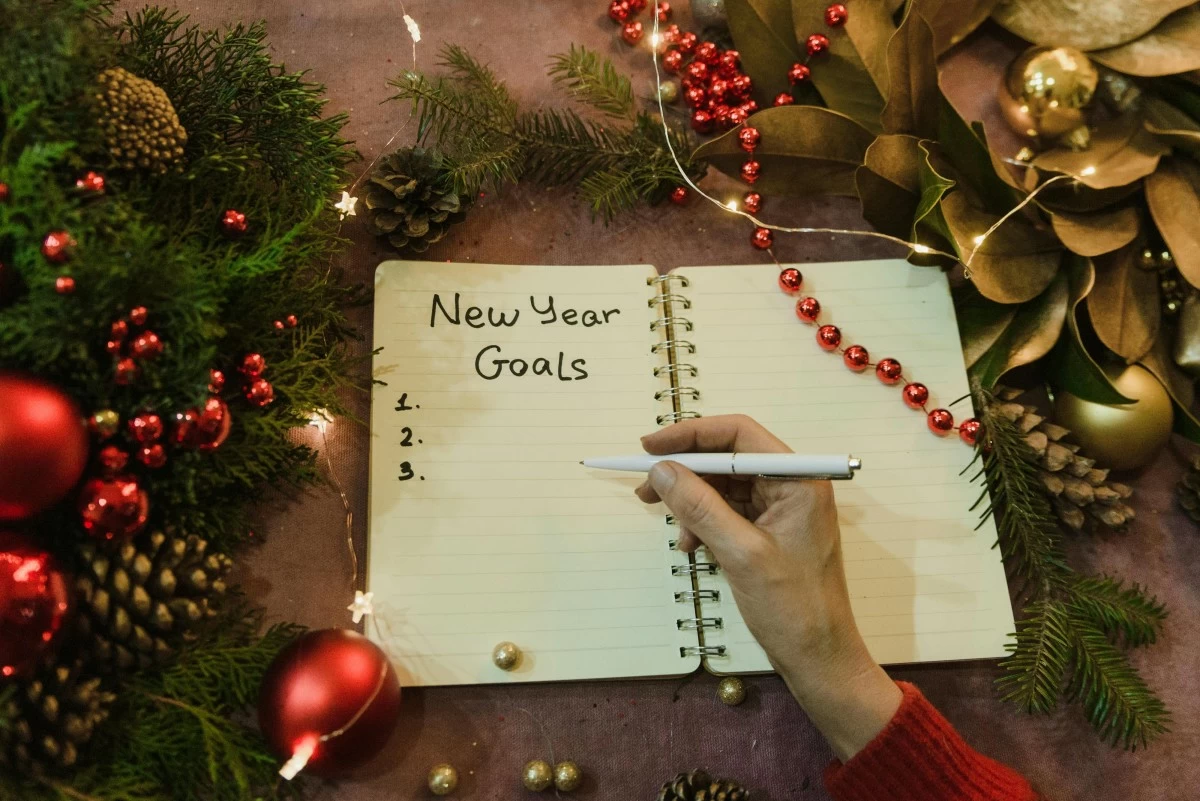
What made your New Year’s resolution last year fail? Was it the lack of commitment on your part or not enough self-control? Perhaps the resolutions you wanted were unrealistic, and you got overwhelmed? Did you vow to never touch rice and failed? We are Asians, specifically Filipinos. Rice is our staple food! It’s not the rice’s fault that you are overweight. You probably ate more than what your body needs, in addition to lifestyle habits that favor you to be unhealthy. Don’t fret. You are not alone, you are not hopeless, and you can start anew. This time, take a more realistic approach that is less punishing on yourself and more sustainable. Begin by making small changes in your daily habits. These may not show immediate results. After all, there’s no quick fix when it comes to pursuing health. Furthermore, there is no miracle pill that will make you lose weight, stop the aging process, or whatever it is that sales and marketing promise you. Instead of going cold turkey on unhealthy habits, begin to add these five practical tips to your lifestyle, one at a time, until they totally replace the unhealthy ones.
1. Wake up with gratitude
We all have problems. Many have to face grave issues. These cannot be ignored, nor can we escape them. If we allow ourselves to dwell on them and drown in our problems, they will surely take their toll on our health. Further adding to our problems. If we begin our day giving in to panic the moment we open our eyes, we don’t just increase the production of stress hormones. We increase our heart rate, blood pressure, blood glucose, and inflammatory responses, and we damage our health first thing in the morning. Practice waking up with gratitude. As soon as you wake up, don’t get hold of your phone and scroll. Don’t look at your schedule. In case you begin to think of responsibilities and problems, mindfully take a deep breath and set them aside for a few minutes to give way to gratitude. Even in the direst of situations, think of at least one thing that you can be grateful for. Even if it’s just thinking about being alive or having your family or having food on the table. Begin by thanking God first thing in the morning, even for unanswered prayers, because that means protection or redirection for you. You have a choice to wake up with gratitude or start your day feeling doomed. This isn’t about denying your feelings or problems. This is about helping yourself become psychologically and spiritually healthy to cope with your issues on a daily basis.
2. Get sun exposure
The best things in life are free. One of them is the sunshine vitamin D, and other health benefits that 10 to 15 minutes of exposing your arms and legs to sunlight can provide. Sun exposure in the morning will help regulate the production of the mood-stabilizing hormone serotonin that also plays a role in the production of sleep hormone melatonin, eating, and digestion. In addition, the vitamin D that we get from sunlight not only benefits the bones but also immunity and even regulation of other blood values, such as cholesterol, to promote heart health.
3. Walk after meals
Studies have shown that walking for 15 minutes several times a day is even more effective compared to having a sustained exercise for 45 minutes, then being sedentary or stationary for the rest of the day. If your schedule is packed as always, mindfully include 10 to 15 minutes of walking after meals. You don’t need to step out of the room or office. You can walk around the room or even walk in place. You can walk in place while watching your favorite show on TV or pace while on the phone. Walking and even standing make you burn more belly fat, which is viciously causing illnesses such as cardiovascular diseases and diabetes, among others.
4. Do stretching exercises and don’t slouch
Body aches and pains aren’t just due to aging. In fact, even if you are aging, you should not embrace pain. Rather, be physically active, stretch, and be mindful of your posture. Back pain, neck pain, and even headaches can be caused by poor posture, especially when you are sitting all day while looking at your gadgets. Make a conscious effort to do stretching exercises, sit with your back straight, and begin to experience a pain-free and more flexible life.
5. Sip water regularly throughout the day
The body is made of mostly water. Therefore, water is important in various processes in the body, including detoxification, establishing equilibrium, maintaining blood pressure, blood volume, blood glucose, cholesterol, and triglycerides, balancing the immune system, and more. Most symptoms of illnesses as simple as a headache may be influenced by the level of a person’s hydration. Why can’t you prevent getting sick by simply being mindful of drinking water? In 2026, make it a habit to always make water readily available. Carry a water bottle or keep it within your sight to remind you to take sips. Do not wait until you are thirsty because by then, you are already dehydrated.
Remember that the year 2026 could be the year when you finally break through in terms of health and wellness. Begin by doing these five practical ways to make small changes in your daily habits and lifestyle.
Happy, healthy new year!