ADVERTISEMENT

PIDS warns of learning losses if mother tongue program reverses

Published Dec 23, 2025 01:41 pm
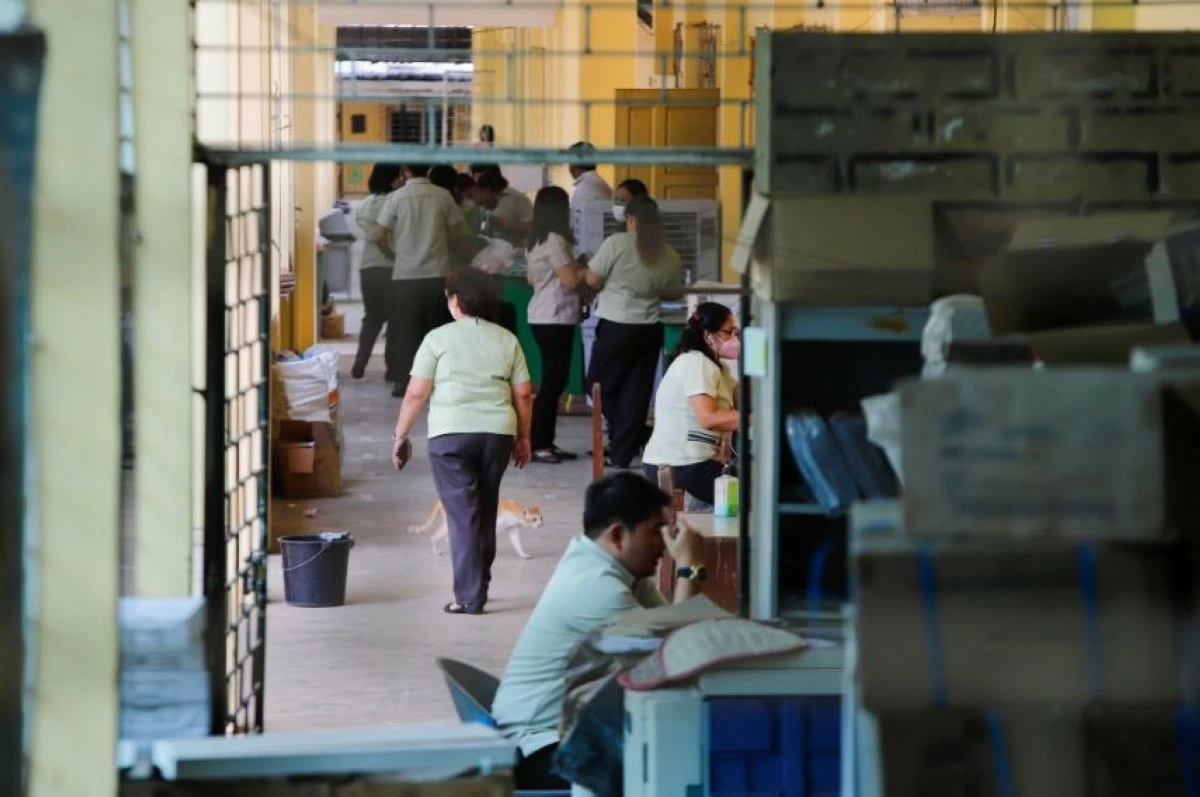
Teachers praise DepEd reforms under Secretary Angara but call for real investment in salaries and welfare to strengthen public education nationwide. (Manila Bulletin / file)
A state-run think tank is warning that the Philippines risks erasing significant educational progress by reversing its mother tongue-based multilingual education (MTB-MLE) program, particularly in the Visayas and Mindanao regions.
In a Dec. 16 discussion paper titled “Linguistic Mismatch and Learning Productivity: Evidence from Mother Tongue-based Education in the Philippines,” researchers from the Philippine Institute for Development Studies (PIDS) argued that the effectiveness of language policy hinges on matching instructional languages to students' actual home speech rather than the mere adoption of a policy.
The report, authored by Michael R.M. Abrigo, Katha Ma-i M. Estopace, Edmar E. Lingatong, and Charlotte Marjorie L. Relos, noted that teaching in a language foreign to students drastically cuts learning productivity.
While the MTB-MLE initiative has reduced such learning losses by approximately two-thirds, more than a quarter of students still encounter language mismatches.
The PIDS analysts warned that the policy shift under Republic Act (RA) 12027, which effectively makes the mother tongue optional in certain school settings, could jeopardize these improvements.
The researchers compared learning losses from language mismatches to the inefficiencies found in mismanaged businesses, suggesting that instructional language is a foundational component of a nation’s human capital.
The study described linguistic mismatch as a form of “allocative inefficiency” rather than a simple pedagogical hurdle. While Metro Manila has remained largely unaffected by these shifts, the concentration of learning losses is most pronounced in the Visayas and Mindanao. By aligning classroom instruction with the languages spoken at home, the MTB-MLE program has historically boosted learning productivity, ensuring that the billions of pesos invested in the education sector more effectively build human capital.
To sustain these gains, PIDS recommended that schools utilize all available language options. In regions where student languages differ significantly, the think tank suggested teaching in the most common local language.
In more linguistically homogeneous areas, a regional lingua franca could be employed to simplify implementation. The researchers noted that choosing a single language of instruction inevitably creates winners and losers in a multilingual environment.
The success of such programs also depends on teacher placement. PIDS called for the collection of more granular data on teacher language proficiency and urged the government to use localization policies to assign educators to their home provinces.
To address teacher shortages in Indigenous communities, the researchers proposed scholarships for local youth and specialized language training for non-indigenous teachers.
Ultimately, PIDS clarified that RA 12027’s flexible approach could improve outcomes only if school-level decisions are based on local linguistic data and implementation capacity.
The think tank concluded that while expanding the current 19 instructional languages could further reduce mismatches in Mindanao, any additions must balance learning gains against the costs of developing new instructional materials.

Related Tags

Philippine Institute for Development Studies (PIDS)
ADVERTISEMENT
.most-popular .layout-ratio{ padding-bottom: 79.13%; } @media (min-width: 768px) and (max-width: 1024px) { .widget-title { font-size: 15px !important; } }

{{ articles_filter_1561_widget.title }}

.most-popular .layout-ratio{ padding-bottom: 79.13%; } @media (min-width: 768px) and (max-width: 1024px) { .widget-title { font-size: 15px !important; } }

{{ articles_filter_1562_widget.title }}

.most-popular .layout-ratio{ padding-bottom: 79.13%; } @media (min-width: 768px) and (max-width: 1024px) { .widget-title { font-size: 15px !important; } }

{{ articles_filter_1563_widget.title }}

{{ articles_filter_1564_widget.title }}

.mb-article-details { position: relative; } .mb-article-details .article-body-preview, .mb-article-details .article-body-summary{ font-size: 17px; line-height: 30px; font-family: "Libre Caslon Text", serif; color: #000; } .mb-article-details .article-body-preview iframe , .mb-article-details .article-body-summary iframe{ width: 100%; margin: auto; } .read-more-background { background: linear-gradient(180deg, color(display-p3 1.000 1.000 1.000 / 0) 13.75%, color(display-p3 1.000 1.000 1.000 / 0.8) 30.79%, color(display-p3 1.000 1.000 1.000) 72.5%); position: absolute; height: 200px; width: 100%; bottom: 0; display: flex; justify-content: center; align-items: center; padding: 0; } .read-more-background a{ color: #000; } .read-more-btn { padding: 17px 45px; font-family: Inter; font-weight: 700; font-size: 18px; line-height: 16px; text-align: center; vertical-align: middle; border: 1px solid black; background-color: white; } .hidden { display: none; }
function initializeAllSwipers() { // Get all hidden inputs with cms_article_id document.querySelectorAll('[id^="cms_article_id_"]').forEach(function (input) { const cmsArticleId = input.value; const articleSelector = '#article-' + cmsArticleId + ' .body_images'; const swiperElement = document.querySelector(articleSelector); if (swiperElement && !swiperElement.classList.contains('swiper-initialized')) { new Swiper(articleSelector, { loop: true, pagination: false, navigation: { nextEl: '#article-' + cmsArticleId + ' .swiper-button-next', prevEl: '#article-' + cmsArticleId + ' .swiper-button-prev', }, }); } }); } setTimeout(initializeAllSwipers, 3000); const intersectionObserver = new IntersectionObserver( (entries) => { entries.forEach((entry) => { if (entry.isIntersecting) { const newUrl = entry.target.getAttribute("data-url"); if (newUrl) { history.pushState(null, null, newUrl); let article = entry.target; // Extract metadata const author = article.querySelector('.author-section').textContent.replace('By', '').trim(); const section = article.querySelector('.section-info ').textContent.replace(' ', ' '); const title = article.querySelector('.article-title h1').textContent; // Parse URL for Chartbeat path format const parsedUrl = new URL(newUrl, window.location.origin); const cleanUrl = parsedUrl.host + parsedUrl.pathname; // Update Chartbeat configuration if (typeof window._sf_async_config !== 'undefined') { window._sf_async_config.path = cleanUrl; window._sf_async_config.sections = section; window._sf_async_config.authors = author; } // Track virtual page view with Chartbeat if (typeof pSUPERFLY !== 'undefined' && typeof pSUPERFLY.virtualPage === 'function') { try { pSUPERFLY.virtualPage({ path: cleanUrl, title: title, sections: section, authors: author }); } catch (error) { console.error('ping error', error); } } // Optional: Update document title if (title && title !== document.title) { document.title = title; } } } }); }, { threshold: 0.1 } ); function showArticleBody(button) { const article = button.closest("article"); const summary = article.querySelector(".article-body-summary"); const body = article.querySelector(".article-body-preview"); const readMoreSection = article.querySelector(".read-more-background"); // Hide summary and read-more section summary.style.display = "none"; readMoreSection.style.display = "none"; // Show the full article body body.classList.remove("hidden"); } document.addEventListener("DOMContentLoaded", () => { let loadCount = 0; // Track how many times articles are loaded const offset = [1, 2, 3, 4, 5, 6, 7, 8, 9, 10]; // Offset values const currentUrl = window.location.pathname.substring(1); let isLoading = false; // Prevent multiple calls if (!currentUrl) { console.log("Current URL is invalid."); return; } const sentinel = document.getElementById("load-more-sentinel"); if (!sentinel) { console.log("Sentinel element not found."); return; } function isSentinelVisible() { const rect = sentinel.getBoundingClientRect(); return ( rect.top < window.innerHeight && rect.bottom >= 0 ); } function onScroll() { if (isLoading) return; if (isSentinelVisible()) { if (loadCount >= offset.length) { console.log("Maximum load attempts reached."); window.removeEventListener("scroll", onScroll); return; } isLoading = true; const currentOffset = offset[loadCount]; window.loadMoreItems().then(() => { let article = document.querySelector('#widget_1690 > div:nth-last-of-type(2) article'); intersectionObserver.observe(article) loadCount++; }).catch(error => { console.error("Error loading more items:", error); }).finally(() => { isLoading = false; }); } } window.addEventListener("scroll", onScroll); });

Sign up by email to receive news.