ADVERTISEMENT

A new generation discovers brandy as Emperador leads a global comeback

How a legacy spirit is finding renewed relevance through fresh flavors, youthful mixes, and a wider international footprint

Published Dec 10, 2025 02:22 pm
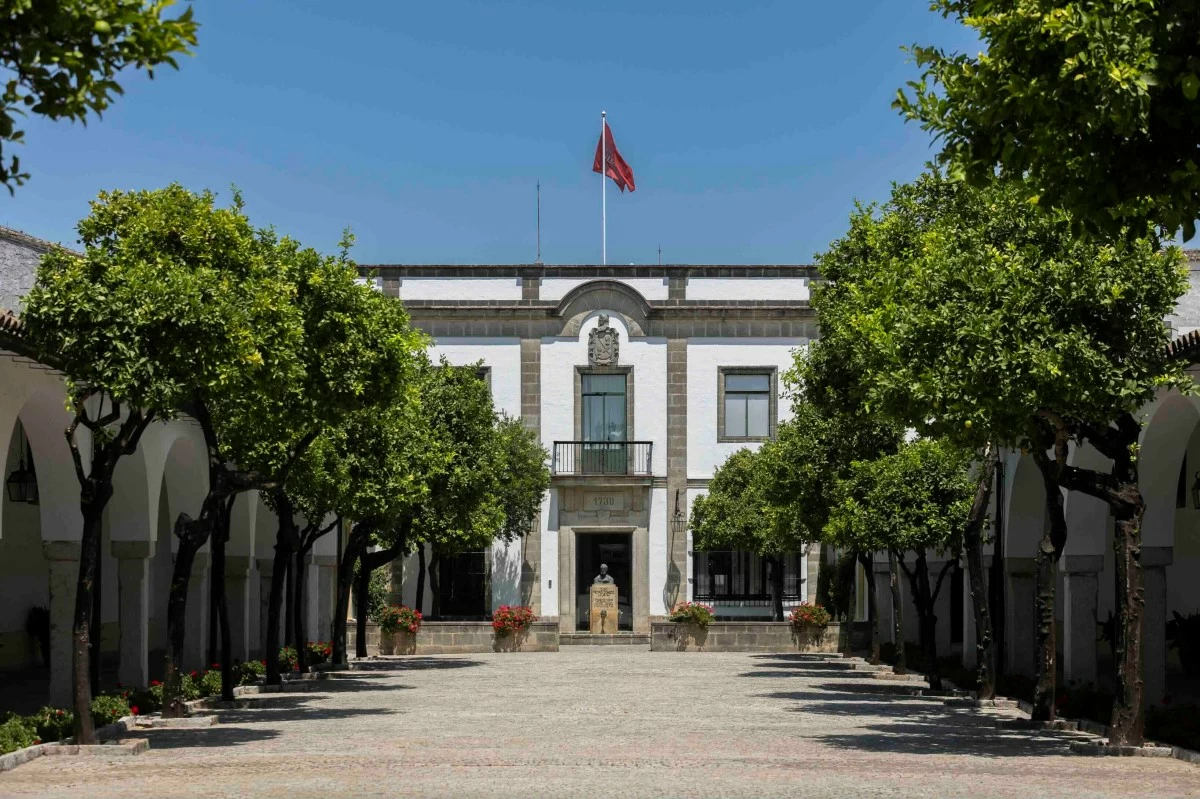
Beneath the bright Andalusian sun, the classic white facade and symmetrical orange trees of Bodegas Fundador's central courtyard offer a serene retreat.
Brandy is returning to the spotlight, not as an outdated tradition but as a spirit that aligns with the interests of younger drinkers. As tastes shift and consumers look for drinks that balance heritage with flexibility, Emperador Inc. is positioning its portfolio as a bridge between craftsmanship and contemporary drinking culture.
The story traces back to Spain, where Bodegas Fundador was established in 1874 and paved the way for the country’s first brandy. That history continues to anchor Emperador’s global identity even as the company reshapes how the spirit is enjoyed in bars, cafés, and casual gatherings around the world.
Terry Centenario, known as Spain’s No. 1 brandy, sits at the heart of this renewed attention. Smooth and versatile, it appeals to new drinkers who enjoy bright cola serves and the growing trend of coffee based mixes that echo today’s café driven drinking styles. “Brandy sits at the intersection of stability, accessibility, and authenticity,” says Emperador Inc. Chairman Winston S. Co. “We expect consumption to rise next year and beyond, driven by innovation and our expanding international footprint.”
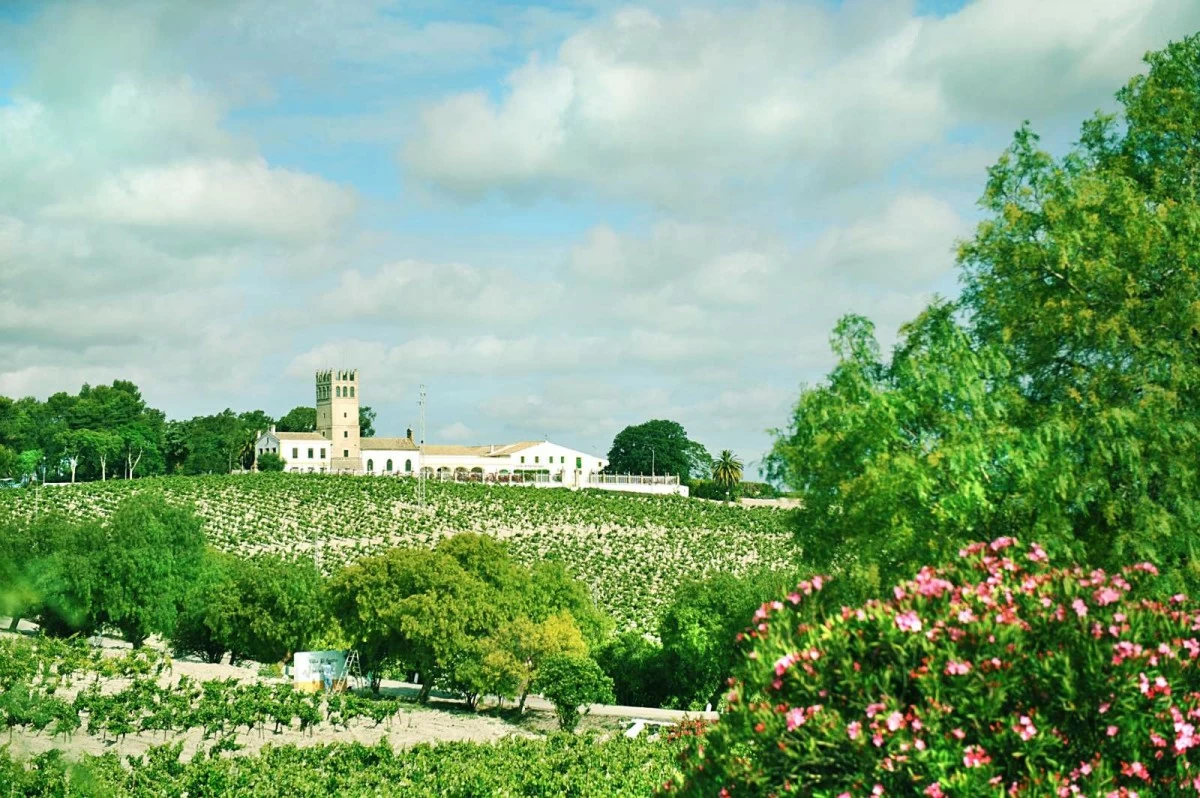
The expansive and fertile El Majuelo Vineyard, the oldest and most important viticultural area in Jerez de la Frontera, is where the story of the world’s most iconic Spanish brandies begin.
A classic reimagined for modern tastes
The company’s innovative push is also evident in Terry White Brandy. Considered among the world’s first white brandies, it offers a clean and modern profile designed for refreshing, uncomplicated mixes. It reflects Fundador’s creative DNA and highlights how the category can evolve while staying rooted in its tradition.
Although Emperador’s global strategy is geared toward continued growth across its brandy portfolio by 2026, Terry White Brandy has emerged as a key touchpoint for younger and alternative consumers. It has established strong footholds in Mexico, Germany, and the United States, along with plans for deeper expansion across Europe, including the United Kingdom and France.
“In the Philippines, we anticipate double digit growth next year led by Emperador and Fundador,” Winston adds. “Mexico is also a powerful growth driver anchored on the prominence of Presidente Brandy.”
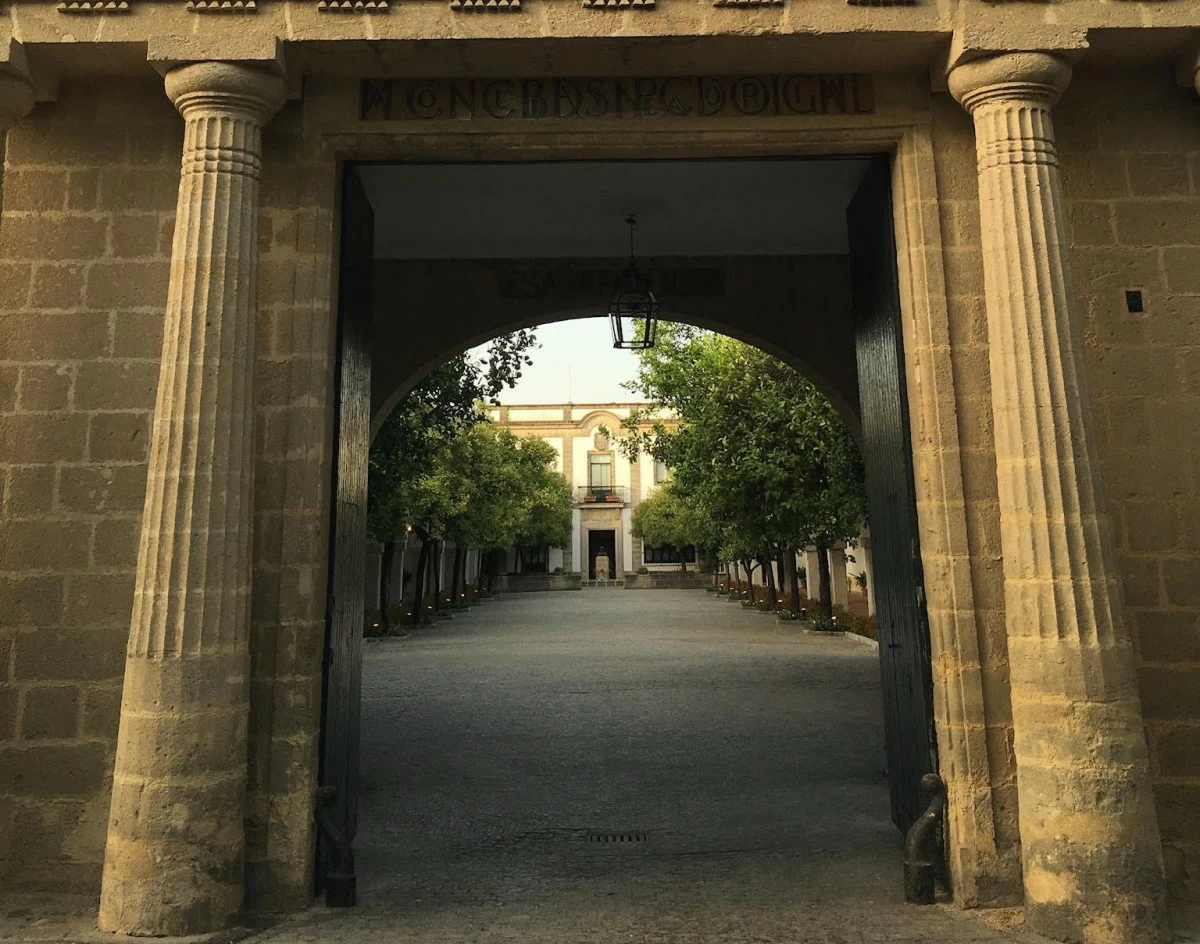
Framed by ancient stone pillars, the stately entrance to Bodegas Fundador reveals the serene beauty of the courtyard beyond.
Brandy for today’s drinking culture
The resurgence is not driven by nostalgia but by a careful balance of heritage and reinvention. Emperador is reintroducing brandy to a generation that values both experience and authenticity. Whether enjoyed at a rooftop bar in Madrid, a café in Manila, or a backyard gathering in Mexico City, the brand’s expressions show how easily the spirit adapts to different lifestyles.
Terry Centenario and Terry White Brandy illustrate this shift. Both retain the warmth and depth associated with brandy, yet fit naturally into today’s preference for drinks that are lighter, more flexible, and easily customized.
By aligning long standing craft with modern preferences, Emperador is shaping more than a trend. The company is cultivating a lifestyle movement built on accessibility, versatility, and global appeal.
ADVERTISEMENT
.most-popular .layout-ratio{ padding-bottom: 79.13%; } @media (min-width: 768px) and (max-width: 1024px) { .widget-title { font-size: 15px !important; } }

{{ articles_filter_1561_widget.title }}

.most-popular .layout-ratio{ padding-bottom: 79.13%; } @media (min-width: 768px) and (max-width: 1024px) { .widget-title { font-size: 15px !important; } }

{{ articles_filter_1562_widget.title }}

.most-popular .layout-ratio{ padding-bottom: 79.13%; } @media (min-width: 768px) and (max-width: 1024px) { .widget-title { font-size: 15px !important; } }

{{ articles_filter_1563_widget.title }}

{{ articles_filter_1564_widget.title }}

.mb-article-details { position: relative; } .mb-article-details .article-body-preview, .mb-article-details .article-body-summary{ font-size: 17px; line-height: 30px; font-family: "Libre Caslon Text", serif; color: #000; } .mb-article-details .article-body-preview iframe , .mb-article-details .article-body-summary iframe{ width: 100%; margin: auto; } .read-more-background { background: linear-gradient(180deg, color(display-p3 1.000 1.000 1.000 / 0) 13.75%, color(display-p3 1.000 1.000 1.000 / 0.8) 30.79%, color(display-p3 1.000 1.000 1.000) 72.5%); position: absolute; height: 200px; width: 100%; bottom: 0; display: flex; justify-content: center; align-items: center; padding: 0; } .read-more-background a{ color: #000; } .read-more-btn { padding: 17px 45px; font-family: Inter; font-weight: 700; font-size: 18px; line-height: 16px; text-align: center; vertical-align: middle; border: 1px solid black; background-color: white; } .hidden { display: none; }
function initializeAllSwipers() { // Get all hidden inputs with cms_article_id document.querySelectorAll('[id^="cms_article_id_"]').forEach(function (input) { const cmsArticleId = input.value; const articleSelector = '#article-' + cmsArticleId + ' .body_images'; const swiperElement = document.querySelector(articleSelector); if (swiperElement && !swiperElement.classList.contains('swiper-initialized')) { new Swiper(articleSelector, { loop: true, pagination: false, navigation: { nextEl: '#article-' + cmsArticleId + ' .swiper-button-next', prevEl: '#article-' + cmsArticleId + ' .swiper-button-prev', }, }); } }); } setTimeout(initializeAllSwipers, 3000); const intersectionObserver = new IntersectionObserver( (entries) => { entries.forEach((entry) => { if (entry.isIntersecting) { const newUrl = entry.target.getAttribute("data-url"); if (newUrl) { history.pushState(null, null, newUrl); let article = entry.target; // Extract metadata const author = article.querySelector('.author-section').textContent.replace('By', '').trim(); const section = article.querySelector('.section-info ').textContent.replace(' ', ' '); const title = article.querySelector('.article-title h1').textContent; // Parse URL for Chartbeat path format const parsedUrl = new URL(newUrl, window.location.origin); const cleanUrl = parsedUrl.host + parsedUrl.pathname; // Update Chartbeat configuration if (typeof window._sf_async_config !== 'undefined') { window._sf_async_config.path = cleanUrl; window._sf_async_config.sections = section; window._sf_async_config.authors = author; } // Track virtual page view with Chartbeat if (typeof pSUPERFLY !== 'undefined' && typeof pSUPERFLY.virtualPage === 'function') { try { pSUPERFLY.virtualPage({ path: cleanUrl, title: title, sections: section, authors: author }); } catch (error) { console.error('ping error', error); } } // Optional: Update document title if (title && title !== document.title) { document.title = title; } } } }); }, { threshold: 0.1 } ); function showArticleBody(button) { const article = button.closest("article"); const summary = article.querySelector(".article-body-summary"); const body = article.querySelector(".article-body-preview"); const readMoreSection = article.querySelector(".read-more-background"); // Hide summary and read-more section summary.style.display = "none"; readMoreSection.style.display = "none"; // Show the full article body body.classList.remove("hidden"); } document.addEventListener("DOMContentLoaded", () => { let loadCount = 0; // Track how many times articles are loaded const offset = [1, 2, 3, 4, 5, 6, 7, 8, 9, 10]; // Offset values const currentUrl = window.location.pathname.substring(1); let isLoading = false; // Prevent multiple calls if (!currentUrl) { console.log("Current URL is invalid."); return; } const sentinel = document.getElementById("load-more-sentinel"); if (!sentinel) { console.log("Sentinel element not found."); return; } function isSentinelVisible() { const rect = sentinel.getBoundingClientRect(); return ( rect.top < window.innerHeight && rect.bottom >= 0 ); } function onScroll() { if (isLoading) return; if (isSentinelVisible()) { if (loadCount >= offset.length) { console.log("Maximum load attempts reached."); window.removeEventListener("scroll", onScroll); return; } isLoading = true; const currentOffset = offset[loadCount]; window.loadMoreItems().then(() => { let article = document.querySelector('#widget_1690 > div:nth-last-of-type(2) article'); intersectionObserver.observe(article) loadCount++; }).catch(error => { console.error("Error loading more items:", error); }).finally(() => { isLoading = false; }); } } window.addEventListener("scroll", onScroll); });

Sign up by email to receive news.