






Manila Bulletin
 Embassies at Work
Norway and Roots of Health: Youth and community-led innovations in closing HIV prevention gap
Embassies at Work
Norway and Roots of Health: Youth and community-led innovations in closing HIV prevention gap
Embassies at Work
Norway and Roots of Health: Youth and community-led innovations in closing HIV prevention gap
Norway and Roots of Health: Youth and community-led innovations in closing HIV prevention gap
Published Dec 8, 2025 10:46 am


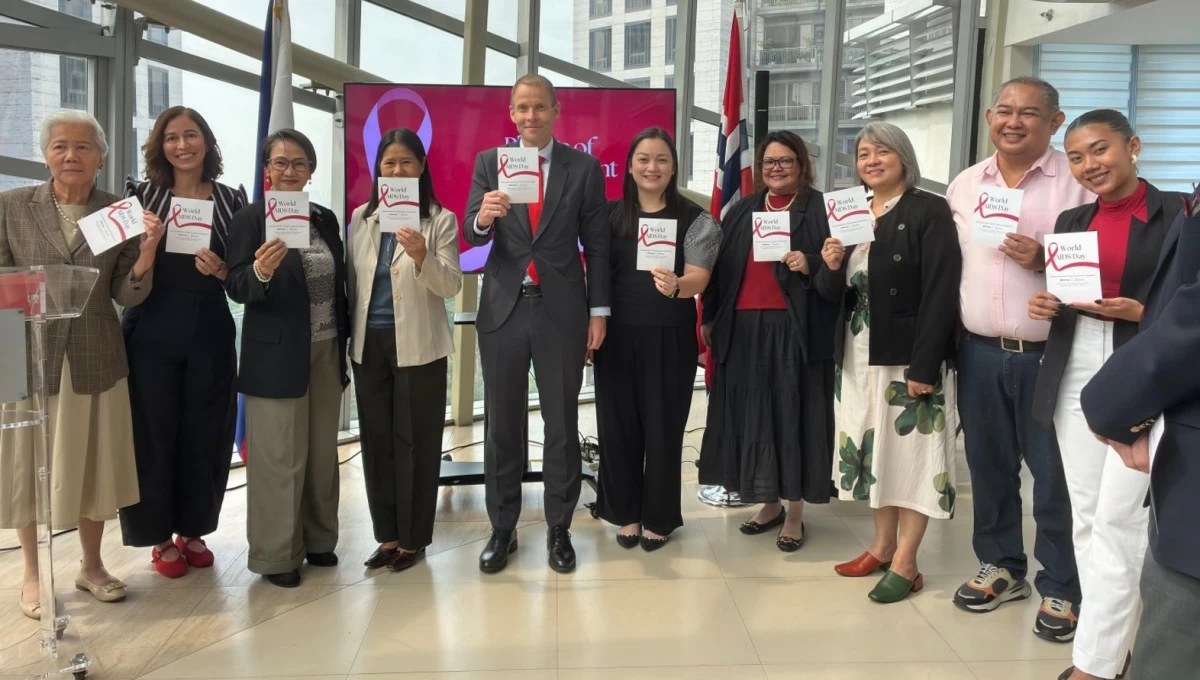
Ambassador Christian Halaas Lyster with panelists and speakers at the December 1 World AIDS Day Forum, hosted by the Royal Norwegian Embassy in Manila and Roots of Health
Youth and community-led innovations are emerging as vital solutions to close the Philippines’ widening HIV prevention gap, according to speakers at a World AIDS Day forum hosted by the Royal Norwegian Embassy and Roots of Health, a Palawan-based NGO.
Despite progress in testing and treatment, prevention remains the weakest link in the national HIV response. Infections have surged by more than 550 percent since 2010, with 57 new cases reported daily—placing young Filipinos aged 15 to 23 at growing risk.
Norwegian Ambassador Christian Halaas Lyster emphasized that the challenge is systemic, not technological. “Behind these numbers are young people, students, workers, dreamers whose lives are shaped by silence and stigma,” he said, pointing to moral judgment, limited reproductive health education, and hesitation to use condoms as barriers that continue to widen the prevention gap.
“These barriers are human-made, and they can be dismantled,” the ambassador added.
Roots of Health Executive Director Amina Evangelista Swanepoel underscored the need to normalize conversations about sex and relationships. “Prevention requires honest conversations about sex, and that’s where we still struggle as a country,” she said. “Young people deserve accurate information, accessible prevention tools, and adults who can speak to them without judgment.”
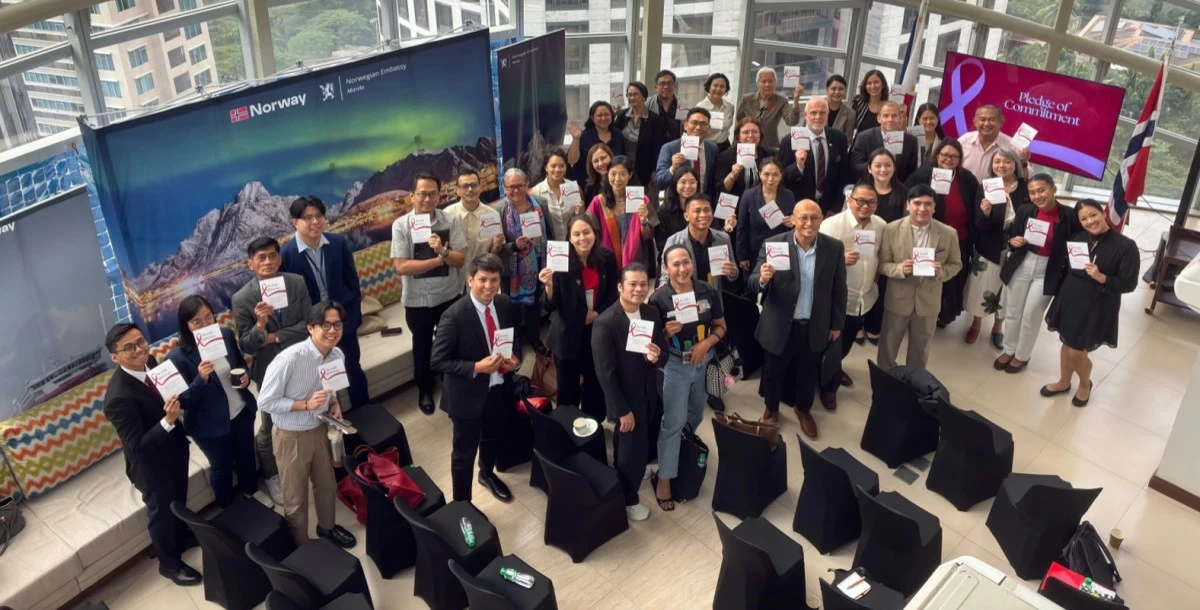
Participants at the December 1 World AIDS Day Forum hosted by the Royal Norwegian Embassy in Manila and Roots of Health
Speakers highlighted youth voices and community leadership as critical to reversing current trends.
Kyla De Luz, a Sangguniang Kabataan official and youth advocate from Puerto Princesa, shared how peer-led information sessions and mobile screenings help break stigma. “Change often begins not in big speeches or huge events but in small conversations with classmates, friends, or community members who simply need accurate information,” she said. “Youth participation matters because we can reshape the narrative. We have the power to normalize conversations about HIV and build a culture where no one feels afraid to know their status.”
A panel featuring Swanepoel, Dr. Chisty Andaya of the Department of Health MIMAROPA, Amara Quesada of Action for Health Initiatives (ACHIEVE), and Anastacio “Tacing” Marasigan of TLF Sexuality Health and Rights Educators Collective (TLF Share) showcased local innovations that place communities at the center of HIV response.
Among the initiatives discussed were: ACHIEVE’s community-led monitoring, which gathers feedback from people living with HIV to strengthen service delivery; Roots of Health’s condom dispensers in high foot-traffic areas; community-based HIV screening and sundown clinics offering after-hour services; story-driven digital campaigns to reduce stigma and exploration of machine learning and AI in HIV diagnosis and treatment.
Swanepoel noted that those closest to the epidemic “are closest to the solutions.” Youth understand their peers’ fears and communication styles, while community groups grasp local culture and stigma—insights often missed by top-down programs.

Roots of Health Youth Advocates conduct peer-to-peer education on reproductive health, sexually transmitted infections, and HIV in Puerto Princesa City, Palawan
HIV advocate Elena Felix, who has lived with HIV for 31 years, warned that progress remains painfully slow. Stigma persists in healthcare settings, and infections continue to rise rapidly. She cautioned that international funding shortfalls, including recent reductions in US President’s Emergency Plan for AIDS Relief (PEPFAR) allocations, further jeopardize prevention efforts.
“If HIV infections have increased by 550 percent in recent years, then investments in HIV programs should also increase by 550 percent,” Felix said. “We cannot expect the response to keep up if the resources don’t.”
Ambassador Lyster reaffirmed Norway’s commitment to inclusive, community-driven models. “Closing the prevention gap requires shared responsibility between governments, development partners, and civil society,” he said.
Norway recently announced NOK 2 billion in new contributions to the Global Fund to Fight AIDS for 2026–2028, alongside NOK 10 billion in total support to Gavi, the Vaccine Alliance.
Quesada echoed the urgency of stronger collaboration as donor funding declines worldwide, stressing the need to transition to domestic financing and ensure government resources are allocated efficiently to sustain prevention efforts.
Speakers agreed that youth and community leadership, backed by stronger government support, can normalize testing, drive earlier diagnosis, and expand access to education and prevention services—especially for those most at risk.
“World AIDS Day is a day of remembrance. It’s a day when we remind ourselves that AIDS is not only about medicine. It’s about dignity, action, and inclusion,” Ambassador Lyster said.