






Manila Bulletin
 Philippines
National
Padilla camp says alleged wiretapping claims 'speculative', no basis
Philippines
National
Padilla camp says alleged wiretapping claims 'speculative', no basis
Philippines
National
Padilla camp says alleged wiretapping claims 'speculative', no basis
Padilla camp says alleged wiretapping claims 'speculative', no basis
By Dhel Nazario
Published Nov 28, 2025 01:48 pm


At A Glance
- The camp of Senator Robin Padilla on Friday, Nov. 28, maintained that allegations he violated the Anti-Wiretapping Law are premature, stating no facts have been established regarding the audio clip he played during the Senate's budget deliberation for the Presidential Communications Office.
The camp of Senator Robin Padilla on Friday, Nov. 28, maintained that allegations he violated the Anti-Wiretapping Law are premature, stating no facts have been established regarding the audio clip he played during the Senate’s budget deliberation for the 2026 budget of the Presidential Communications Office (PCO).
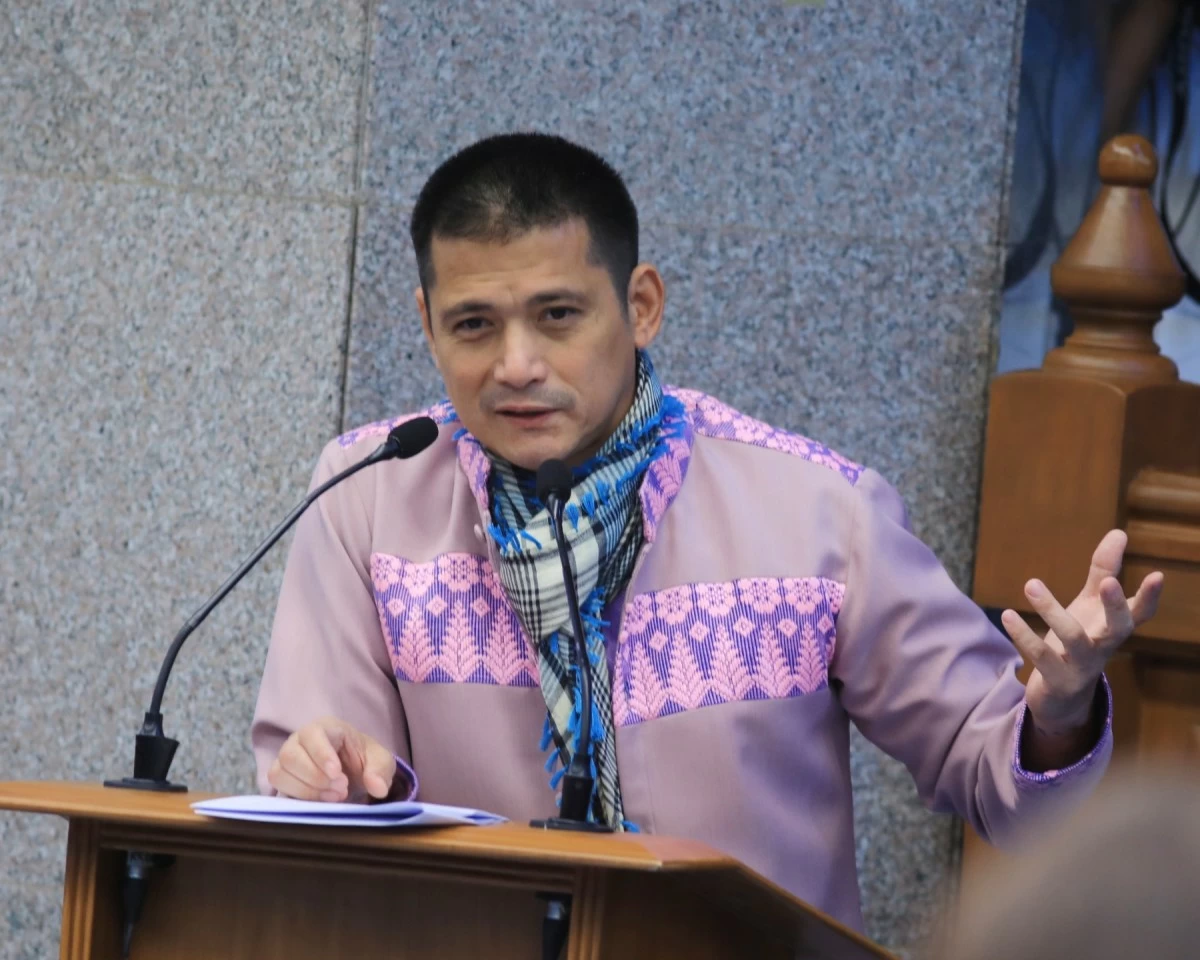
Senator Robinhood Padilla (Senate PRIB photo)
In a statement, Atty. Rudolf Philip Jurado, chief of staff of Padilla, said that “the authenticity of the recording, the identities of the persons allegedly involved, and the manner by which the audio was obtained have not been established through any formal investigation.”
“In the absence of verified facts, there is no reasonable basis to conclude that the audio constitutes an ‘intercepted communication’ within the meaning of the Anti-Wiretapping Law,” Jurado said.
Jurado stressed that without proof that a private conversation was unlawfully intercepted, “any allegation of a wiretapping offense remains speculative.”
He also noted that senators and congressmen are afforded parliamentary immunity—specifically the Privilege of Speech and Debate—which allows them to deliberate and legislate “without fear of retaliation or legal consequences for statements made or actions taken in the course of their official duties.”
The statement comes after lawyer Barry Gutierrez said Padilla could be held liable for releasing the audio clip without consent, possibly exposing him to criminal charges and a separate ethics complaint.
Padilla recently played an audio recording during plenary deliberations of the proposed 2026 budget of the Presidential Communications Office (PCO) and asked whether the voice heard in the clip belonged to Palace Press Officer Claire Castro.
Senate President Vicente “Tito” Sotto III intervened, urging caution in publicly naming individuals without certainty. He recommended that the supposed audio be submitted to the National Bureau of Investigation (NBI) for voice-print analysis.