






Manila Bulletin
 Environment and Sustainability
Giving thanks for the everyday acts that sustain our future
Environment and Sustainability
Giving thanks for the everyday acts that sustain our future
Environment and Sustainability
Giving thanks for the everyday acts that sustain our future
Giving thanks for the everyday acts that sustain our future
By Len Amadora
Published Nov 27, 2025 07:39 pm



It is not every day that we pause to think about sustainability. And when we do, it is not often that we notice, much less appreciate, the little things that quietly contribute to a better future. Whether the act is big or small, there is value in giving thanks — not only for what these efforts are today, but for how they can shape tomorrow.

Nature's everyday gifts
Nature has long cared for us without asking for anything in return. For that, there is so much to be grateful for— from sunlight that powers solar panels to wind that turns turbines and lights homes, even in far-flung communities. Trees deserve mention, too. For as long as they are responsibly managed, urban trees offer shade, reduce heat, absorb carbon, produce oxygen, and support biodiversity. Forests also hold the soil together and help prevent floods and landslides. They work quietly, offering protection that many of us barely notice.

Mindful habits
Oftentimes, simple habits are overlooked, but they say a lot about how people choose to live. One person refills a tumbler instead of buying bottled water. Another brings reusable bags during grocery runs. Others choose to bike or walk for short trips because it feels reasonable and healthier to do so. These choices reduce single-use plastics and cut energy consumption. Even small acts like switching off lights or unplugging appliances save resources and cut expenses over time. Being grateful for those who stay mindful reminds us that meaningful change usually begins with small decisions.
Community projects
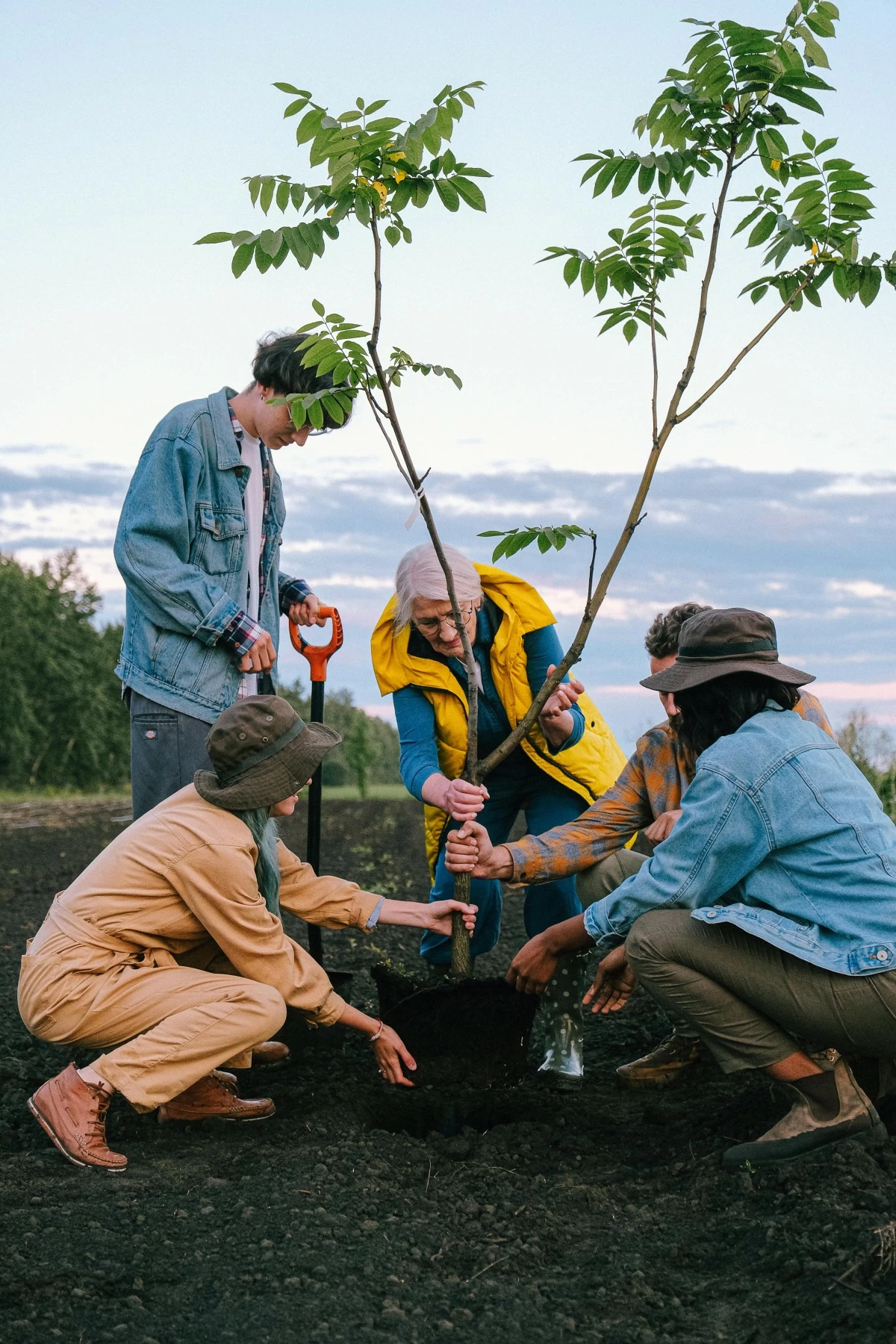
Communities also play an equally important role. Barangay clean-ups, company tree-planting activities, school workshops, recycling drives and local campaigns show what is possible when people act together. These initiatives are inclusive and often uplifting. They make sustainability goals easier to reach because the responsibility is shared.
Strength of local produce
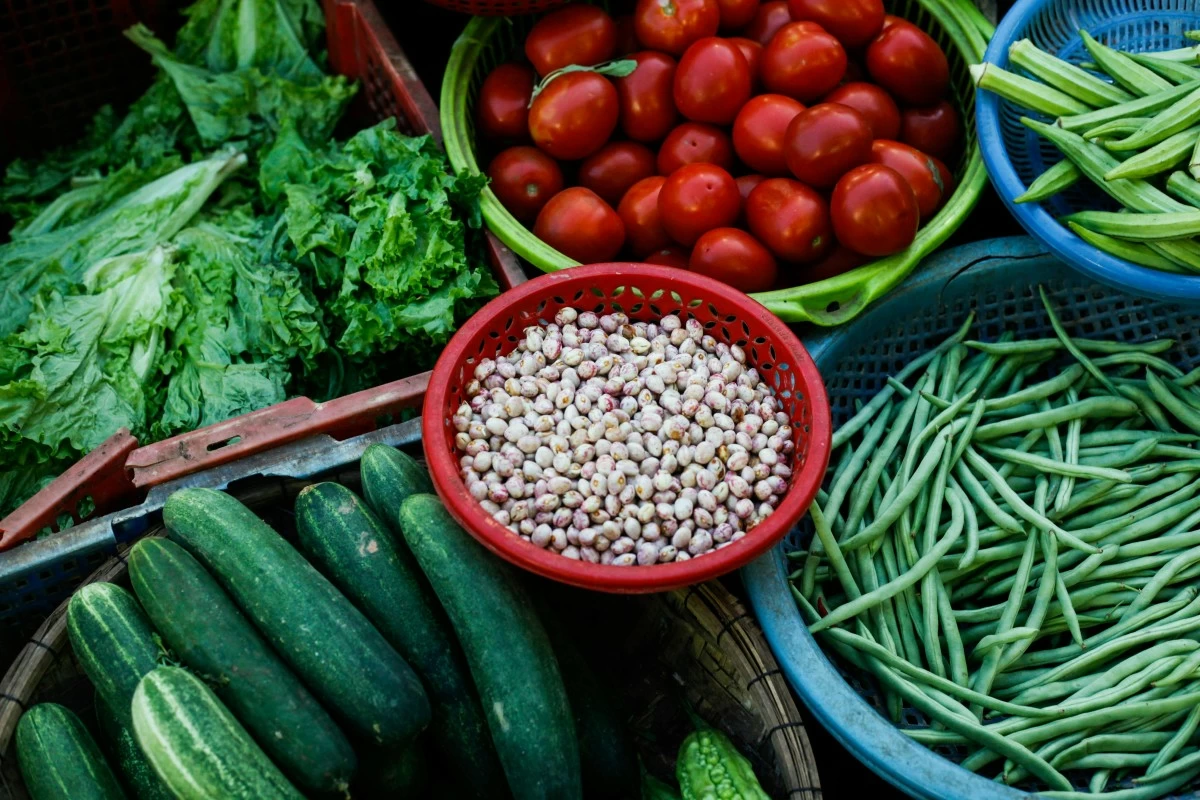
Choosing local produce is another quiet act of sustainability. Food grown nearby tastes fresher because it is harvested close to ripeness. It needs less packaging and shorter transport. Each purchase also supports farmers and helps small and backyard growers thrive.
Innovations and progress
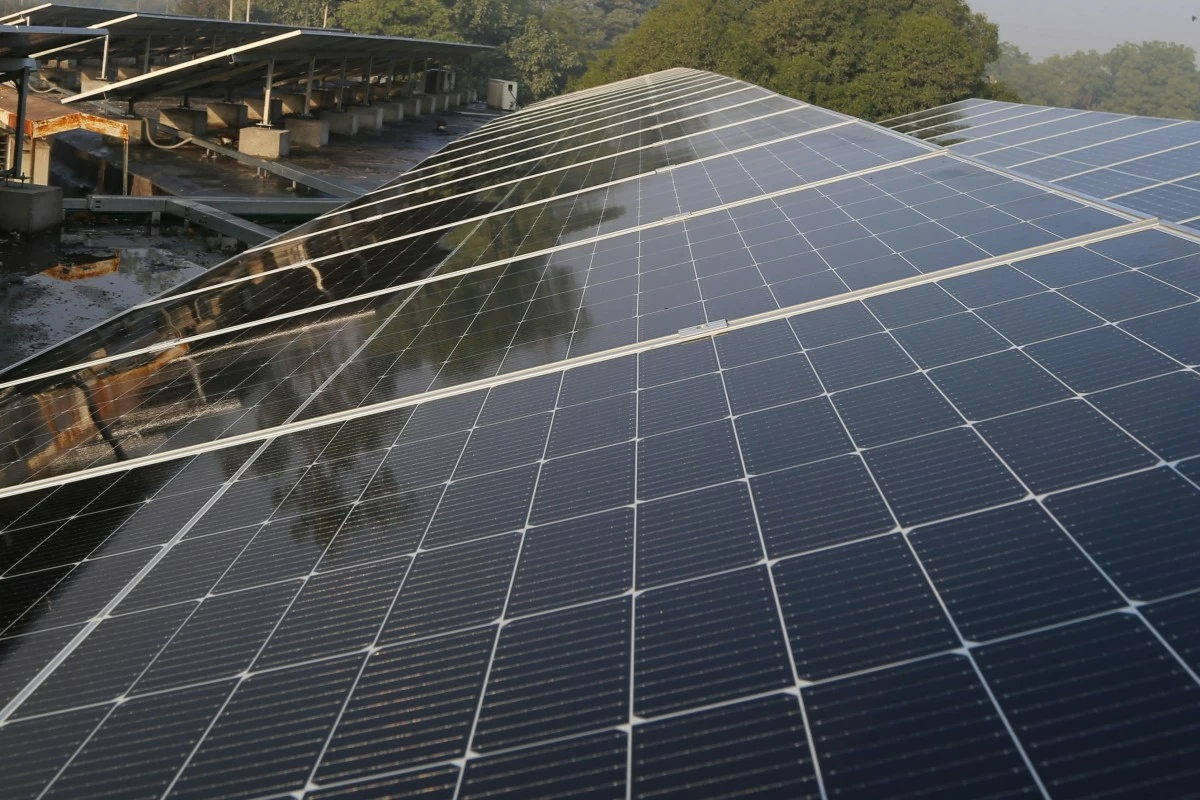
There is a lot to appreciate in the innovations that make sustainable living possible. Solar farms and wind turbines power communities. Water treatment plants and reclamation systems allow water to be reused instead of wasted. Everyday items, like LED bulbs, energy-saving appliances, electric vehicles and even digital banking systems contribute to lower emissions and reduce resource use. These innovations show how technology can manage resources with care and guide us toward a greener future.
Sustainability can feel overwhelming, especially when we think of it only as a global agenda. It becomes easier to understand when we pay attention to the little things that we do every day—refilling a bottle, switching off a light, planting a seed. These actions may not seem transformative at first glance, but gratitude encourages more good choices. Over time, we may find that we are not only mere observers of change, but are active contributors to it.