






Manila Bulletin
 Lifestyle
Health and Wellness
Should you drink milk or take calcium supplements for stronger bones?
Lifestyle
Health and Wellness
Should you drink milk or take calcium supplements for stronger bones?
Lifestyle
Health and Wellness
Should you drink milk or take calcium supplements for stronger bones?
Should you drink milk or take calcium supplements for stronger bones?
The ugly truth about dairy consumption and calcium supplementation
By Cheshire Que
Published Nov 24, 2025 07:51 pm


At A Glance
- The results of the large cohort studies showed that there are no benefits to bone health from drinking milk.
Did you know that our bones or skeletal system not only provide body support, movement, and protection like the skull does to the brain and the ribs to the lungs, but also serve as a storage site for minerals and the production of blood cells? The bones play a role in keeping the body’s immune system well-balanced and healthy.
How can we keep our bones from getting brittle in order to prevent fractures and osteoporosis, a disease condition whereby the bone mineral density and bone mass decrease? Thus, rendering bones weak and prone to fractures.
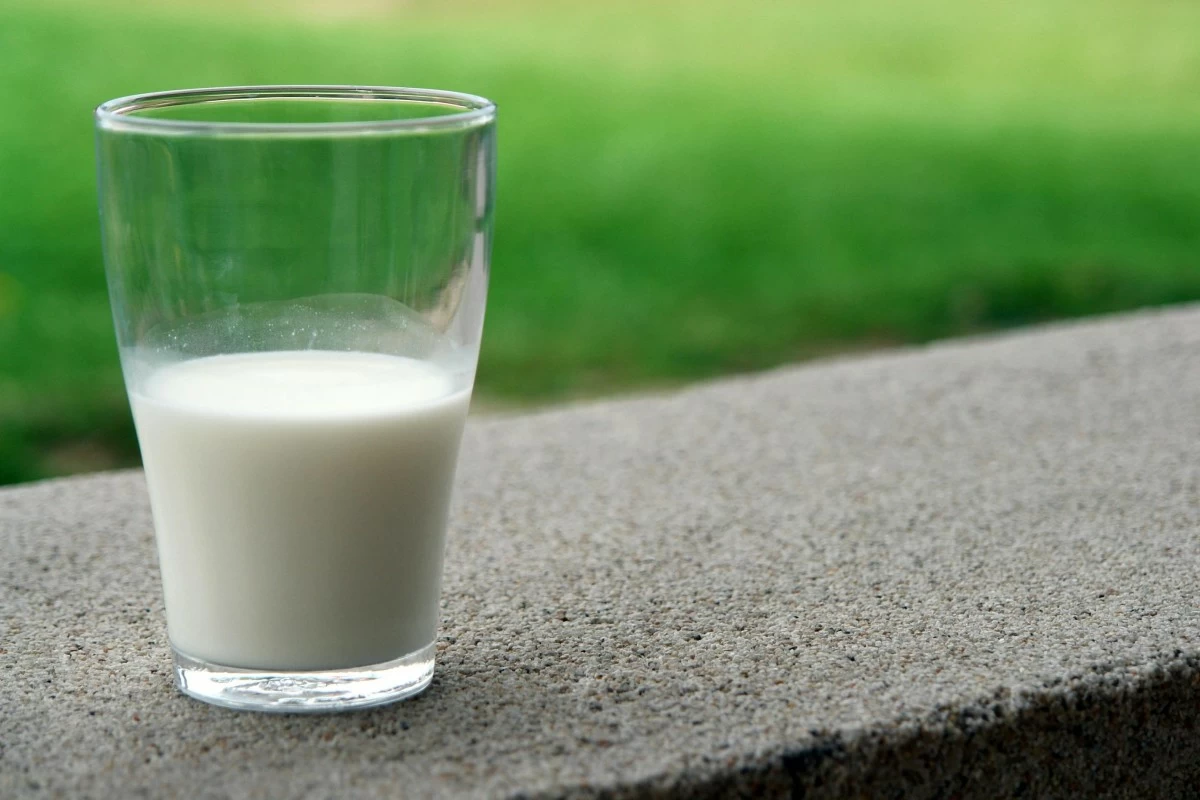
Almost everyone’s childhood was marked by drinking milk for growth and development. We have equated milk as a major, if not solely recognized, calcium source for bone health. Is milk really the solution to stronger bones? Science says no. In a study conducted by Professor Karl Michaelsson and colleagues entitled “Milk Intake and Risk of Mortality and Fractures in Women and Men: Cohort Studies,” they concluded that high milk intake was associated with higher mortality among men and women, as well as a higher fracture incidence among women.
The large study conducted on three counties in central Sweden, which had 61,433 women aged 39 to 74 years old between the years 1987 to 1990, when baseline data was obtained through the administration of food frequency questionnaires. The same type of questionnaire was also administered to 45,339 men between the ages of 45 to 79 years old in 1997. After 20.1 years, the mean follow-up among the women participants resulted in 15,541 deaths and 17,252 cases of fracture, 4259 of which had hip fractures. The mean follow-up among the male participants after 11.2 years resulted in 10,112 deaths and 5066 cases of fractures, 1166 of which were hip fracture cases.
The results of the large cohort studies showed that there are no benefits to bone health from drinking milk. Simply put, there has been no reduction in the risk of fractures by drinking even a glass of milk every day. In fact, higher milk consumption has been shown to increase inflammatory markers of oxidative stress in the body. Inflammation and oxidative stress are associated with many medical conditions that include cancer, diabetes, heart disease, autoimmune diseases, and more.
If milk is not the solution to optimum bone health, should we then resort to taking calcium supplementation? Unless you have a medical condition that requires additional calcium from chemically derived supplements, then the answer is no.
A research study was conducted by Kelvin Li and colleagues on “The Good, the Bad, and the Ugly of Calcium Supplementation: A Review of Calcium Intake on Human Health” in 2018. The researchers, through their published study, recommended that calcium supplementation must be prescribed and taken with caution while accounting for risks and benefits. This suggestion stemmed from the results of their study, which concluded that calcium supplementation is a double-edged sword when it comes to the matter of promoting bone formation or preventing osteoporosis because of its potential negative impact that includes risk for cardiovascular diseases, colorectal cancer, kidney stone formation, and constipation. Calcium supplements can stiffen the arteries, compromising blood circulation and blood pressure.
In a meta-analysis with seven cohort studies on 170,991 women participants, it was reported that the risk of hip fractures was not reduced with calcium supplementation. On the contrary, the risk of hip fractures is possible.
If dairy and calcium supplementation are not the best choices for calcium sources for optimum bone health, what can we do to strengthen our bones?
We must regularly consume dark green and leafy vegetables like malunggay, spinach, kangkong, bokchoy, broccoli, okra, and more. Dark green and leafy vegetables must be staples in our meals and diet. The calcium from plant food sources is more absorbable in the body compared to animal-based products like dairy, including milk and cheeses. The body can absorb about one-third of calcium from milk and one-half from plant sources. Therefore, dark green and leafy vegetables are better sources of dietary calcium compared to milk and calcium supplements. Furthermore, vegetables like legumes and leafy vegetables also contain the mineral magnesium, which aids in optimizing calcium absorption.
To ensure optimum absorption of calcium in the body, it is also important to get daily sun exposure for 15 minutes, or if unable to, consult your physician, registered nutritionist, or dietitian for proper vitamin D supplementation.
Aside from diet and nutrition, bone strength also requires weight-bearing exercises like walking, dancing, jogging, aerobics, some sports activities, and strength training. During exercise or physical activity, osteocytes or bone cells stimulate osteoblasts to build bone tissue. This production strengthens the bone by increasing bone density. It is very important to always be physically active. Get moving. Walk, stand, and go up and down the stairs.
Do not rely on milk consumption and calcium supplementation to strengthen your bones. Eat plant-based sources of calcium and schedule your exercise. A total of at least two and a half hours of moderate intensity exercise per week.