






Manila Bulletin
 Environment and Sustainability
Why the digitization of sari-sari stores matters for the planet
Environment and Sustainability
Why the digitization of sari-sari stores matters for the planet
Environment and Sustainability
Why the digitization of sari-sari stores matters for the planet
Why the digitization of sari-sari stores matters for the planet
By Len Amadora
Published Nov 14, 2025 10:24 am
|
Updated Nov 14, 2025 05:14 pm


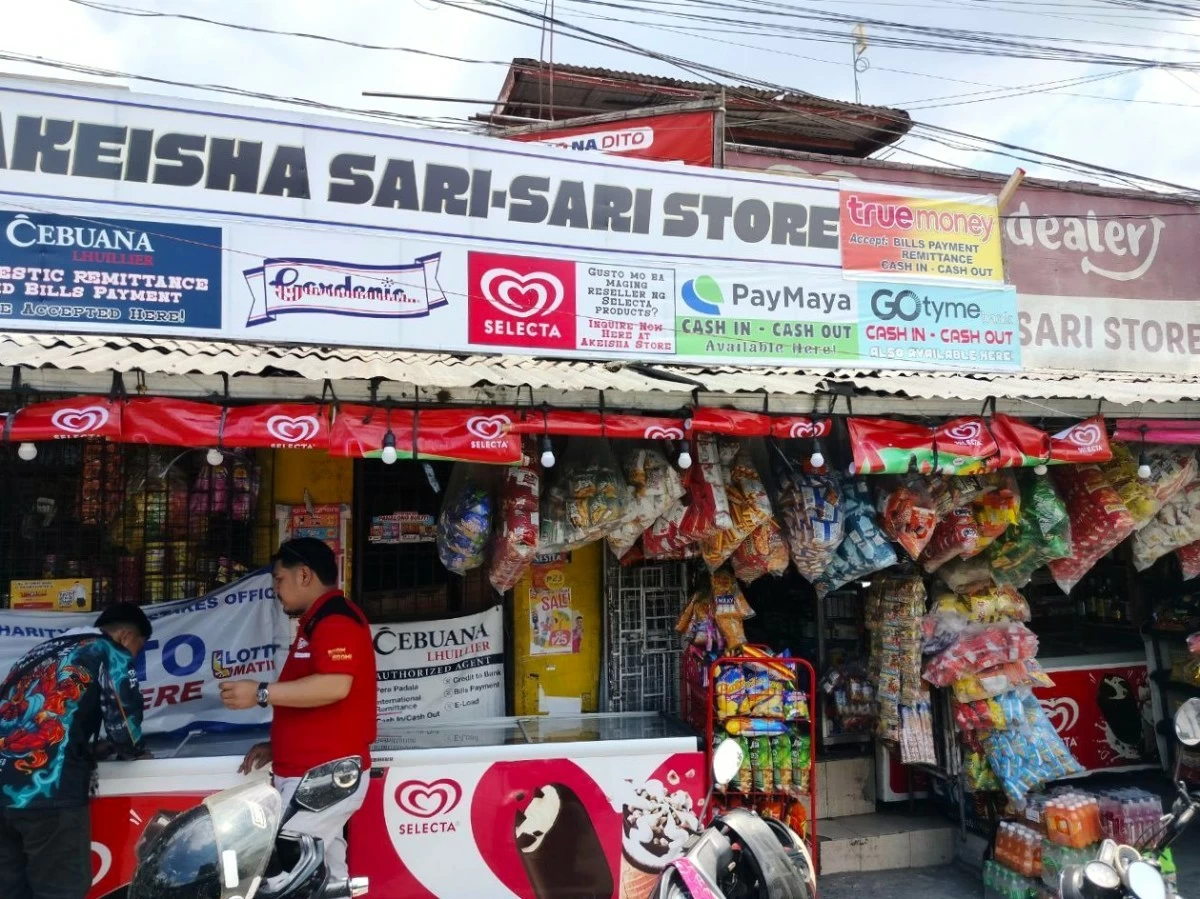
E-wallet use jumps 75 percent in sari-sari stores, fueling digital transformation - Packworks report.
Every Filipino neighborhood has a sari-sari store. Today, these humble shops are stepping into the digital age, with e-wallets transforming how they do business. It may seem like a simple upgrade, but it's a quiet move toward sustainability, one that supports long-term economic growth, social equity, and environmental care.
"Sari-sari," which means "variety," refers to small convenience stores that sell almost everything - from daily essentials like shampoo to snacks and canned goods. Deeply rooted in Filipino culture, these small enterprises often operate from homes. Because they use minimal energy, require no large infrastructure, and rely on local supply chains, they are inherently sustainable. They provide livelihood to many without the need for large capital or formal employment.
Now, these corner shops are going digital.
In a recent report by Packworks, a Filipino tech startup and B2B platform provider, sari-sari stores are rapidly digitizing their operations, and this is driven by a significant increase in e-wallet use. The report showed that half of the surveyed store owners saw a 75 percent increase in e-wallet use between January and August 2025.
This growth is largely fueled by strong consumer demand. According to the survey, 40 percent of sari-sari stores use e-wallets for in-store purchases, 30 percent for bill payments, and another 30 percent for cash-in and cash-out services. For many store owners, these digital tools are opening up new income streams, with 13 percent saying their earnings from e-wallets now match what they make from selling physical goods.
While e-wallets are not yet the main source of income for most stores, they're clearly becoming an important supplement. GCash remains the dominant platform, followed by Maya. About 30 percent of store owners are considering upgrading to business accounts to increase transaction limits and manage larger volumes.
The digital momentum is clear. Sari-sari store owners are not just adapting to stay afloat, they're evolving to thrive.
Why does this matter?
Once viewed simply as neighborhood convenience shops, sari-sari stores are now becoming micro service centers, thanks to technology. What was once a cash-only space is now a local gateway for digital payments.
While not directly, the digital shift among sari-sari stores lays the groundwork for more sustainable systems in local communities. The shift matters because it promotes financial inclusion, a key pillar of sustainability.
According to the Bangko Sentral ng Pilipinas (BSP), about 57 percent of retail transactions were cashless in 2024, reflecting a steady rise in digital payments. BSP emphasized that expanding financial access in underserved communities strengthens economic participation and helps reduce inequality.
E-wallet use also helps reduce paper waste, eliminating the need for printed receipts, logbooks, or paper bills. With transactions recorded digitally, fewer trips are needed for cash handling. This reduces the carbon footprint of the banking industry. It is a small but tangible reduction in waste and carbon footprint; proof that sustainability can grow from small but meaningful changes.
These changes remind us that sustainability does not always begin with large corporations or major policy shifts. It can start small, too --perhaps at a neighborhood sari-sari store.
Every digital transaction may seem ordinary, but together they represent a step toward a more inclusive, efficient, and sustainable way of doing business.