






Manila Bulletin
 Environment and Sustainability
The viral 'Guardians of Luzon' artwork is more than art — it's a warning from nature
Environment and Sustainability
The viral 'Guardians of Luzon' artwork is more than art — it's a warning from nature
Environment and Sustainability
The viral 'Guardians of Luzon' artwork is more than art — it's a warning from nature
The viral 'Guardians of Luzon' artwork is more than art — it's a warning from nature
Published Nov 10, 2025 04:36 pm


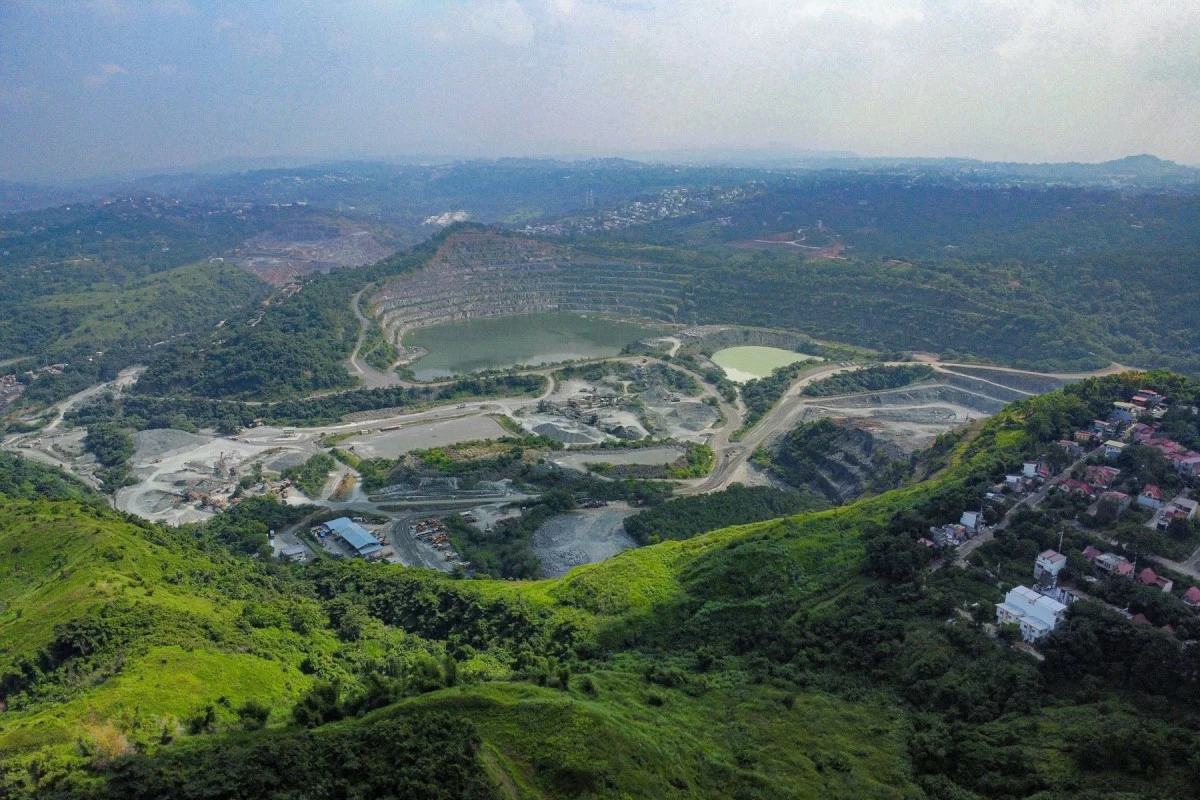
SIERRA MADRE FILE PHOTO — A view of the Sierra Madre mountain range in Barangay San Isidro, Angono, Rizal, taken on Aug. 5, 2025. (Santi San Juan)
On a quiet Sunday, while scrolling through my newsfeed and silently praying that Super Typhoon Uwan would lose strength as it neared Tagaytay, I came across a striking post shared by Turismo Central Luzon. It was a digital artwork titled “The Guardians of Luzon”—a majestic depiction of the Sierra Madre, the Cordilleras, and the Caraballo Range standing like sentinels, shielding the country from the approaching storm.
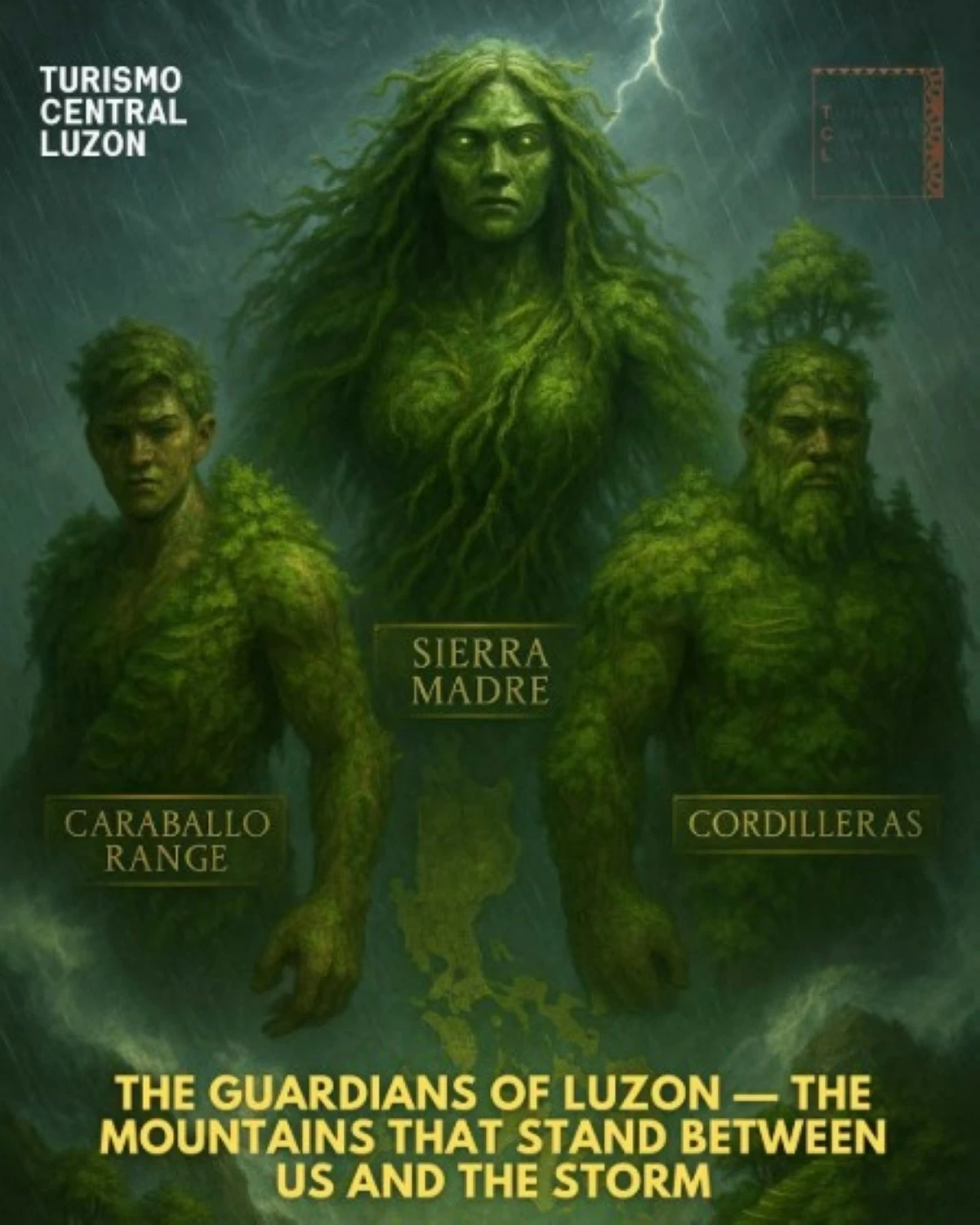
Photo uploaded and shared by Turismo Central Luzon Facebook page.
The caption read:
“LOOK: LUZON’S LIVING SHIELDS — THE MOUNTAINS THAT FIGHT THE STORMS FOR US
Sa bawat malakas na bagyo, may mga tahimik ngunit makapangyarihang tagapagsanggalang — ang Sierra Madre, Cordilleras, at Caraballo Range. Hindi sila umaatras. Hindi sila napapagod. Sila ang unang depensa ng Luzon.” (“With every powerful storm, there stand silent yet formidable protectors — the Sierra Madre, the Cordilleras, and the Caraballo Range. They do not retreat. They do not tire. They are Luzon’s first line of defense.”)
Read the full caption here.
At first glance, it looked like a simple tribute to our mountain ranges. But in that moment, as the wind picked up and the skies began to darken, the image felt heavier—like a reminder from nature itself of who our real protectors are, and how fragile their strength has become.
Every year, the Philippines braces for what we call “typhoon season.” But lately, it feels less like a season and more like a cycle of reckoning. The storms are growing stronger, the rains heavier, and the line between natural and man-made disasters is becoming harder to distinguish.
The Guardians of Luzon artwork couldn’t have surfaced at a better time. These mountain ranges, personified as our silent protectors, are a poetic reminder of how deeply our survival depends on nature’s balance. But beyond the poetry lies a truth we can no longer ignore: when our guardians grow weak, so do we.
After Typhoon Kalmaegi (Tino) battered the Visayas, leaving Cebu and Negros in distress, Super Typhoon Uwan followed close behind, spreading its reach across the country like a moving wall of wind and water. Two powerful storms, just weeks apart. For some, it’s another news cycle; for others, another home lost, another life uprooted.
When mountains fall, who will hold the line?
The Philippines faces over twenty typhoons each year, but lately, each one feels stronger, stranger, and harder to recover from. Every year, as our mountains grow balder and our forests thinner, the storms seem to grow angrier too. It’s a pattern that feels less like coincidence—and more like a consequence.
The Sierra Madre, long hailed as our “storm shield,” takes the first blow of every typhoon from the Pacific. The Cordilleras and Caraballo Range complete this natural fortress. Yet, with each tree cut down, each hillside cleared for profit, and each policy bent in the name of “progress,” their defense weakens. And so, the storms we once endured now leave deeper scars.
Perhaps this is nature’s way of speaking. Each flood, each landslide, each gust of wind feels like a reminder—a message we continue to dismiss. It’s as if the earth itself is saying: enough.
We often praise our resilience, but perhaps we’ve mistaken resilience for endurance. We rebuild year after year, but do we ever truly restore? Or do we simply wait for the next storm to test us again?
Because the truth is, nature doesn’t seek revenge—it responds. Every misused fund, every felled forest, every policy compromised for convenience comes back as a price we all pay. These floods, these broken bridges, these buried homes—they are not random acts of God, but consequences of human neglect.
We can no longer afford to shrug off corruption as politics-as-usual. Each act of greed, each project done carelessly, each unguarded decision—these ripple outward until they reach the sea. And when the next typhoon strikes, the cost is not measured in pesos, but in lives.
Yet amid this sobering truth, hope still exists. Awareness, after all, is the first form of accountability. To protect our mountains is to protect our people. To restore our forests is to reclaim our defense. And to demand honesty in governance is to give our future generations a fighting chance against storms yet to come.
The Guardians of Luzon may be mountains, but they are also mirrors—reflecting who we are as a nation. If they stand strong, it’s because we’ve learned to care. If they crumble, it’s because we’ve forgotten how.
These mountains guard us from the storm, but who guards them? And maybe, just maybe, when the skies darken again, our guardians will know they’re not standing alone.