

ADVERTISEMENT

Sierra Madre's silent cry

Deforestation raises flood risks, sparks calls for accountability

Published Sep 27, 2025 07:51 am
When I embarked on the journey of Refill n Beyond, I envisioned it as a modest endeavor — encouraging the use of reusable water bottles and eco-friendly bags to refill staple household products.  Little did I know that this small step would lead me to confront a larger, more pressing issue: the erosion of Sierra Madre, the Philippines' natural shield against typhoons.
Stretching over 500 kilometers along the eastern coast of Luzon, Sierra Madre is the longest mountain range in the country. It serves as a critical buffer, absorbing the force of storms and protecting communities in Metro Manila and the surrounding provinces. Its forests filter water, stabilize soil, and provide habitats for countless species. In short, it is not only a natural wonder but also a life-saving infrastructure.
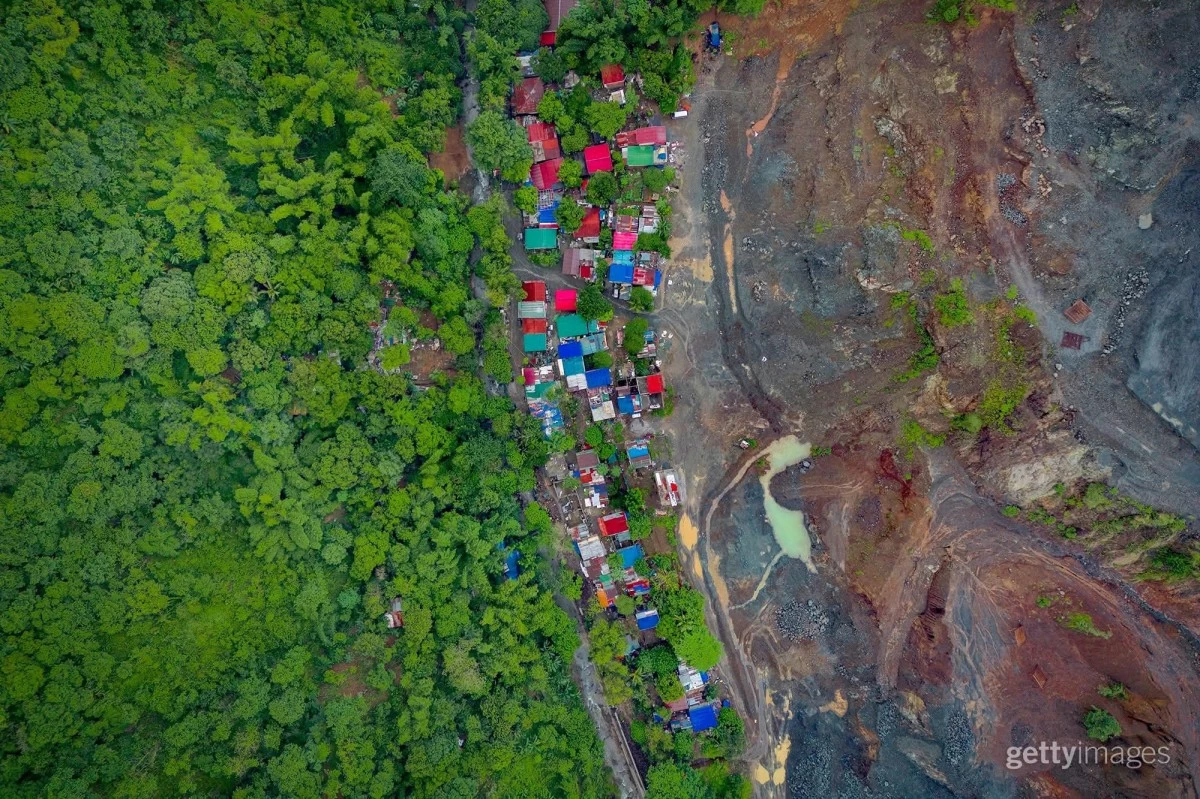
Aerial image of Sierra Madre. Image by Ezra Acayan
However, recent aerial images of Rodriguez, Rizal, reveal a disturbing sight: vast stretches of the mountain range stripped bare due to extensive quarry operations. One poignant caption accompanying these images read, “Patawad, Sierra Madre” (Forgive us, Sierra Madre). The denudation is visible even from above, a stark reminder of what human activity can do to nature.
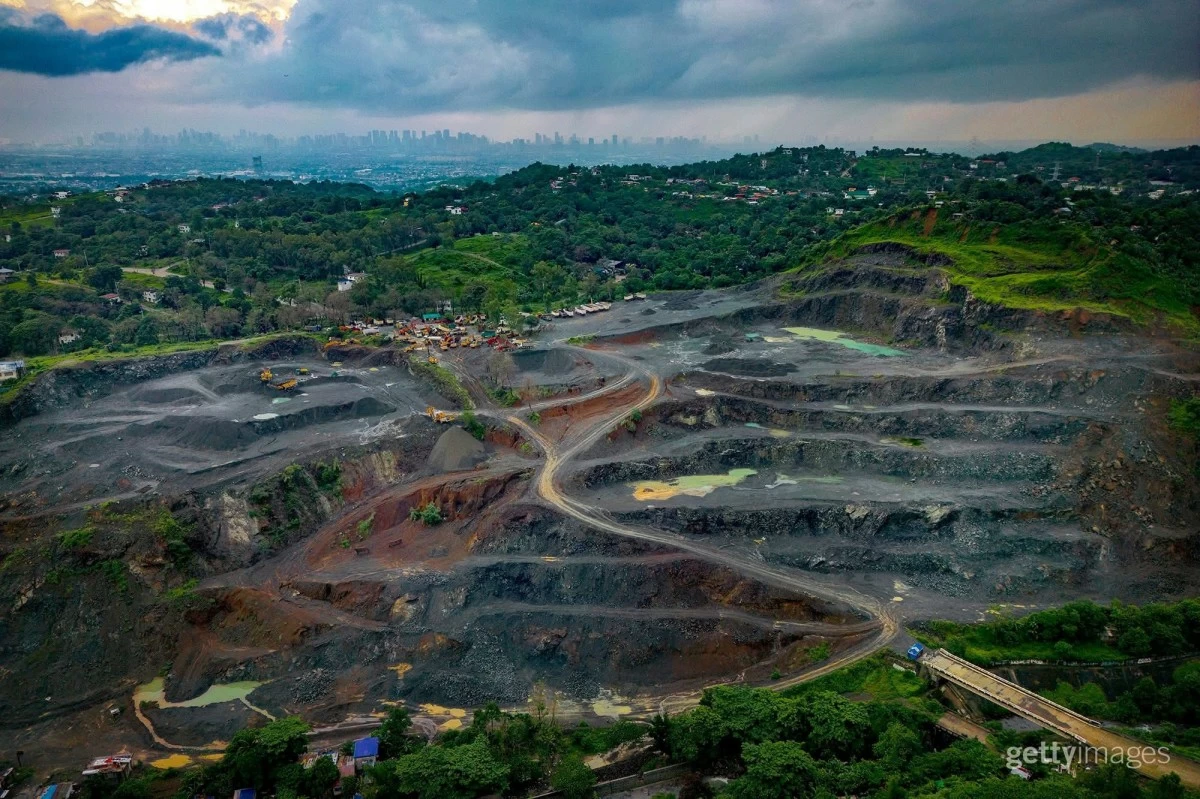
Aerial image of Sierra Madre. Image by Ezra Acayan
Earlier this year, I had the opportunity to join Haribon Foundation and Manulife in planting mangroves in Quezon. While there, I saw with my own eyes portions of Sierra Madre that were already bald. The experience was eye-opening. I witnessed how NGOs, private partnerships, and community action can actively restore ecosystems. I also learned that building a livable Earth for the next generation requires both personal commitment and systemic action.
READ: Mangroves, Livelihood, and Purpose
This deforestation is not merely an environmental concern; it’s a matter of public safety. In 2023, the Philippines experienced significant flooding events, displacing over 30,000 individuals and claiming 97 lives. While typhoons and heavy rainfall are natural factors, human activity—particularly deforestation, illegal logging, and unregulated mining—has exacerbated the risk.
Some cities have demonstrated that it is possible to protect communities through proactive flood control. Marikina, for instance, has implemented a comprehensive 15-year flood control plan including river widening, dredging, and interceptor channels, reducing flood impact even during heavy rains. President Ferdinand Marcos Jr. has praised Marikina’s approach as “sustainable, scientific, and data-driven.”.
Yet, not all efforts have been as effective. The recent “Trillion Peso March” protests highlighted public outrage over alleged corruption in flood mitigation projects. Greenpeace estimates that over $17 billion intended for disaster relief and flood control was misappropriated in 2023. These revelations underscore the need for accountability not only among contractors but also among government officials who permit destructive activities such as mining and logging.
The story of Sierra Madre is, at its heart, a story about balance. Economic growth and livelihood opportunities are necessary—but they must not come at the expense of public safety and environmental integrity. Protecting Sierra Madre is not only an ecological issue; it is a societal imperative.
As individuals, we can make a difference through small, consistent actions: holding officials accountable, refilling bottles, reducing single-use plastics, supporting reforestation efforts, and advocating for sustainable development. Yet, these efforts alone are not enough. True change demands systemic reform, transparent governance, and the courage to hold all responsible parties accountable—from illegal operators to the officials who enable destructive practices.
Sierra Madre’s silent cry is a call to action. It reminds us that environmental protection is not just a niche concern; it is central to our collective survival. Its forests shield us from storms, its rivers sustain communities, and its existence represents the delicate balance between nature and society. By recognizing our interconnectedness, we can work toward restoring these natural shields and ensuring a safer, more livable Philippines for generations to come.
------------
 Refill n Beyond
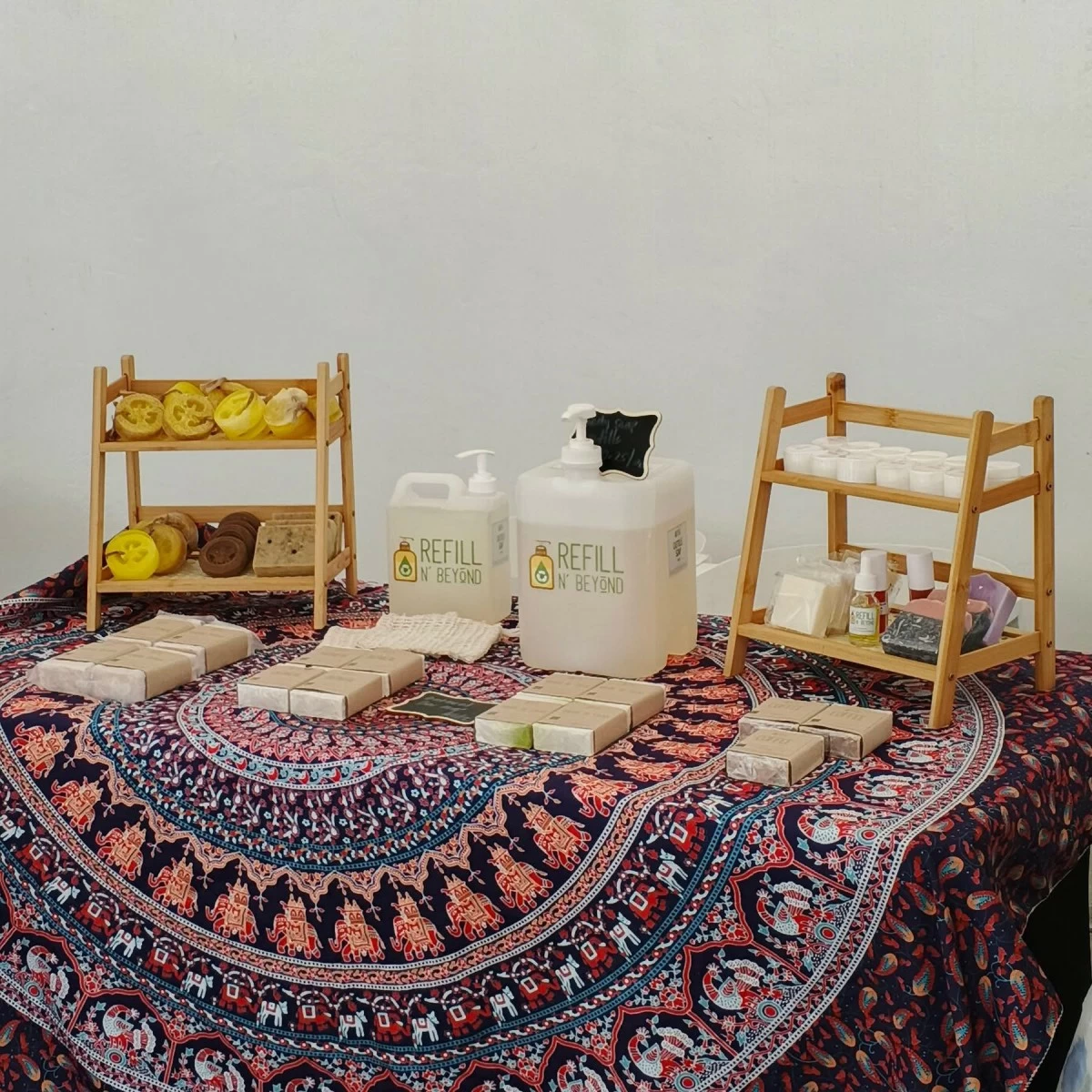
What’s inside matters. But so does what’s not—no single-use plastics, just refills that go beyond. They curate elegant pop-up events for you and your community. (Photo by Poleng Peji)
ADVERTISEMENT
.most-popular .layout-ratio{ padding-bottom: 79.13%; } @media (min-width: 768px) and (max-width: 1024px) { .widget-title { font-size: 15px !important; } }

{{ articles_filter_1561_widget.title }}

.most-popular .layout-ratio{ padding-bottom: 79.13%; } @media (min-width: 768px) and (max-width: 1024px) { .widget-title { font-size: 15px !important; } }

{{ articles_filter_1562_widget.title }}

.most-popular .layout-ratio{ padding-bottom: 79.13%; } @media (min-width: 768px) and (max-width: 1024px) { .widget-title { font-size: 15px !important; } }

{{ articles_filter_1563_widget.title }}

{{ articles_filter_1564_widget.title }}

.mb-article-details { position: relative; } .mb-article-details .article-body-preview, .mb-article-details .article-body-summary{ font-size: 17px; line-height: 30px; font-family: "Libre Caslon Text", serif; color: #000; } .mb-article-details .article-body-preview iframe , .mb-article-details .article-body-summary iframe{ width: 100%; margin: auto; } .read-more-background { background: linear-gradient(180deg, color(display-p3 1.000 1.000 1.000 / 0) 13.75%, color(display-p3 1.000 1.000 1.000 / 0.8) 30.79%, color(display-p3 1.000 1.000 1.000) 72.5%); position: absolute; height: 200px; width: 100%; bottom: 0; display: flex; justify-content: center; align-items: center; padding: 0; } .read-more-background a{ color: #000; } .read-more-btn { padding: 17px 45px; font-family: Inter; font-weight: 700; font-size: 18px; line-height: 16px; text-align: center; vertical-align: middle; border: 1px solid black; background-color: white; } .hidden { display: none; }
function initializeAllSwipers() { // Get all hidden inputs with cms_article_id document.querySelectorAll('[id^="cms_article_id_"]').forEach(function (input) { const cmsArticleId = input.value; const articleSelector = '#article-' + cmsArticleId + ' .body_images'; const swiperElement = document.querySelector(articleSelector); if (swiperElement && !swiperElement.classList.contains('swiper-initialized')) { new Swiper(articleSelector, { loop: true, pagination: false, navigation: { nextEl: '#article-' + cmsArticleId + ' .swiper-button-next', prevEl: '#article-' + cmsArticleId + ' .swiper-button-prev', }, }); } }); } setTimeout(initializeAllSwipers, 3000); const intersectionObserver = new IntersectionObserver( (entries) => { entries.forEach((entry) => { if (entry.isIntersecting) { const newUrl = entry.target.getAttribute("data-url"); if (newUrl) { history.pushState(null, null, newUrl); let article = entry.target; // Extract metadata const author = article.querySelector('.author-section').textContent.replace('By', '').trim(); const section = article.querySelector('.section-info ').textContent.replace(' ', ' '); const title = article.querySelector('.article-title h1').textContent; // Parse URL for Chartbeat path format const parsedUrl = new URL(newUrl, window.location.origin); const cleanUrl = parsedUrl.host + parsedUrl.pathname; // Update Chartbeat configuration if (typeof window._sf_async_config !== 'undefined') { window._sf_async_config.path = cleanUrl; window._sf_async_config.sections = section; window._sf_async_config.authors = author; } // Track virtual page view with Chartbeat if (typeof pSUPERFLY !== 'undefined' && typeof pSUPERFLY.virtualPage === 'function') { try { pSUPERFLY.virtualPage({ path: cleanUrl, title: title, sections: section, authors: author }); } catch (error) { console.error('ping error', error); } } // Optional: Update document title if (title && title !== document.title) { document.title = title; } } } }); }, { threshold: 0.1 } ); function showArticleBody(button) { const article = button.closest("article"); const summary = article.querySelector(".article-body-summary"); const body = article.querySelector(".article-body-preview"); const readMoreSection = article.querySelector(".read-more-background"); // Hide summary and read-more section summary.style.display = "none"; readMoreSection.style.display = "none"; // Show the full article body body.classList.remove("hidden"); } document.addEventListener("DOMContentLoaded", () => { let loadCount = 0; // Track how many times articles are loaded const offset = [1, 2, 3, 4, 5, 6, 7, 8, 9, 10]; // Offset values const currentUrl = window.location.pathname.substring(1); let isLoading = false; // Prevent multiple calls if (!currentUrl) { console.log("Current URL is invalid."); return; } const sentinel = document.getElementById("load-more-sentinel"); if (!sentinel) { console.log("Sentinel element not found."); return; } function isSentinelVisible() { const rect = sentinel.getBoundingClientRect(); return ( rect.top < window.innerHeight && rect.bottom >= 0 ); } function onScroll() { if (isLoading) return; if (isSentinelVisible()) { if (loadCount >= offset.length) { console.log("Maximum load attempts reached."); window.removeEventListener("scroll", onScroll); return; } isLoading = true; const currentOffset = offset[loadCount]; window.loadMoreItems().then(() => { let article = document.querySelector('#widget_1690 > div:nth-last-of-type(2) article'); intersectionObserver.observe(article) loadCount++; }).catch(error => { console.error("Error loading more items:", error); }).finally(() => { isLoading = false; }); } } window.addEventListener("scroll", onScroll); });

Sign up by email to receive news.