






Manila Bulletin
 Philippines
National
DepEd to lead P38.26-B learning recovery, decentralization program backed by World Bank
Philippines
National
DepEd to lead P38.26-B learning recovery, decentralization program backed by World Bank
Philippines
National
DepEd to lead P38.26-B learning recovery, decentralization program backed by World Bank
DepEd to lead P38.26-B learning recovery, decentralization program backed by World Bank
Published Nov 5, 2025 02:56 pm


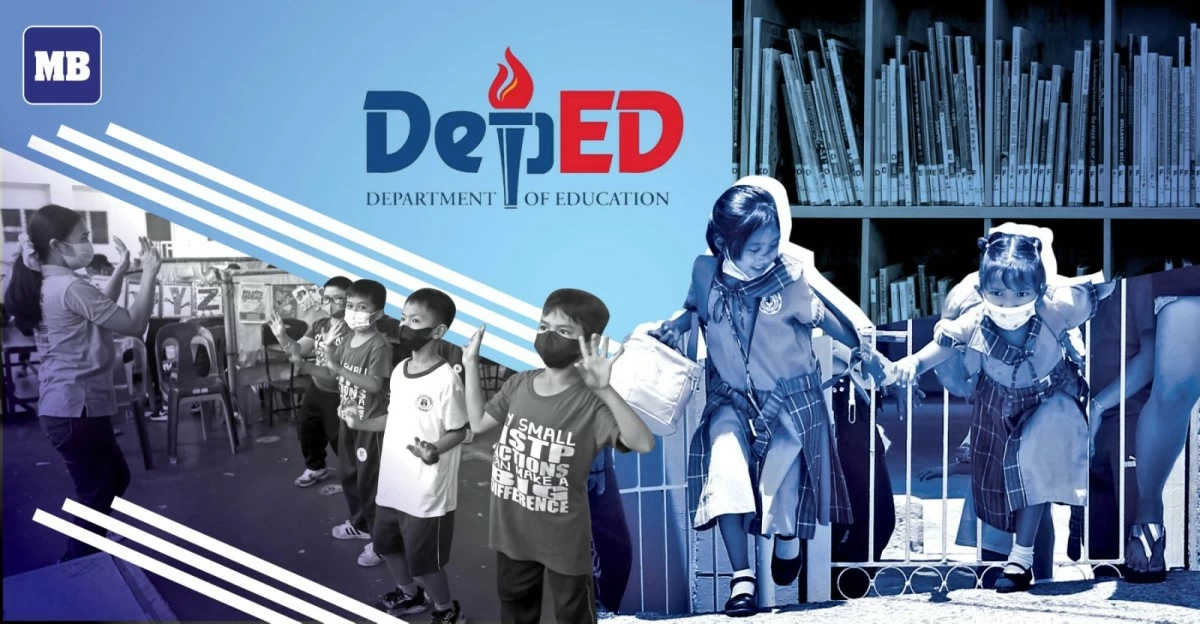
DepEd announced that President Marcos Jr. has approved the P38.26-billion PLUS-D initiative with the World Bank to accelerate learning recovery and empower schools through decentralized reforms. (DepEd / MB Visual Content Group)
The Department of Education (DepEd) on Wednesday, November 5, announced that it will spearhead a major nationwide reform to accelerate learning recovery and empower local schools, following President Ferdinand R. Marcos Jr.’s approval of the Project for Learning Upgrade Support and Decentralization (PLUS-D) as chair of the Economic Development (ED) Council.
The P38.26-billion initiative — composed of a P34.79-billion (USD 600 million) World Bank loan and a P3.47-billion (USD 60 million) counterpart from the Philippine government — aims to address post-pandemic learning losses and strengthen decentralization in education governance.
Managed by DepEd, PLUS-D will channel resources, technical assistance, and decision-making power directly to regional offices and schools to accelerate improvements in teaching and learning, particularly in the early grades and junior high school.
Over 21.2 million K–10 learners are expected to benefit from the program’s nationwide and targeted interventions.
DepEd Secretary Sonny Angara described the project as a “major shift” toward empowering those closest to the learners to develop solutions that work best in their own communities.
“Alam nating hindi kailangan na pare-pareho ang solusyon sa paglutas ng learning gap sa bawat silid-aralan (We know that the solution to addressing the learning gap doesn’t have to be the same for every classroom),” Angara said in a statement.
“With PLUS-D, schools with the capacity and readiness can move faster, innovate more, and be held accountable for real results for learners. We need to trust those closest to the children,” he added.
PLUS-D will support system-level reforms, including a nationwide learning acceleration program for Kindergarten to Grade 6 — complementing the ongoing Academic Recovery and Accessible Learning (ARAL) Program.
It will also provide grants to regional offices and schools to fund targeted interventions for teacher upskilling, inclusive education, and localized learning improvements.
DepEd noted that a performance-based accountability system will also be introduced, in which schools that significantly improve student learning outcomes can receive additional funding and public recognition.
In support of DepEd’s digital transformation thrust, the project will expand the number of teachers provided with laptops — supplementing the ongoing DepEd Computerization Program.
Initial implementation will begin in selected regions, based on readiness indicators such as planning capacity, financial management, and school governance systems.
“This approval sends a clear message that education reform will no longer be centrally controlled and painfully slow,” Angara said. “Our mission is to let local leadership thrive and let Filipino learners recover and rise,” he added.