







Why the Kia EV5 may be the right EV at the right time for the Philippines
A more accessible EV SUV
Published Oct 22, 2025 04:55 pm


At A Glance
- Kia expands its EV portfolio with the EV5, a more attainable compact electric SUV slotted below the EV6
- First impressions from Seoul show a balance of practicality, design, and real-world usability
- The EV5 previews at the 13th Philippine Electric Vehicle Summit from October 23 to 25
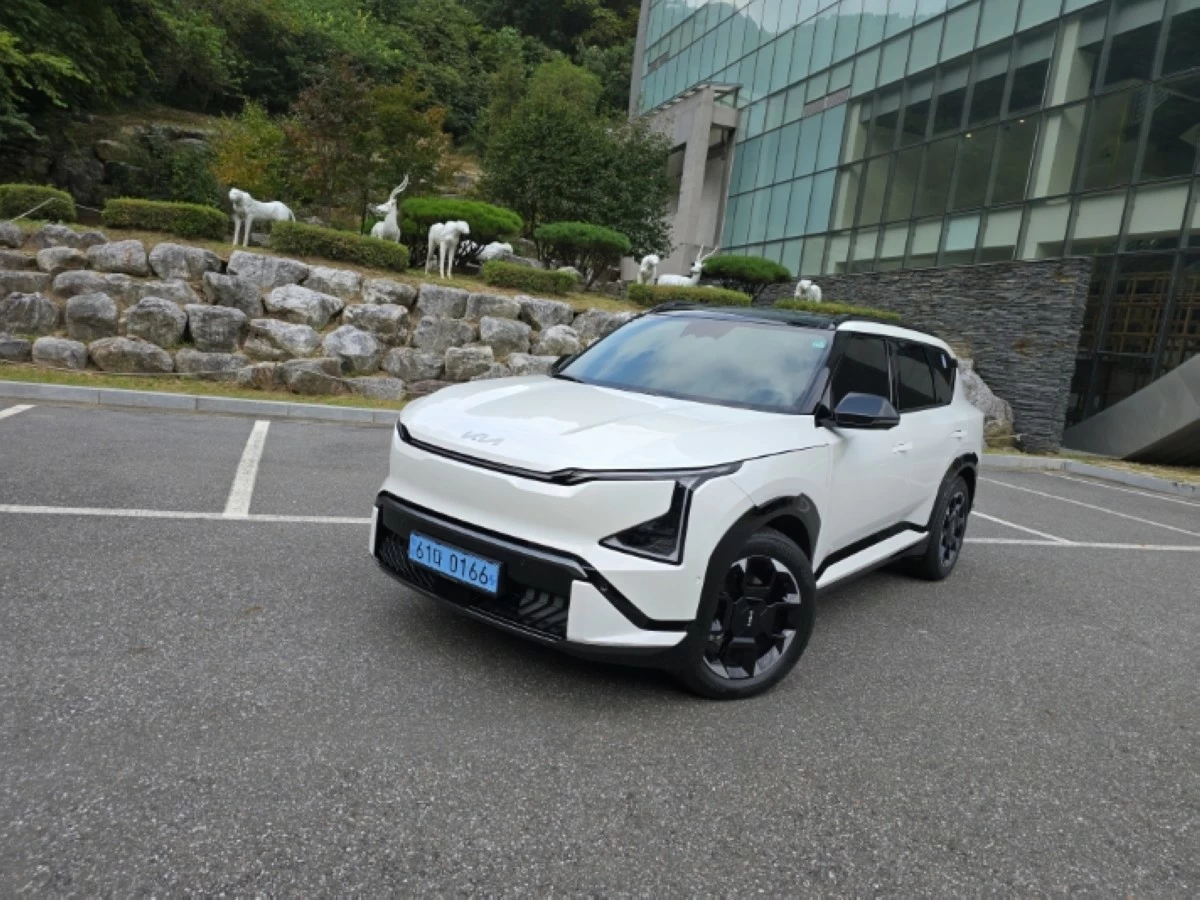
Kia Philippines has been steadily growing its electric vehicle portfolio, led by the EV6 and EV9, the brand’s three-row electric SUV. However, both models sit at the higher end of the market. What the local lineup has been missing is a more attainable, family-oriented option that can bridge the gap between mainstream and premium electric mobility. That’s where the EV5 comes in.
Through the generosity of our host, AC Mobility, I joined Kia’s international media drive in Seoul earlier this month, where the company allowed us to drive the all-new PV5 modular van and the EV5, a compact electric SUV designed to make its global EV strategy more accessible. The Philippines had already seen a preview of the EV5 more than a year ago when Kia Philippines mentioned it as one of the models coming to our shores, but that news had since faded until this trip. Now having driven it in Korea, I have realized exactly why this EV could be the most relevant model in Kia Philippines' electric lineup.
Designed for global markets
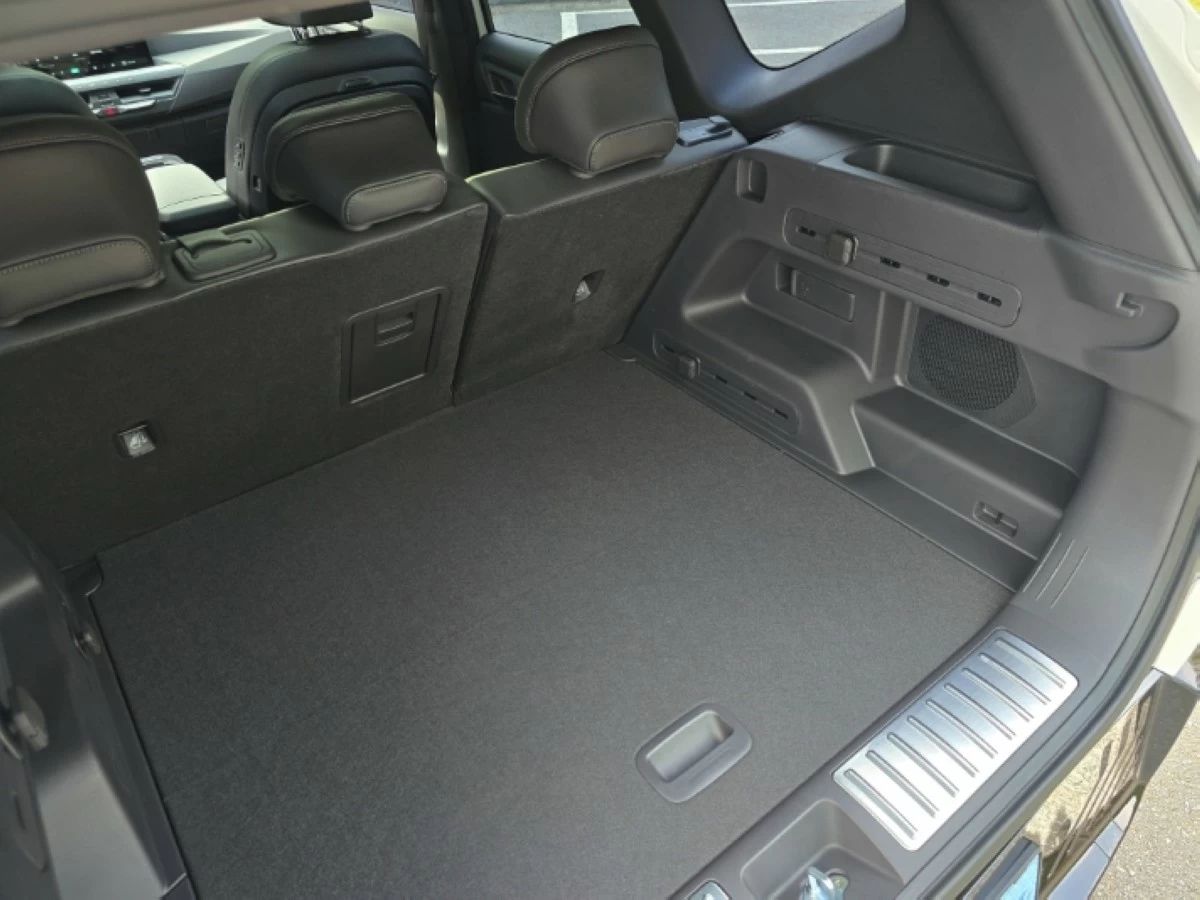
The EV5’s proportions and dimensions immediately stood out as well-balanced. At 4,610 mm long, 1,875 mm wide, and 1,675 mm tall, it sits between the Seltos and Sportage but offers noticeably better interior space. The wheelbase measures 2,750 mm, while ground clearance is rated at 176 mm. Cargo space is 566 liters of usable volume behind the second row, expandable to 1,650 liters with the rear seats folded. A 44.4-liter frunk adds to its practicality.
During the technical briefing, Kia’s planners explained that these gains came from efficient packaging rather than overall size increases. Short overhangs and a raised seating position provided excellent visibility, which I appreciated later when navigating Seoul’s traffic and provincial roads. The driving position felt natural and ergonomic, ideal for long drives.
Powertrain and performance
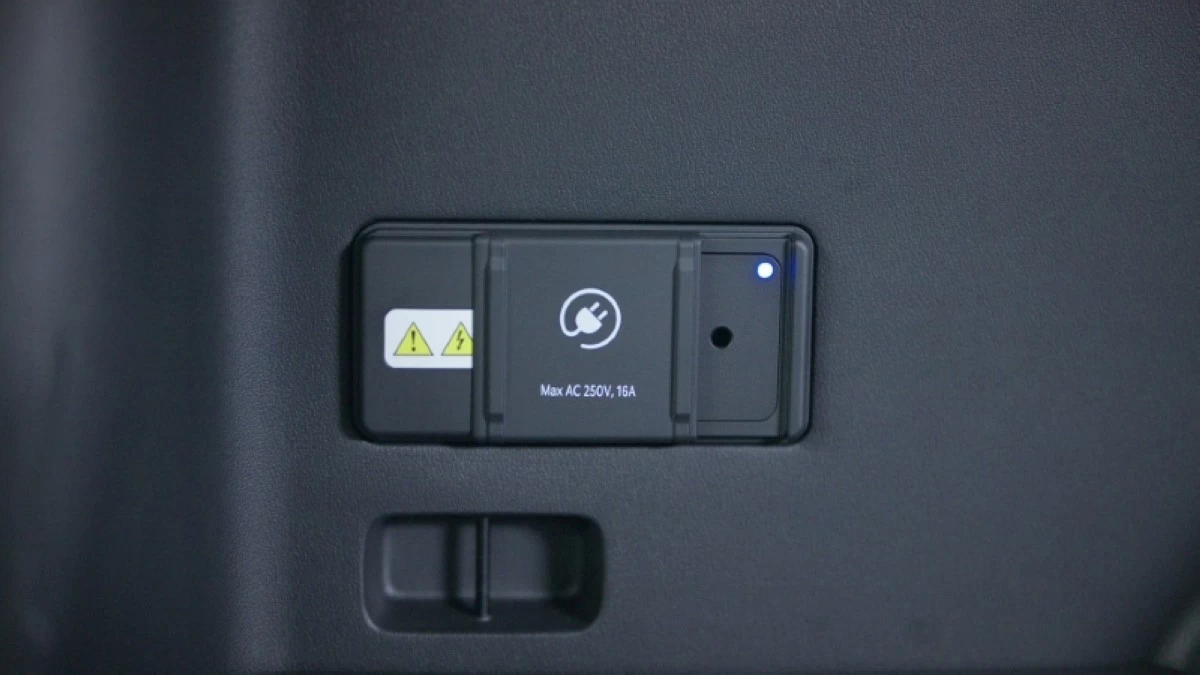
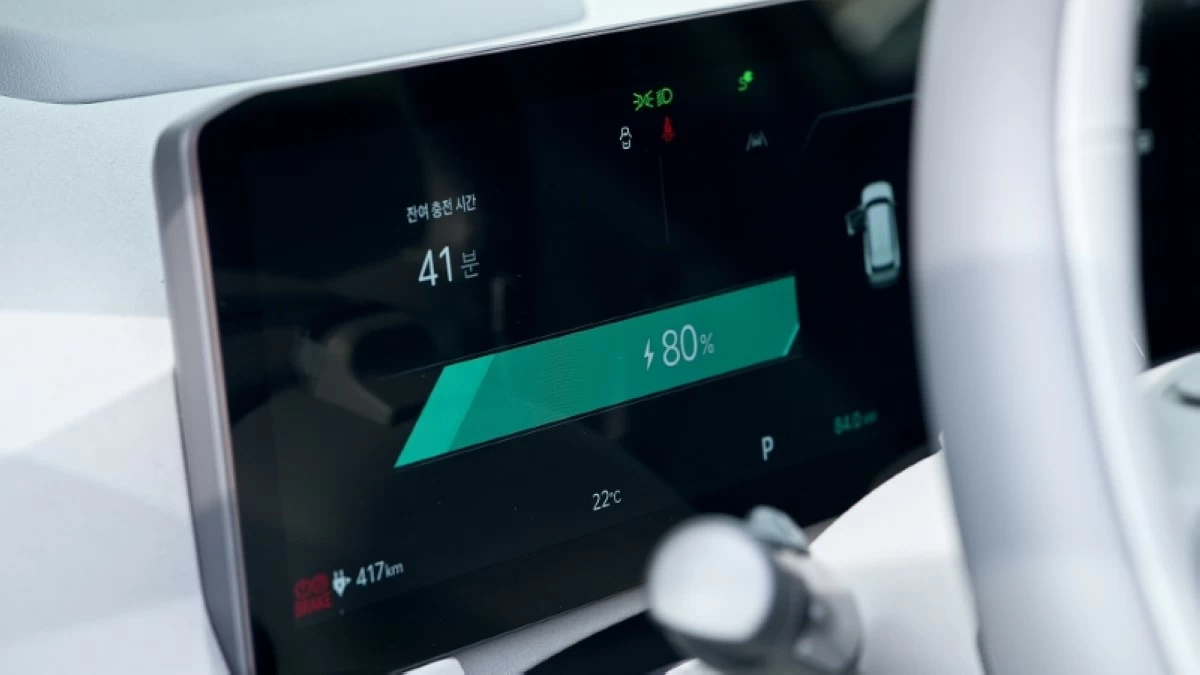
The model we drove was the Earth and GT-Line long-range 2WD variants, both equipped with an 81.4-kWh battery. Power output stands at 160-kW, equivalent to 217-PS, and 295-Nm of torque. Kia claims a WLTP range of up to 530-km for the Earth trim on 18-inch wheels and 505-km for the GT-Line on 19-inch wheels. Acceleration from 0 to 100 km/h is rated at 8.4-seconds.
The EV5 supports 11-kW AC and up to 150-kW DC fast charging, allowing a 10- to 80-percent charge in about 30 minutes. Unlike the larger EV6 and EV9 that use an 800-volt architecture, the EV5 operates on a 400-volt system, making it more compatible with the majority of public DC chargers currently being installed in the Philippines. It also comes standard with vehicle-to-load (V2L) capability, allowing it to power small appliances or charge other devices.
Cabin experience and features
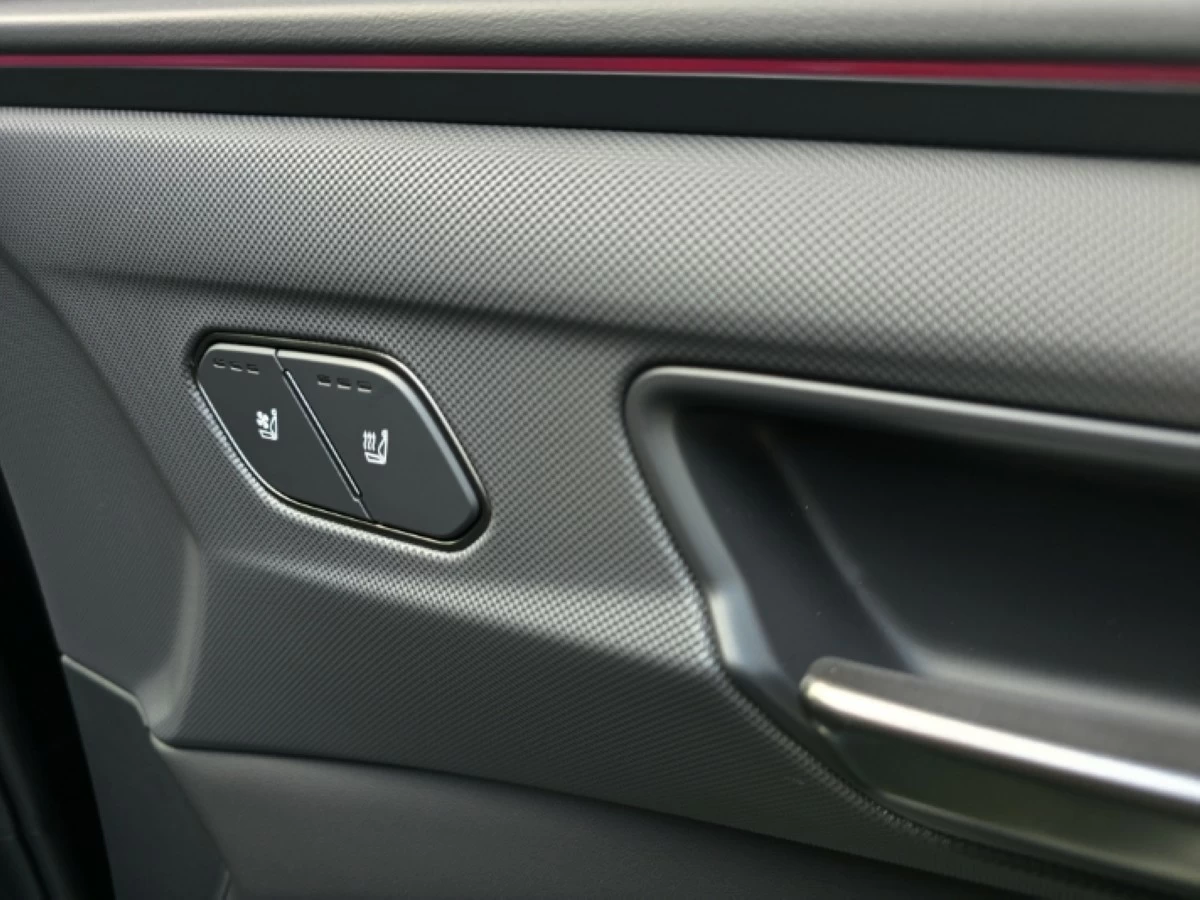
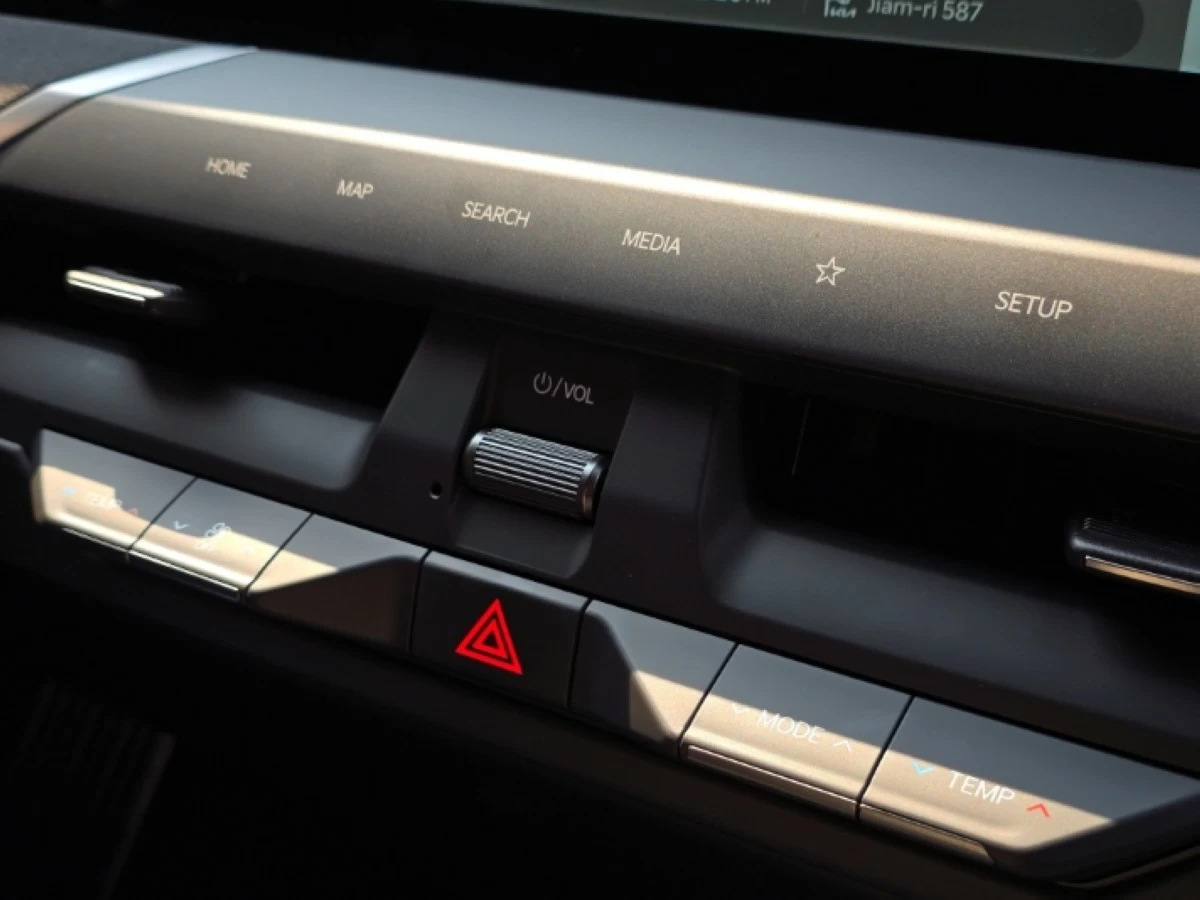
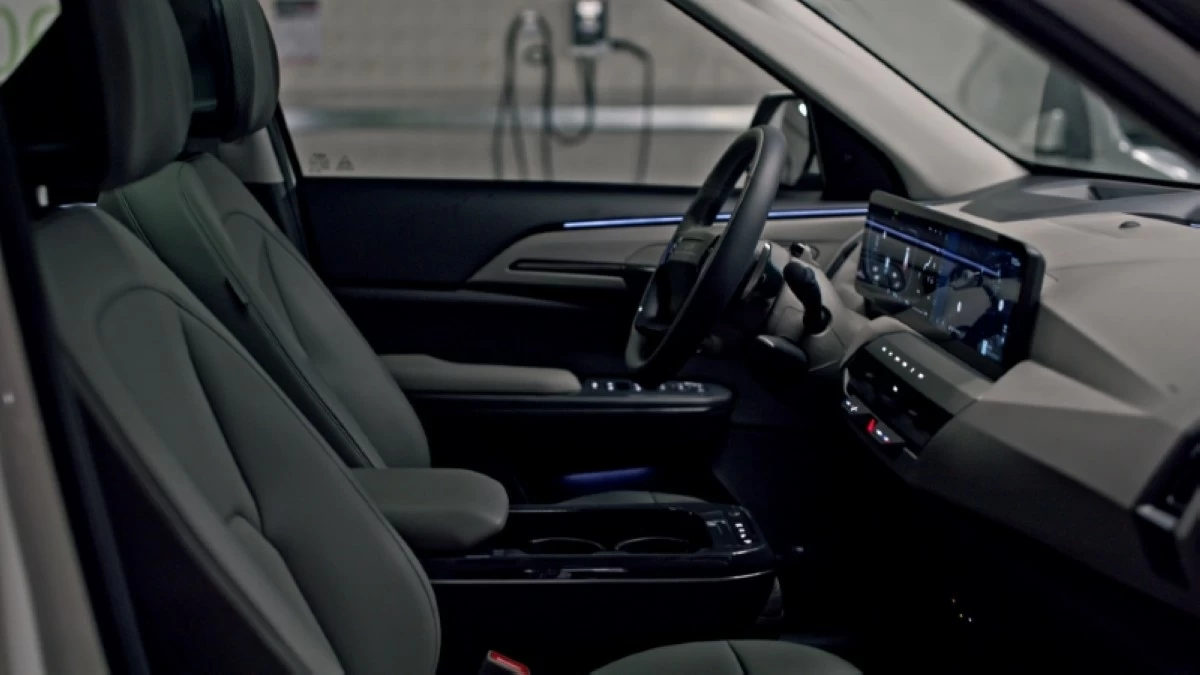
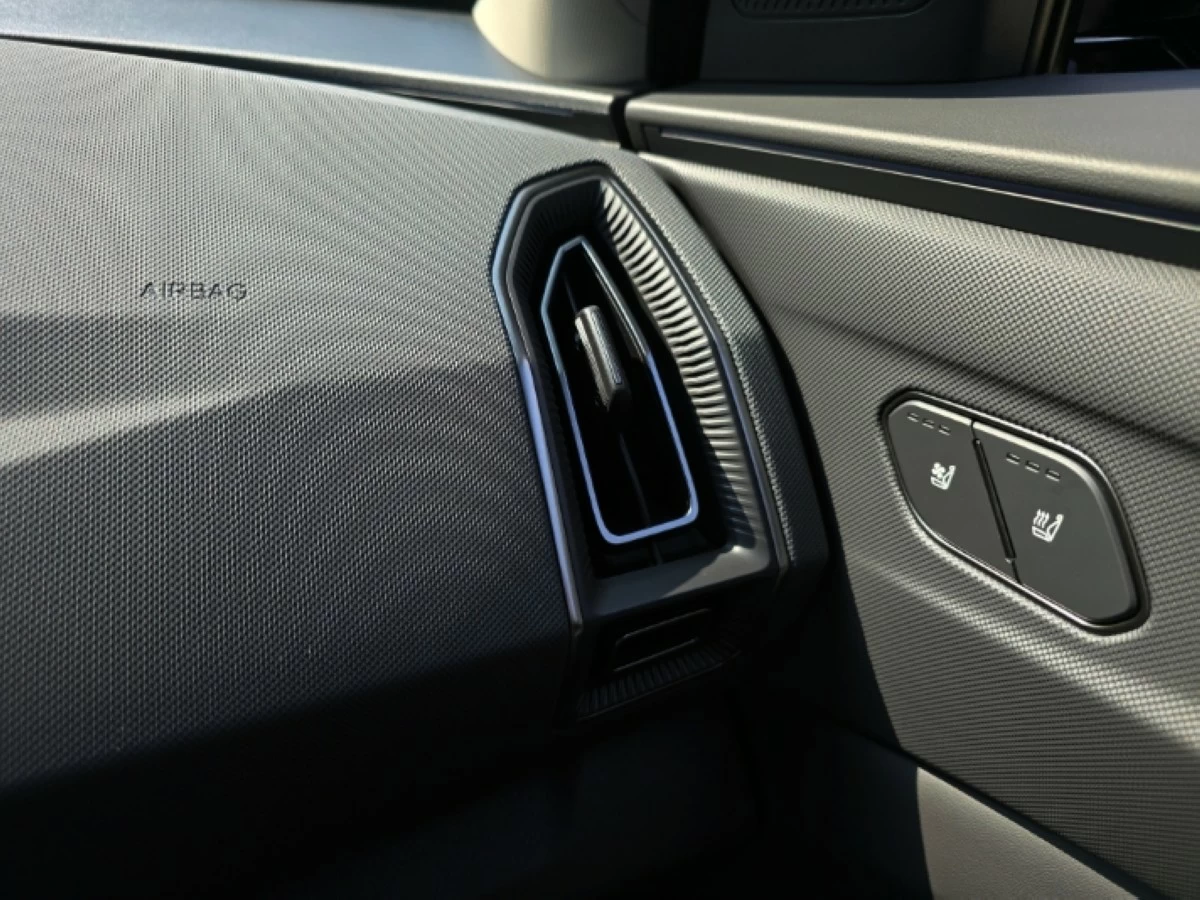
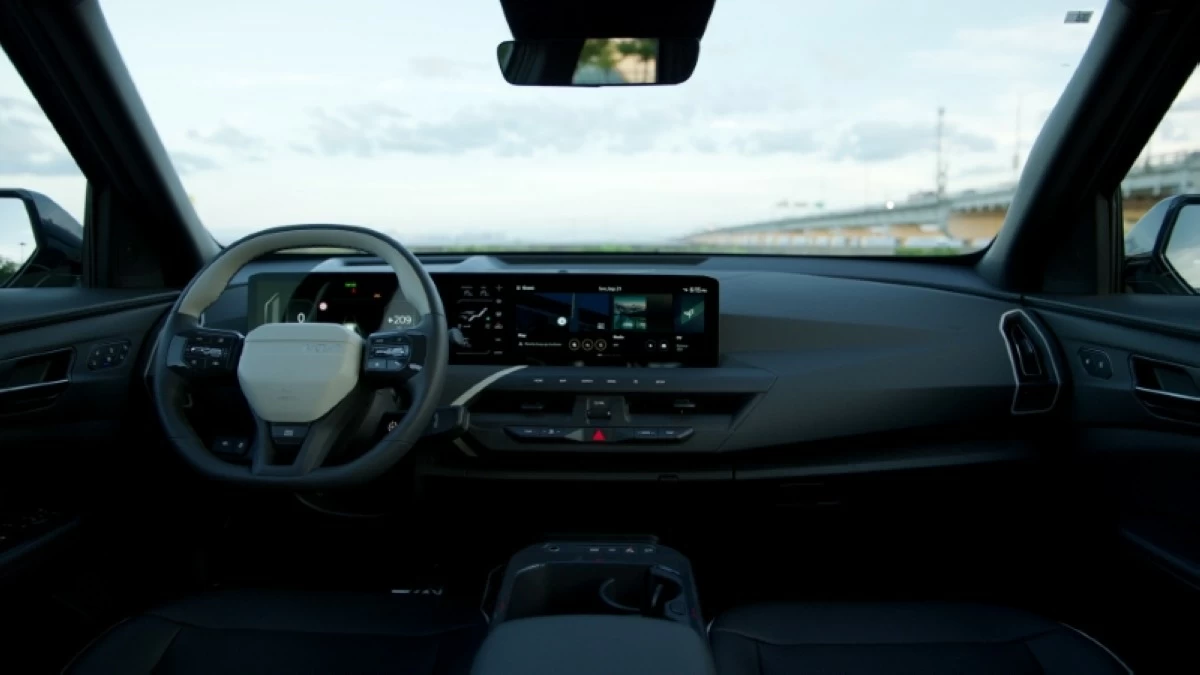
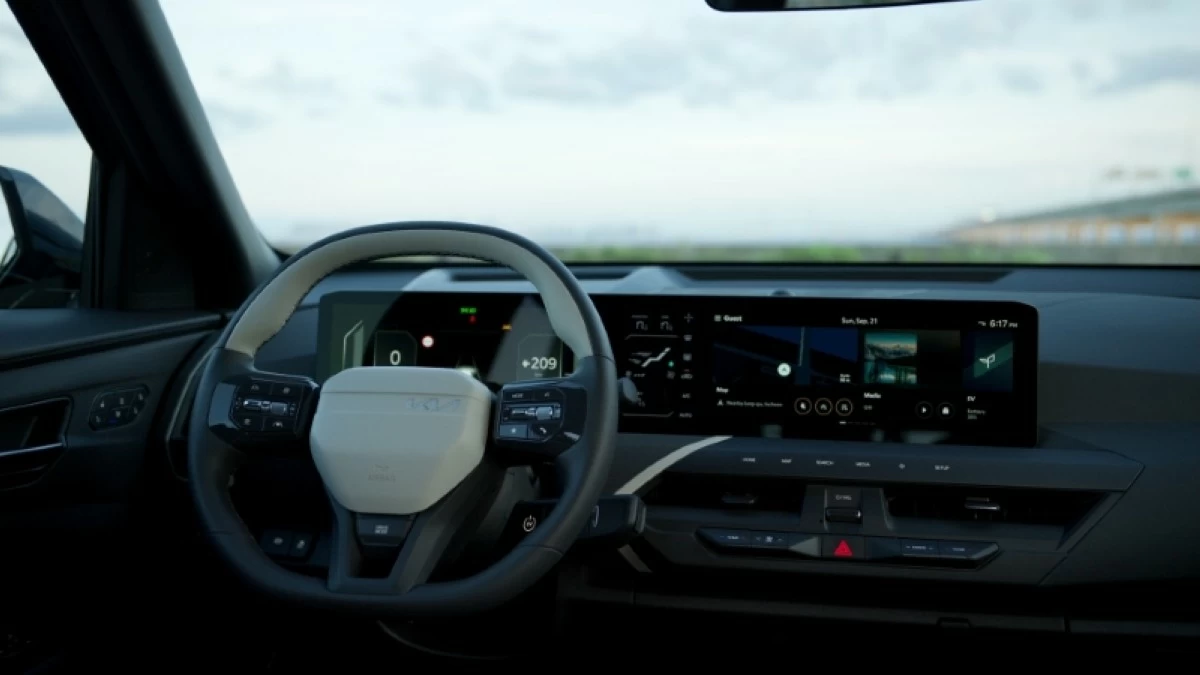
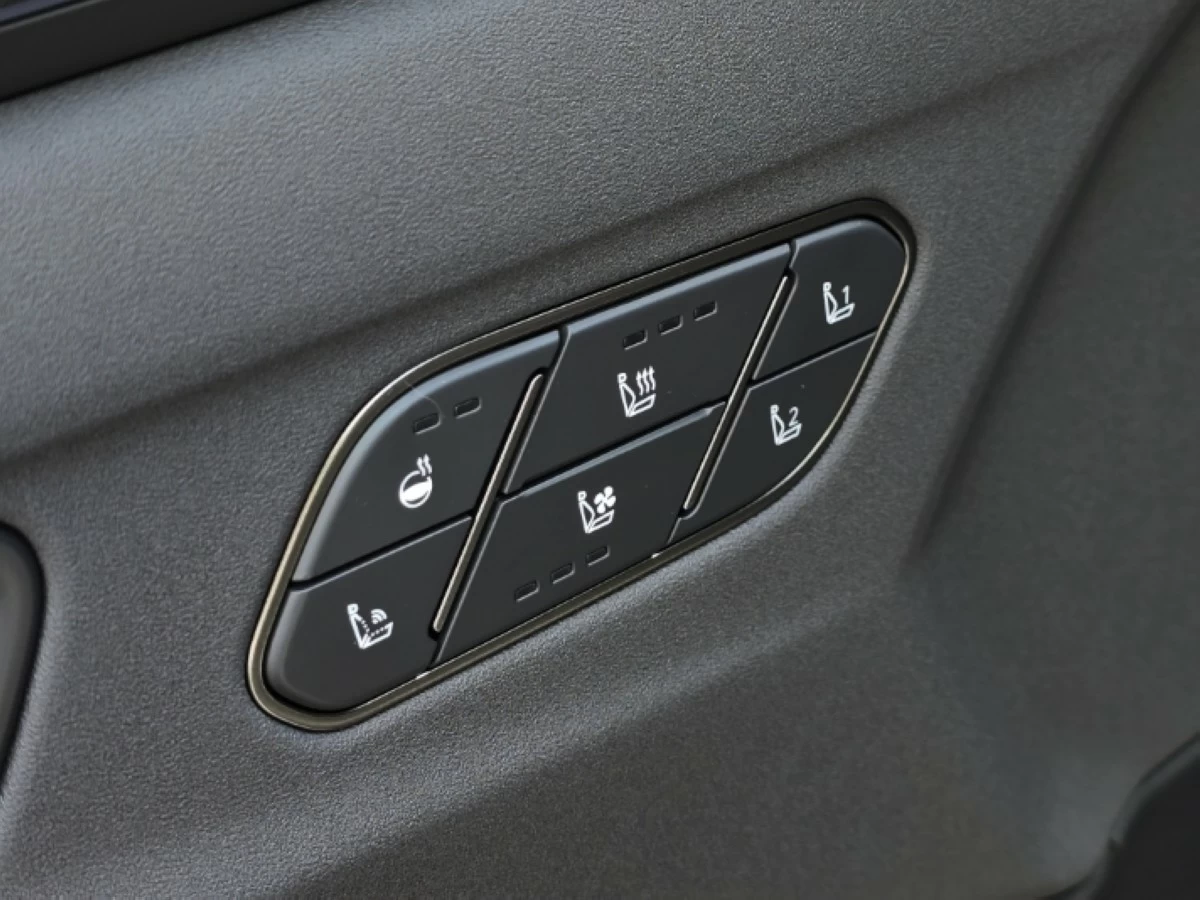
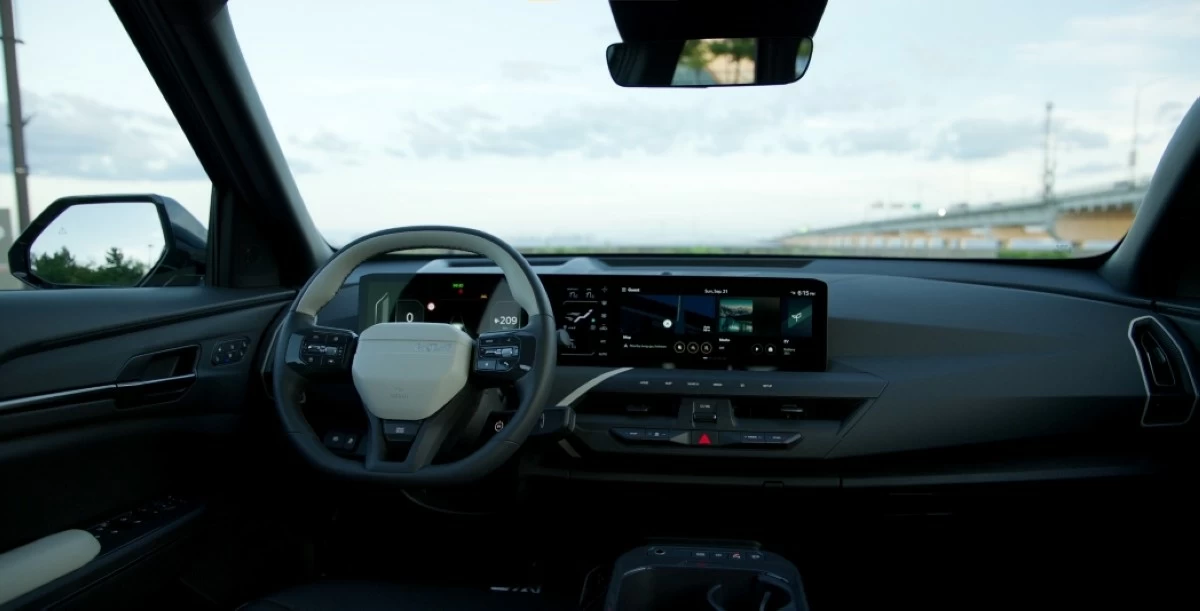
The cabin is dominated by twin 12.3-inch displays and a five-inch climate control screen, arranged in a single panoramic panel. The infotainment system runs Kia’s new ccNC interface and features Kia Sound 2.0, a new premium audio setup that delivered impressive clarity during the drive. Physical buttons remain for volume and climate adjustments, a design choice that I, and I'm sure many others, appreciate. There is also Pet Mode, which maintains cabin comfort for pets when the car is parked. A three-zone HVAC system ensures consistent cooling, something that will be appreciated by rear passengers in our climate.
Comfort amenities include a panoramic sunroof, fully reclining front seats with relaxation mode, and a sliding center console tray. The rear bench folds flat to create a bed-like space. Material quality feels premium, utilizing sustainable, bio-based finishes. During the product briefing, Dong Kyu Kim of the Global Product Planning team said Kia designed the EV5 as an SUV intended for real family use, not just a technology showcase.
Exterior and design variants
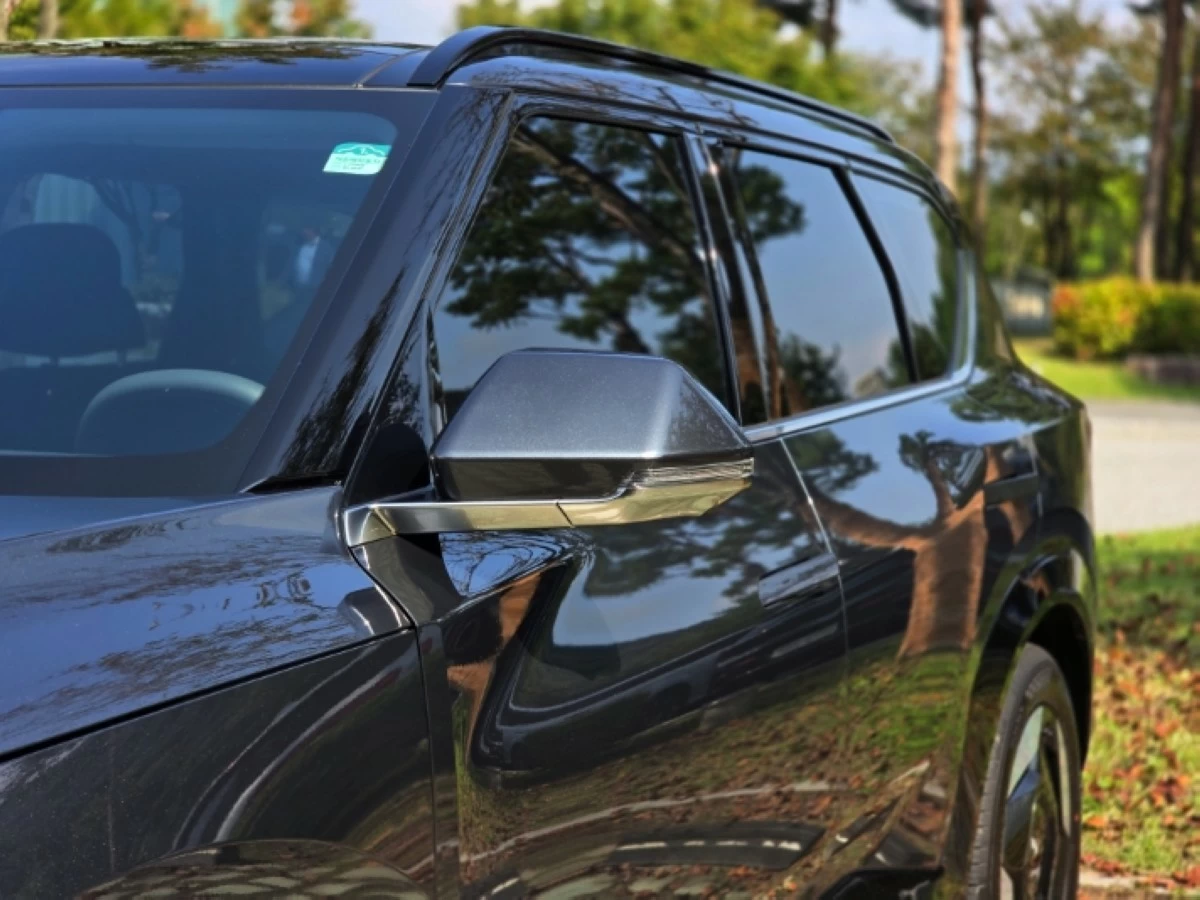
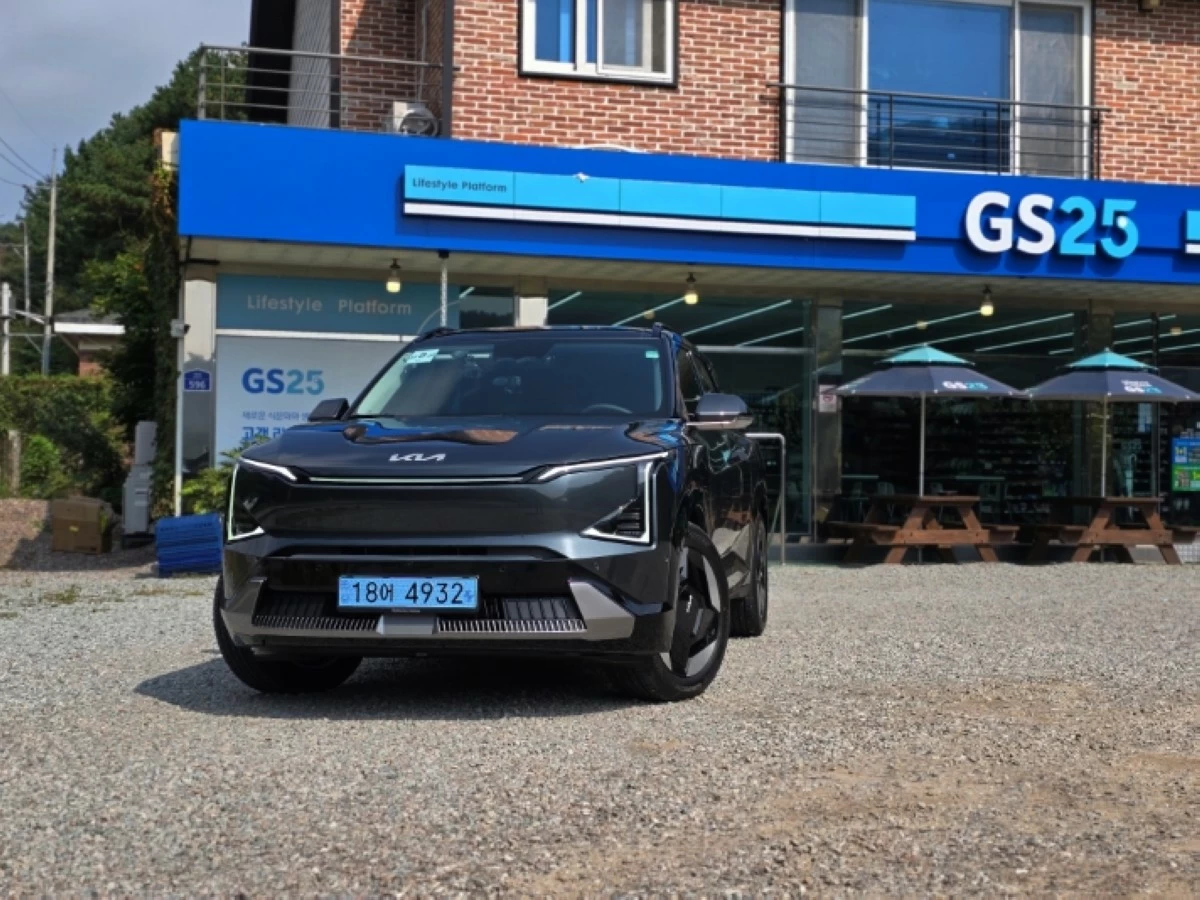
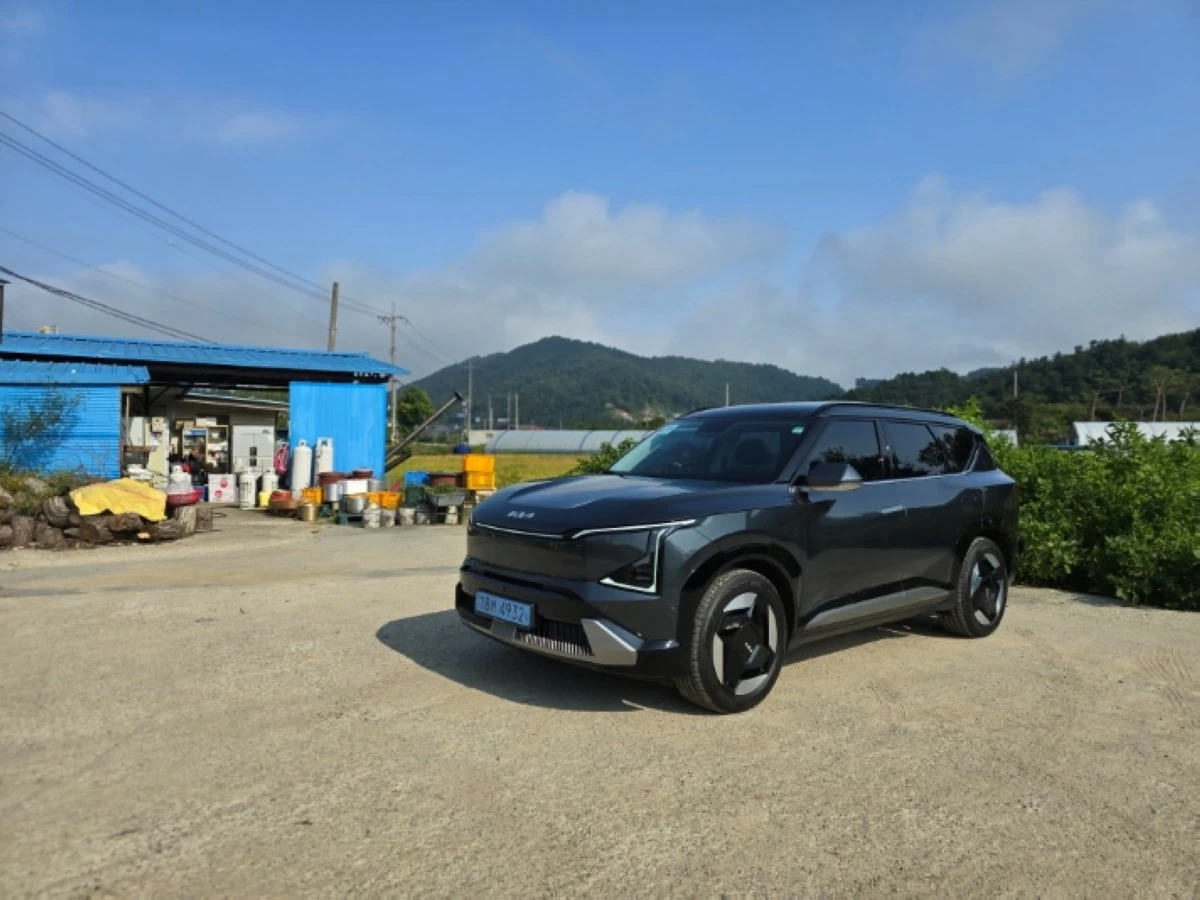
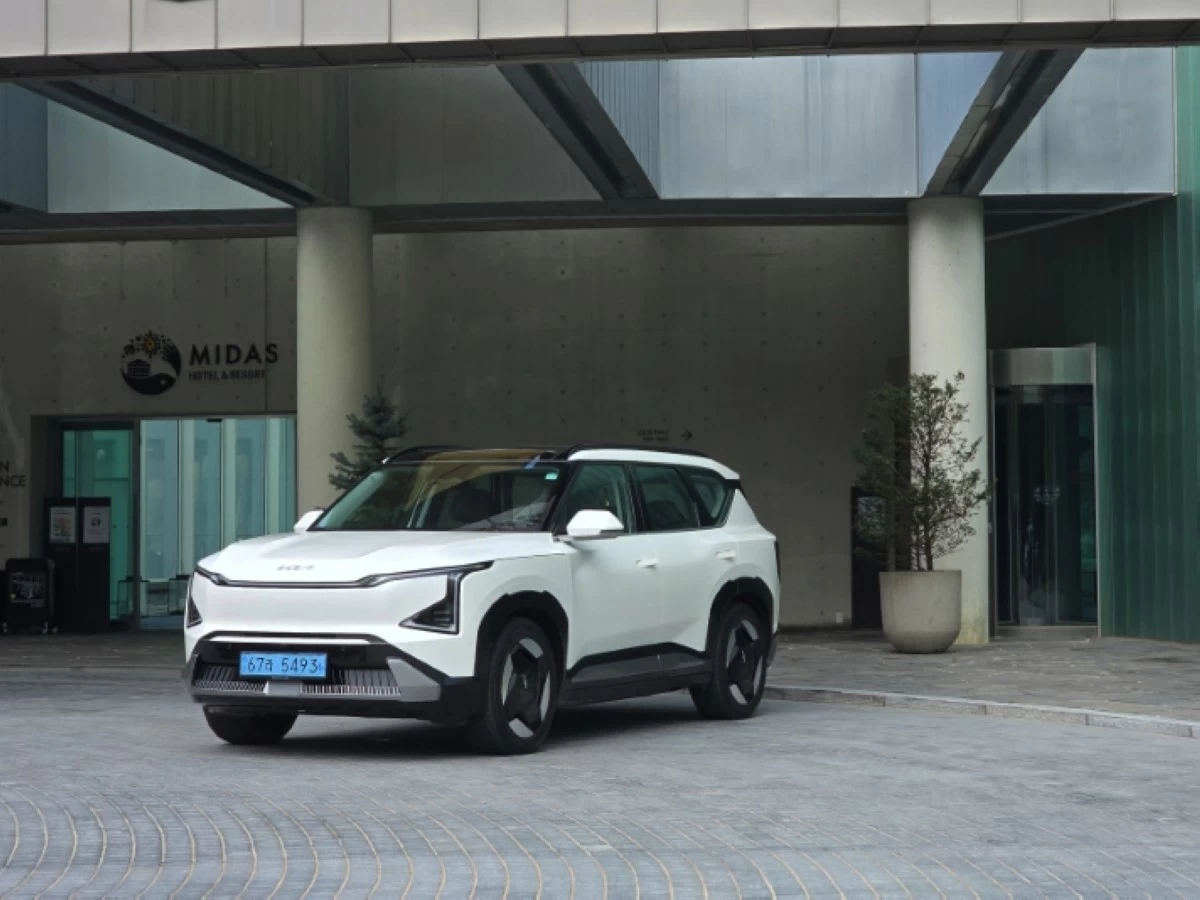
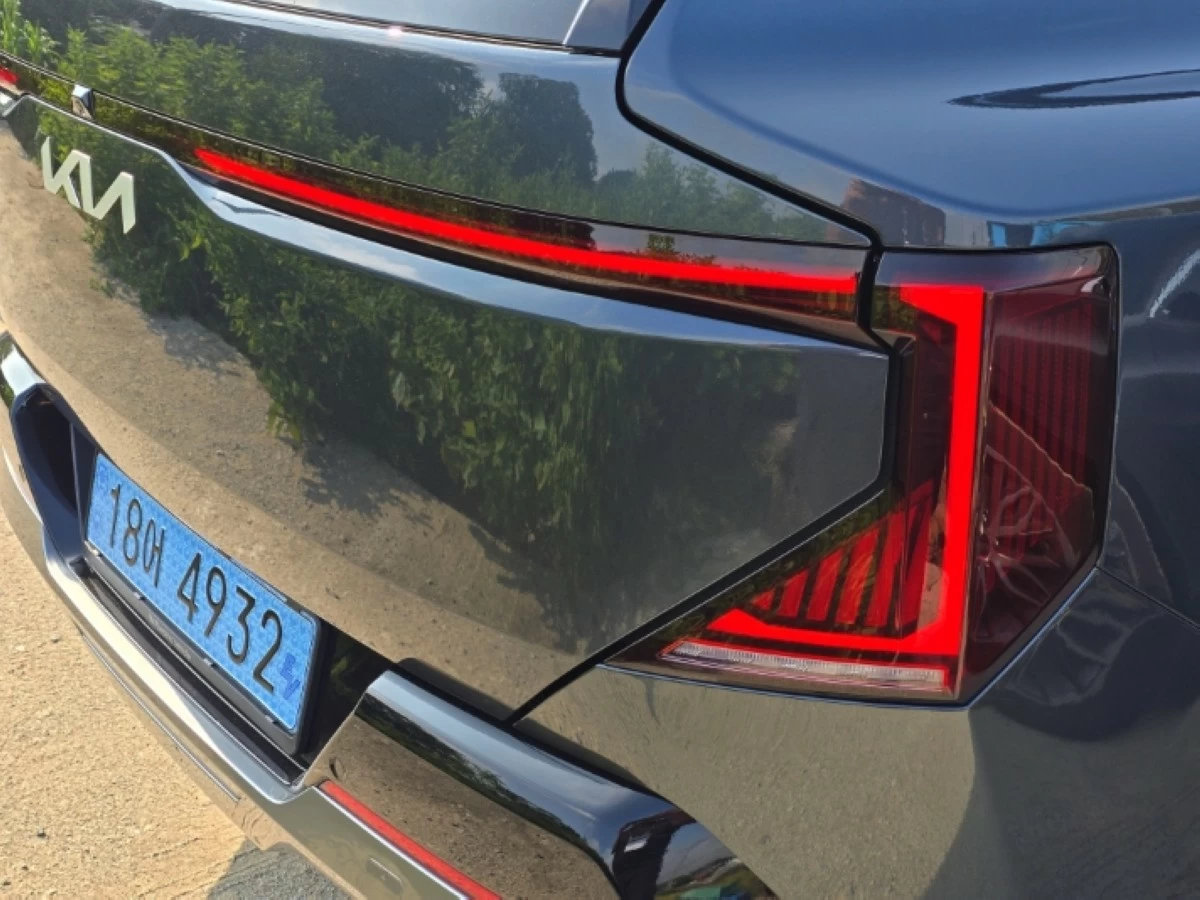
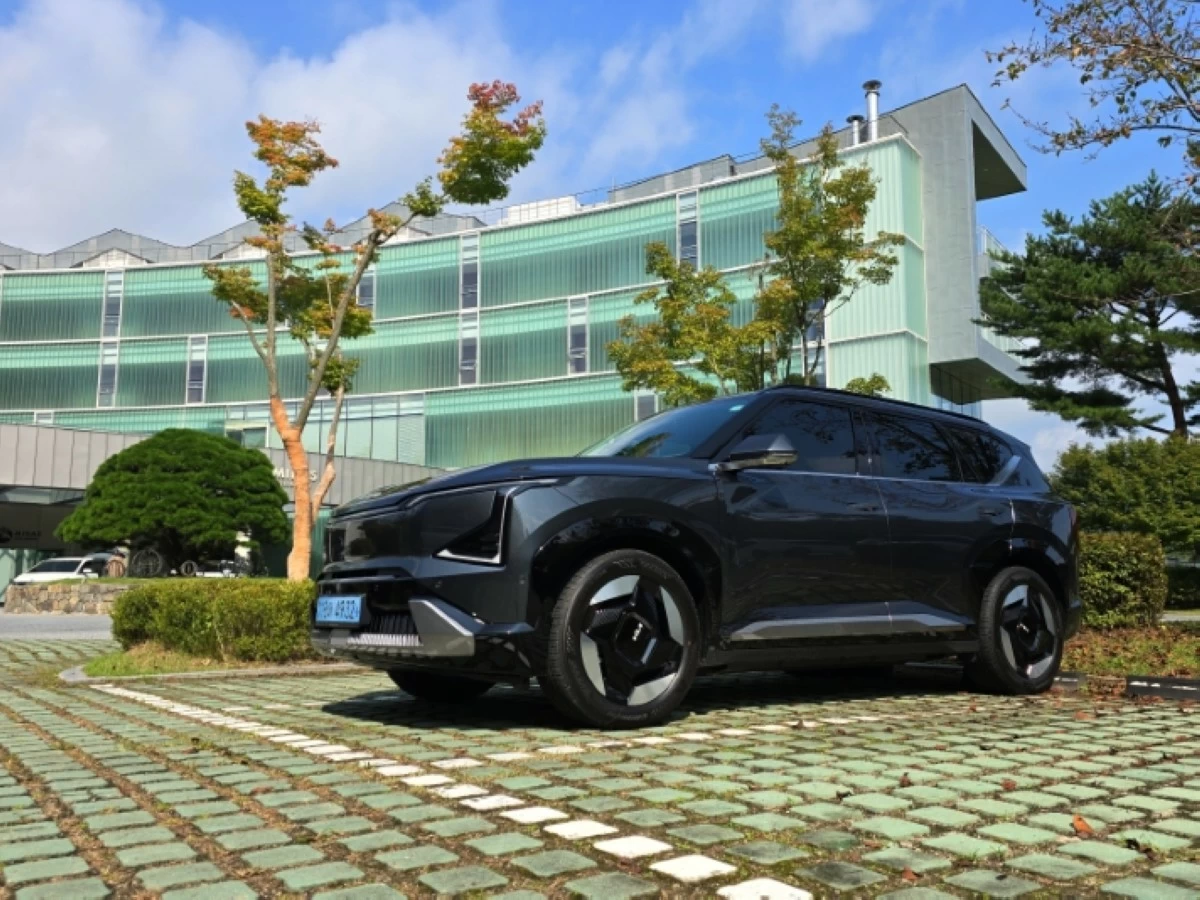
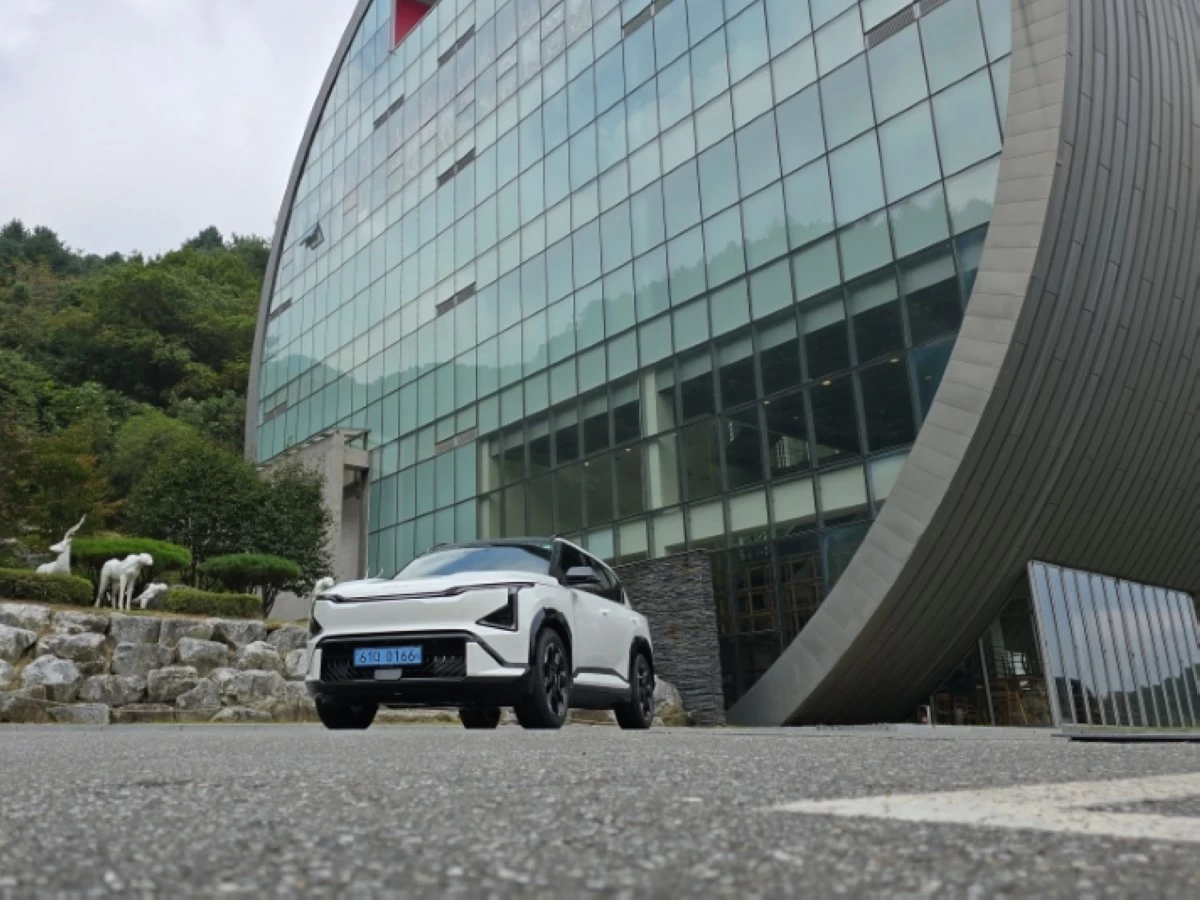
The EV5’s styling follows Kia’s Digital Tiger Face design language, balancing ruggedness with clean geometry. The boxy profile emphasizes space efficiency, while details such as vertical LED daytime running lights and flush surfaces give it a futuristic aesthetic. The GT-Line variant adds 19-inch wheels, gloss black trim, and body-colored accents that elevate its sporty appearance. Standard wheels for the Earth trim are 18 inches.
Color options include eight gloss finishes, three matte shades, and four two-tone combinations for GT-Line and GT models. Both variants share the same exterior dimensions and design structure but differ in trim and equipment packages. Personally, I find the EV5's lines, proportions, and angles more approachable than those of the EV9. Except for the missing front grille, it feels like a logical step up from the Seltos' styling. Additionally, the Earth trim's wheels look better than those of the higher trim GT-Line.
Advanced safety and technology
The EV5 integrates Kia’s latest Level 2 driver assistance features, including Highway Driving Assist, Smart Regenerative System 3.0, and Remote Smart Parking Assist 2. The EV5 is also equipped with a full suite of driver assistance systems, including automatic emergency braking, blind spot collision avoidance, lane-keeping assist, and adaptive cruise control. These work together with the Surround View Monitor and the DriveWise package to make daily driving safer and easier.
Driving through Gapyeong and Chuncheon
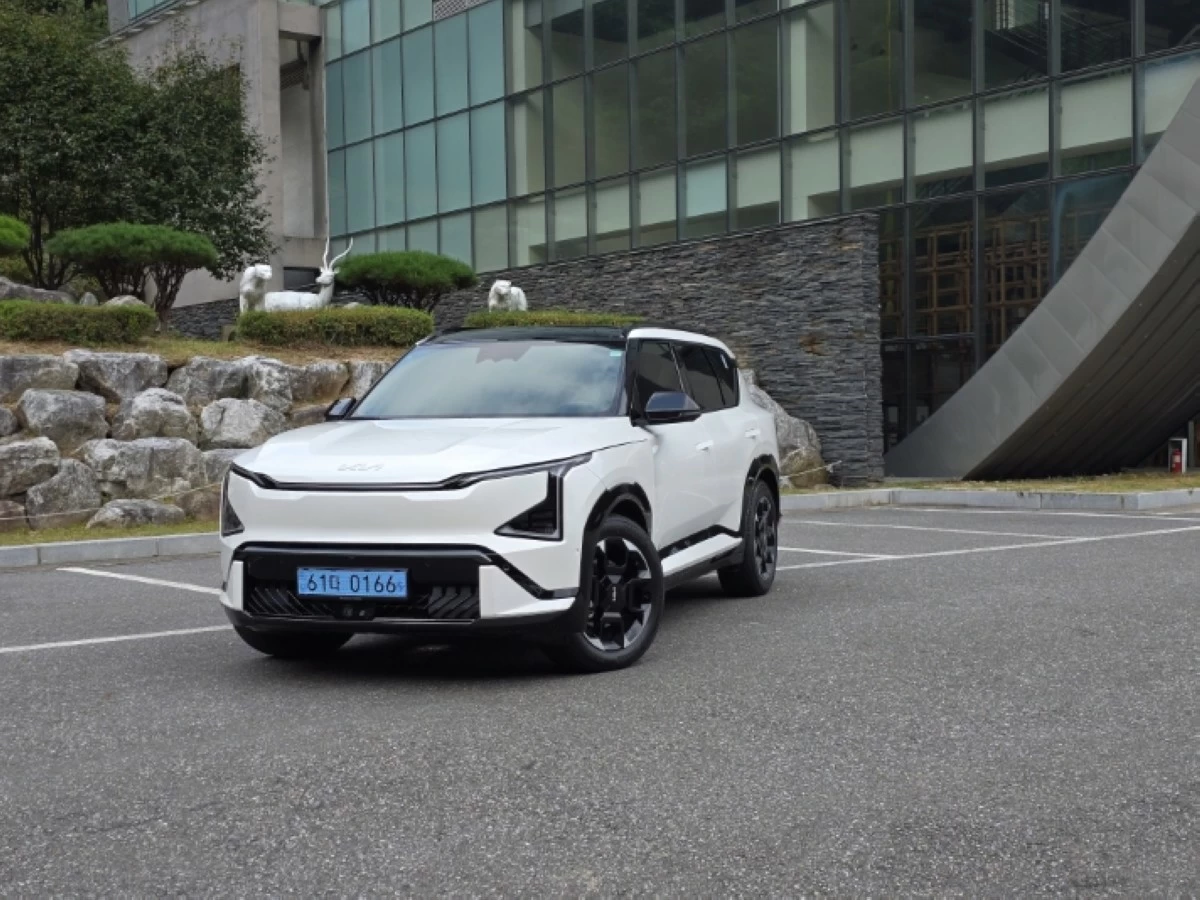
For the drive itself, I split driving duties throughout the day with my industry colleague, Vince Pornelos. Our route took us east from Seoul toward Gapyeong-gun, Gyeonggi-do, past freeways and through foggy riverside highways, which opened up to gorgeous hillside mountain roads framed by autumn foliage. We stopped briefly at a small coffee shop before heading to MIDAS Resort, where the EV5’s suspension demonstrated its composure on narrow, winding access roads.
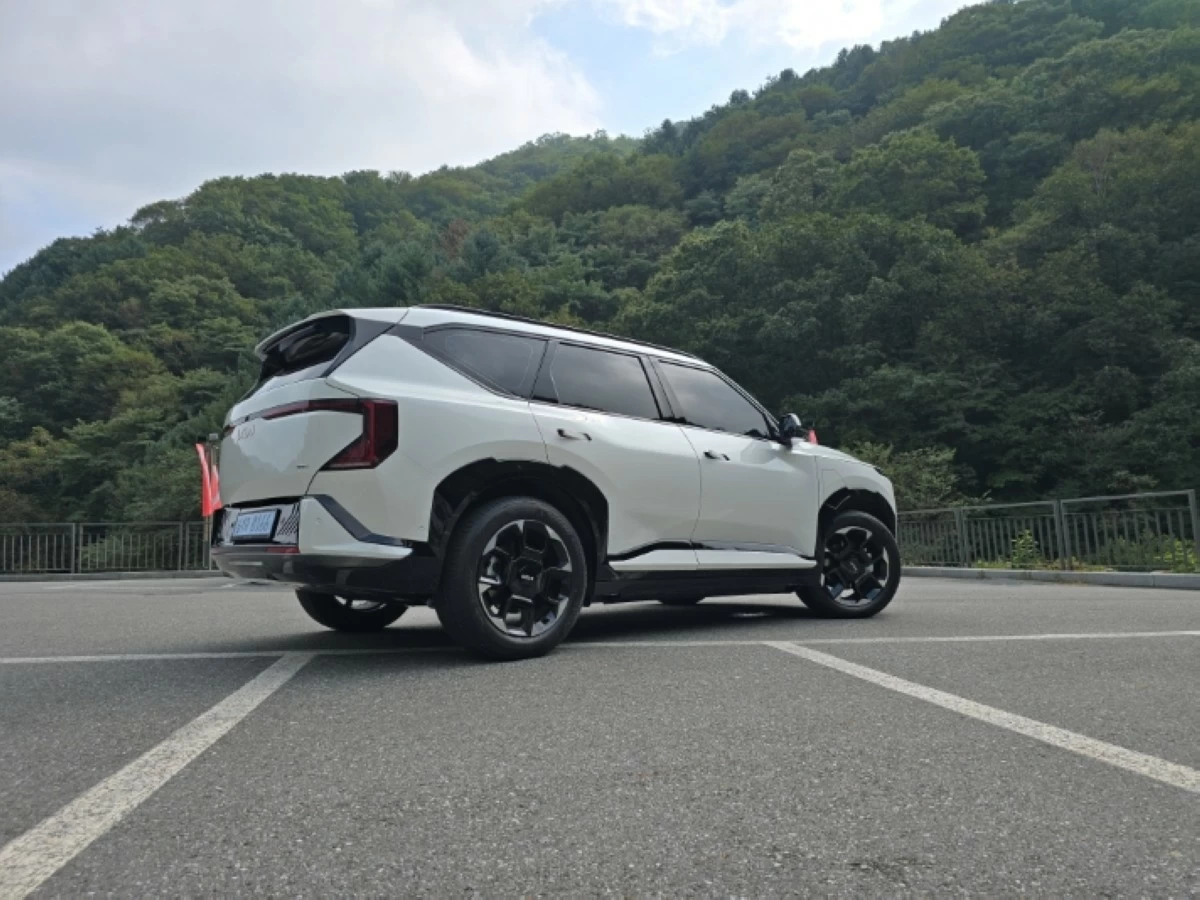
From there, we continued north toward Chuncheon, Gangwon-do, roughly two hours from the North Korean border. The route climbed into forested hills, testing the EV5’s balance and braking. Regenerative braking felt smooth and progressive, while steering remained precise. Despite its size, the EV5 was easy to maneuver through tight mountain turns.
Our lunch stop was at the Lee Sang Won Museum of Art, where the group discussed the drive and filmed assets before heading back to Seoul. On the return trip, Kia Philippines’ Marketing Director for PR, Isa Suarez-Paras, joined us in the back seat. The conversation turned to how well the EV5 could fit the local market, especially with the growing demand for compact crossovers and the slow but steady rollout of public chargers.
Why it matters for the Philippines
From my perspective, the EV5 is the model that can make Kia’s electric mobility ambitions attainable for Filipino consumers. It combines a usable range, practical packaging, and an approachable size. Its 400-volt system and moderate charging requirements fit perfectly with the current Philippine infrastructure, where 150-kW chargers are becoming standard.
If priced competitively, the EV5 could appeal to both early EV adopters and traditional car buyers looking to transition from hybrids. After a full day behind the wheel, I am convinced that the EV5 represents Kia’s most balanced effort yet to make electric vehicles not just aspirational but practical for Philippine roads.
If you want to see the Kia EV5 up close, it will be on display at the 13th Philippine Electric Vehicle Summit, happening at the SMX Convention Center from October 23 to 25.