







Platform Beyond Vehicle and the Kia PV5
This new EV platform could transform every kind of transport need.
Published Oct 13, 2025 09:02 am
|
Updated Oct 13, 2025 05:51 pm


At A Glance
- Kia introduces the PV5 as the first model under its new Platform Beyond Vehicle (PBV) program, signaling a new era of adaptable electric mobility.
- Built on the modular E-GMP S platform, the PV5 combines versatility, digital connectivity, and sustainable engineering in a single design.
- Designed for various configurations, including cargo, passenger, crew, and wheelchair-accessible versions, it sets a new standard for purpose-built electric vehicles.
- With a potential local fit under the EVIDA law, the PV5 could expand how Philippine businesses and fleets transition to electrified transport.
Kia’s next phase of electrification begins with a bold idea. Following the launch of several new electric models earlier this year in Spain, Kia Corporation once again welcomed the international motoring press in Seoul on September 30 to showcase the first model built under its new Platform Beyond Vehicle program, the Kia PV5. The event featured extended drives outside the city and a guided tour of the new EVO Plant in Hwaseong, a state-of-the-art facility that represents Kia’s shift toward modular and flexible vehicle production.

The Platform Beyond Vehicle, or PBV, is Kia’s long-term strategy for producing electric vehicles that evolve with customer needs. Rather than creating a single-purpose model, Kia envisions vehicles that can adapt to various roles across logistics, mobility services, and specialized transport. The company’s approach merges modular hardware with a connected digital ecosystem, allowing each vehicle to evolve through physical and software updates. Kia Corporation President Ho Sung Song described PBV as a major step in Kia’s transition to a sustainable mobility provider.
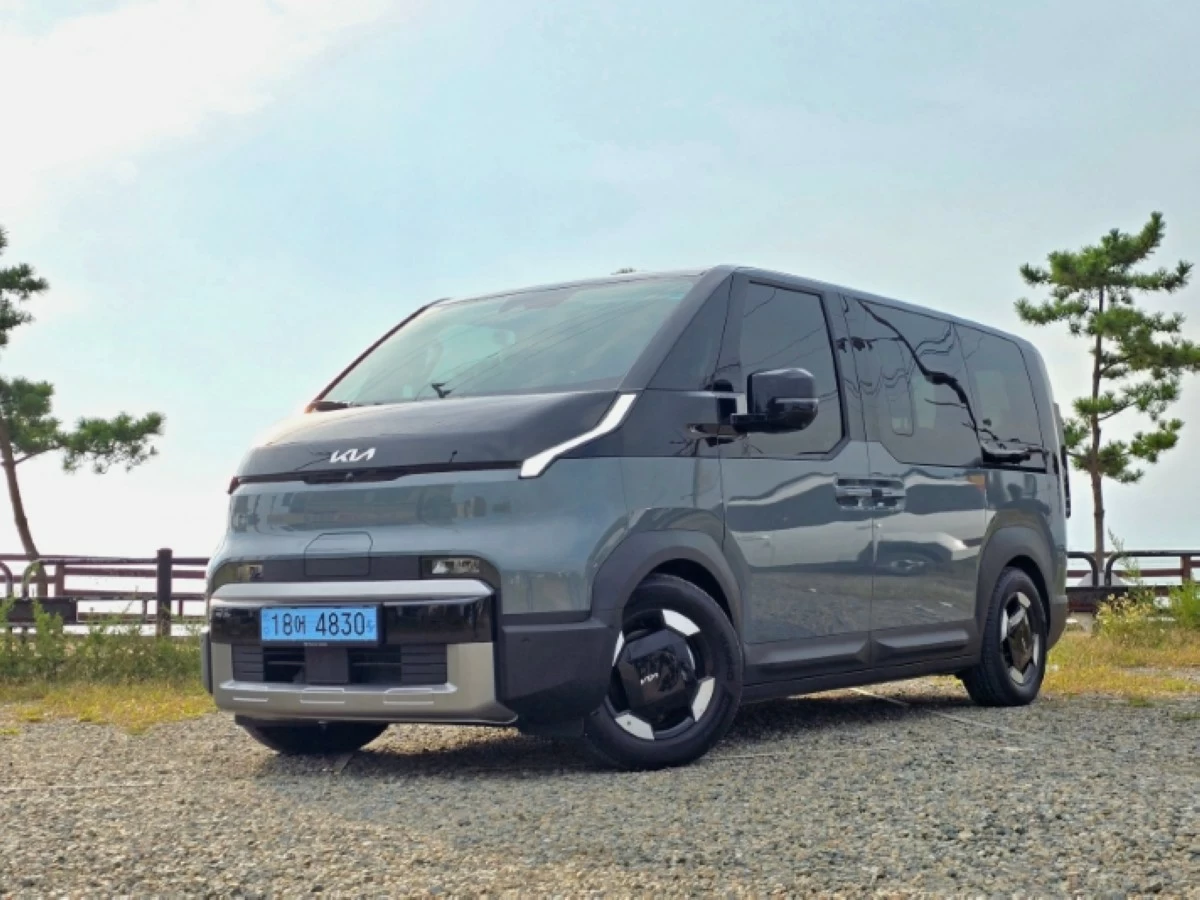
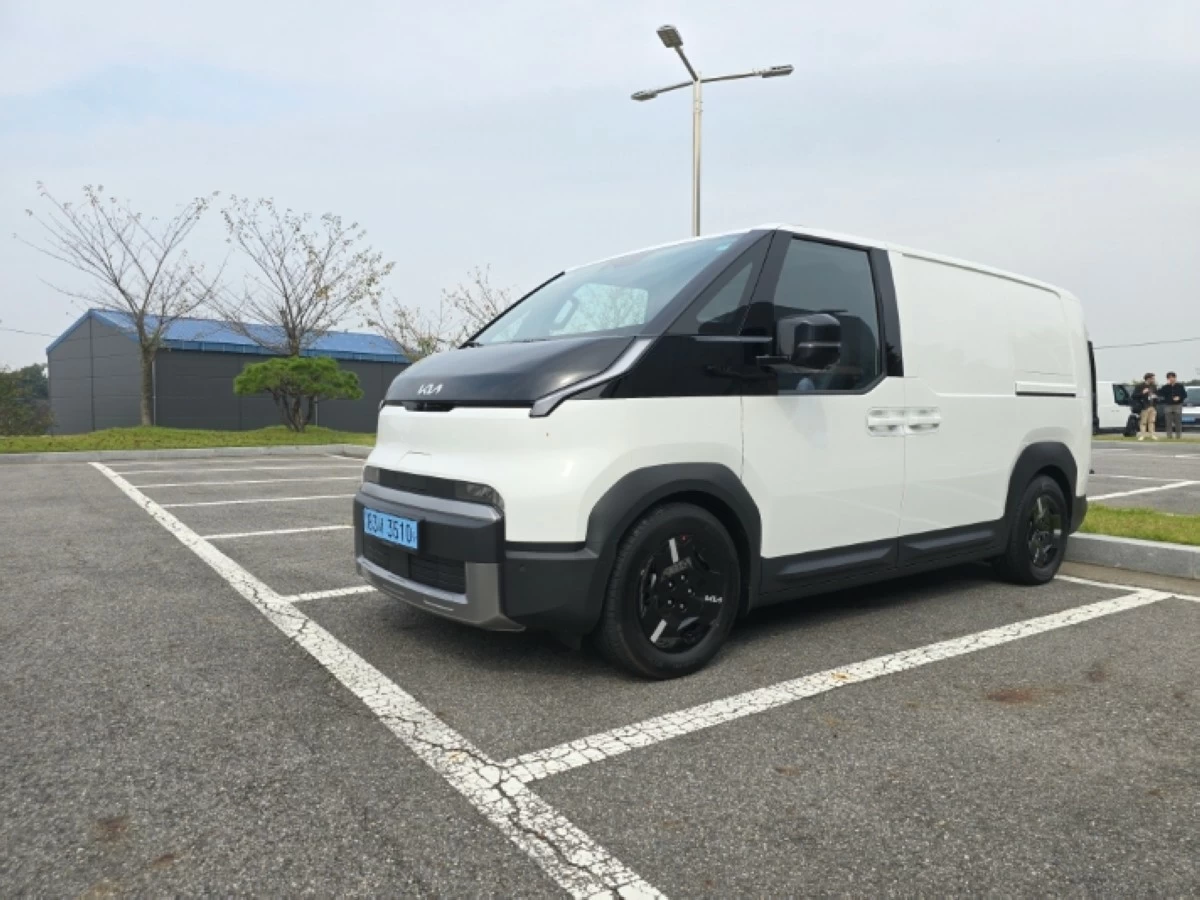
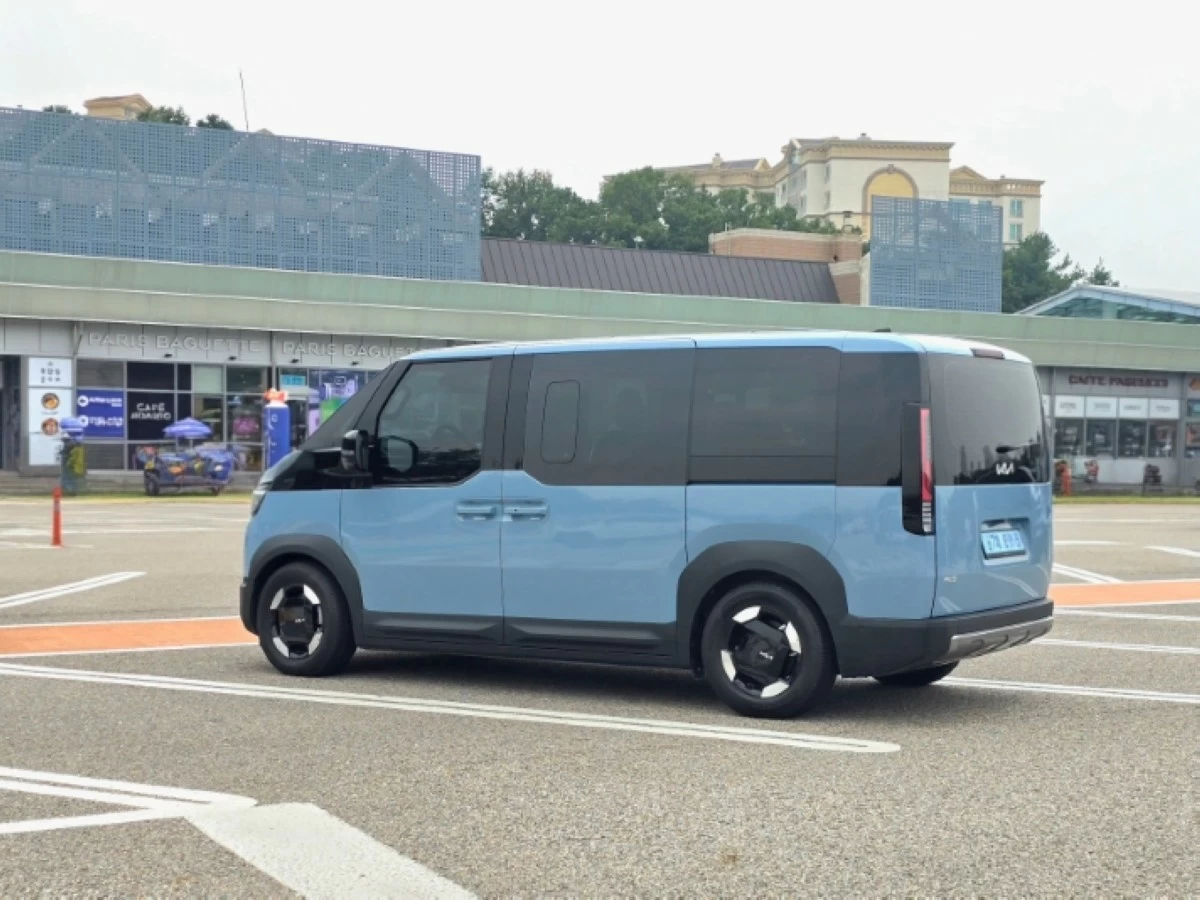
The PV5 is the first model designed for this platform. It is positioned as a medium-sized electric van capable of serving as a cargo hauler, passenger shuttle, or service vehicle, depending on configuration. Built on the E-GMP S platform, it utilizes a 400-volt electrical system optimized for durability and manufacturing efficiency. The modular chassis supports multiple body styles, including Cargo, Passenger, Crew, and Wheelchair-Accessible Vehicle (WAV) variants. Each version shares the same skateboard-style structure, which houses the battery pack and motor beneath the floor to maximize interior space and improve stability. At the Hwaseong EVO Plant, Kia engineers presented scale models and simulations illustrating ongoing research to enhance modularity for future PBV vehicle versions. These demonstrations showed how the rear section of a cargo model could be interchanged with a pickup bed using mechanical and magnetic connectors, with commercial readiness targeted by 2030.
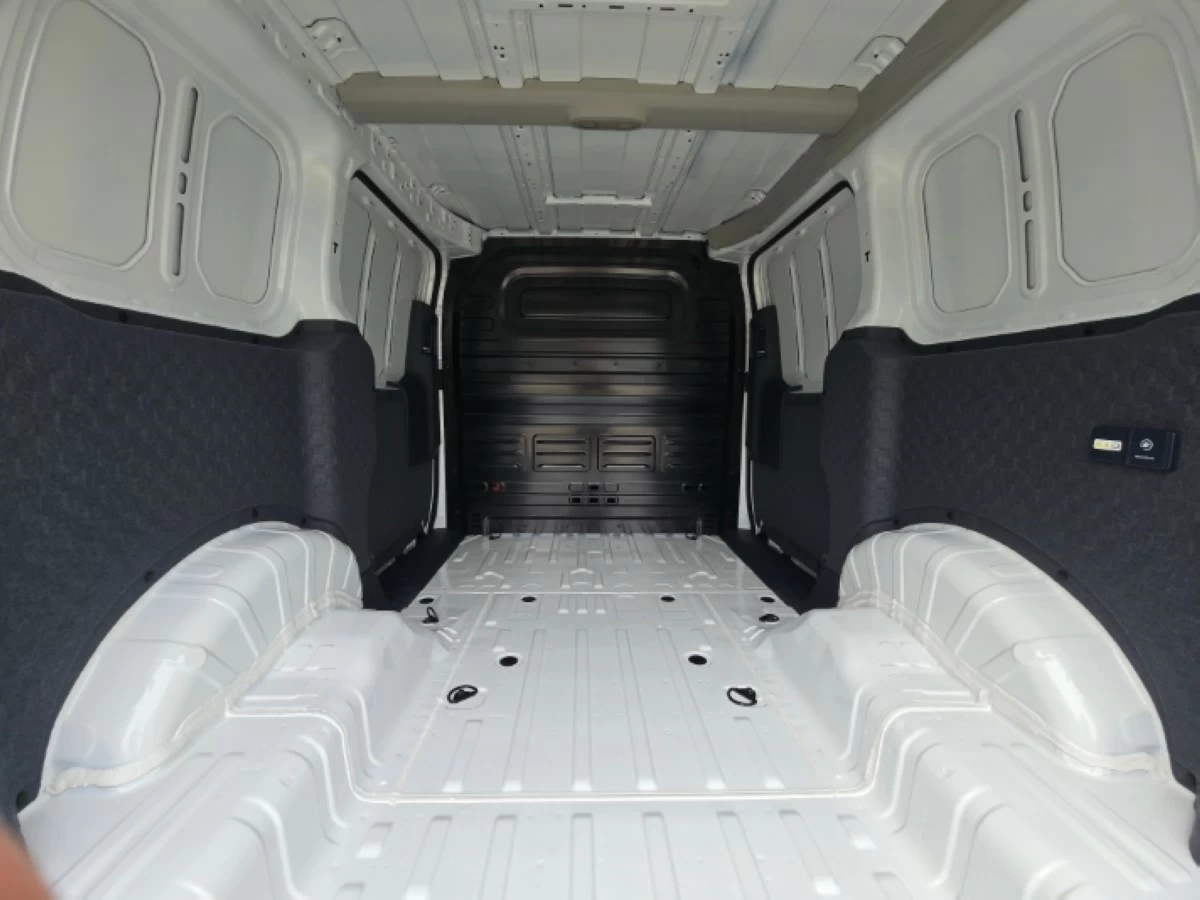
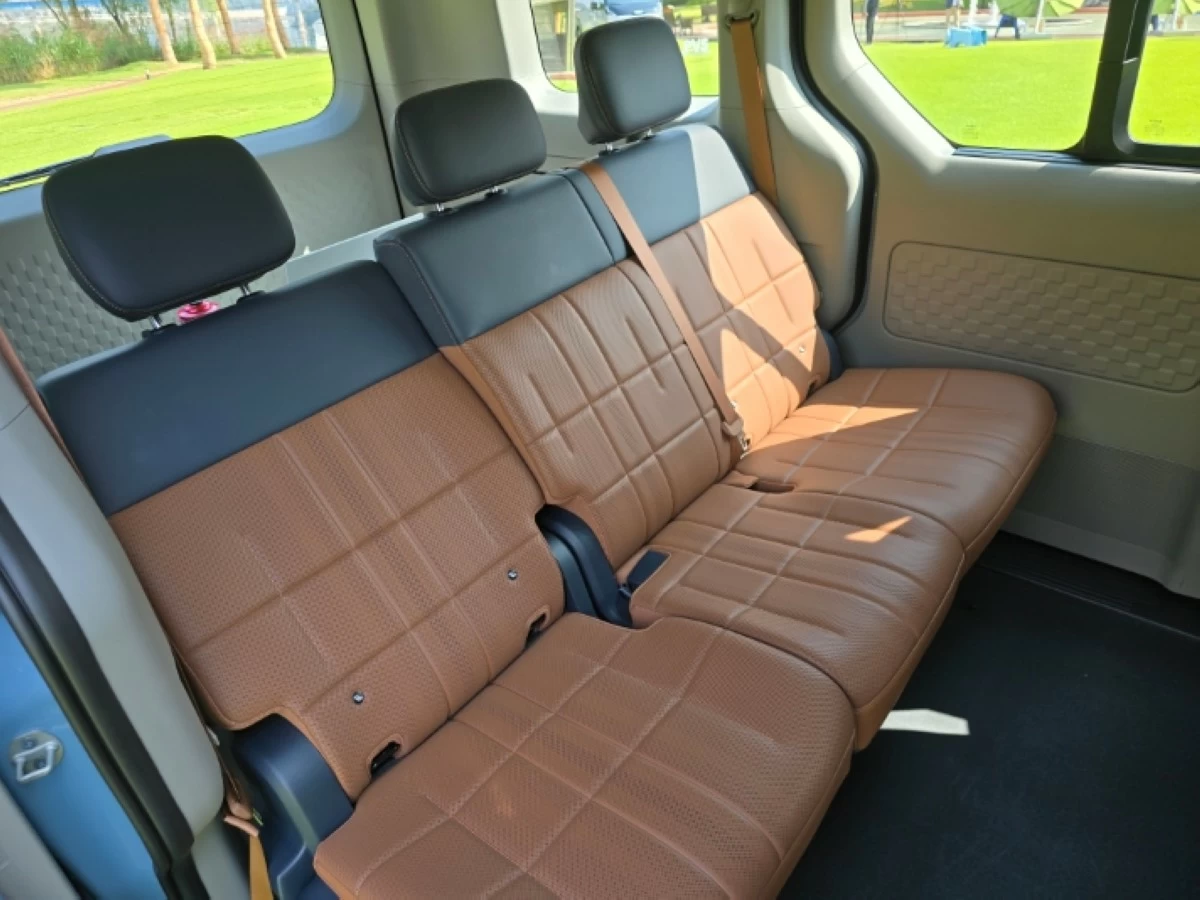
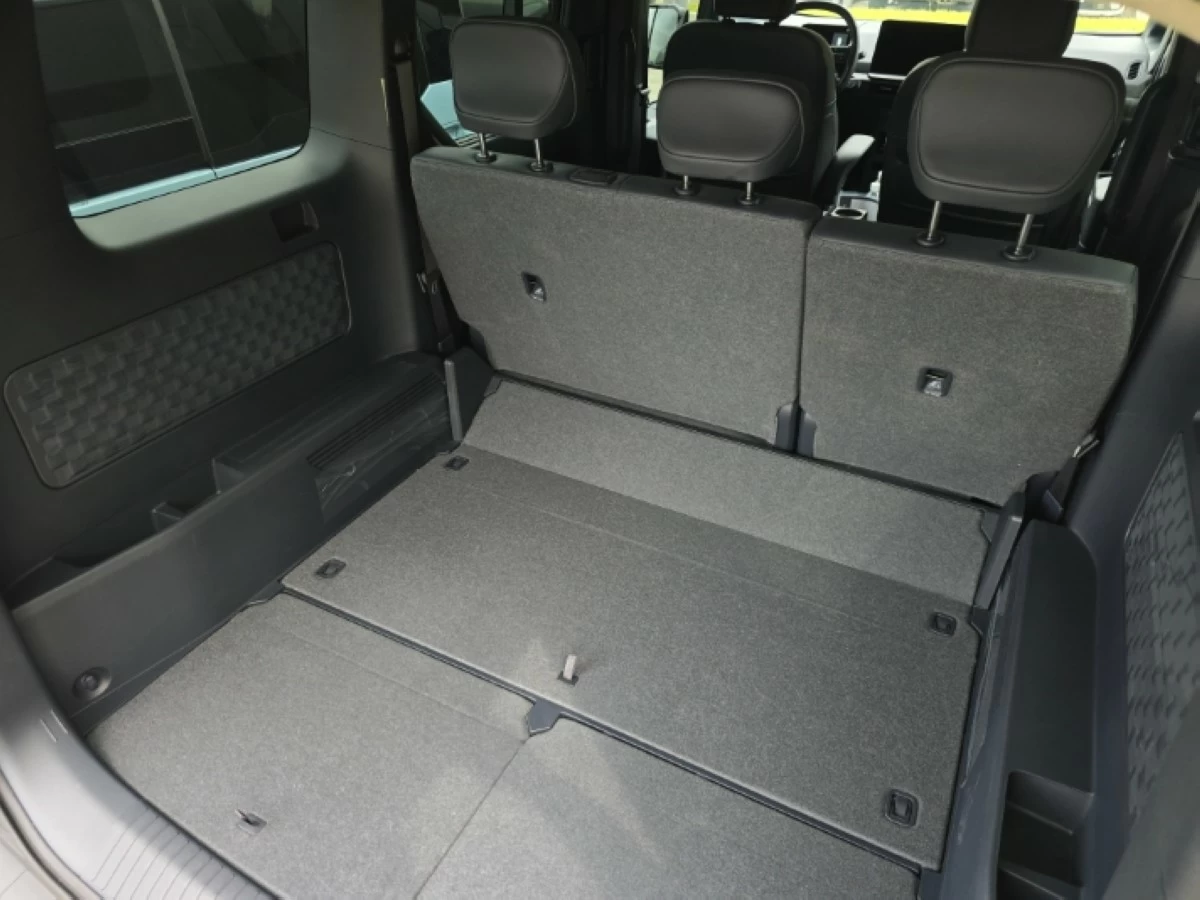
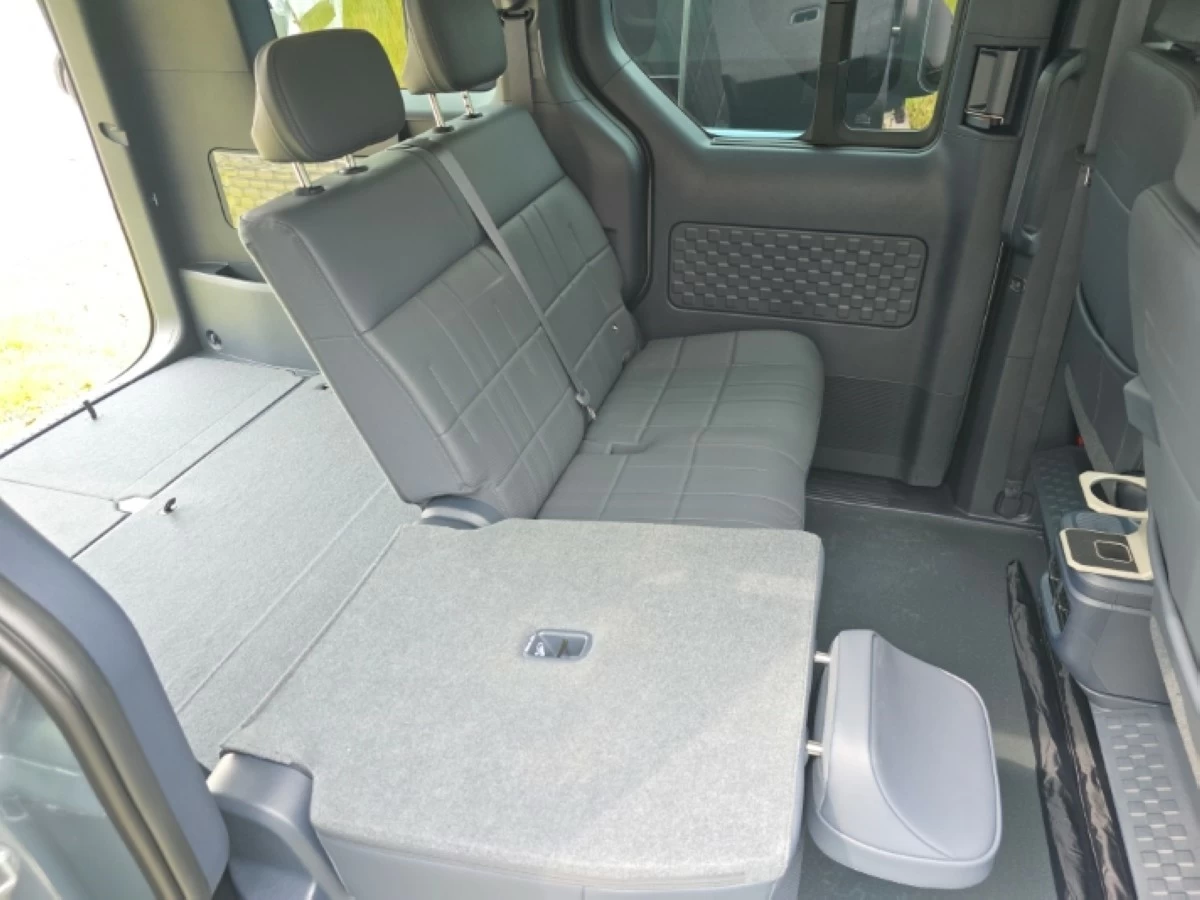
In size, the PV5 fits between a compact delivery van and a midsize MPV. The Cargo variant provides up to 5,165 liters of load space, an interior height of 1,815 millimeters, and a 423-millimeter loading step. Payload capacity ranges from 690 to 790 kilograms, depending on battery type. Its dimensions emphasize accessibility and volume while maintaining maneuverability for urban environments. Compared to familiar models in the Philippines, such as the Toyota Hiace Commuter and Mitsubishi L300 FB, the PV5 offers similar utility but with a fully electric drivetrain and a lower floor height.
Flexibility is the PV5’s strongest attribute. Kia designed it around interchangeable body modules that can be customized at the factory without requiring major reassembly. This system enables small-batch production for industries with specific requirements while maintaining factory-level quality. It also shortens turnaround time for specialized units such as medical transport vehicles, delivery vans, or shuttle fleets, which typically rely on aftermarket conversions.

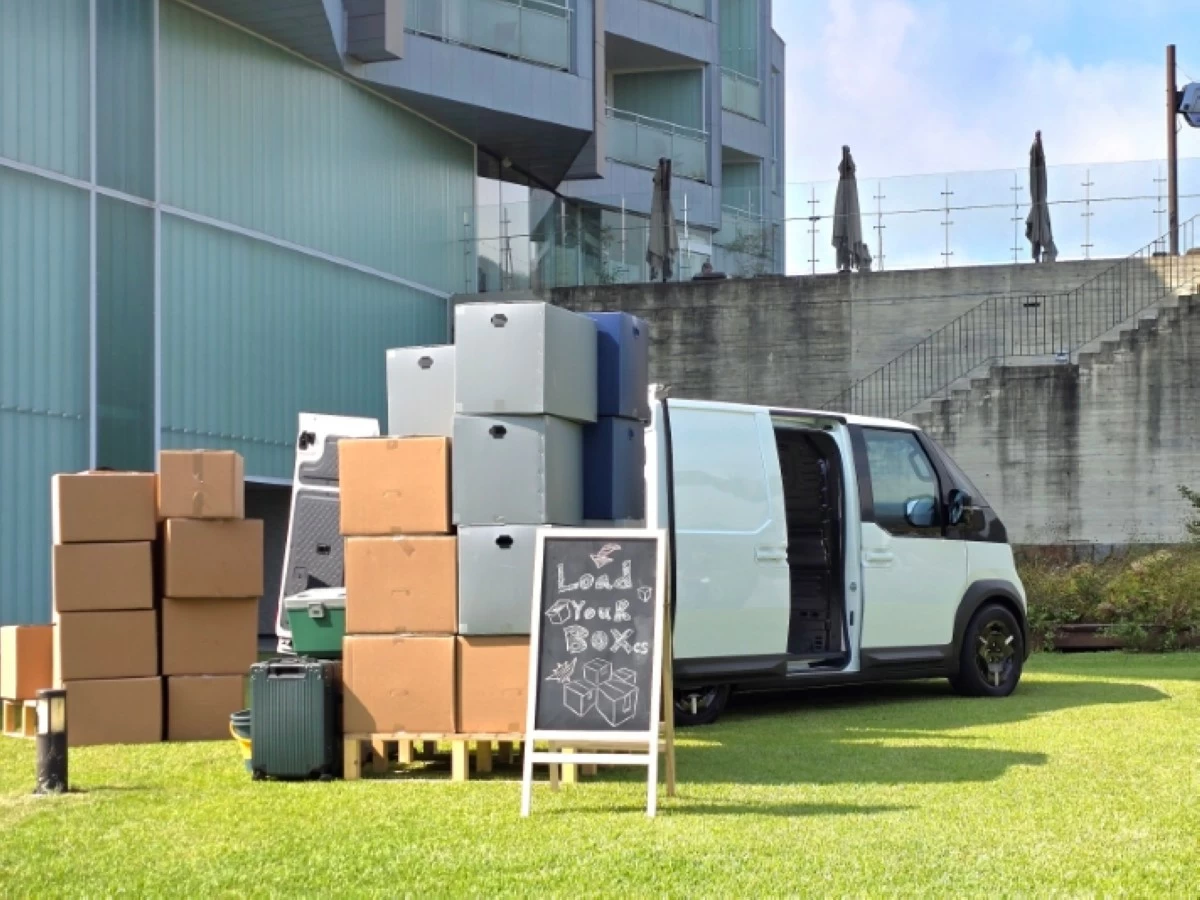
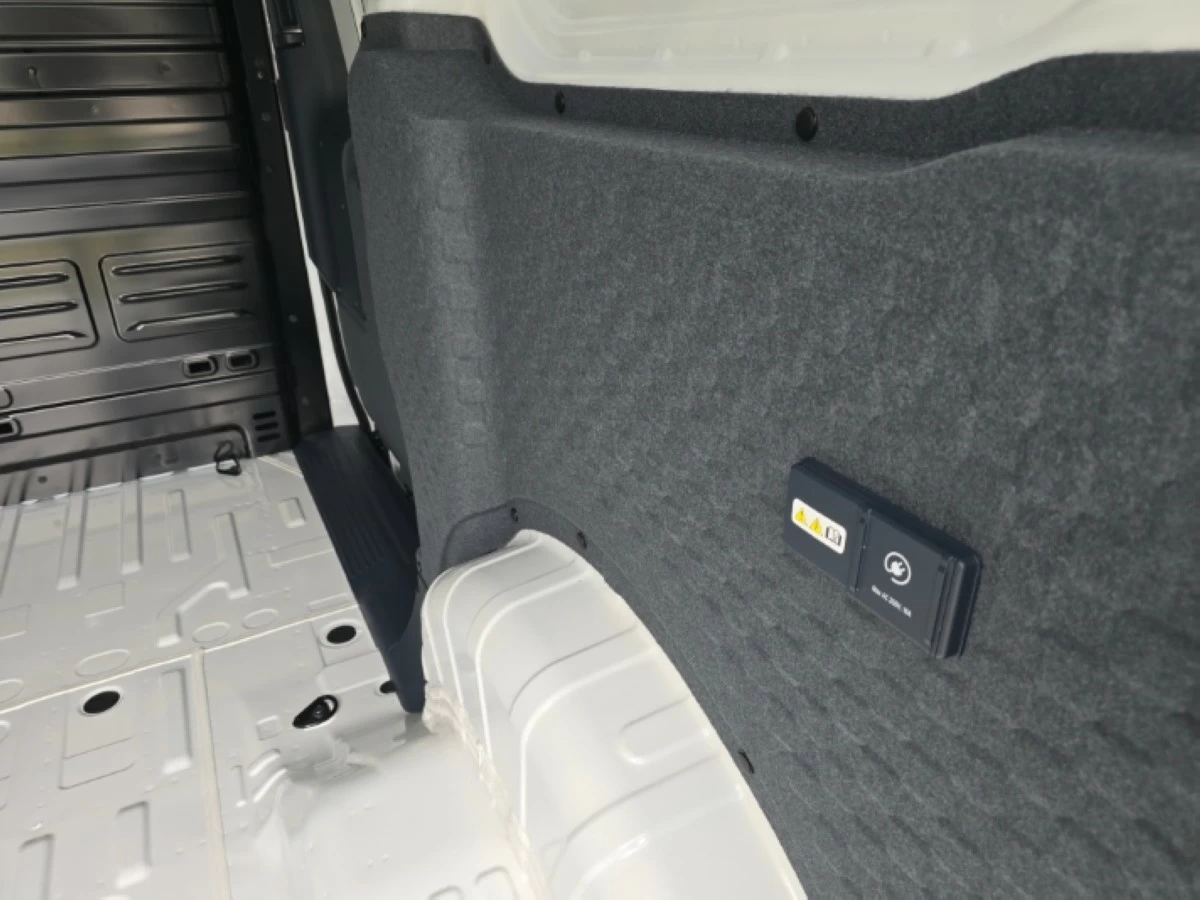
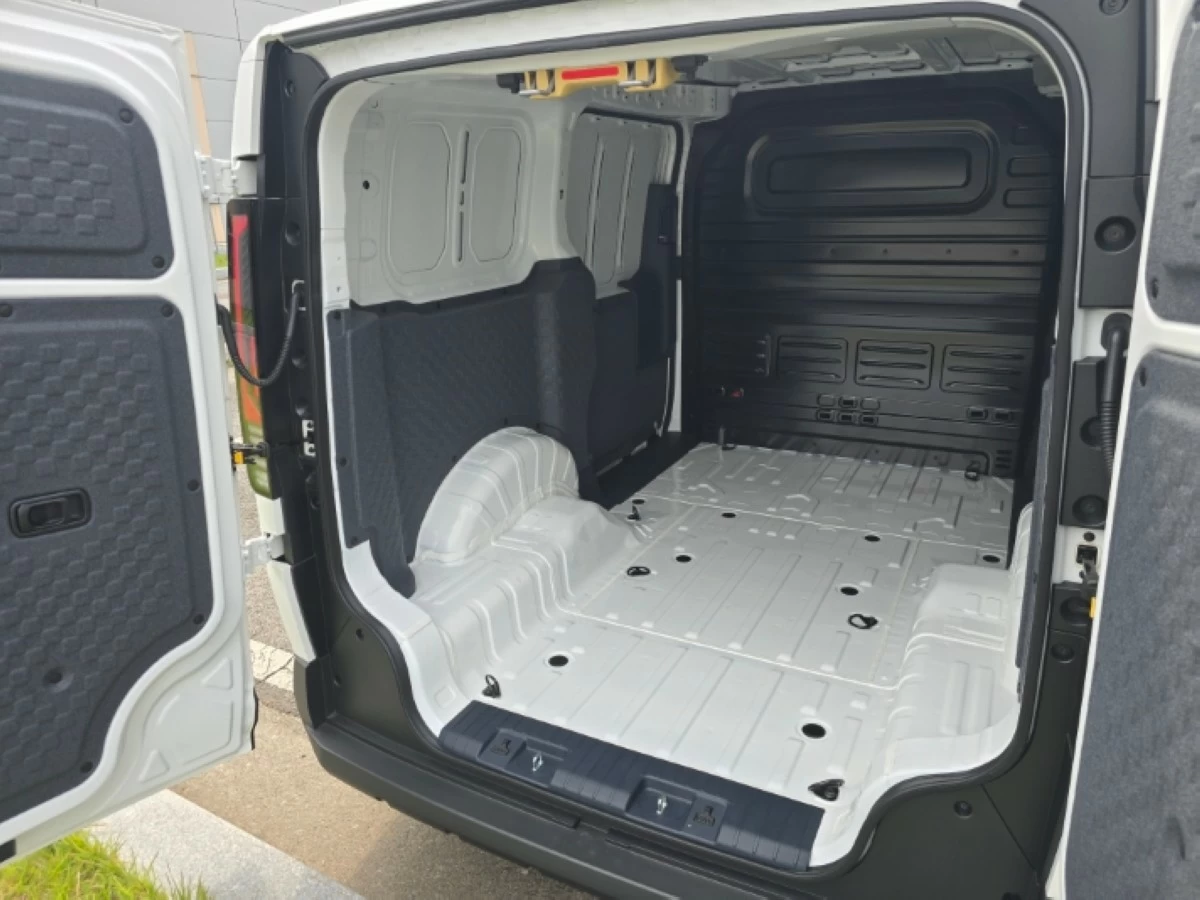
At launch, the PV5 will be available in several variants. The Cargo model, capable of fitting two Euro-standard pallets, is optimized for logistics operations with a wide, flat load floor and large rear and side openings for easier access. The Passenger model prioritizes comfort and accessibility, offering five-, six-, or seven-seat configurations. The Crew and WAV versions combine passenger utility with adaptability for mixed-use and special-mobility transport.
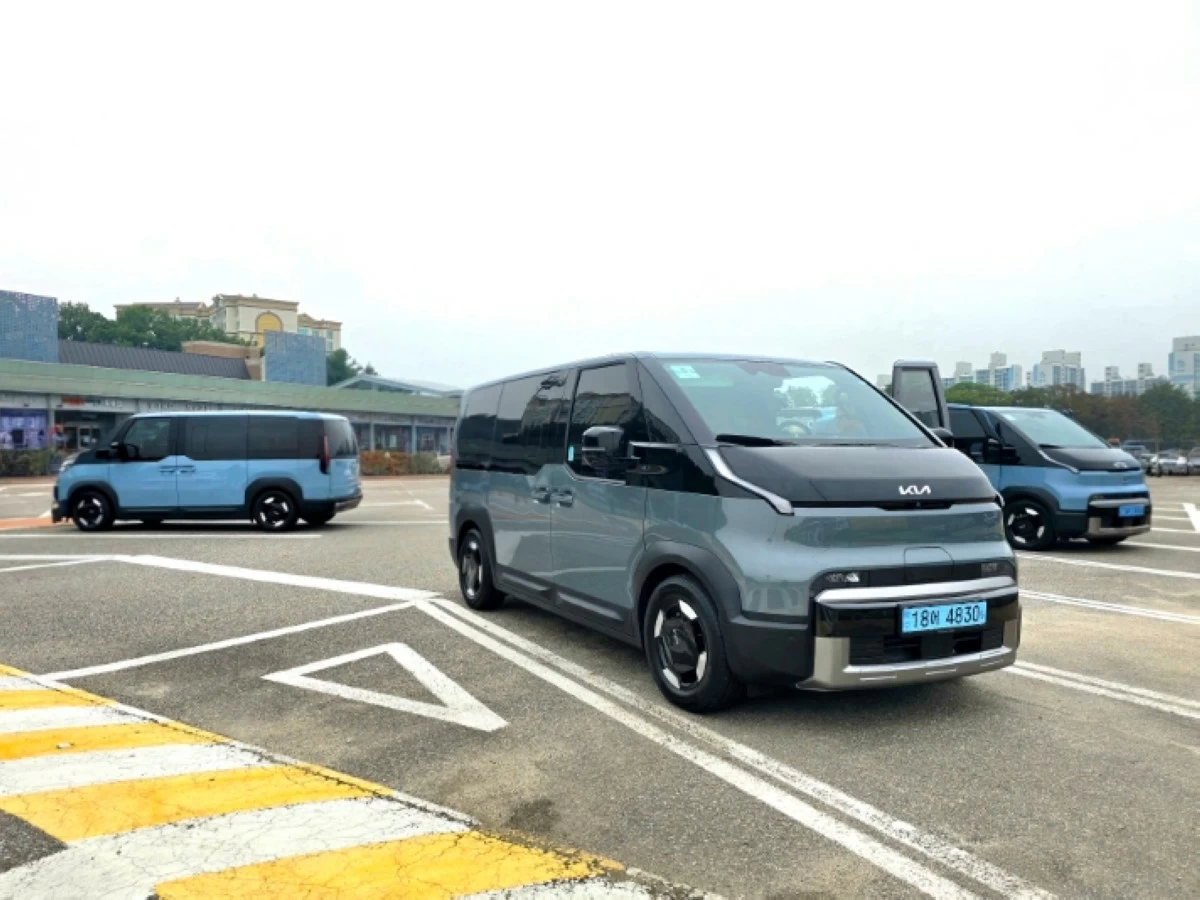
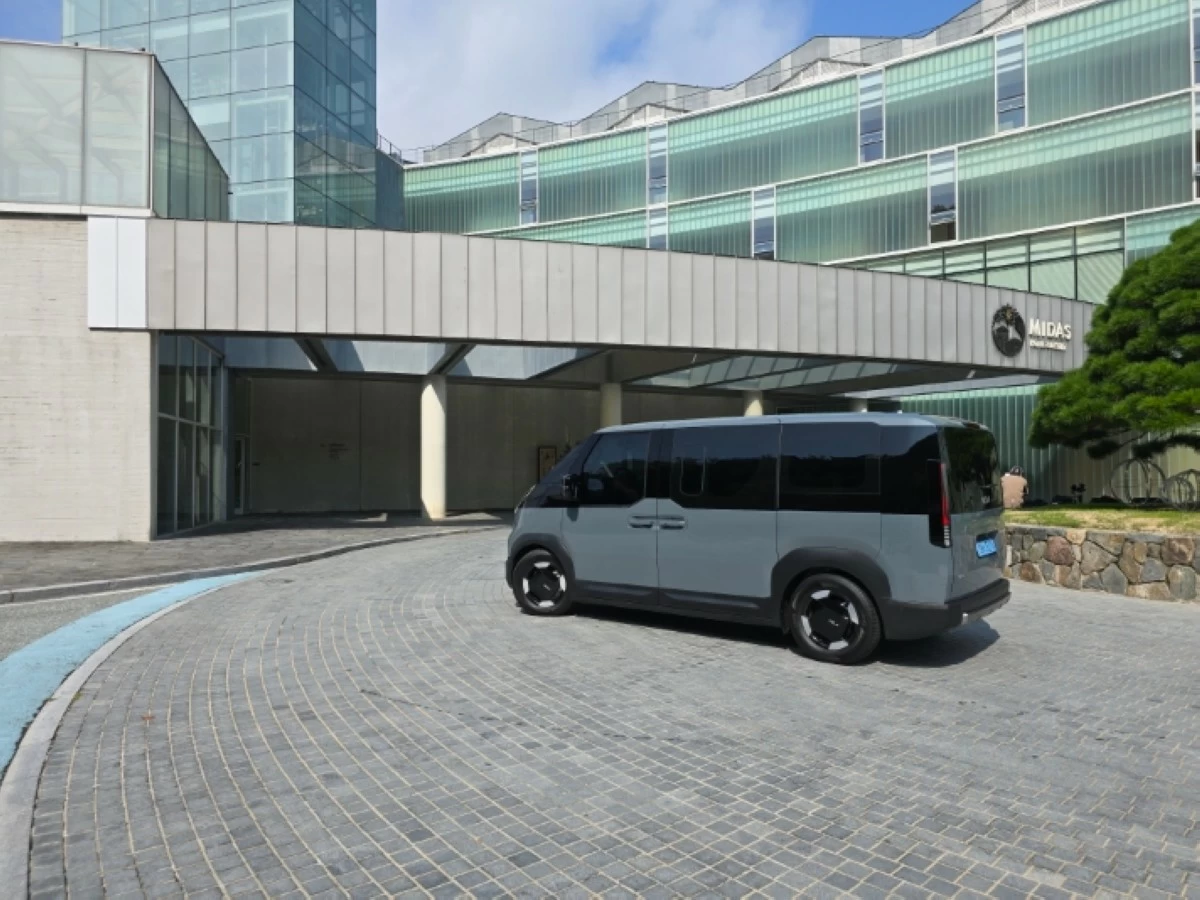
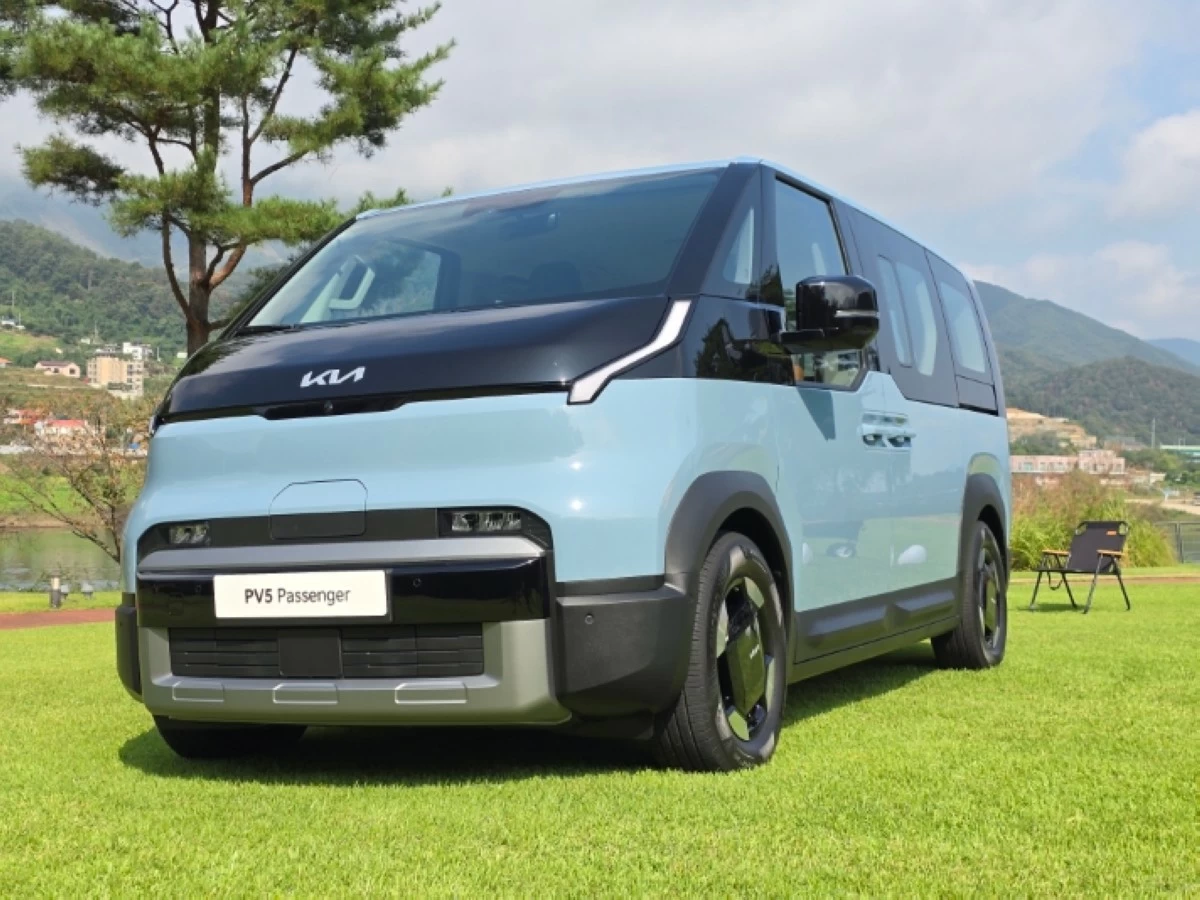
The PV5’s design reflects Kia’s current styling philosophy that is part 80's cyberpunk and part minimalist-futuristic, but interpreted for practicality. The exterior features clean vertical lines, generous glass areas for visibility, and distinctive daytime running lights integrated into the fascia. The squared-off profile maximizes usable space while maintaining aerodynamic efficiency, achieving a drag coefficient of 0.29. Kia’s engineers also prioritized repairability. The three-piece front bumper and body panels are modular and can be replaced individually to reduce downtime and repair costs after minor accidents. Door assemblies and lighting components are standardized across variants, and simplified wiring harnesses with accessible fasteners make servicing faster.

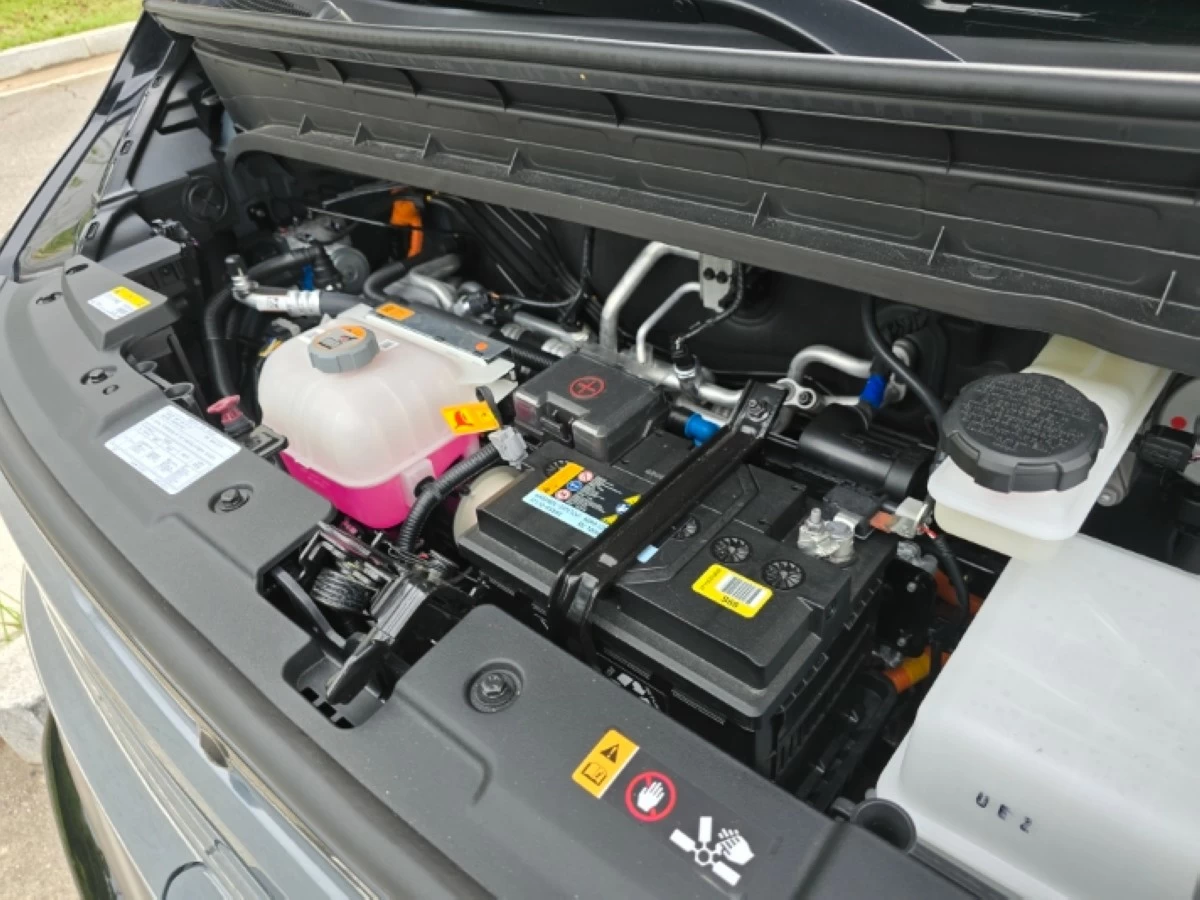
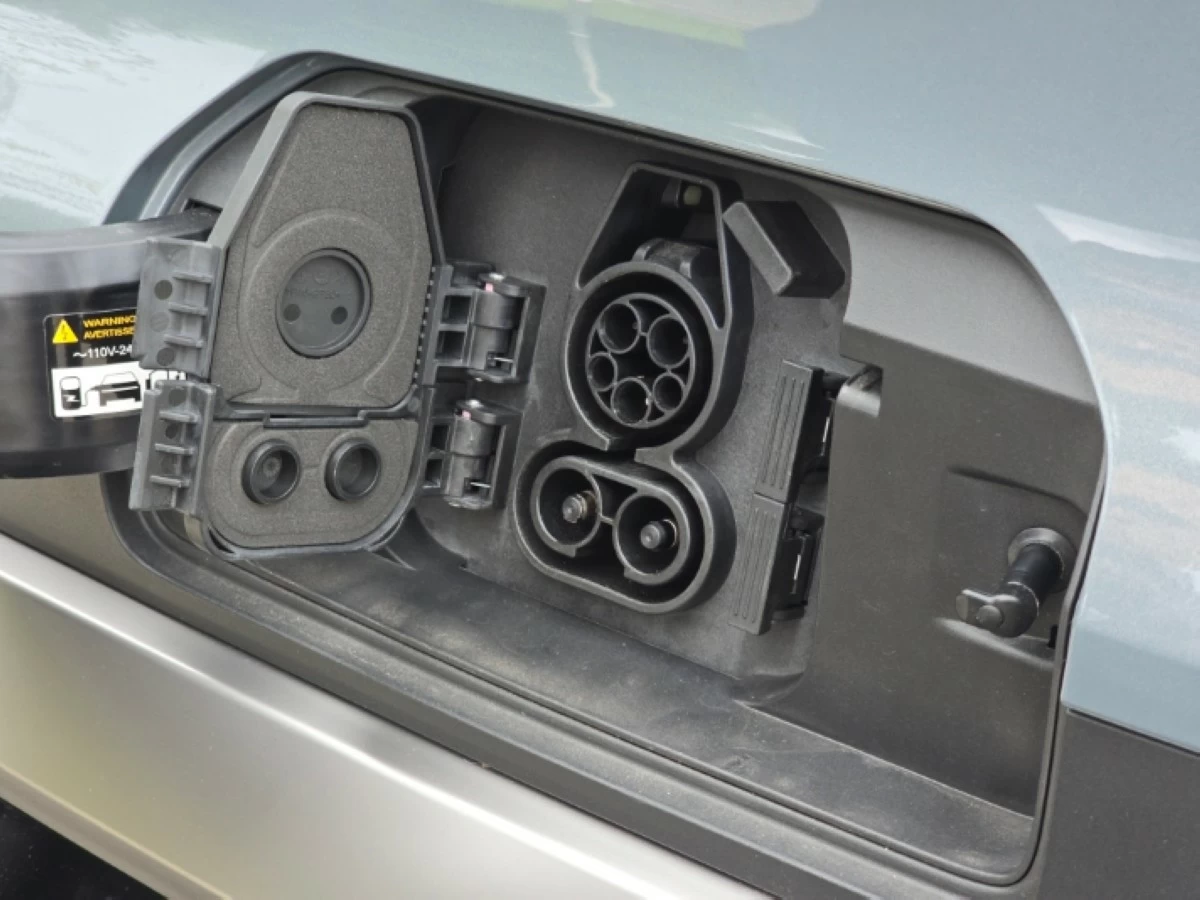
Power comes from a single front-mounted electric motor rated at 161 PS and 250 newton-meters of torque. Two NCM battery options are available: a 51.5 kilowatt-hour pack for standard use and a 71.2 kilowatt-hour pack for extended range. These are supplied by CATL, Kia’s partner for several new-generation electric models. Range estimates are around 358 kilometers under Korean certification and up to 400 kilometers under WLTP standards. The PV5 supports 11-kilowatt AC charging for overnight replenishment and 150-kilowatt DC fast charging, which can recharge from 10 to 80 percent in roughly 30 minutes. It also offers Vehicle-to-Load functionality, allowing the use of external equipment powered directly by the van’s battery.
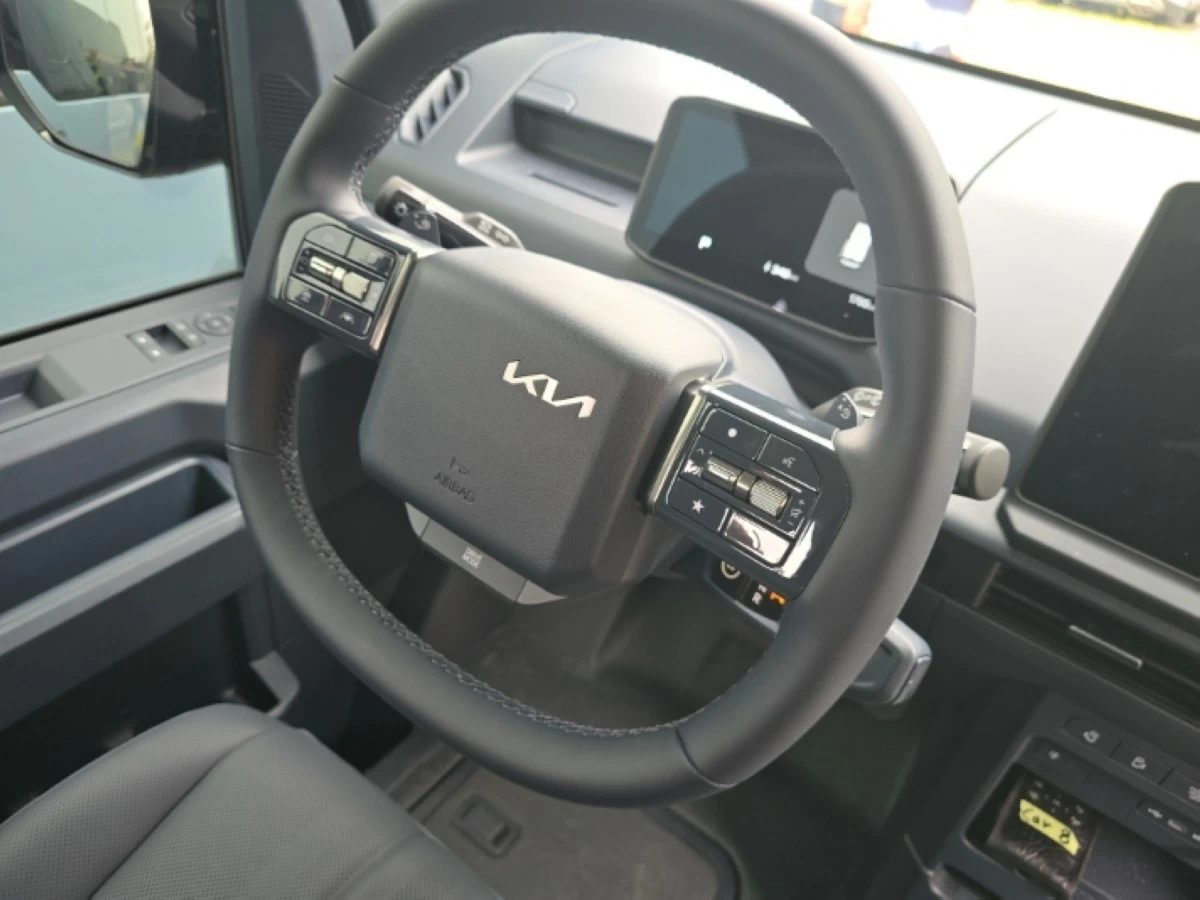
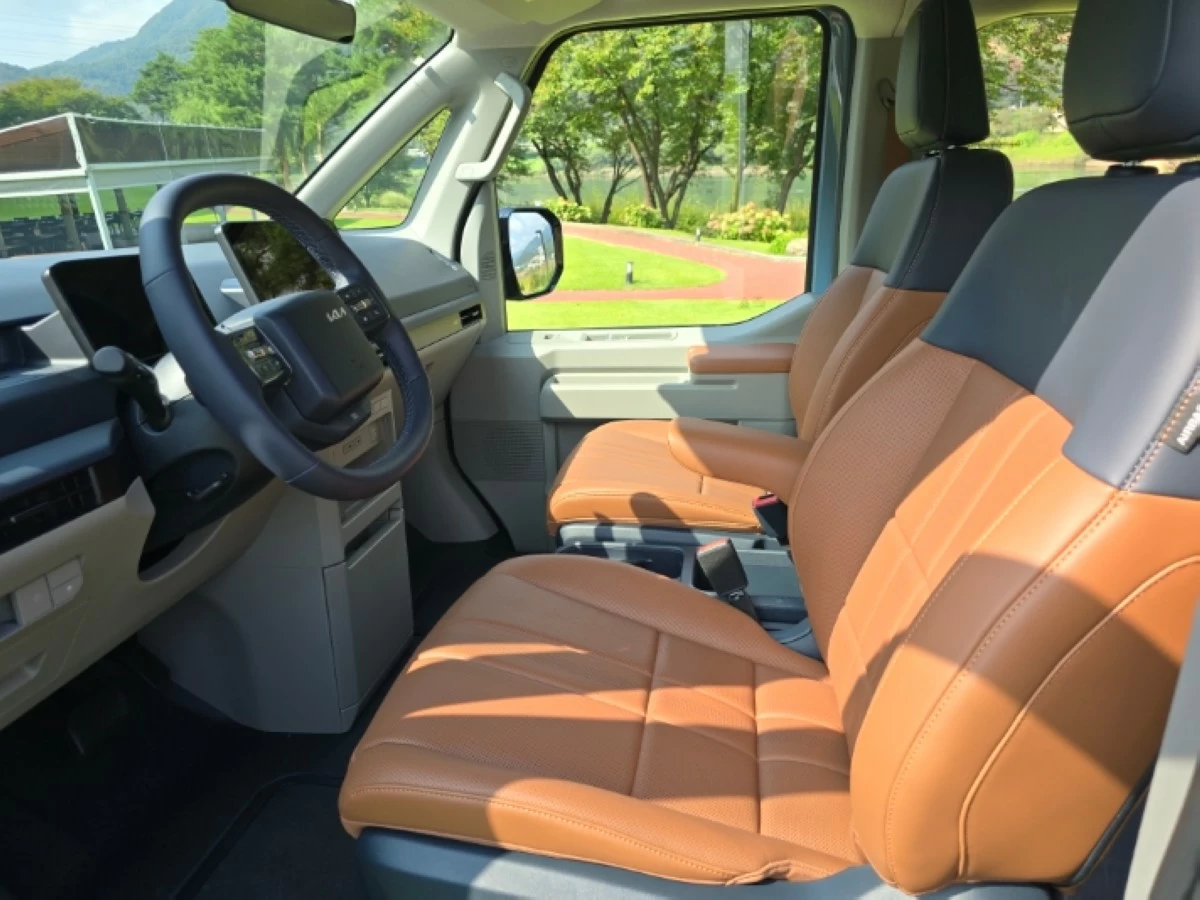
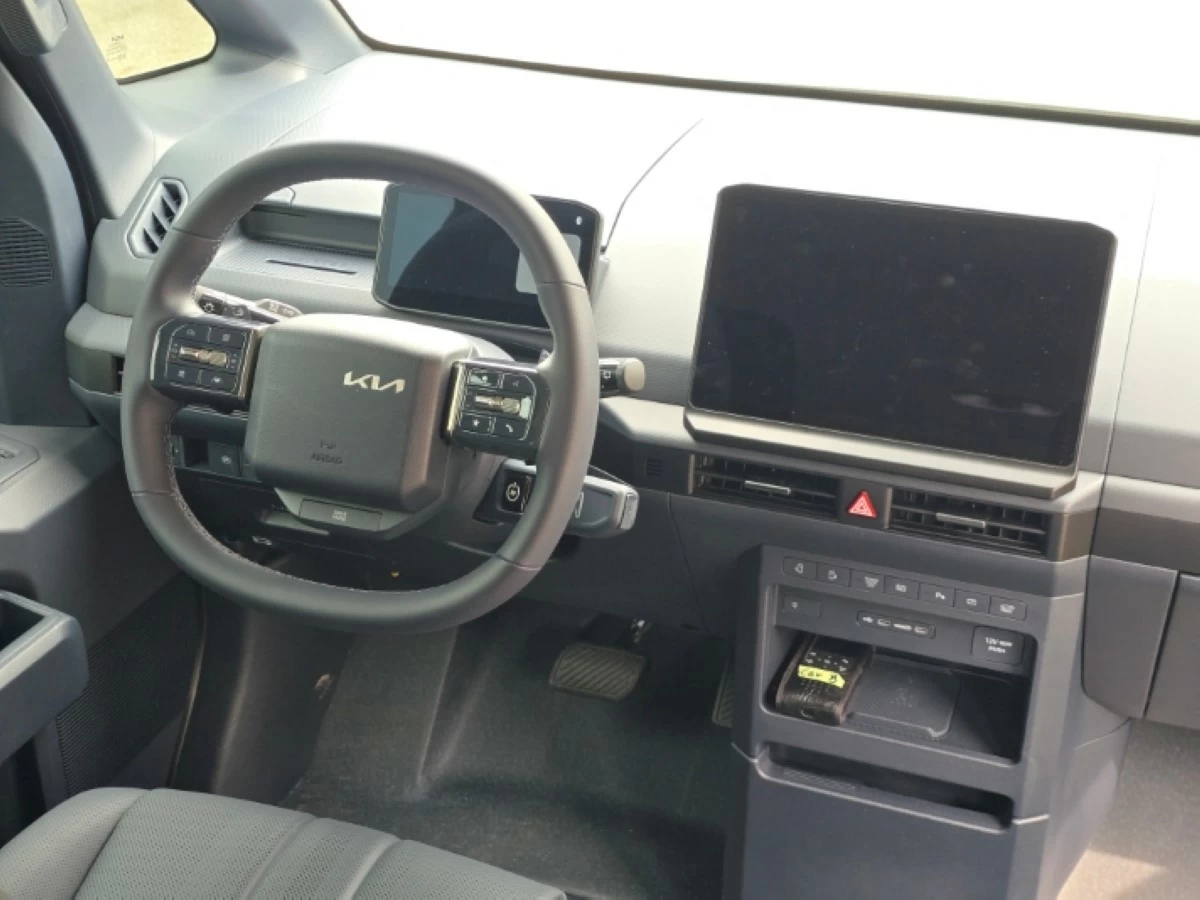
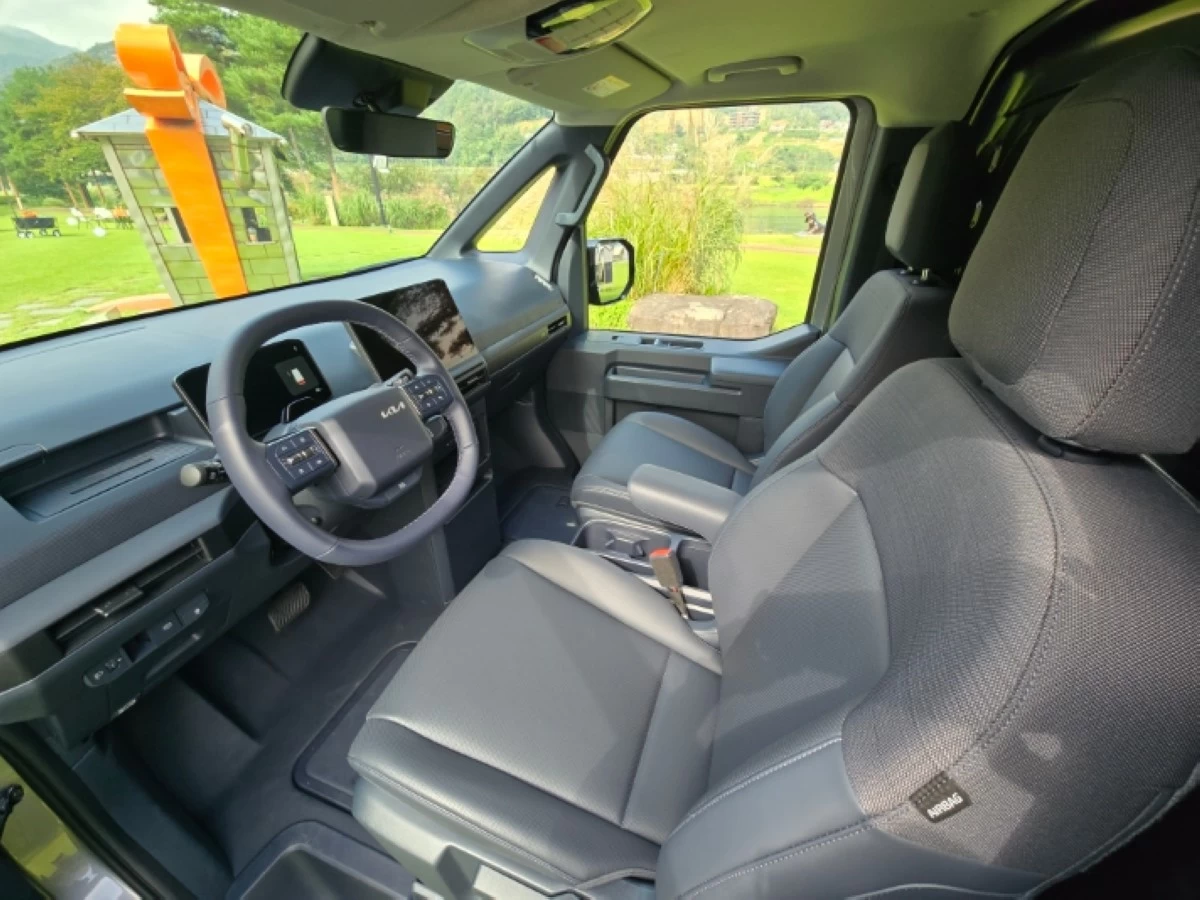
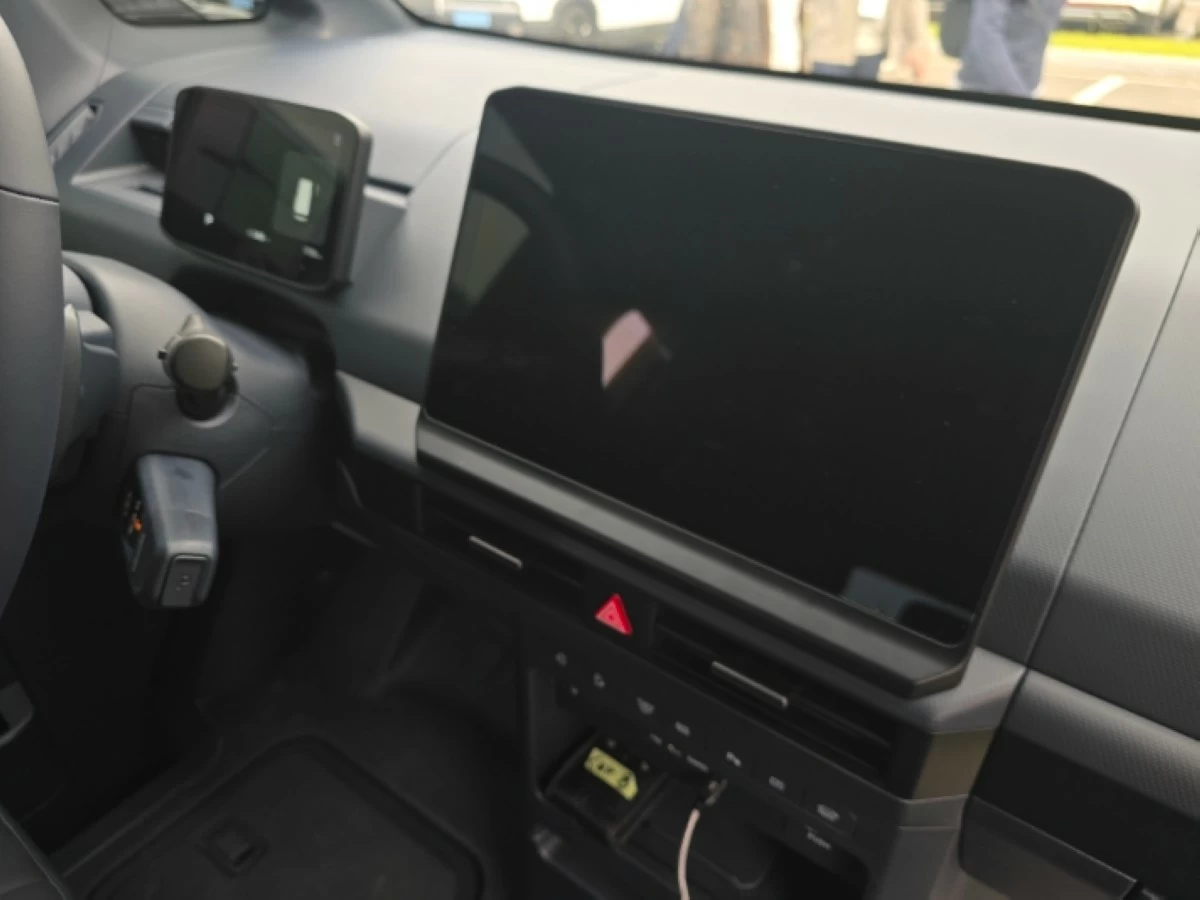
Inside, the PV5 introduces a clean, connected cabin. A 12.9-inch infotainment display and a 7.5-inch digital instrument cluster dominate the dashboard. The system runs on Kia’s Android Automotive-based interface, integrating directly with Fleet Management Solutions developed with Geotab. This setup gives fleet operators real-time access to data on usage, efficiency, and maintenance without needing external hardware. Over-the-air updates keep the system and vehicle features up to date throughout its lifecycle.
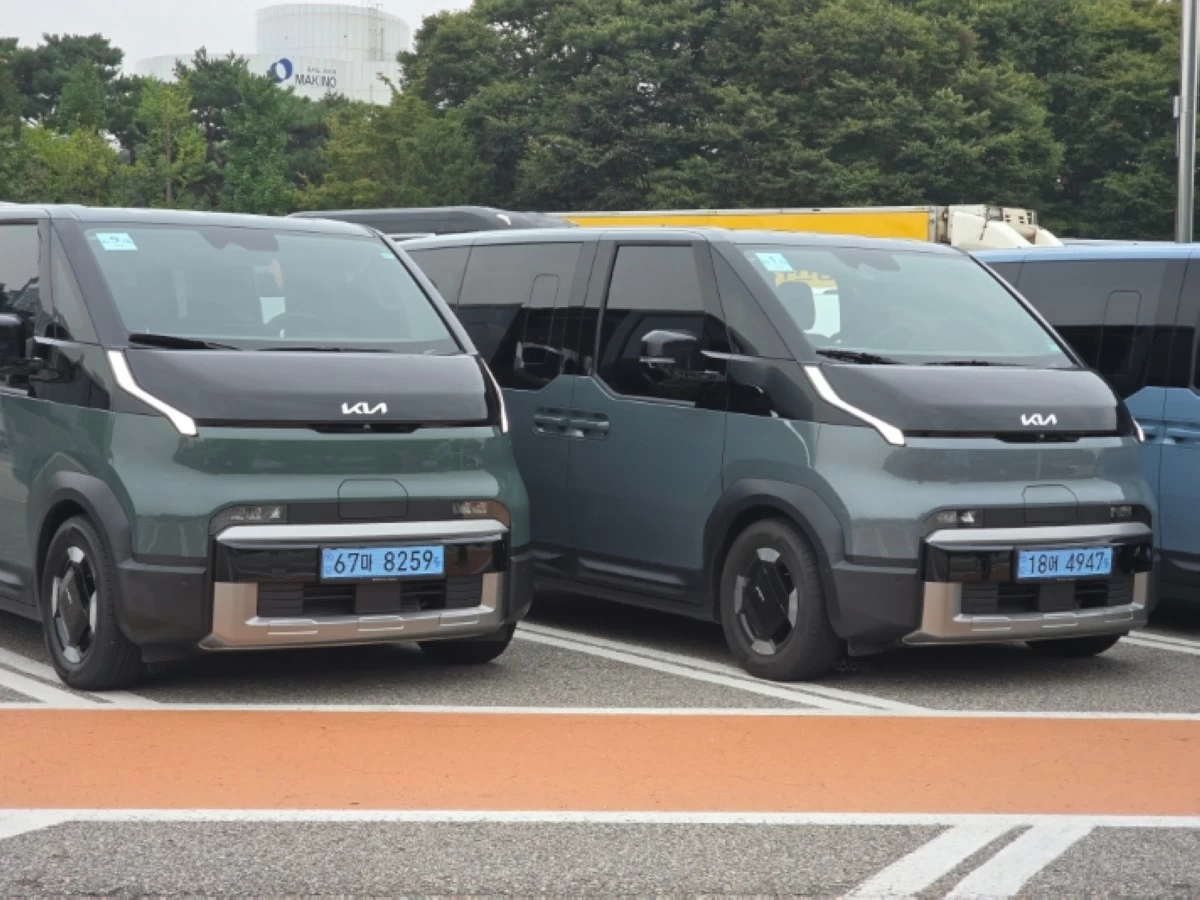
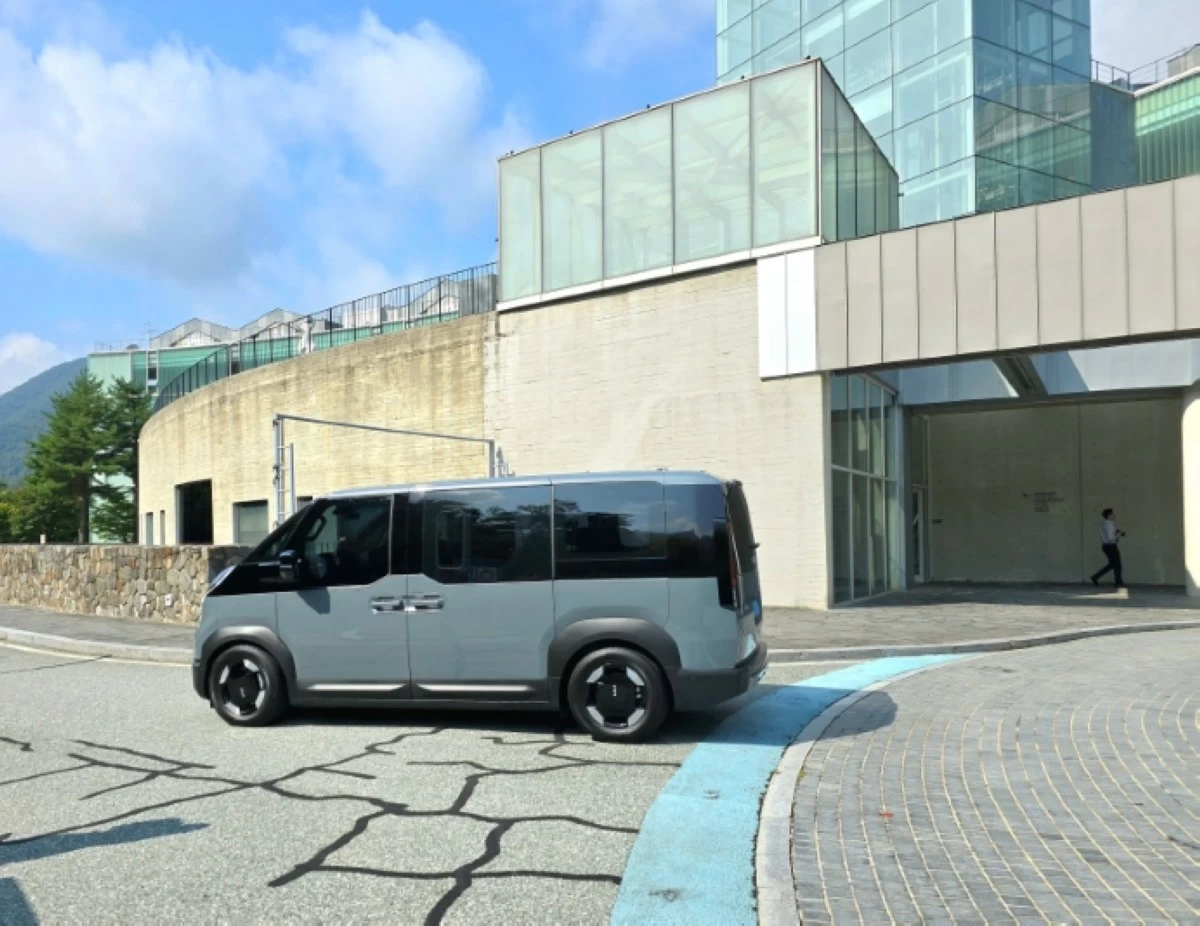
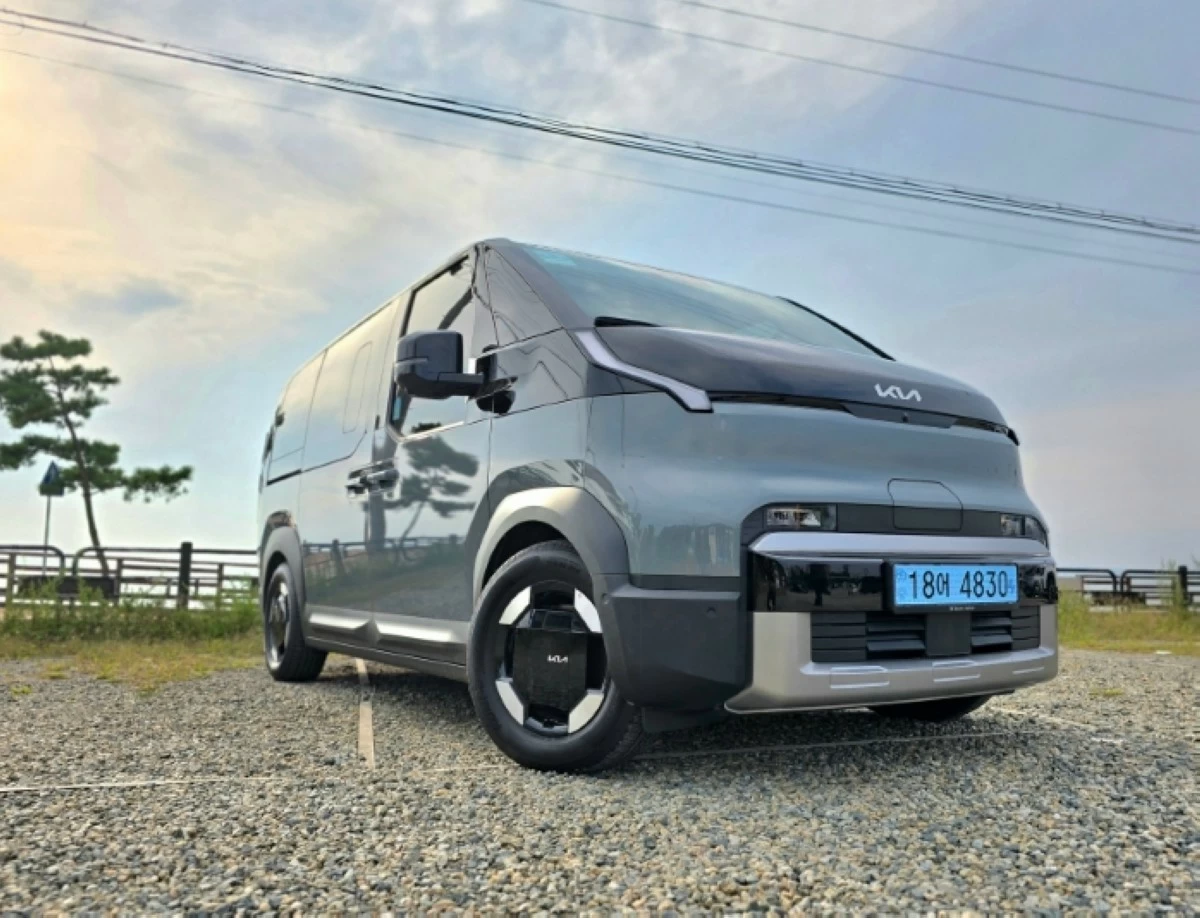
My initial driving impressions of the PV5 Passenger variant were positive. The vehicle prioritizes ease of operation over outright performance, with smooth acceleration and strong low-end torque suited to stop-and-go city driving. Steering is light but precise, and the suspension maintains a good balance between comfort and stability, even when driven enthusiastically. Cabin insulation is impressive for a commercial EV, thanks to sound-dampening materials and acoustic glass. In the passenger version, the ride feels almost like a crossover’s, but we really noticed how the low, heavy battery affects the suspension when going over speed bumps.
Beyond the vehicle, Kia executives outlined how the PV5 anchors the broader PBV lineup. Larger models, the PV7 and PV9, are already under development and scheduled for release in 2027 and 2029, respectively. These will expand the PBV range from compact urban transport to heavy-duty logistics. According to Ahn DongSoo, PBV Product Strategy Group Head, the PV9 is aimed squarely at competing with the likes of the Mercedes-Benz Sprinter van. The Hwaseong EVO Plant will serve as the benchmark for future PBV production sites worldwide, where modular design and digital quality control will define manufacturing standards.
For the Philippine market, Kia Philippines has yet to confirm plans for bringing in the PV5. However, its specifications align well with local needs. With growing attention to sustainable logistics, corporate electrification programs, and incentives under the EVIDA law, a purpose-built electric van like the PV5 could be attractive to fleet operators and businesses modernizing their transport solutions. Its range, quick-charging capability, and modular configuration would complement Metro Manila’s expanding EV infrastructure.