








(MB FILE PHOTO)
Staying healthy during the flu season can be challenging as the wet weather creates a perfect environment for viruses to thrive and spread.
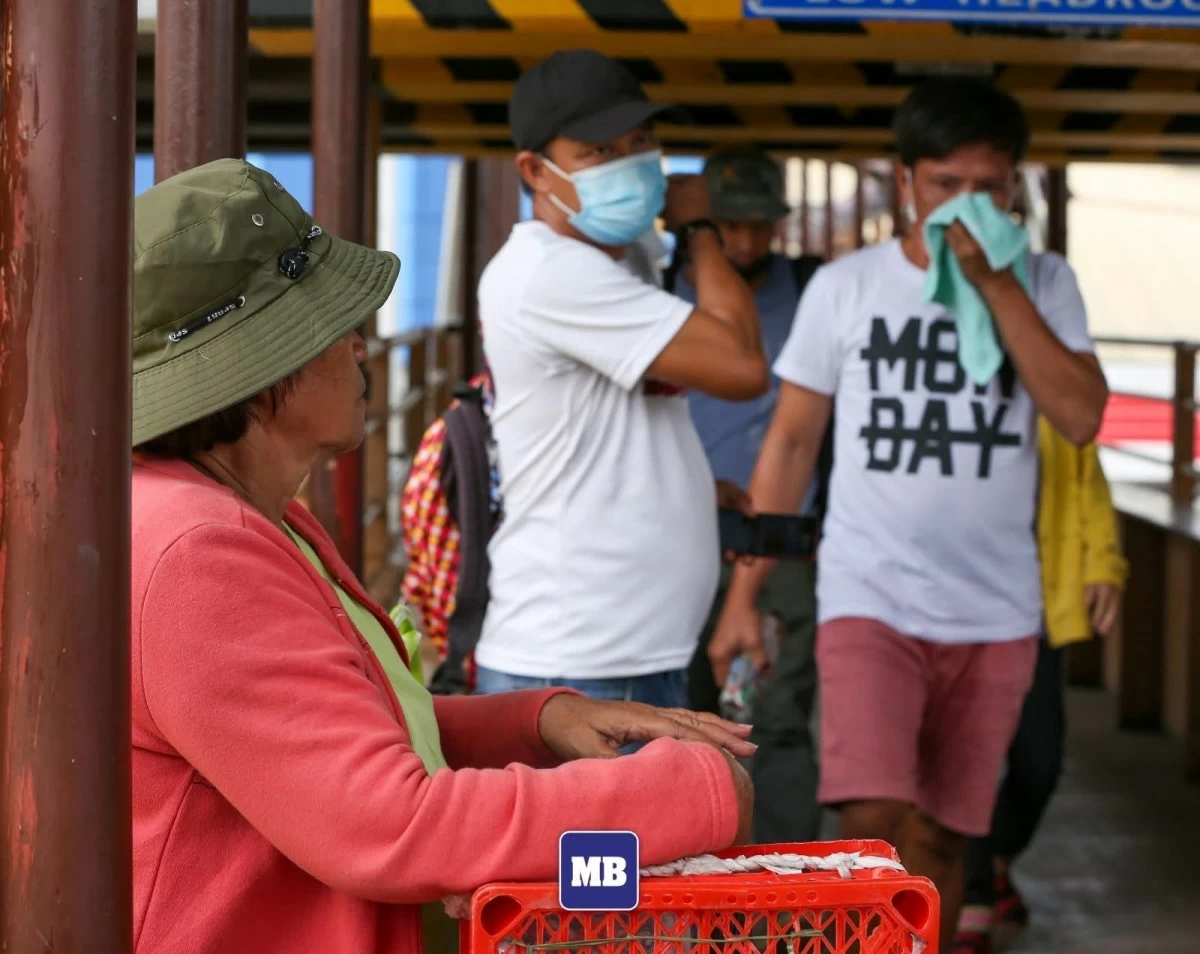
This is the very reason why the wet season is also known as the flu season in the Philippines. Inside churches or public transport like jeepneys, one can easily hear people coughing, a familiar sound during this time of year.
The mix of crowded public spaces, enclosed areas, and unpredictable weather makes it easier for the virus to spread, but experts say there are practical ways to stay protected.
According to Dr. Mark Jayson Malaluan, the country medical chief of Sun Pharma Philippines, prevention remains the best defense against influenza-like illnesses (ILI).
“Wearing a mask is strongly recommended, especially in crowded areas or when experiencing symptoms such as cough, colds, or fever,” he said in an interview.
He explained that “influenza-like illnesses tend to rise during the rainy season due to enclosed spaces and poor ventilation.”
Importance of hygiene, diet
Dr. Malaluan said basic hygiene and healthy habits remain among the most effective preventive measures.
“Proper hand hygiene through regular washing or alcohol-based sanitizers, ensuring good ventilation, avoiding close contact with symptomatic individuals, and maintaining a healthy lifestyle with balanced nutrition, hydration, and adequate rest all play a major role in keeping infections away,” he stated.
Building a strong immune system, Malaluan emphasized, is essential to reducing one’s susceptibility to influenza-like illnesses.
“This can be achieved by eating a balanced diet rich in fruits, vegetables, and protein, getting sufficient sleep, engaging in regular physical activity, managing stress, and staying hydrated,” he said.
“Vitamin supplementation, such as Vitamin C, D, and Zinc, may help when advised by a physician,” he added.
At home, Dr. Malaluan advised families to curb the spread of flu-like infections by isolating symptomatic individuals, maintaining sanitation, and not sharing commonly used objects.
“Families should isolate sick members in a separate room when possible, disinfect frequently touched surfaces, and avoid sharing utensils, cups, and towels,” he said.
“Mask use indoors is advisable if someone is symptomatic, and improving airflow by opening windows or using fans can further reduce transmission,” he added.

Dr. Mark Jayson Malaluan
Vaccination for protection
Vaccination, he stressed, remains one of the strongest lines of protection, saying annual flu vaccination is best administered before peak season to ensure optimal protection.
“Vaccination remains one of the most effective strategies against influenza,” he said.
“Priority groups include senior citizens, young children, pregnant women, healthcare workers, and individuals with chronic illnesses,” he added.
He also cautioned against common myths circulating online about flu prevention.
“Common misconceptions include believing that flu is ‘just trangkaso’ and not serious, assuming antibiotics can cure viral infections, or thinking that flu vaccines cause flu,” Dr. Malaluan clarified.
“These are incorrect. Influenza can lead to severe complications, antibiotics do not treat viral illnesses, and vaccines contain inactivated virus, making them safe and effective,” he said.
Flu transmission in schools, workplaces
Dr. Malaluan said workplaces and schools can play a big role in preventing flu transmission.
“Workplaces can help reduce transmission by promoting flexible sick leave policies, improving ventilation, conducting regular cleaning, and organizing vaccination drives. Health education campaigns and monitoring absenteeism are also important for early detection and prevention,” he said.
For commuters, he said daily exposure in public transport is another concern, recommending vigilance and discipline.
“Commuters should wear masks properly and all the time, avoid touching their face after contact with surfaces, and sanitize hands after travel,” he said.
He added that avoiding crowded routes, traveling during off-peak hours, and keeping distance from visibly ill individuals can further minimize the risk of infection.

(PHOTO: PIXABAY)
Do not self-medicate
Malaluan reminded individuals to take flu-like symptoms seriously and avoid self-medicating without consulting a doctor.
“Individuals with flu-like symptoms should rest, isolate, and stay hydrated. Paracetamol may be taken for fever and body aches,” he said.
He emphasized that patients must seek prompt medical care if symptoms persist for several days or if breathing problems develop.
“Avoid self-medicating with antibiotics without a doctor’s advice,” he stressed.
No new virus detected
On Oct. 19, the Department of Health (DOH) assured the public that the uptick in respiratory illnesses is linked to the usual flu season, not to any new or unusual virus strain.
The clarification followed the Quezon Provincial Government’s directive mandating face masks in indoor settings and crowded spaces amid rising cases of cough, colds, and pneumonia.
Earlier, the health department noted an eight-percent decline in influenza-like illness (ILI) cases this year compared to 2024.
Data from the DOH showed that between Jan. 1 and Sept. 27, 121,716 ILI cases were documented nationwide, down from 132,538 in the comparable period last year.
As flu season peaks, experts are reminding everyone that prevention starts with responsibility- - -from wearing masks and washing hands to getting vaccinated. Because when it comes to influenza, it’s never “just trangkaso.”