






Manila Bulletin
 Philippines
National
'Flu surge' prompts health breaks, online classes across Metro Manila universities
Philippines
National
'Flu surge' prompts health breaks, online classes across Metro Manila universities
Philippines
National
'Flu surge' prompts health breaks, online classes across Metro Manila universities
'Flu surge' prompts health breaks, online classes across Metro Manila universities
Published Oct 15, 2025 12:13 pm
|
Updated Oct 15, 2025 02:19 pm


At A Glance
- Several Metro Manila universities have shifted to health breaks and online classes amid a surge in flu and influenza-like illness (ILI) cases.
- DOH urges continued precautions even as nationwide flu cases remain 8% lower than last year.
- DepEd, expert call for balanced responses to prevent prolonged class suspensions and learning disruptions.
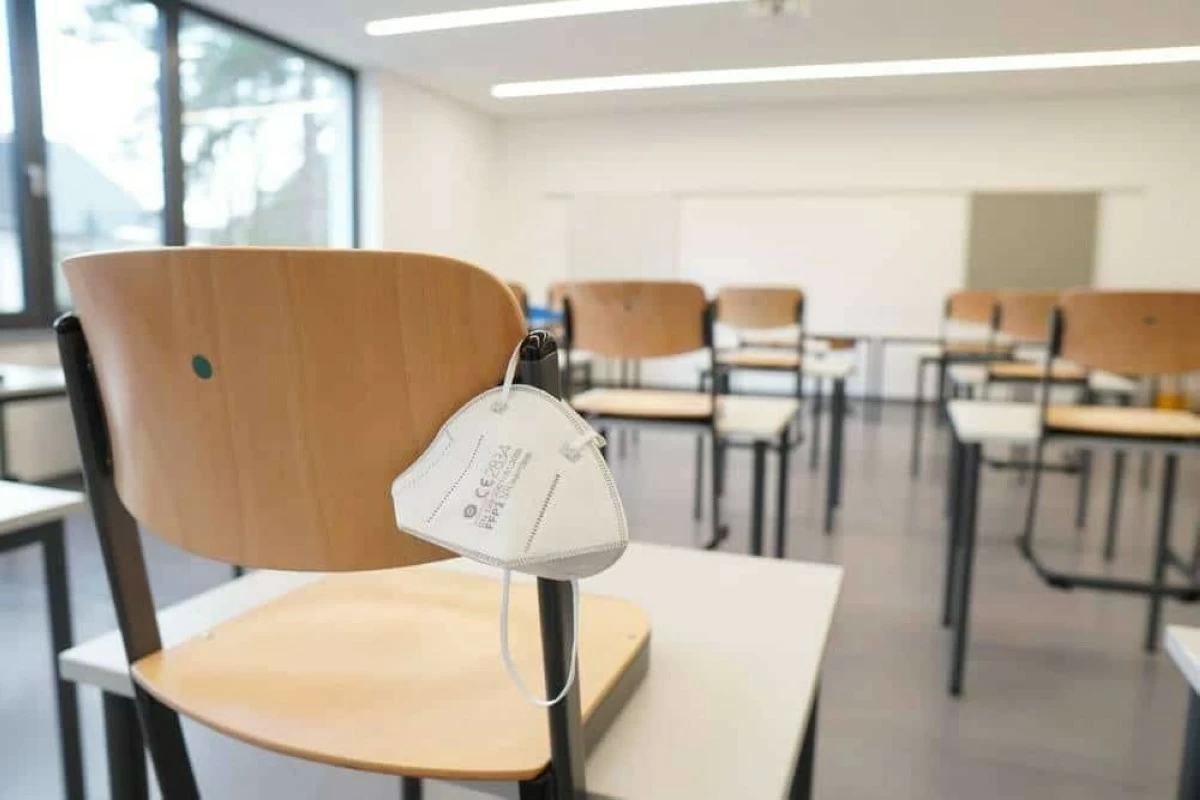
Several Metro Manila universities suspend in-person classes and declare health breaks amid a surge in flu and influenza-like illness cases. (Photo from Unsplash)
Several major universities in Metro Manila have announced temporary class suspensions and health breaks this week amid a rising number of flu and influenza-like illness (ILI) cases reported across campuses.
Mapúa University, Colegio de San Juan de Letran, Lyceum of the Philippines University (LPU), the University of Santo Tomas (UST), and Philippine Christian University (PCU)—based on their respective social media announcements—are among the institutions implementing precautionary measures to safeguard students, faculty, and staff.
Universities shift to online learning or suspend classes
Citing a “continued surge” in flu cases, Adamson University in Manila has suspended classes at all levels from October 14 to 18, in line with the health and safety measures previously implemented by the university.
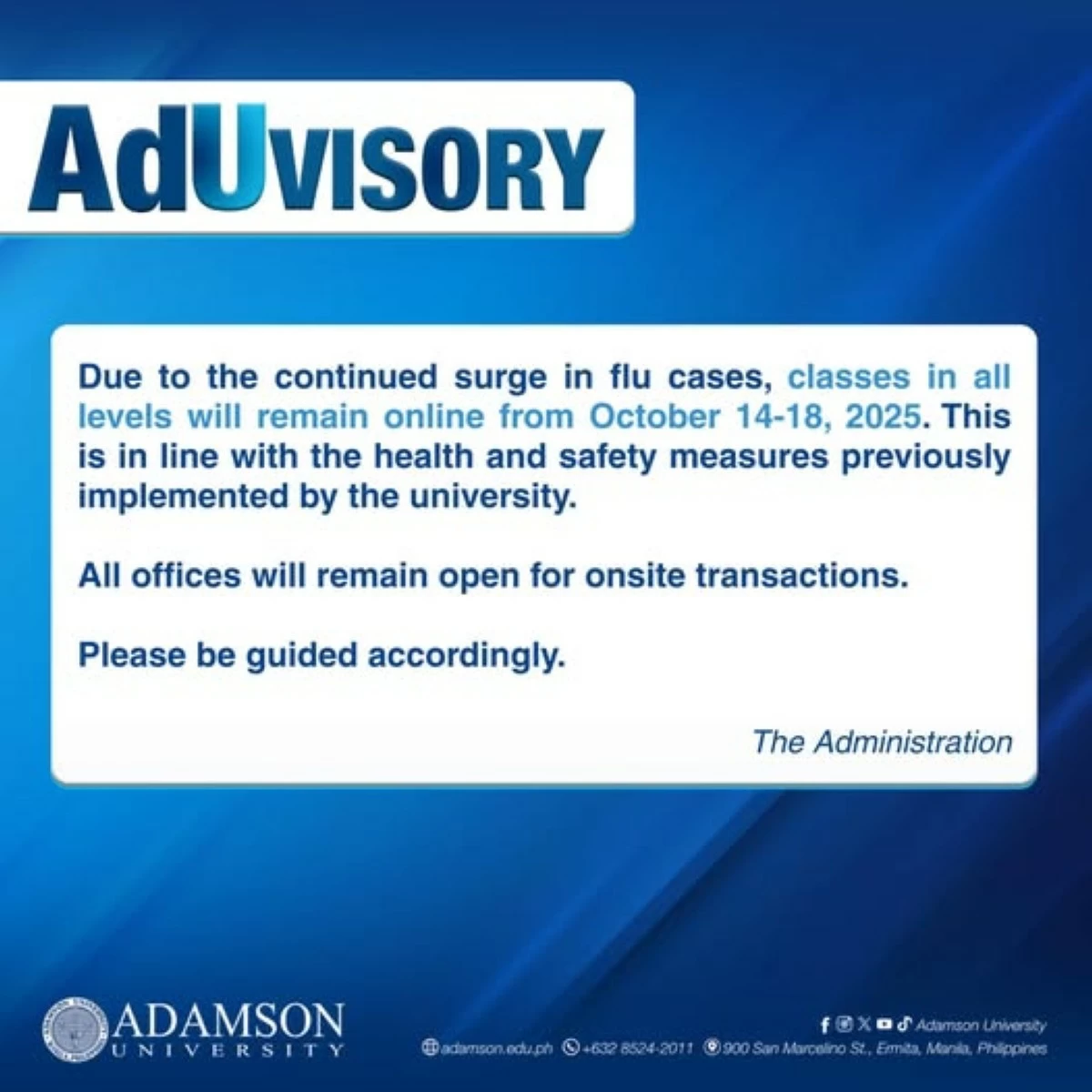
Adamson University / Facebook
UST declared a two-day health break on Wednesday and Thursday, October 15–16, suspending both classes and office work due to the ongoing flu surge. Thomasians needing medical consultation were encouraged to access services through the university’s THOMedSS system.
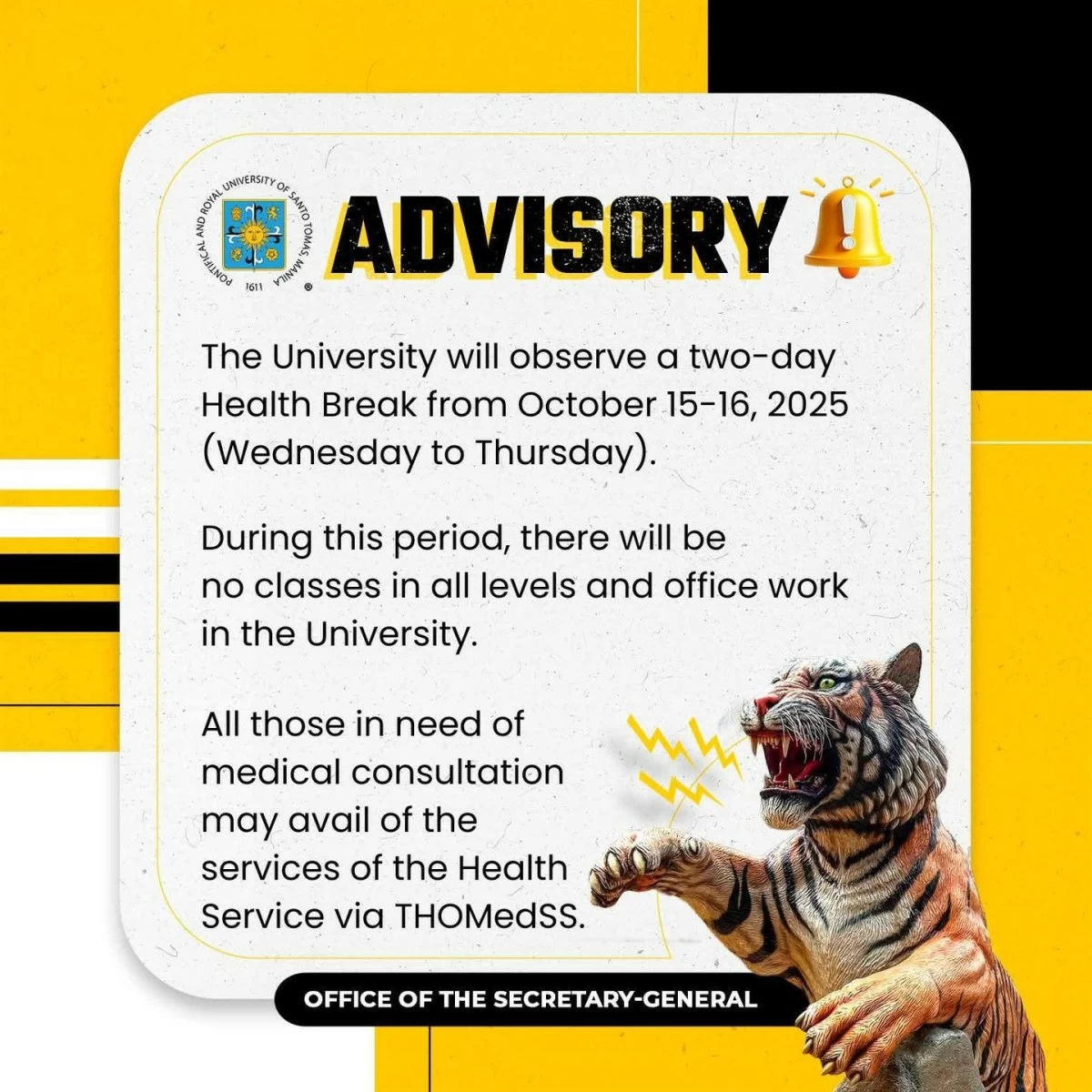
University of Santo Tomas / Facebook
Letran also announced that classes at all levels would be held online from October 15 to 16, with offices remaining open for on-site transactions. The university advised students and personnel to continue following safety measures, including wearing masks.
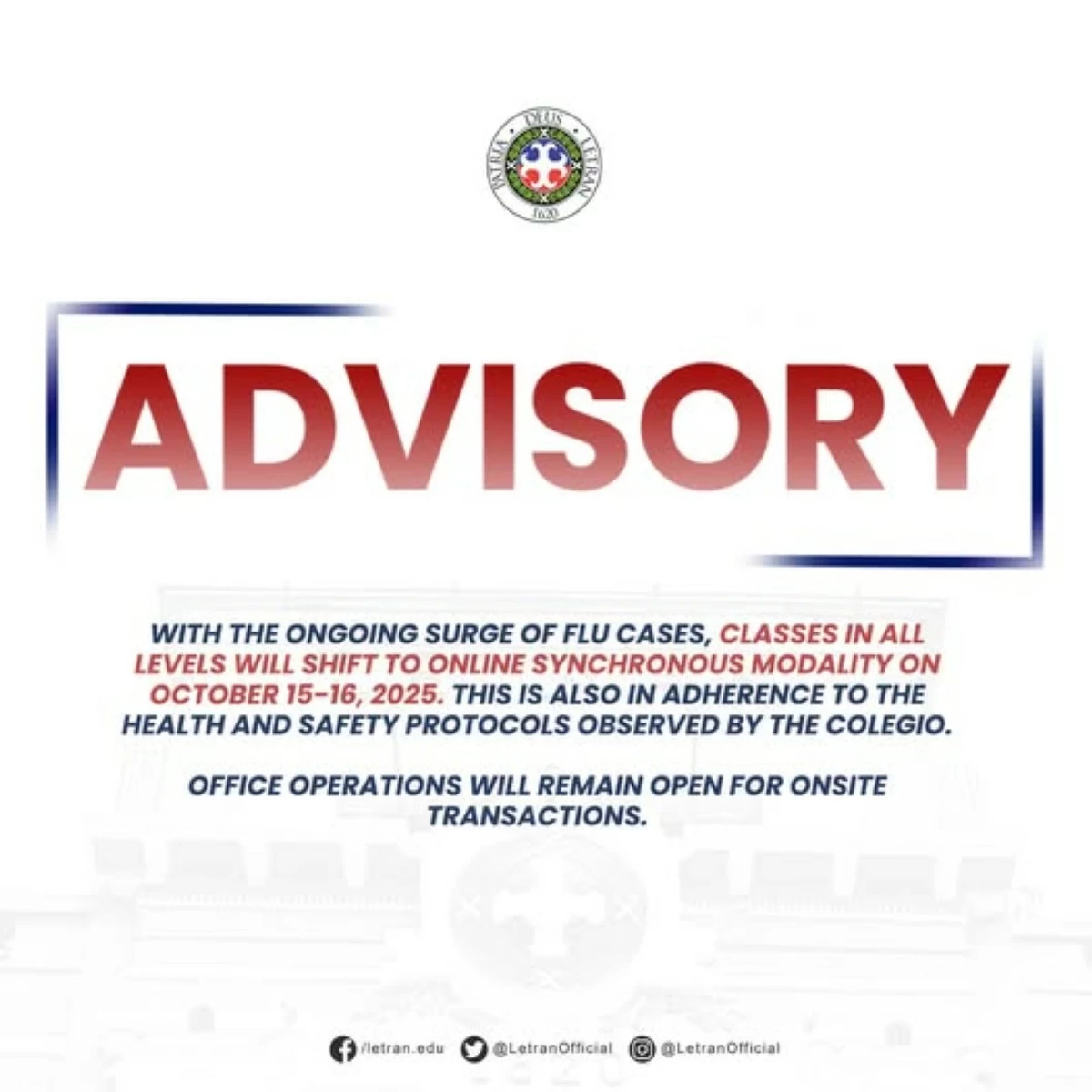
Colegio de San Juan de Letran / Facebook
Mapúa University announced that all classes across its Intramuros, Makati, and Ayala Malls campuses would shift to online synchronous sessions on October 16, 2025, to prioritize community health.
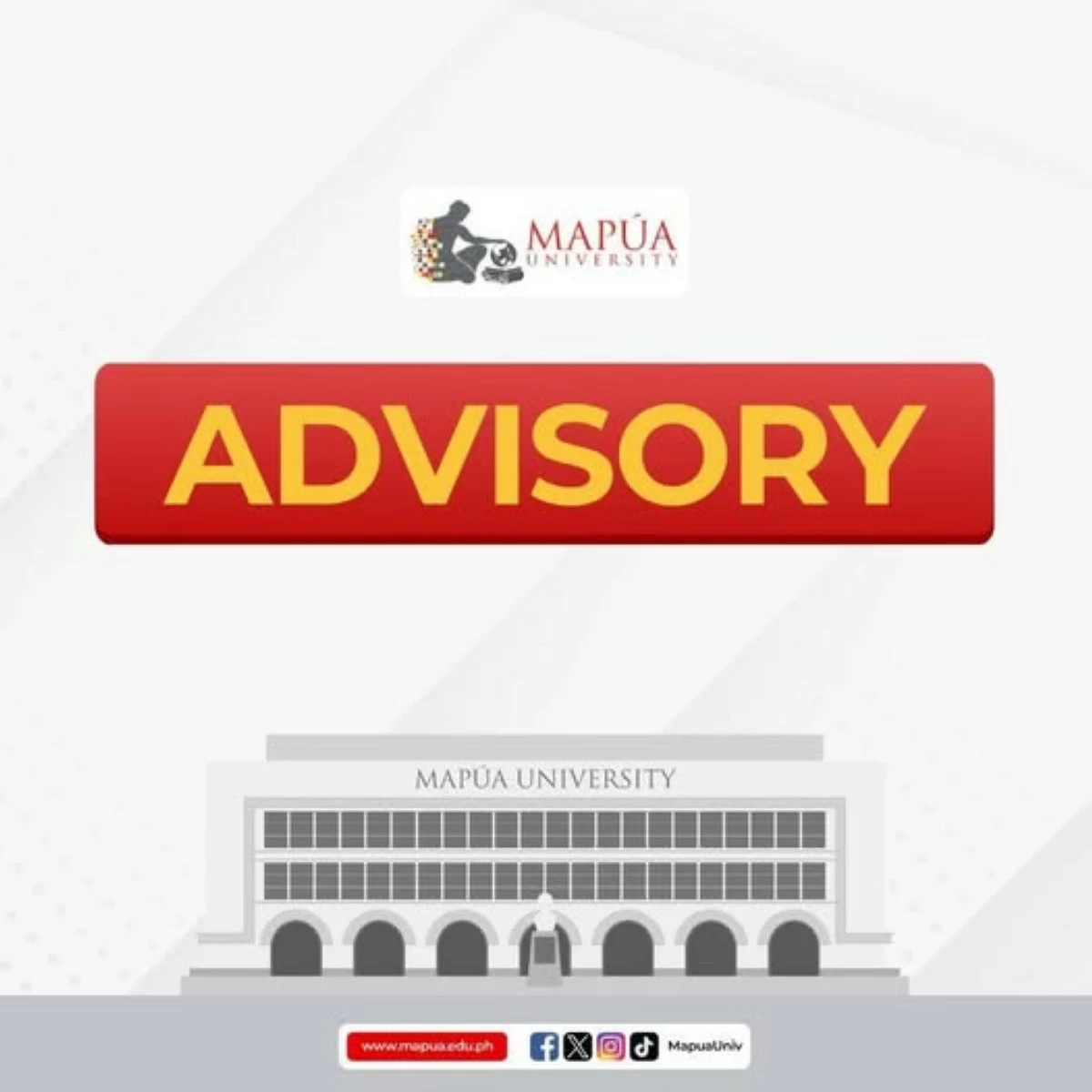
Mapua / Facebook
Lyceum of the Philippines University–Manila declared no classes on October 17 and 18, giving both students and faculty a “much-needed health break” to rest and recover.
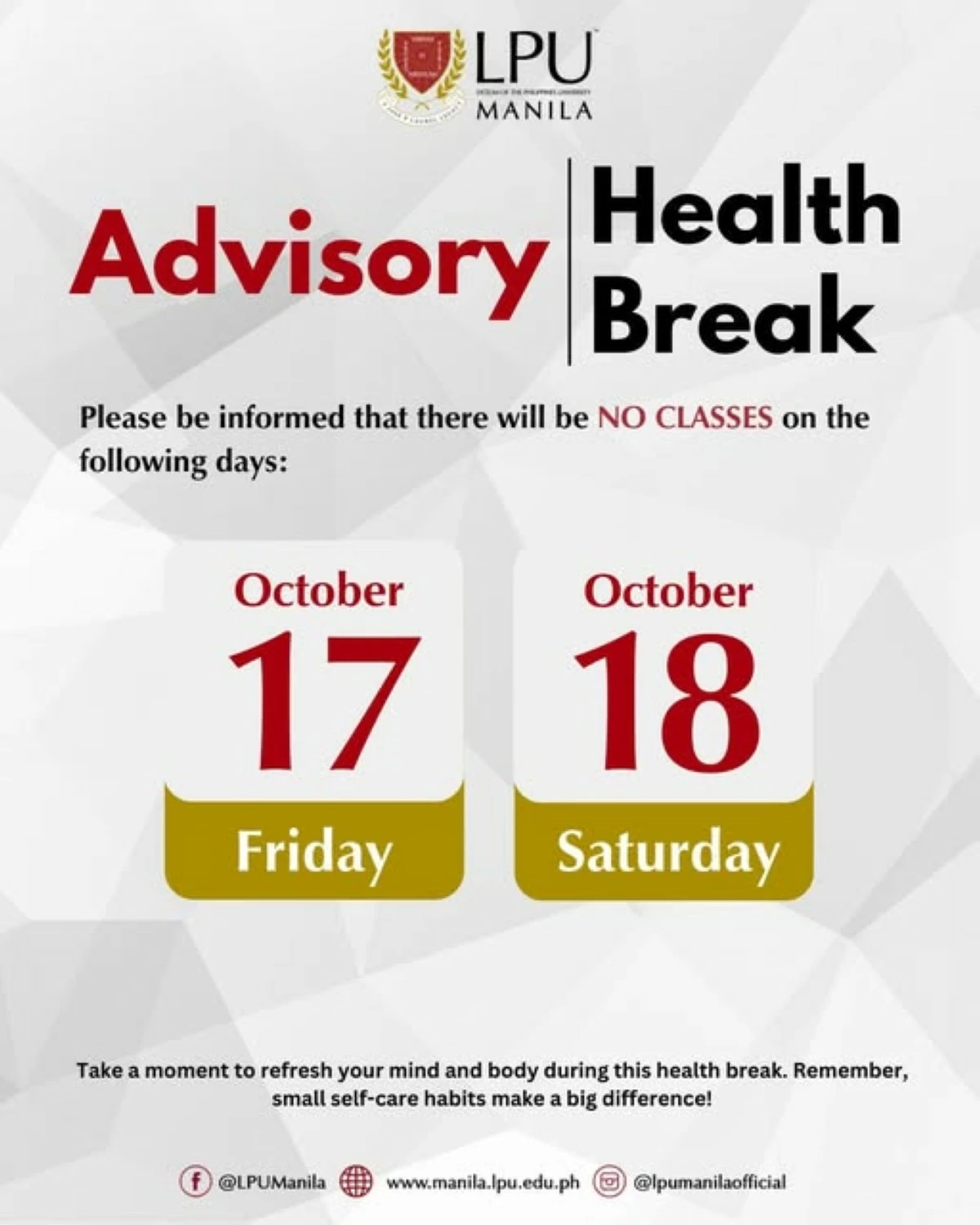
Lyceum of the Philippines University - Manila / Facebook
Meanwhile, PCU–Manila extended its suspension of in-person classes until October 18, continuing with online learning across all levels. The university said it would maintain sanitation and disinfection protocols during this period.
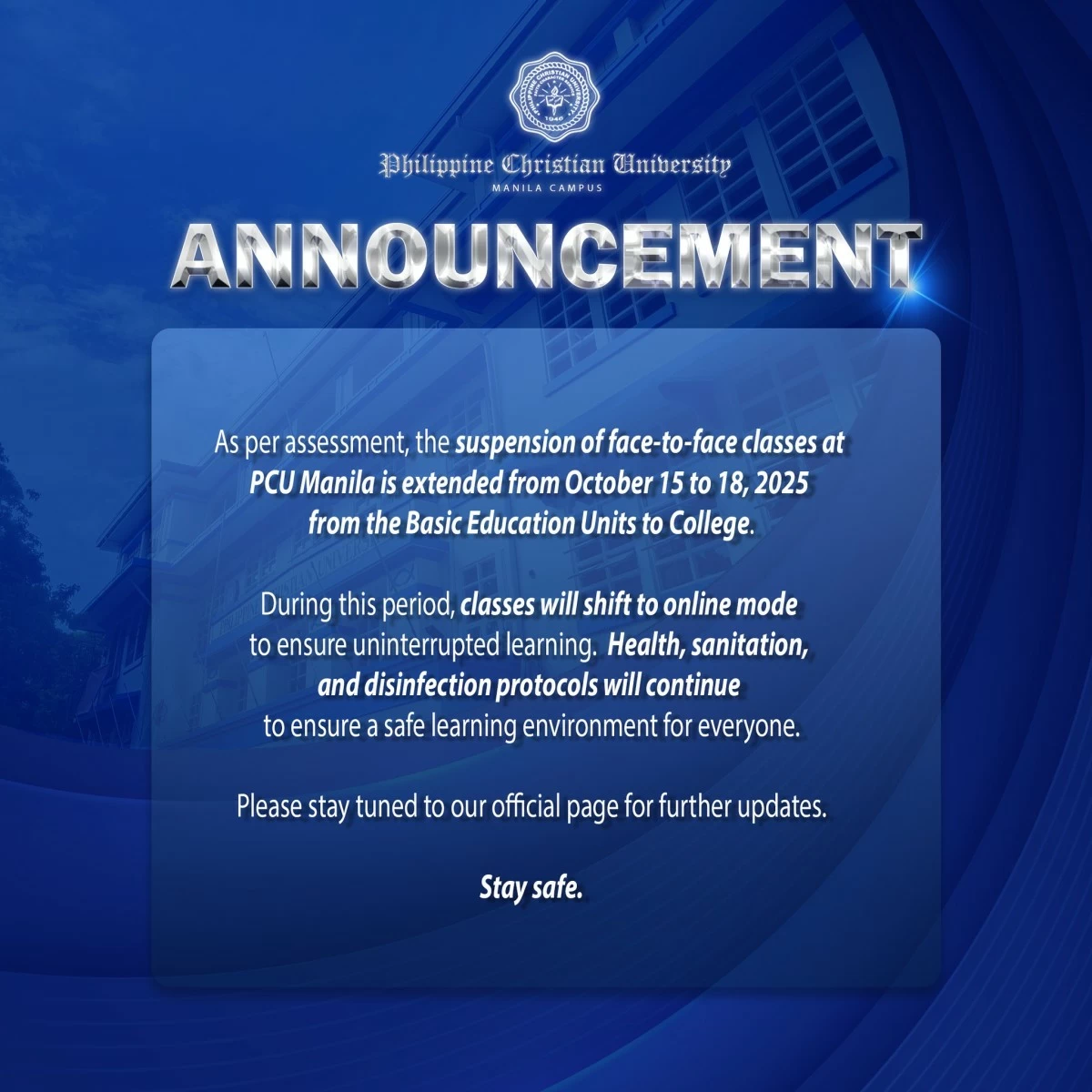
PCU Updates / Facebook
Other schools issue advisories
Centro Escolar University (CEU) in Manila reminded students to remain vigilant and practice preventive measures such as mask-wearing, hand hygiene, and proper cough etiquette. Its Health Services Department remains open for both in-person and online consultations.
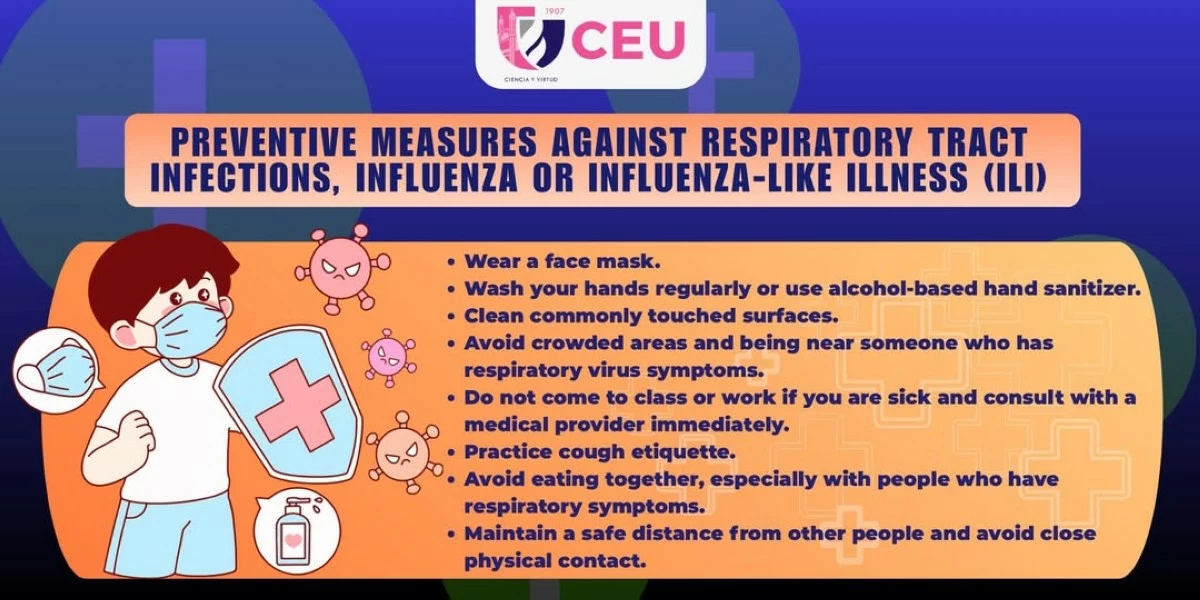
Centro Escolar University / Facebook
Ateneo de Manila University also encouraged its community to take extra precautions, especially during large gatherings and indoor events such as UAAP games, where limited ventilation may increase the risk of respiratory illnesses.
In Cavite, Emilio Aguinaldo College (EAC) released a health advisory urging students to wear face masks in crowded spaces and observe proper hygiene amid rising flu cases in the province.
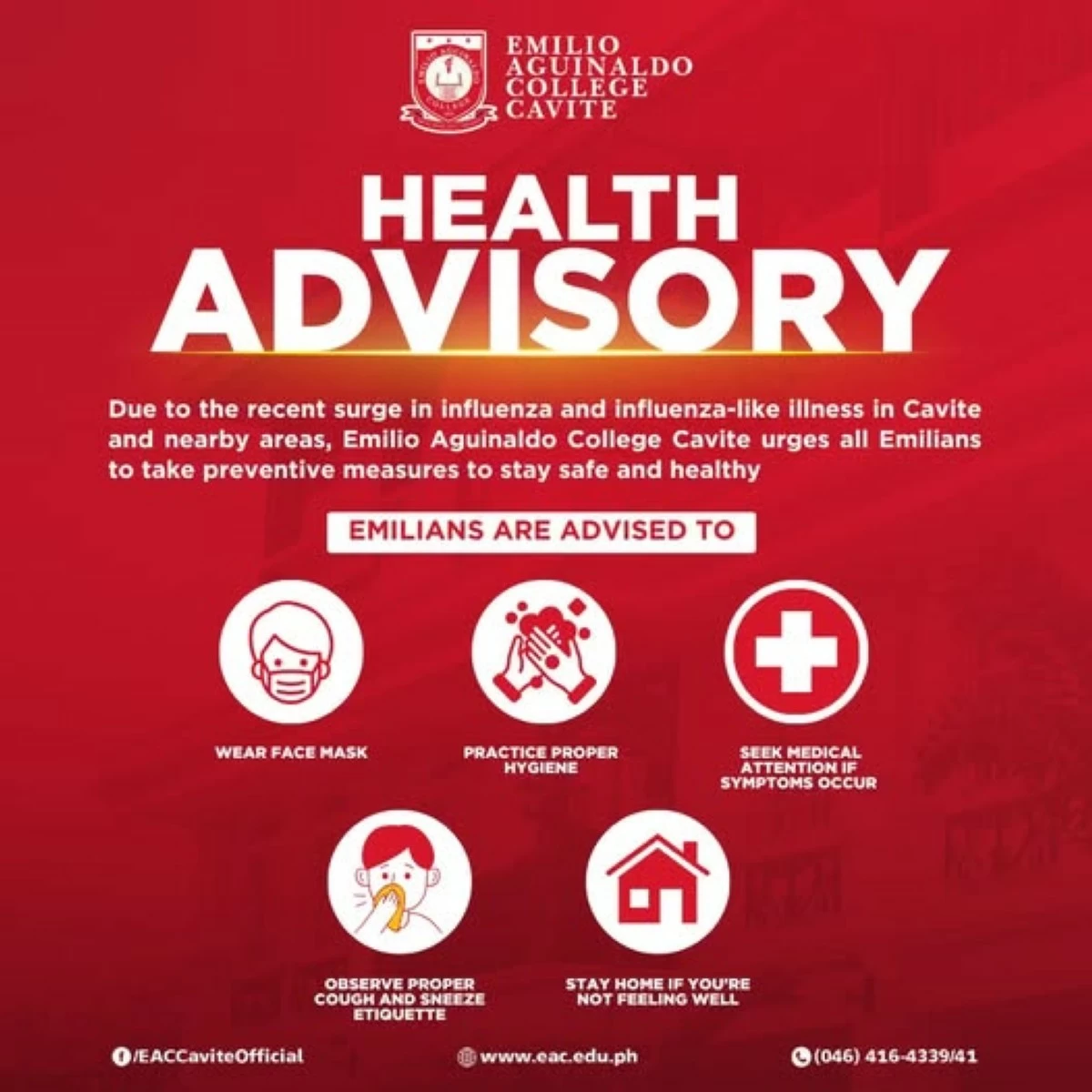
Emilio Aguinaldo College - Cavite / Facebook
DOH: Flu cases slightly lower than last year
Despite the recent uptick in reported illnesses, the Department of Health (DOH) maintained that nationwide influenza-like illness cases remain eight percent (8%) lower compared to the same period last year.
From January 1 to September 27, 2025, the DOH recorded 121,716 ILI cases—down from 132,538 in 2024.
However, DOH spokesperson Assistant Secretary Albert Domingo noted that flu activity typically increases during this season as temperatures drop.
“It is sound precaution for schools and local authorities to implement preventive measures to keep infections under control,” Domingo said.
READ:
Nearby provinces such as Cavite also announced the suspension of face-to-face classes at all levels from October 15 to 18 for an “infrastructure audit and ILI surveillance.”
The provincial government of Laguna earlier announced the suspension of face-to-face classes in all public and private schools from October 14 to 31, 2025, as a precaution against possible earthquake occurrences.
Several local government units, including Marikina and Montalban in Rizal, also suspended on-site classes due to health and safety concerns related to ILI and infrastructure issues.
Earlier this week, the Department of Education (DepEd) ordered the temporary suspension of face-to-face classes in all public schools in Metro Manila from October 13 to 14, allowing time for disinfection and health inspections amid the flu surge and recent earthquake activity.
Call for a balanced response
DepEd earlier called on LGUs to exercise “balance and prudence” when suspending classes in the interest of public safety.
“While caution is important, extended suspensions can disrupt learning and affect students’ development,” DepEd said in a statement issued on October 14. “Every decision should reflect both care for safety and commitment to learning continuity,” it added.
READ:
https://mb.com.ph/2025/10/14/deped-to-lgus-balance-safety-and-learning-in-class-suspension-decisions
Public health advocate Dr. Tony Leachon also urged both health and education authorities to adopt a balanced, data-driven approach that safeguards health without disrupting learning continuity.
“We cannot afford to normalize educational disruption as our default response,” Leachon said in a Facebook post on October 13.
“Our students have already endured years of interrupted learning due to typhoons, outbreaks, and lockdowns,” he added, noting that blanket class suspensions “disproportionately disrupt the lives of children and families, particularly the most vulnerable”—especially when not matched by similar restrictions in malls, churches, and other public spaces.
Leachon emphasized the importance of preventive education, vaccination, and mask-wearing in crowded settings.
He also called on the DOH, DepEd, and LGUs to collaborate on localized, data-driven responses that prioritize both safety and learning.
“Let us reserve class suspensions for truly extraordinary circumstances—not as a routine reflex,” he added.
RELATED STORY: