







Plant-based functional food for cancer prevention
Eating your way out of breast cancer
By Cheshire Que
Published Oct 13, 2025 08:04 pm


At A Glance
- All plant food sources have benefits beyond basic nutrition from carbohydrates, protein, and fat.
Did you know that men can also get breast cancer? While the majority of breast cancer patients are females, men are also vulnerable to it. During the Philippine Statistics Authority’s observance of breast cancer awareness last Oct. 29, 2024, head of surgical oncology at the Makati Medical Center, Dr. Emmeline Ellaine Cua-De los Santos, explained that breast cancer among men has a slightly higher mortality rate compared to females. Even if the incidence of breast cancer among male patients is less common.
Dr. Emmeline clarified during the educational webinar held online that hereditary cases of breast cancer are relatively rare. Most cases are due to lifestyle and environmental factors that include poor diet, alcohol consumption, and exposure to certain chemicals. She advocates a balanced and nutritious diet with a healthy lifestyle. She also emphasized the importance of regular self-breast examination and clinical check-ups.
Studies have shown that high intake of calories and total intake of fat, specifically, fried food and those that are high in saturated fat and polyunsaturated fat, like processed meats and ultra-processed food, greatly increase the risk of developing breast cancer. Animal-based products and dairy, like cow’s milk and cheese, are high in saturated fat. Therefore, breast cancer prevention, as well as prevention of other types of cancer, must lean toward having an eating pattern that is plant predominant, if not one hundred percent plant-based.
All plant food sources have benefits beyond basic nutrition from carbohydrates, protein, and fat. This is because of the phytochemicals or plant nutrients, antioxidants, and fiber that are exclusively available only among fruits, vegetables, whole grains, nuts, and seeds. Animal products do not contain any of these nutrients that can help fight breast cancer. Therefore, having characteristics that provide more than basic nutrition, plant foods in general are considered functional food. There are, however, specific plant food sources that have higher content and specific phytochemicals that are beneficial in preventing the development of breast cancer. They can also be eaten regularly as part of cancer nutrition among breast cancer patients at any stage of their disease.
As a registered nutritionist dietitian practicing integrative and functional nutrition, my first choice of plant food for breast cancer prevention is wholesome soy. Contrary to earlier beliefs that soy causes breast cancer or can aggravate tumor formation, a large body of research has proven that soy does not cause breast cancer, nor should a breast cancer patient need to avoid it.
Breast cancer can be hormone-related. Breast cancer cells can be estrogen receptor-positive. This led to the myth that soy will promote the growth of this type of cancer cells since soy contains the plant hormone or phytoestrogen known as isoflavone. While isoflavones have the same chemical structure as the estrogen produced by humans, they differ in terms of function. Both human estrogen and isoflavone may attach to estrogen receptors in the body. It is like a lock and key mechanism. The estrogen will promote tumor development, while the isoflavones in soy suppress tumor formation. Therefore, eating soy and getting isoflavones will give an individual protection from breast cancer development. Soy isoflavones from wholesome sources like fresh or dried soybeans, edamame, fresh soymilk, and freeze-dried soybean powder will compete with estrogen in the body to attach to estrogen receptors. Tofu contains some phytoestrogens too, but it has less of the amount compared to the other soybeans and products mentioned. You can still benefit from eating tofu to replace animal protein sources like meat.
The second most common breast cancer preventive plant food in my list is the cruciferous vegetables. Cruciferous vegetables include our locally and widely available cabbage or repolyo. Other types are broccoli, cauliflower, spinach, kale, radish, bokchoy, mustard greens, arugula, turnip, and Brussels sprouts, which are not locally grown. Watercress has a high content of phenylethyl isothiocyanate or PEITC, which is also present in other cruciferous vegetables. PEITC works as a scavenger for cancer stem cells in the body.
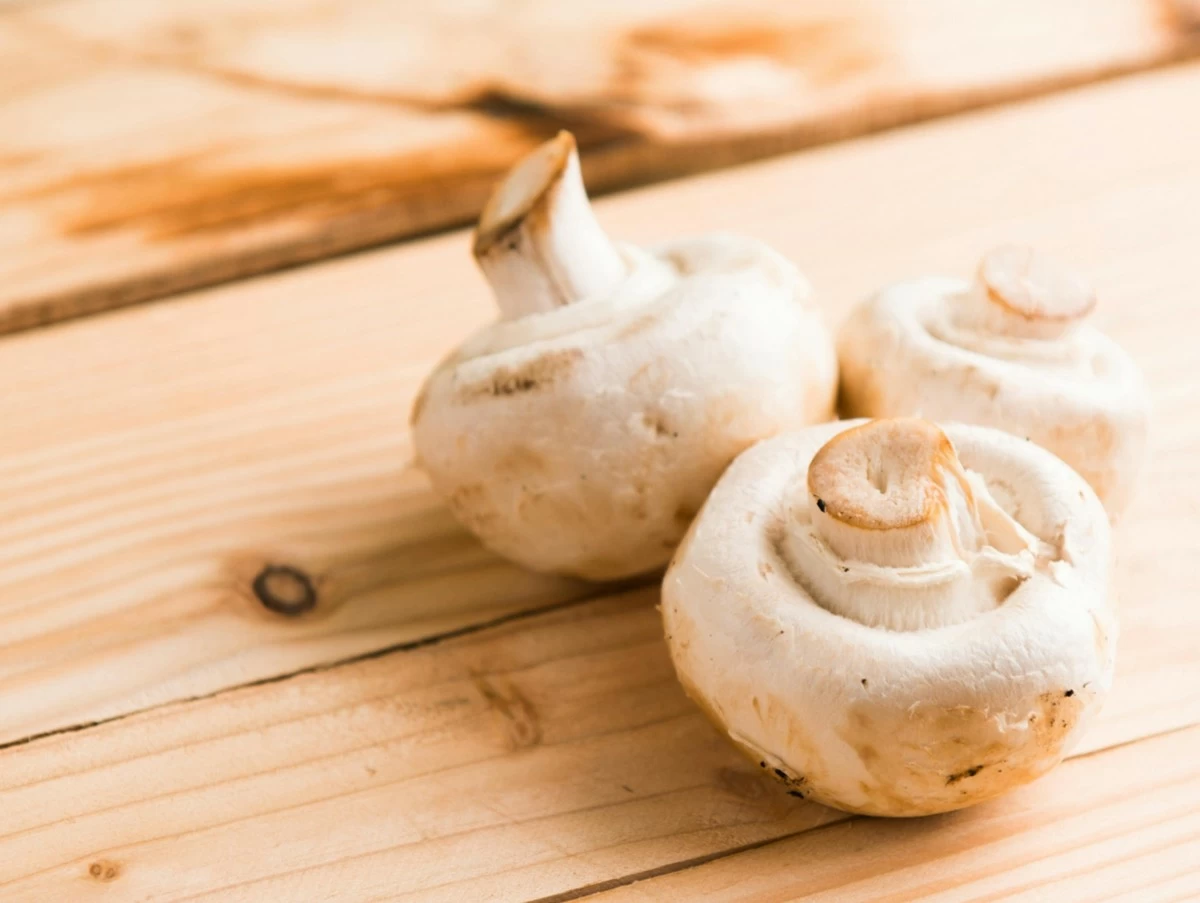
Lastly, one must make the intake of mushrooms part of his or her staples for breast cancer prevention. Mushrooms like white and brown button, oyster mushroom, portobello, porcini, shiitake, maitake, ABM, Reishi, white and black fungus or wood ear mushroom, Lion’s mane, enoki, and other mushrooms contain the carbohydrate polysaccharide.
Studies have shown that polysaccharides found in mushrooms have anti-tumor properties. They promote apoptosis or programmed cell death of breast cancer cells. Polysaccharides also inhibit the migration of cancer cells. Thus, preventing them from spreading, a condition known as metastasis. Furthermore, polysaccharides can help balance or activate the immune system. A healthy immune system can ward off cancer cells.
While all mushrooms contain polysaccharides, the Cordyceps mushroom has added benefits in the form of cordycepin. This naturally occurring plant chemical in cordyceps is a potent anti-breast cancer component.
Cordyceps may not be widely available in the Philippines, but freeze-dried powders that are still wholesome in nature are available. It is important, however, to check whether the ingredients list indicates the actual cordyceps mushroom or isolated nutrients like cordycepin. Isolated nutrients are no longer wholesome and may even be chemically derived. If you wish to consume the freeze-dried cordyceps, the label must indicate the type of mushroom and not the extracted plant chemical.
Eat your way out of breast cancer by adapting a more plant-predominant diet that includes wholesome sources of soy, cruciferous vegetables, and mushrooms.