ADVERTISEMENT

A tale told on a plate at Mita Kitchen + Lounge

Alabang's new dining room blends European finesse, Asian comfort, and a lounge that shifts with the day

Published Oct 8, 2025 06:30 am
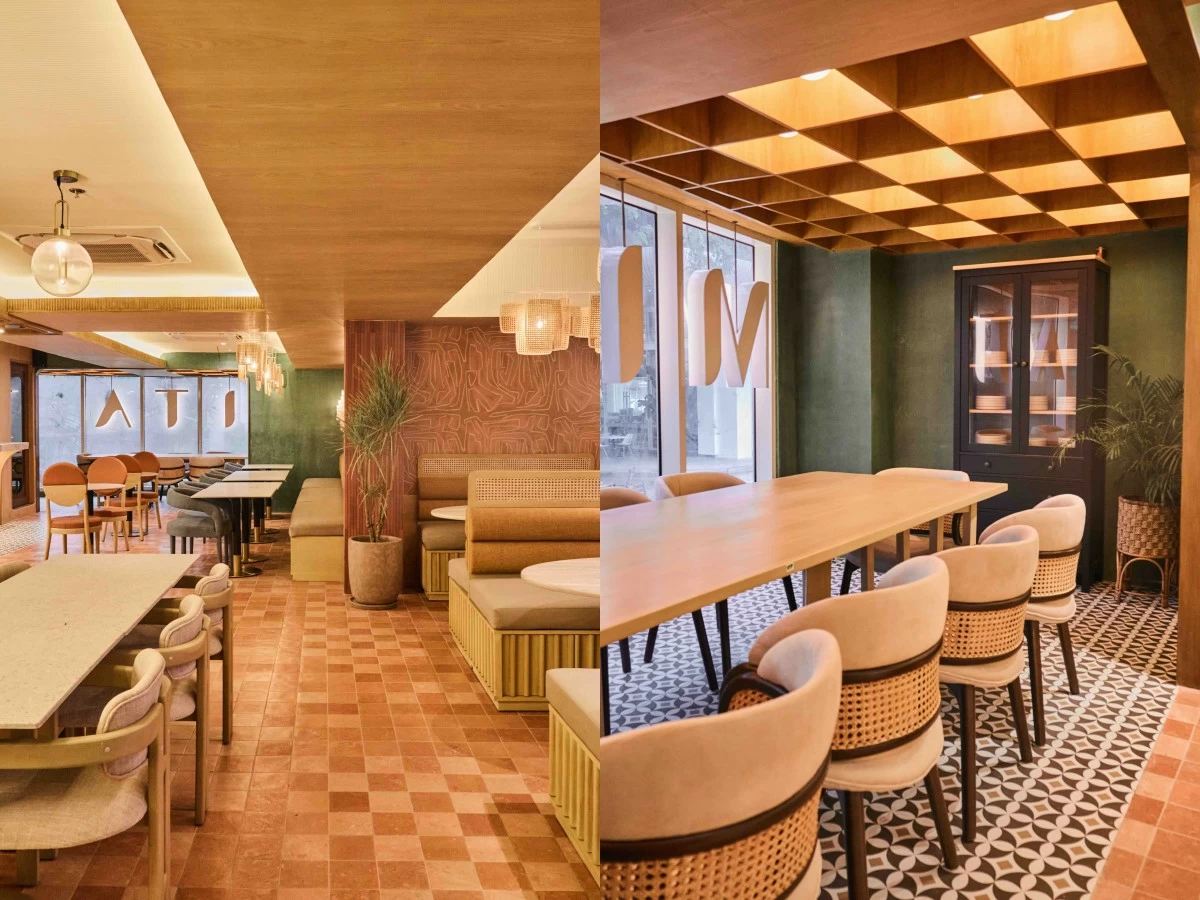
GOLDEN GLOW The interiors of Mita Kitchen   Lounge in Molito balance sleek modern lines with warm textures of terracotta, rattan, and shell chandeliers
GOLDEN GLOW The interiors of Mita Kitchen Lounge in Molito balance sleek modern lines with warm textures of terracotta, rattan, and shell chandeliers
The first thing you notice is the light. Warm, golden, caught in woven pendants that hang low above tables. Shell chandeliers shimmer as if they belong by the sea, scattering reflections across terracotta floors. The room is modern but softened by texture: rattan shades, earth tones, and furniture that asks you to stay. It feels polished yet human, designed for both coffee in daylight and cocktails long past midnight.
This is Mita Kitchen + Lounge, the newest tenant in Molito Lifestyle Center. For Alabang’s steady dining crowd, it arrives as something different: neither just a café, nor a straight-up fine dining room, but a hybrid space that stretches from brunch to bar.
At the heart of it is Chef Marco Legasto, a man who has moved through kitchens for more than two decades. His journey has taken him across Southeast Asia, into embassy dinners, and through high-profile restaurants in Manila. What he carries into Molito is not a single cuisine but a collection of experiences, distilled into food that feels both familiar and daring.
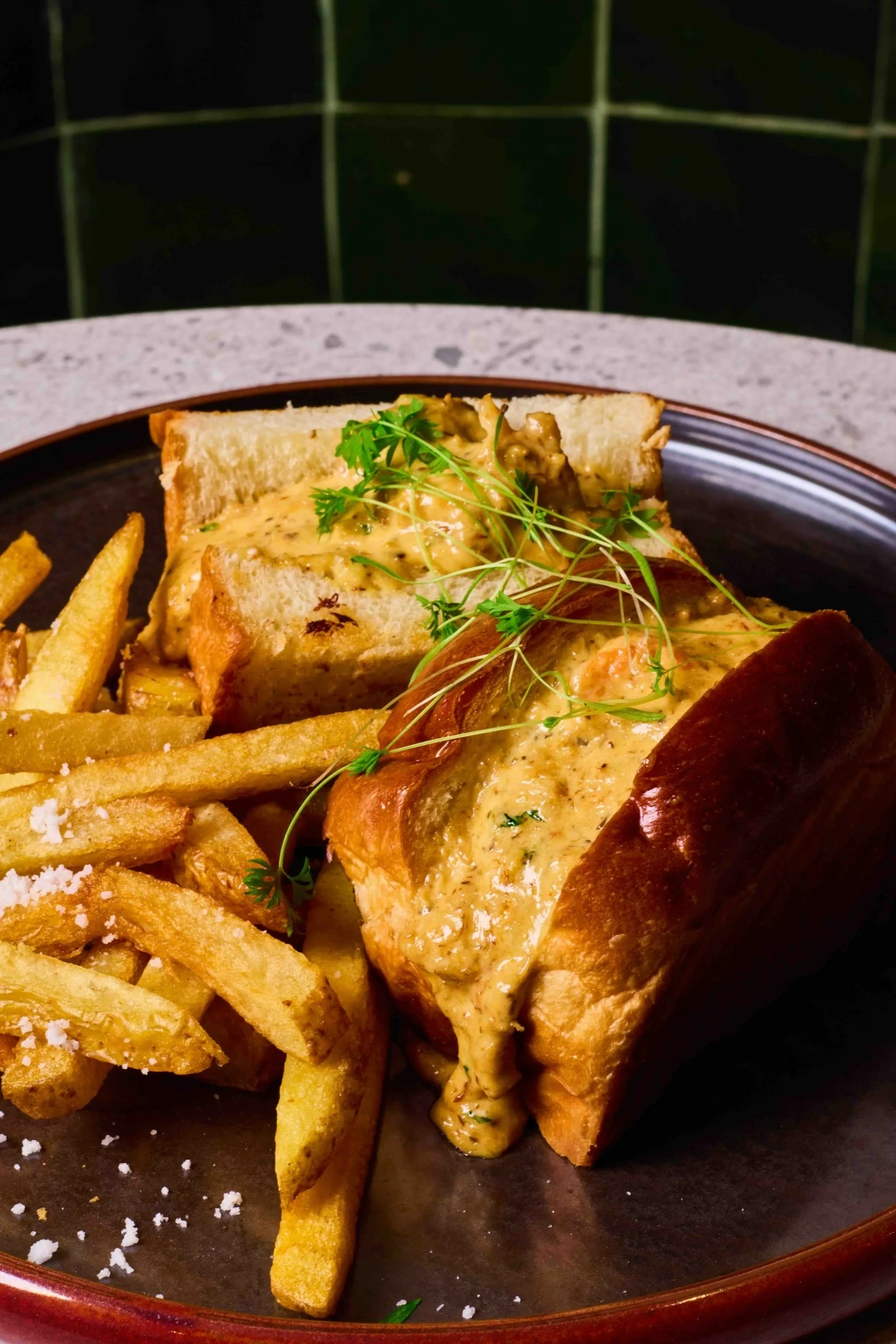
SEA PAIRING A soft bun filled with sweet prawn and crab delivers layers of richness and comfort in every bite.
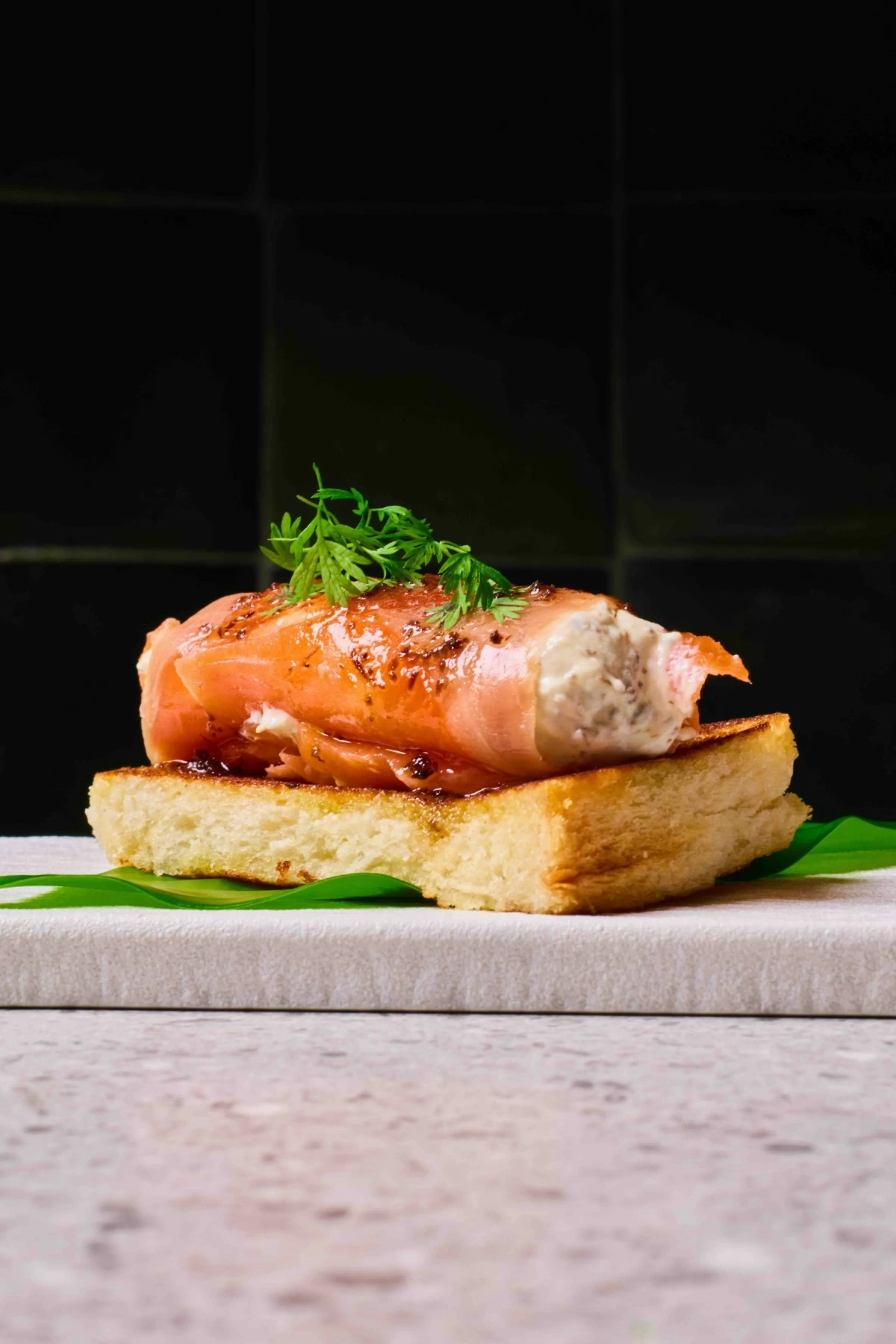
SMOKED INDULGENCE House-smoked salmon layered with truffle honey, cheese, and caviar on brioche, offering richness in every bite.
Plates come to the table with a quiet confidence. A roll of brioche is topped with salmon that is smoked in-house, layered with truffle honey and a small crown of caviar. The bite is rich, indulgent, yet restrained enough to ask for another. A steak, cooked to its edge, is given extra weight with bone marrow and foie gras butter. It is food meant for appetite, not restraint. The catch of the day, mahi mahi seared just long enough to hold a crust, rests against a duxelles of mushrooms and foie gras, a nod to Europe yet softened for local taste.
Dessert follows the same path. A cheesecake built from quezo de bola tastes at first of salt and nostalgia before giving way to sweetness. It recalls Christmas tables in Filipino homes, but arrives dressed for a restaurant that wants to impress.
The bar speaks the same language as the kitchen. Cocktails are bright, playful, and serious all at once. A mojito is lifted with sharper citrus than expected. A Paloma arrives fresh, clean, the kind of drink that carries a long afternoon. For the curious, there is the Last Word, sharp with herbs, layered enough to sip slowly. What ties them together is that nothing is outsourced. Syrups, infusions, even the curing of meats are handled within the lounge itself. The house insists that every detail carry its mark.
Chef Marco puts it simply: “We wanted the food to feel elevated but never intimidating. Every dish was chosen not just for taste, but to create a narrative that unfolds as you explore the menu.”
Narrative is a word that fits. Mita is not only about dining but about building moments. On weekends, DJs set a soundtrack under the chandeliers. Guest bartenders are expected to bring their own interpretations to the bar. Wine-pairing classes and chef collaborations are planned, so that regulars may find a different story each time they return. It is a restaurant, a lounge, and a classroom of flavor, changing with the day and the week.

FLAVOR STORYTELLER Chef Marco Legasto draws from more than two decades of international experience to craft Euro-Asian dishes that feel both familiar and daring.
This is not Mita’s first life. In BF Homes, the brand began as a café, a neighborhood spot known for coffee and community. That branch remains, steady and casual, a place where regulars know each other by name. Molito, however, is a leap. Husband-and-wife founders Rodney and Nikki Ynchausti shaped this chapter with a broader vision. They wanted a space that could shift identities as the hours pass, one that could hold both a chef’s ambition and the neighborhood’s appetite. Nikki guided the transition, ensuring that while Molito leaned toward refinement, the original spirit of comfort and community remained.
The interiors tell that story. Designed by Isa Pulvinar of Zero One Design, the room walks a careful line. There is a sleek bar at the center, but it never feels cold. Terracotta and wood balance its edges, while playful touches invite a lighter mood. It is a space designed to impress at dinner, yet still open its doors easily to a family lunch or an afternoon of coffee.
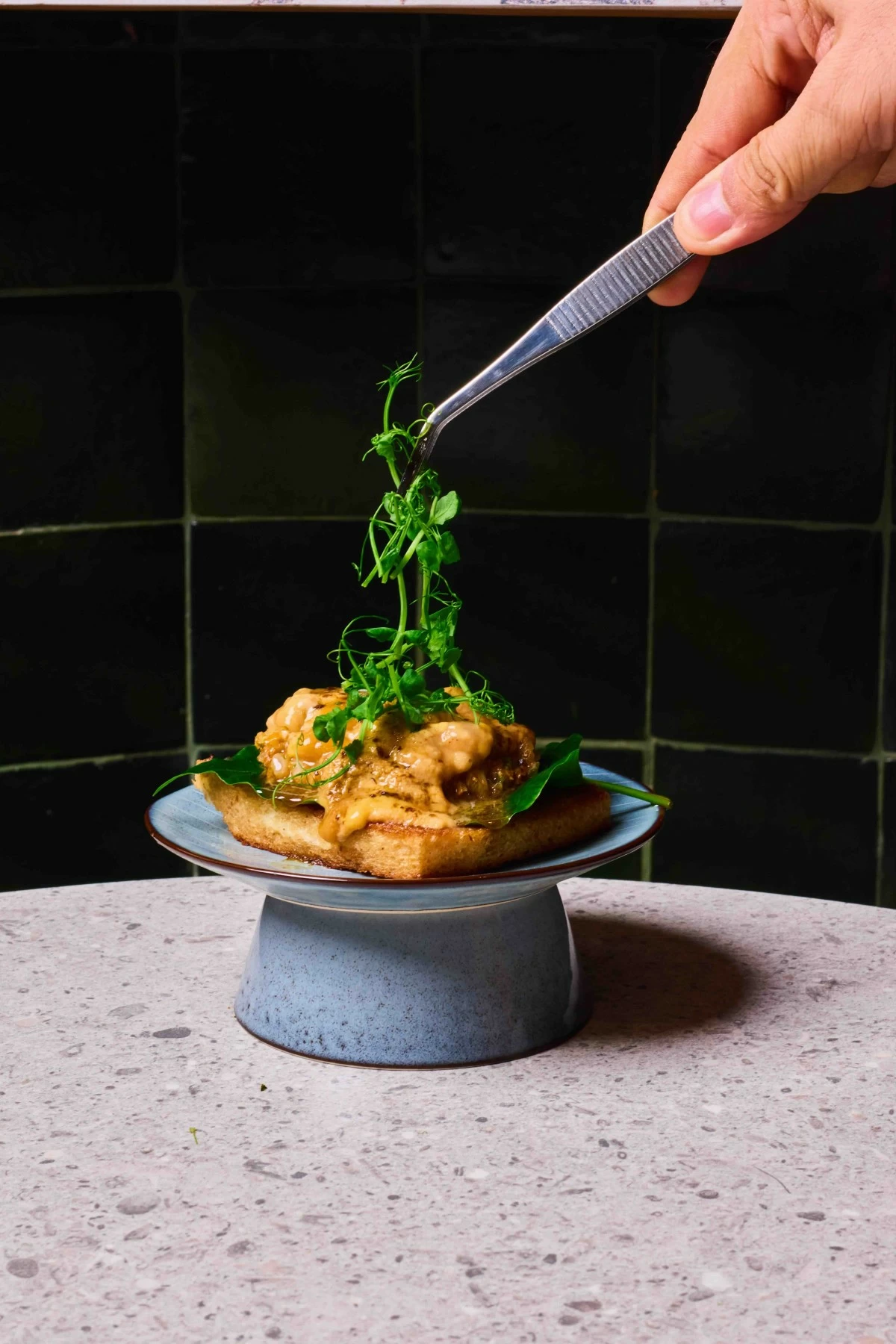
OCEAN LUXE Uni toast layers creamy sea urchin on crisp bread, offering a bite that is both indulgent and restrained.
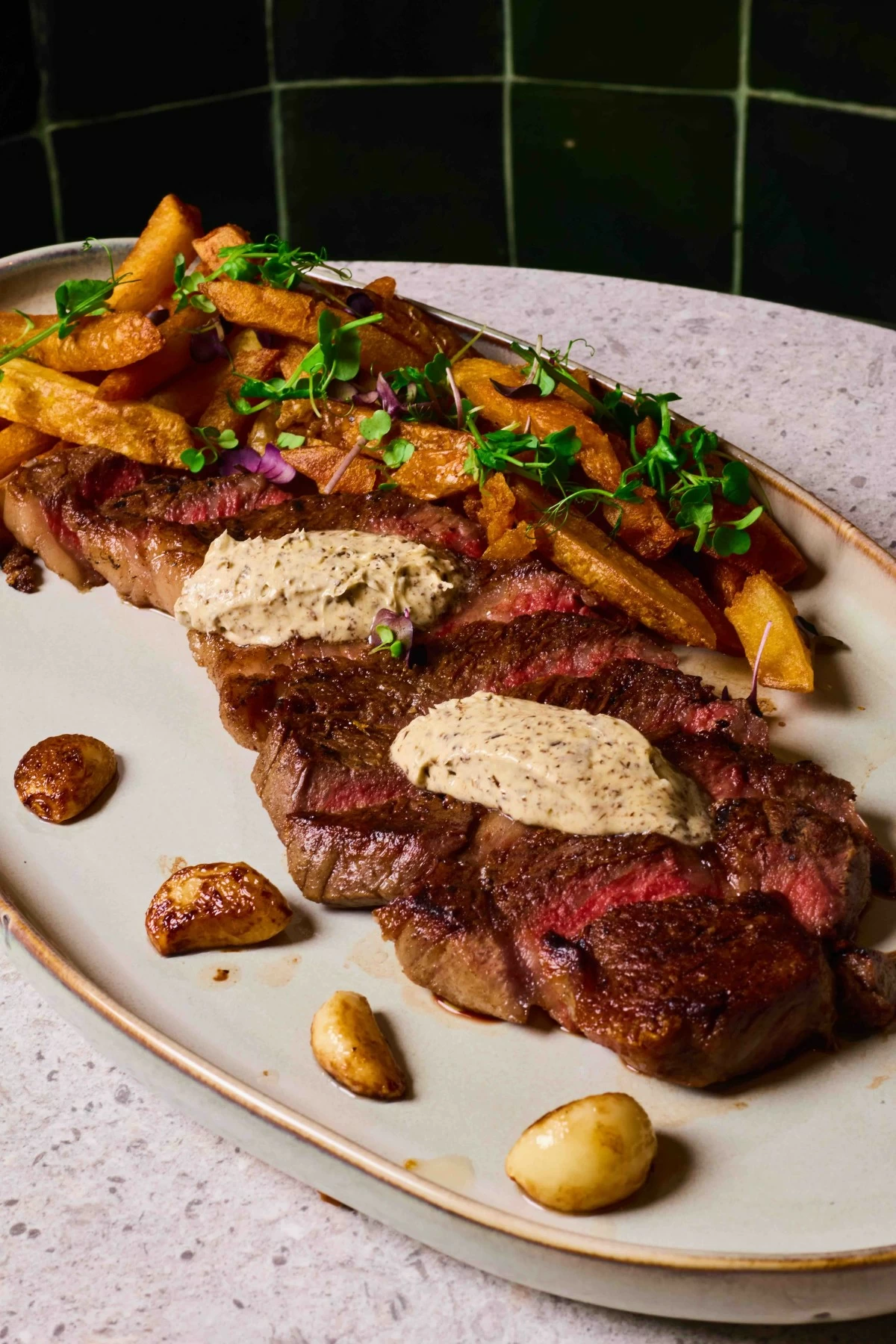
INDULGENT CUT Mita’s signature steak is topped with bone marrow foie gras butter, a rich centerpiece that embodies the restaurant’s balance of refinement and comfort.
What makes Mita stand out is not one dish, not one drink, not even one corner of its design. It is the way everything ties together. The smoked salmon roll pairs neatly with a mojito. The steak seems right with a deeper, darker cocktail. The lighting shifts as the hours move, guiding diners from lunch into evening without hurry. The restaurant is designed to hold you, not to push you out.
Alabang has no shortage of dining choices, but Mita adds something distinct. It suggests that food can be both fine and friendly, that cocktails can belong with lunch, and that a lounge can serve as much for conversation as for spectacle. It speaks to a growing appetite in the South for spaces that are not defined by a single role.
ADVERTISEMENT
.most-popular .layout-ratio{ padding-bottom: 79.13%; } @media (min-width: 768px) and (max-width: 1024px) { .widget-title { font-size: 15px !important; } }

{{ articles_filter_1561_widget.title }}

.most-popular .layout-ratio{ padding-bottom: 79.13%; } @media (min-width: 768px) and (max-width: 1024px) { .widget-title { font-size: 15px !important; } }

{{ articles_filter_1562_widget.title }}

.most-popular .layout-ratio{ padding-bottom: 79.13%; } @media (min-width: 768px) and (max-width: 1024px) { .widget-title { font-size: 15px !important; } }

{{ articles_filter_1563_widget.title }}

{{ articles_filter_1564_widget.title }}

.mb-article-details { position: relative; } .mb-article-details .article-body-preview, .mb-article-details .article-body-summary{ font-size: 17px; line-height: 30px; font-family: "Libre Caslon Text", serif; color: #000; } .mb-article-details .article-body-preview iframe , .mb-article-details .article-body-summary iframe{ width: 100%; margin: auto; } .read-more-background { background: linear-gradient(180deg, color(display-p3 1.000 1.000 1.000 / 0) 13.75%, color(display-p3 1.000 1.000 1.000 / 0.8) 30.79%, color(display-p3 1.000 1.000 1.000) 72.5%); position: absolute; height: 200px; width: 100%; bottom: 0; display: flex; justify-content: center; align-items: center; padding: 0; } .read-more-background a{ color: #000; } .read-more-btn { padding: 17px 45px; font-family: Inter; font-weight: 700; font-size: 18px; line-height: 16px; text-align: center; vertical-align: middle; border: 1px solid black; background-color: white; } .hidden { display: none; }
function initializeAllSwipers() { // Get all hidden inputs with cms_article_id document.querySelectorAll('[id^="cms_article_id_"]').forEach(function (input) { const cmsArticleId = input.value; const articleSelector = '#article-' + cmsArticleId + ' .body_images'; const swiperElement = document.querySelector(articleSelector); if (swiperElement && !swiperElement.classList.contains('swiper-initialized')) { new Swiper(articleSelector, { loop: true, pagination: false, navigation: { nextEl: '#article-' + cmsArticleId + ' .swiper-button-next', prevEl: '#article-' + cmsArticleId + ' .swiper-button-prev', }, }); } }); } setTimeout(initializeAllSwipers, 3000); const intersectionObserver = new IntersectionObserver( (entries) => { entries.forEach((entry) => { if (entry.isIntersecting) { const newUrl = entry.target.getAttribute("data-url"); if (newUrl) { history.pushState(null, null, newUrl); let article = entry.target; // Extract metadata const author = article.querySelector('.author-section').textContent.replace('By', '').trim(); const section = article.querySelector('.section-info ').textContent.replace(' ', ' '); const title = article.querySelector('.article-title h1').textContent; // Parse URL for Chartbeat path format const parsedUrl = new URL(newUrl, window.location.origin); const cleanUrl = parsedUrl.host + parsedUrl.pathname; // Update Chartbeat configuration if (typeof window._sf_async_config !== 'undefined') { window._sf_async_config.path = cleanUrl; window._sf_async_config.sections = section; window._sf_async_config.authors = author; } // Track virtual page view with Chartbeat if (typeof pSUPERFLY !== 'undefined' && typeof pSUPERFLY.virtualPage === 'function') { try { pSUPERFLY.virtualPage({ path: cleanUrl, title: title, sections: section, authors: author }); } catch (error) { console.error('ping error', error); } } // Optional: Update document title if (title && title !== document.title) { document.title = title; } } } }); }, { threshold: 0.1 } ); function showArticleBody(button) { const article = button.closest("article"); const summary = article.querySelector(".article-body-summary"); const body = article.querySelector(".article-body-preview"); const readMoreSection = article.querySelector(".read-more-background"); // Hide summary and read-more section summary.style.display = "none"; readMoreSection.style.display = "none"; // Show the full article body body.classList.remove("hidden"); } document.addEventListener("DOMContentLoaded", () => { let loadCount = 0; // Track how many times articles are loaded const offset = [1, 2, 3, 4, 5, 6, 7, 8, 9, 10]; // Offset values const currentUrl = window.location.pathname.substring(1); let isLoading = false; // Prevent multiple calls if (!currentUrl) { console.log("Current URL is invalid."); return; } const sentinel = document.getElementById("load-more-sentinel"); if (!sentinel) { console.log("Sentinel element not found."); return; } function isSentinelVisible() { const rect = sentinel.getBoundingClientRect(); return ( rect.top < window.innerHeight && rect.bottom >= 0 ); } function onScroll() { if (isLoading) return; if (isSentinelVisible()) { if (loadCount >= offset.length) { console.log("Maximum load attempts reached."); window.removeEventListener("scroll", onScroll); return; } isLoading = true; const currentOffset = offset[loadCount]; window.loadMoreItems().then(() => { let article = document.querySelector('#widget_1690 > div:nth-last-of-type(2) article'); intersectionObserver.observe(article) loadCount++; }).catch(error => { console.error("Error loading more items:", error); }).finally(() => { isLoading = false; }); } } window.addEventListener("scroll", onScroll); });

Sign up by email to receive news.