







Are you struggling with depression?
Beware of habits that hinder you from overcoming depression
By Cheshire Que
Published Oct 5, 2025 11:24 pm


At A Glance
- If you are feeling depressed and have been heavily using social media or binge-watching shows, it is time to reflect on how much these habits are affecting your mental health.
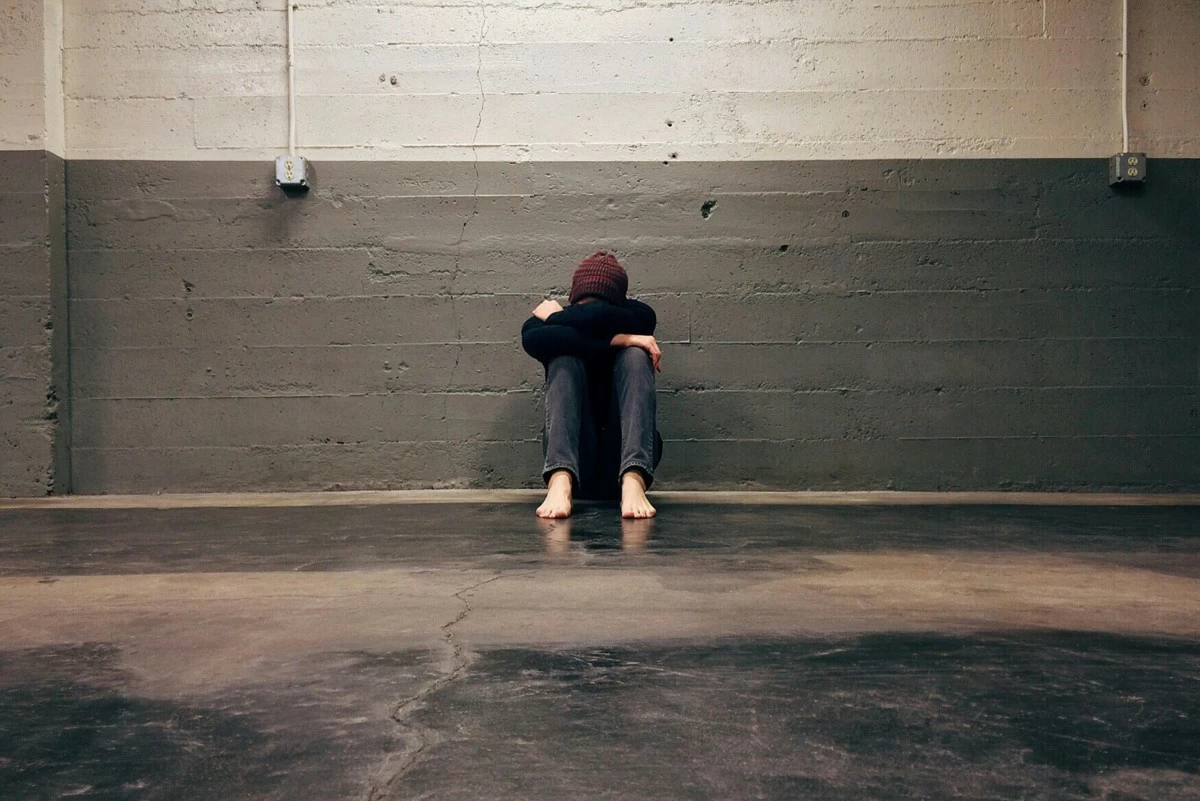
Depression is a serious matter. It could even be fatal. Nutritionally speaking, depression can affect one’s appetite, the way food is digested, and how nutrients are absorbed. Whether a depressed person eats a lot or eats very little will harm the mind and body. When there is little or no nourishment, organs are affected and damaged.
Depression is a clinical diagnosis that needs treatment through therapy and, in some instances, medication. Other holistic approaches to depression include faith and spirituality, exercise, cognitive behavioral therapy, mindful breathing, art therapy, music therapy, meditation, and more.
Unfortunately, there are individuals who have tried these solutions and yet could not totally overcome depression. Or perhaps you may not be clinically depressed, but often find yourself in a depressed state. What could be dampening your spirits so badly that it is affecting your daily life?
Here are some habits that may seemingly appear to be innocuous, but left uncontrolled, they can be damaging to your mental and emotional wellbeing.
Social media use
A study was conducted by Liu Yi Lin and colleagues on the association between social media use and depression among US young adults in 2016. They surveyed 1,787 adults between the ages of 19 to 32 and found that social media use was significantly associated with increased depression. This study did not include the number of hours spent on social media for work-related activities.
The use of social media has its benefits. Maladaptive patterns of use, however, can contribute to the dysregulation of mood and may aggravate depression. For example, if a person is already experiencing a diminished sense of self-worth, looking for validation in social media will not be helpful. Instead, it makes one more vulnerable to highly idealized representations of perfect lives. This will lead to distorted beliefs and negative emotions such as envy or bitterness, and the like.
There are various scenarios that could compel a depressed individual to seek comfort from social media. What you feed your mind and heart, however, has a great impact on your psychological state. Do you watch and read content that elicits negative emotions? Do you find yourself angry, bitter, and resentful? Are you following content creators that make you envious or jealous?
On the other hand, do you find yourself spewing hate on your social media accounts in the guise of advocating for a good cause? There is a big difference between standing for what is right and being hateful. If your use of social media constantly increases your stress hormones, heart rate, and blood pressure, it is time to log off or even delete the apps. Begin your healing from depression by staying away from social media.
Doom scrolling on social media may give you a temporary increase in happy hormones. This can get addicting. Instead of learning healthy ways to cope and produce mood-regulating hormones, you would want to get that instant feeling of gratification from social media content. This is like getting a sugar high from chocolate when one is emotionally eating.
Binge-watching
In 2021, Jia Ji Sun and Yen Jung Chang conducted a study on the associations of problematic binge-watching with depression, social interaction anxiety, and loneliness. Data was collected from 1,488 participants in Taiwan. Their study concluded that problematic binge-watching was found to be positively associated with depression, social interaction anxiety, and risks of loneliness.
Binge-watching can serve as a form of escapism. An easy way to avoid reality and negative emotions. Therefore, it decreases the chances of learning and adapting healthy coping mechanisms. Watching shows as a form of entertainment is good. However, we should never equate entertainment with relaxation. These are two different things. A person suffering from depression may need some form of entertainment, but would require more time for relaxation. Relaxing does not involve activities that heightens emotions in a negative way. It should not contribute to irregular sleep patterns as well as isolation. All of these are present when watching shows becomes problematic, resulting in binge-watching. Thus, it affects productivity, mood, and relationships.
Relaxation involves activities that promote the activation of one’s parasympathetic nervous system or the rest and digest response instead of the fight or flight response. This is where art, music, spirituality, exercise, meditation, being surrounded by nature, mindful breathing, and spending time with people you love will be most helpful.
Individuals who depend on using media to cope with depression may find it challenging to stop. Lack of self-regulation and media addiction aggravate depression. It may even cause feelings of guilt to arise, which can prompt one to engage in social media or binge-watching in a never-ending cycle.
If you are feeling depressed and have been heavily using social media or binge-watching shows, it is time to reflect on how much these habits are affecting your mental health. If you can’t go cold turkey, it is time to decide to significantly reduce the time and effort you spend on these activities and try to find ways to cope with negative emotions in a productive and positive way. It is also best to consult a psychologist or a psychiatrist for proper assessment and guidance. Chances are, you would need someone to help you find your way out of depression. When it comes to your health, don’t take chances. Let a professional take care of you.