







DOE mulls extending de-risking program to nuclear energy
Published Oct 2, 2025 02:31 pm


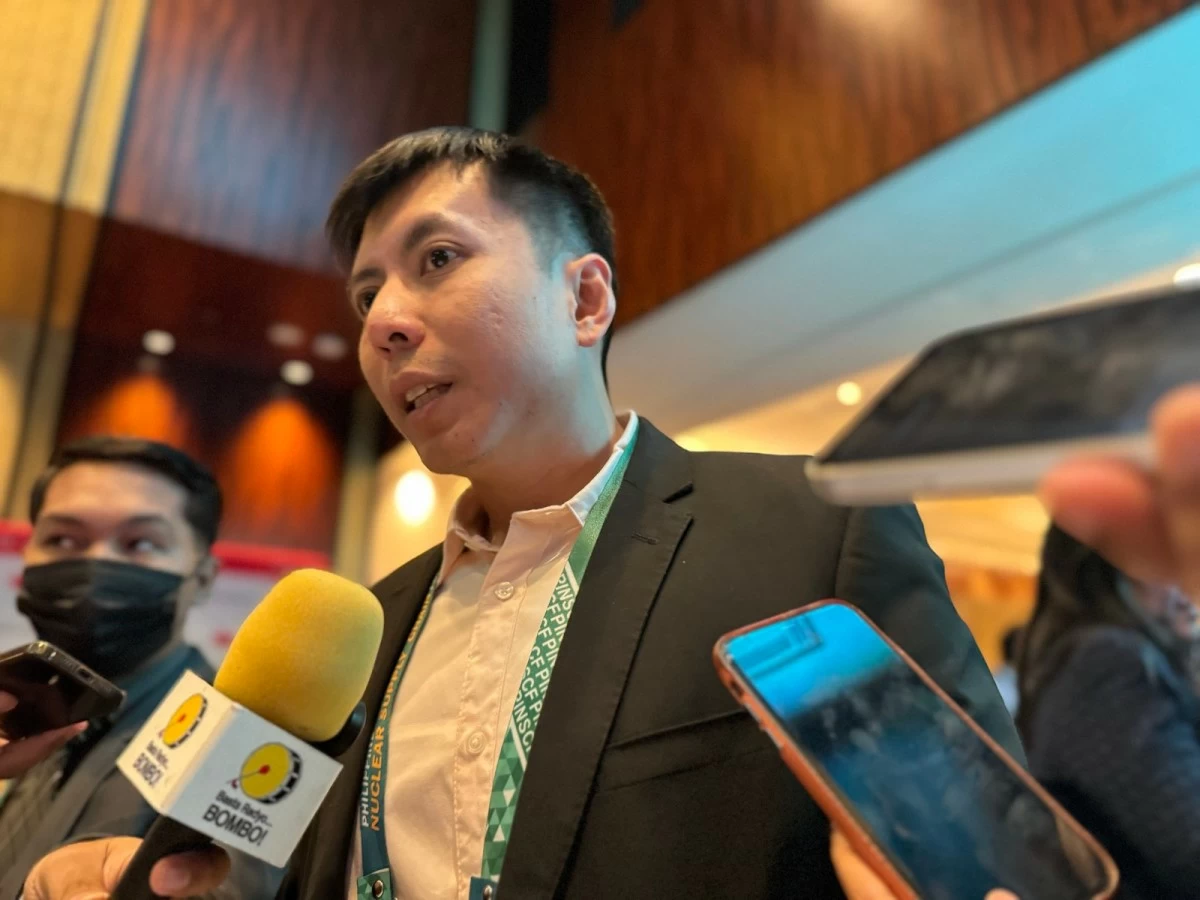
The Department of Energy (DOE) is considering extending its de-risking initiative—currently focused on geothermal energy investments—to nuclear energy following the Marcos administration’s approval of the Philippine Nuclear Energy Safety Act, also known as the PhilATOM law.
In an ambush interview, Patrick Aquino, Director of the DOE Energy Utilization Management Bureau (EUMB), explained that multilateral banks could help support the integration of nuclear power into the Philippines’ energy mix.
“We’re very happy that the current US administration is taking the lead on making sure that the World Bank relaxes its policy for green investments to include nuclear,” he told reporters on the sidelines of the Philippine International Nuclear Supply Chain Forum.
“We’re hopeful that with the push of the US, multilateral agencies like the World Bank and ADB (Asian Development Bank) will revisit their investment direction and instruction when it comes to nuclear. Because right now, they’re not actively investing in nuclear power projects.”
Aquino, who also serves as the technical secretariat head of the Nuclear Energy Program Inter-Agency Committee (NEP-IAC), noted that while seeking financial support is important, international investment interest is already present.
“I think you can see the interest of foreign investors is here… We have a very young demographic. We’re attracting investments,” he added.
As the DOE continues its green energy auction programs (GEA), nuclear energy could potentially be the next technology to have a separate auction.
“We’re still studying [nuclear's] own auction. But we’re still looking into the legal framework… So when we hold a consultation for a nuclear auction, it would mean that we’ve hurdled the legal proposition. It can be treated as the same as any technology,” Aquino elaborated.
Currently, the International Atomic Energy Agency (IAEA) is addressing 19 infrastructure issues to ensure the safety, reliability, and security of nuclear energy before it is introduced in the country.