






Manila Bulletin
 Technews
Decoding Power Banks: What mAh and Watts Really Mean (and How to Choose What's Right for You)
Technews
Decoding Power Banks: What mAh and Watts Really Mean (and How to Choose What's Right for You)
Technews
Decoding Power Banks: What mAh and Watts Really Mean (and How to Choose What's Right for You)
Decoding Power Banks: What mAh and Watts Really Mean (and How to Choose What's Right for You)
Published Sep 30, 2025 10:51 am


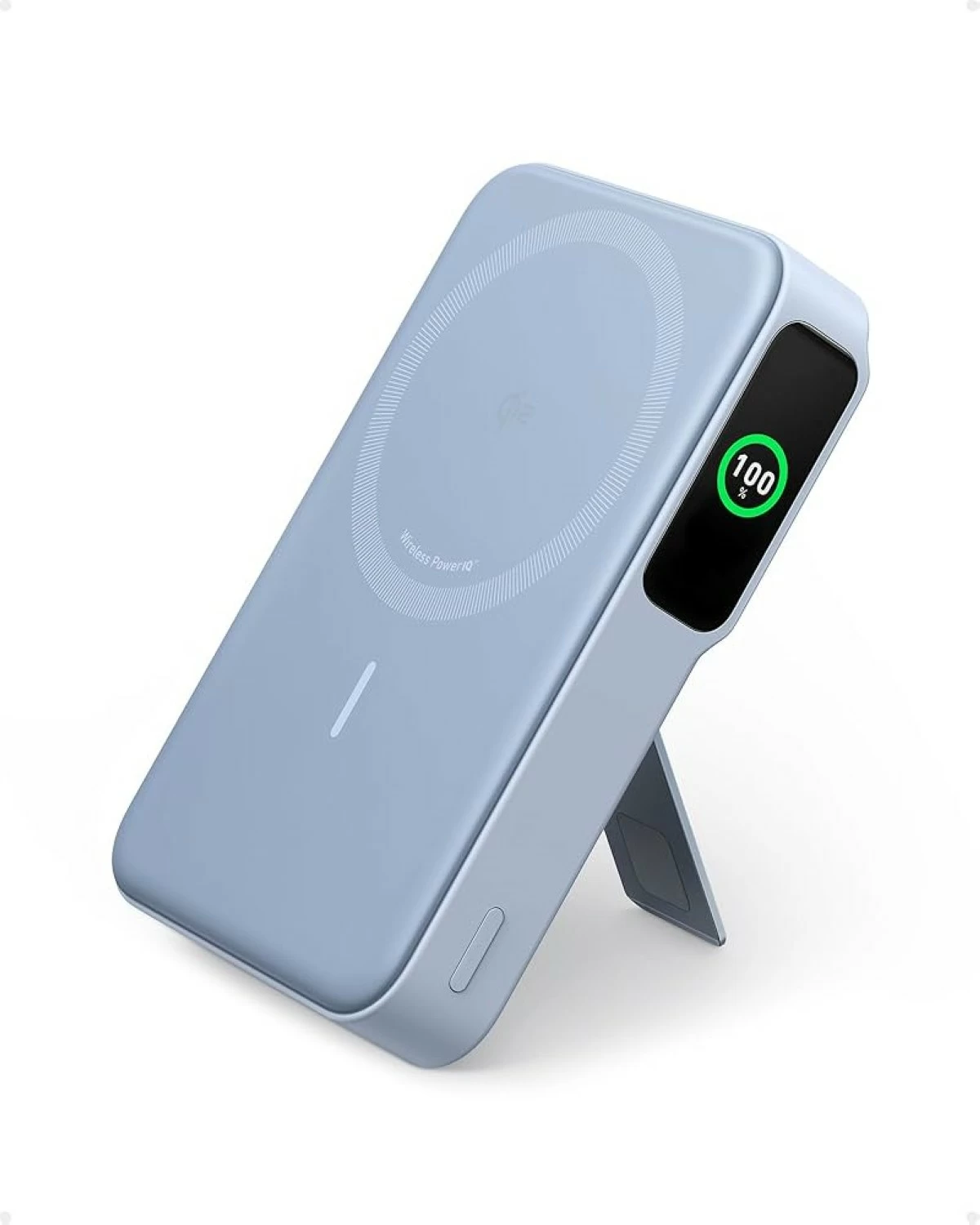
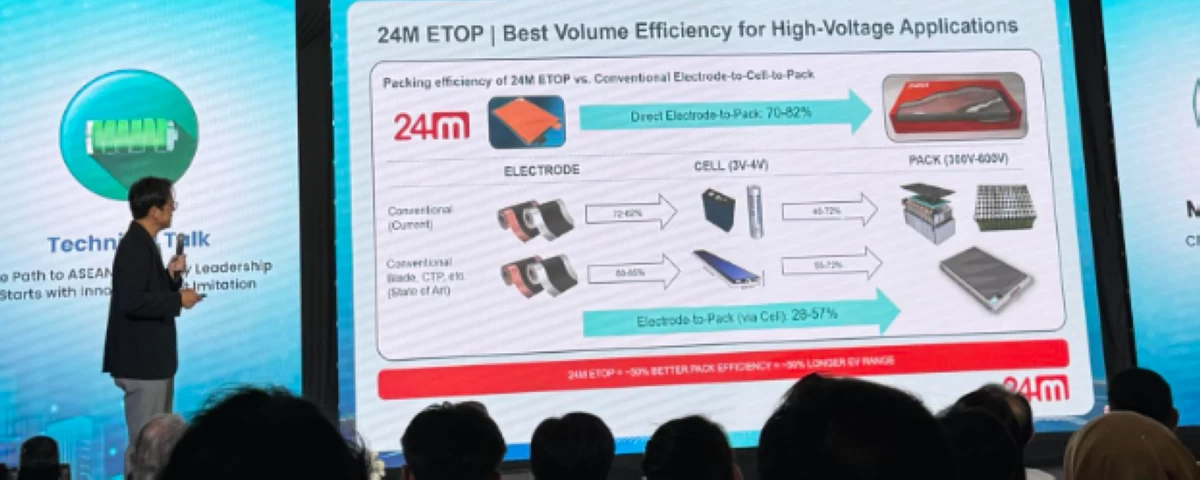
Wrapping up August in Phuket at the 3rd ASEAN Battery Convention, I half-joked that the panels had charged me enough to last until Christmas. Between Hioki and other green-minded companies showcasing smarter, safer, and more sustainable battery tech, I came home buzzing with numbers and acronyms.
Back in Manila, though, reality grounded me. At an airport shop, a man squinted at two shiny power banks. “Ano po ba ibig sabihin ng 20,000 mAh? Mas okay ba ito kaysa 10,000?” The clerk shrugged, the man frowned, and I thought: this is exactly the problem.
Walk into a gadget store or scroll through Lazada, and you’ll see the same thing: numbers everywhere. 5,000, 10,000, 20,000 mAh. 20W, 45W, even 100W. Slim, fast-charge, PD, QC. For something as basic as “I don’t want my phone to die,” the choices feel unnecessarily complex.
So let’s simplify. Here’s what those numbers mean, and how to pick the right one—without needing an engineering degree.
mAh: The Gas Tank
mAh means milliampere-hour, but think of it like the size of your car’s gas tank. The bigger the number, the more fuel it stores.
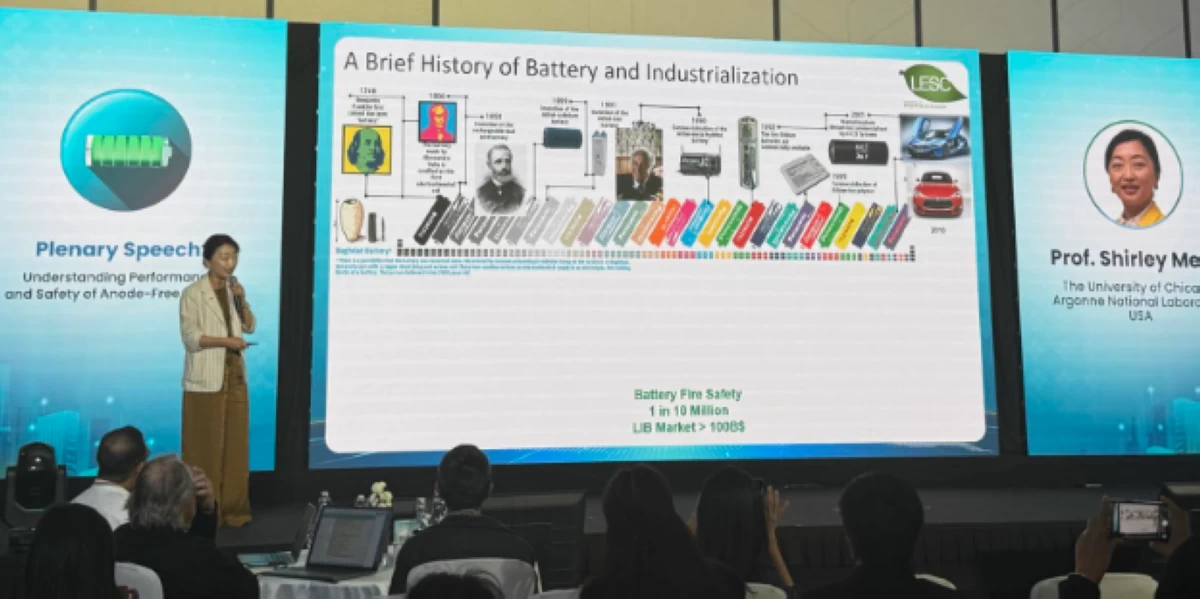
We were also given a brief history of batteries and industrialization. Information overload but fascinatingly pivotal in our daily lives.
5,000–10,000 mAh: One to two phone charges. Light, pocket-friendly, perfect if you just need enough to book a Grab or send last-minute messages.
10,000–15,000 mAh: The sweet spot for most. Two to three charges, not too bulky. Ideal for everyday commuters who scroll, chat, and work on the go.
20,000 mAh and above: Heavy hitters. Four to five charges, sometimes enough to top up tablets. Great for travelers and content creators—but prepare to carry the extra weight.
Note: Airlines cap power banks at 27,000 mAh (100Wh). Anything bigger could get confiscated at airport security.
Watts: The Speed Limit
If mAh is the tank size, Watts (W) tell you how fast the fuel flows. Higher wattage = faster charging—if your device supports it.
10–18W: Standard. Okay for overnight charging, but slow if you’re in a rush.
20–30W: Fast charging for most modern phones (50% in ~30 minutes).
45–65W: Enough for tablets, Nintendo Switch, or lightweight laptops.
100W and above: Heavy-duty, built for laptops and gaming devices like the Steam Deck.
The trap? Buying a 100W power bank “just in case” when your phone maxes out at 18W. That’s like hooking up a fire hose to water your succulents—impressive, but pointless.
Who Needs What?
Let’s be honest: not everyone needs a brick-sized power station in their bag. Here’s how to match the bank to your lifestyle:
The Safety Net User
For the person who just needs enough juice to get home safely. Go for 5,000 mAh. Small, light, does the job.
The Everyday Commuter
TikTok on the train, emails at lunch, Spotify all day. A 10,000–15,000 mAh battery with 20W fast charge keeps you covered.
The Creator on the Go
Shooting, editing, uploading—all in one day. You’ll need 20,000 mAh with multiple ports and higher wattage. It’s heavier, but so is losing power mid-shoot.
The Power User
You travel, work remotely, or game seriously. Look at 45W and above, with USB-C Power Delivery. Pricier, yes—but it keeps your laptop and gadgets alive when wall sockets aren’t an option.
EV Batteries and IP Ratings
While we’re talking batteries, you might have noticed some electric vehicle (EV) videos going viral—cars seemingly driving through floodwaters without a hiccup. That’s partly thanks to IP ratings, which you’ve probably seen on gadgets or power banks. IP stands for Ingress Protection, a standardized scale that tells you how well a device or battery is protected against dust and water. The first number (0–6) measures solid particle protection, while the second (0–9) measures liquid protection. For instance, IP67 means the device is completely dust-tight and can survive immersion in water up to 1 meter for 30 minutes.
Some EVs, however, go beyond typical ratings. As I learned from Doc Manny, President of the Electric Vehicle Association of the Philippines (EVAP), certain electric vehicles have even higher IP levels—like IP97 or IP96—allowing their batteries to survive short-term submersion in deeper water. That’s why that viral EV video worked: the vehicle was built to handle temporary floods safely.
Even big batteries have safety ratings, and understanding them can save your gadgets—or your car—from a watery demise.
Smart Buying Tips
Match your device, not the hype: A high-wattage bank won’t make your low-watt phone charge faster.
Ports matter: More devices = more ports. Look for USB-C if you want future-proof charging.
Check the weight: A 20,000 mAh bank can weigh half a kilo. Worth it only if you truly need it.
Think green: At Phuket, companies like Hioki highlighted safer, longer-lasting, and eco-conscious batteries. Supporting these brands helps push the industry toward sustainability.
The Bigger Picture
At the ASEAN Battery Convention, the buzzwords were safety, sustainability, and smarter storage. But for most of us, the immediate reality is more humble: making sure our phone survives until we’ve booked a ride home.
Here’s the trick: don’t overthink, and don’t overspend. Know what mAh means (capacity), know what Watts mean (speed), and be honest about your habits. A power bank should serve your life, not the other way around.
Because the point isn’t to have the most powerful power bank. It’s to have just enough power, at the right moment, to keep life moving—whether that’s sending work files, capturing sunsets, or simply making sure you can call home.