







Mangroves, livelihoods, and purpose
Manulife joins Haribon in protecting coastal life
Published Sep 1, 2025 02:00 pm


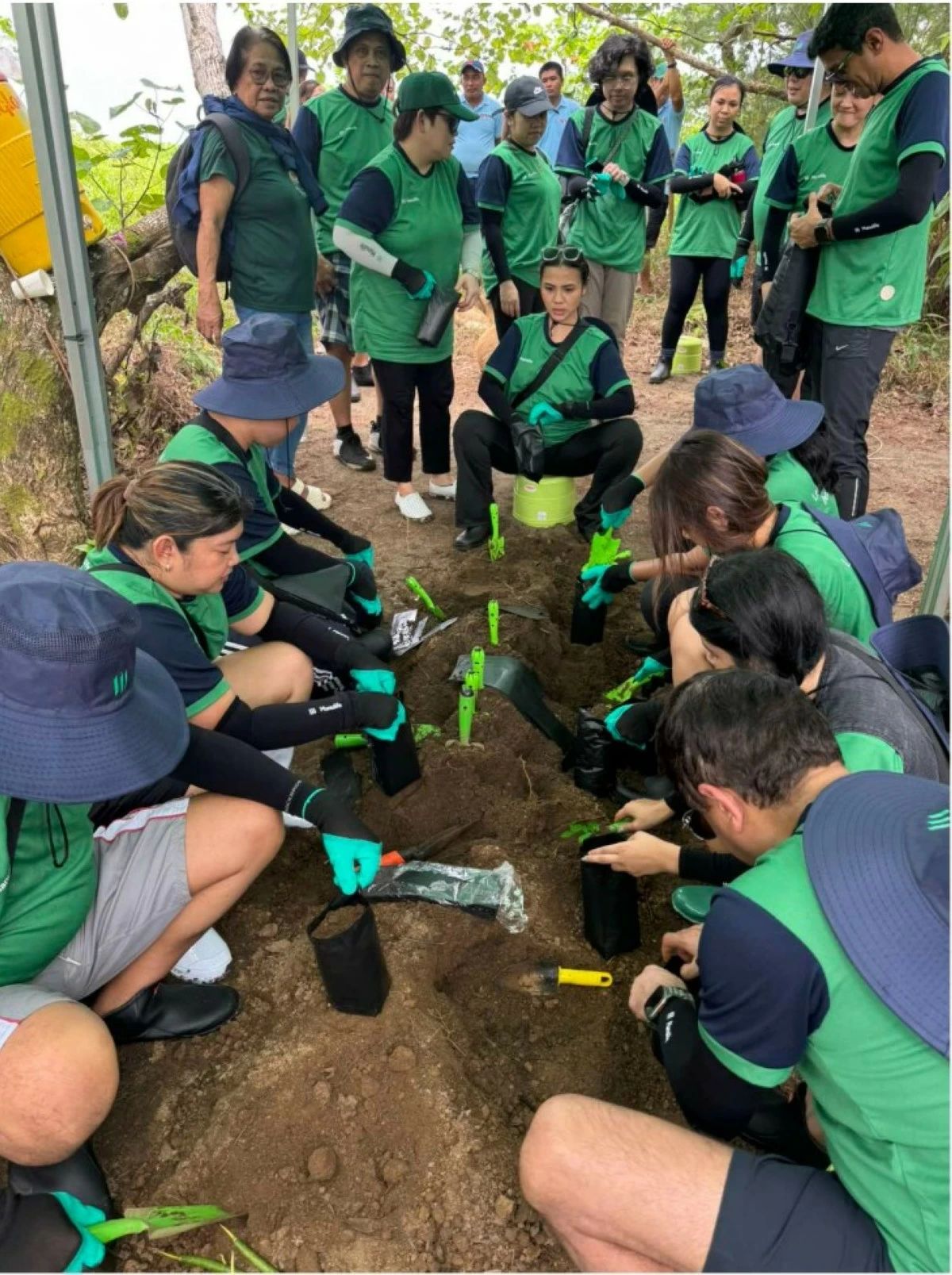
One weekend, I found myself standing in the mud of Real, Quezon—mangrove sapling in hand, sun on my back, and gratitude in my heart. The scene wasn’t typical of a tech columnist’s beat, but it might be one of the most meaningful fieldworks I’ve done this year.
The occasion? The launch of Manulife Philippines and Haribon Foundation’s expanded mangrove restoration program, now aiming to plant 15,000 mangrove trees in Quezon Province over the next three years. Part of Haribon’s larger Forests for Life movement, this partnership is grounded in ecosystem conservation, and its ripple effects go far beyond reforestation.
Tech Meets Tides: What Innovation Can Do for Biodiversity
Mangroves are more than just trees; they’re coastal guardians. They shield shorelines from storm surges, act as carbon sinks, and create breeding grounds for marine life. As the urgency to protect these natural barriers increases, so does the opportunity for innovation to play a meaningful role.
In the broader context of global conservation, emerging technologies have already started transforming how we restore, manage, and protect ecosystems. Tools such as open data, GIS mapping, and drone-assisted monitoring offer scalable ways to enhance restoration accuracy and transparency. These technologies—when applied effectively—can help optimize planting sites, monitor seedling growth remotely, and even detect early signs of environmental stress.
More than anything, it’s a call to use digital tools to protect what’s analog and alive.
By leveraging real-time environmental tracking, conservation-focused apps, and community-based digital platforms, governments, NGOs, and civil society can work more efficiently. These tools allow localized responses to biodiversity loss, giving communities data-driven insight into how their ecosystems evolve and where interventions are most needed..
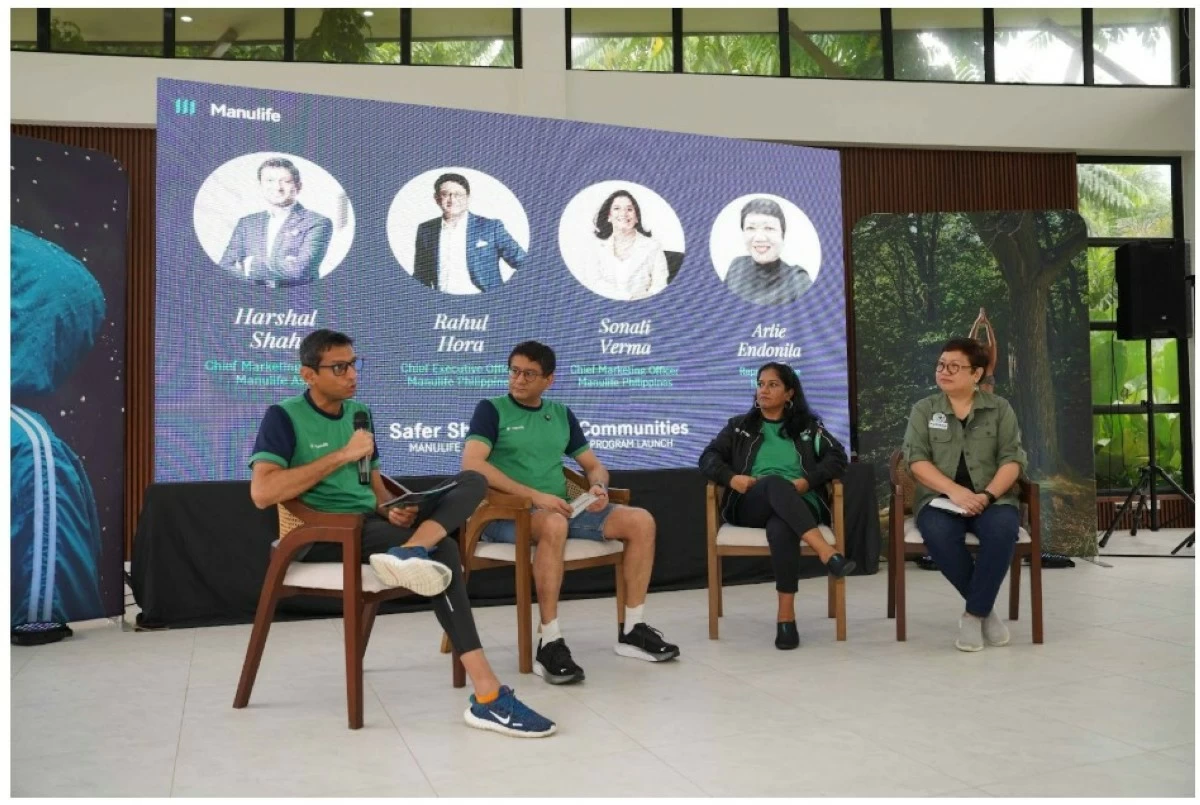
L-R: Harshal Shah (Manulife Asia Chief Marketing and Experience Design Officer); Rahul Hora (Manulife Philippines President and Chief Executive Officer); Sonali Verma (Manulife Philippines Chief Marketing Officer); Arlie Endonila (Haribon Foundation Chief Operating Officer)
As Manulife Philippines backs Haribon’s largest mangrove restoration initiative yet, it underscores the power of purpose-led collaboration amplified by technology.
“In the Philippines, coastal ecosystems are vital for both communities and the environment,” shared Rahul Hora, President and CEO of Manulife Philippines. “Through our collaboration with Haribon Foundation’s Forests for Life movement, we are supporting the conservation and protection of vital mangrove areas.”
Sustainability as a Shared Operating System
This wasn’t just a tree/mangrove-planting activity. Our small group also visited local communities making cassava chips and coco jam—part of Haribon’s livelihood support system. It was a chance to witness not only the environmental aspects of conservation, but also the human scale of impact.
What stuck with me was how simple, mindful, and intentional these communities live—proof that sustainability isn’t just a goal, it’s a way of life.
“Apart from everything, this partnership has heart. There's a learning curve in these efforts, and Haribon is the best partner for that journey,” said Sonali Verma, Chief Marketing Officer of Manulife Philippines. “This collaboration isn’t just about planting trees—it’s about planting purpose.”
“At Manulife, our purpose extends beyond financial wellness—we’re here to protect the entire life ecosystem,” added Harshal Shah, Manulife’s Global CMO. “Health isn’t just physical—it’s environmental, economic, and intergenerational.”
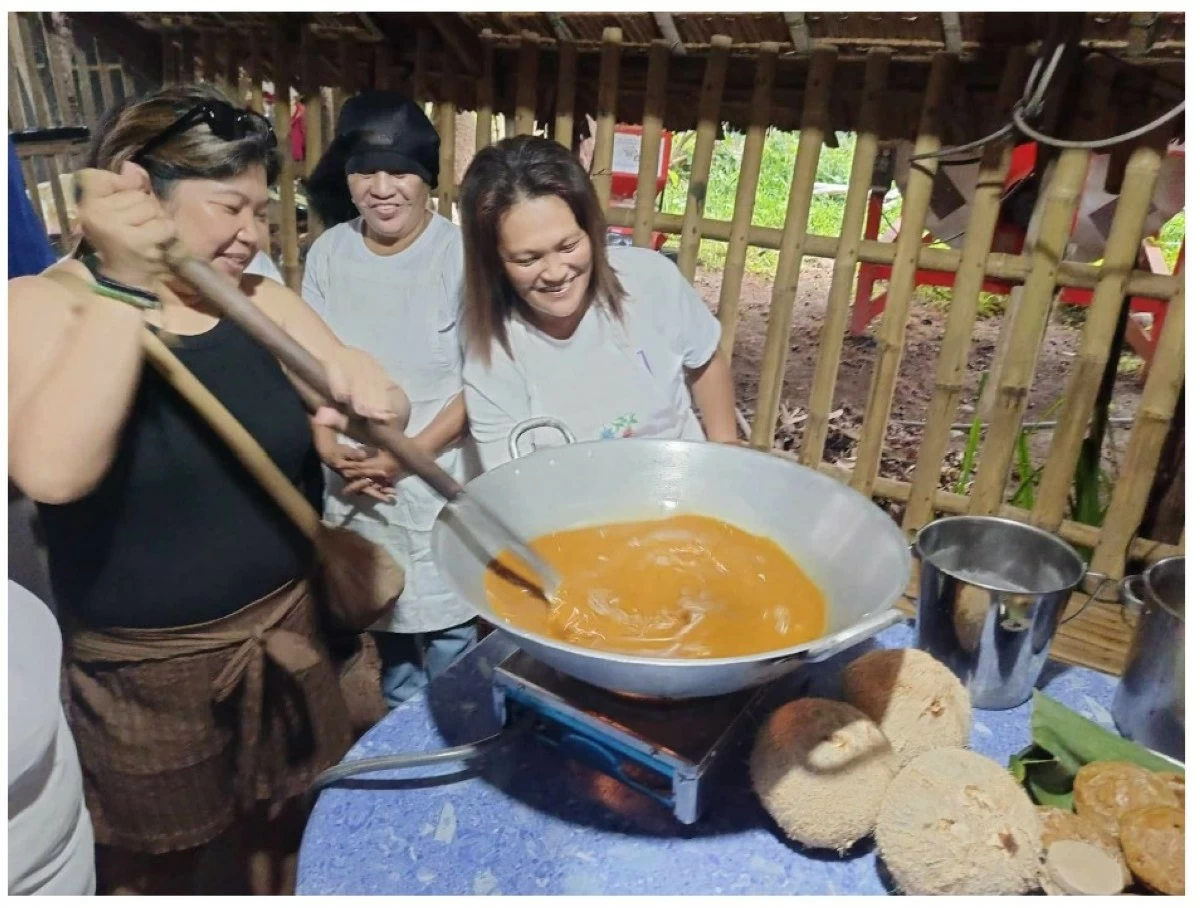
I now enjoy Coco Jams more than ever—especially after learning that it takes two hours of continuous stirring to make just one batch! Grateful for the hands-on experience with the local community and a deeper appreciation for their mindful way of living.
Moreover, the weekend also revealed a more profound truth: nature and financial well-being are inseparable. A healthy environment protects lives, livelihoods, and long-term economic resilience. For Manulife, this effort isn’t just about tree-planting or environmental CSR—it’s part of a broader mission to encourage intentional living, where financial literacy is expanded to include ecological responsibility.
According to Harshal Shah, Chief Marketing Officer of Manulife Asia, the company views its ultimate role as not only a provider of financial protection but also an advocate for conscious and sustainable living. The goal is to help people understand that managing money wisely is closely tied to valuing and protecting the ecosystems in which we live. After all, true wealth is measured not just by what we have—but by the quality of life and environment we help preserve.
This redefines the role of a financial institution: not just as a protector of wealth, but as a guardian of life ecosystems. And when these principles are combined with education and technology, we unlock real, measurable impact—for people and the planet.
A CEO’s Perspective, and a Conservationist’s Conviction
As someone who documents progress in megabytes and metrics, it was refreshing to witness progress in something more organic: muddy hands and growing roots.
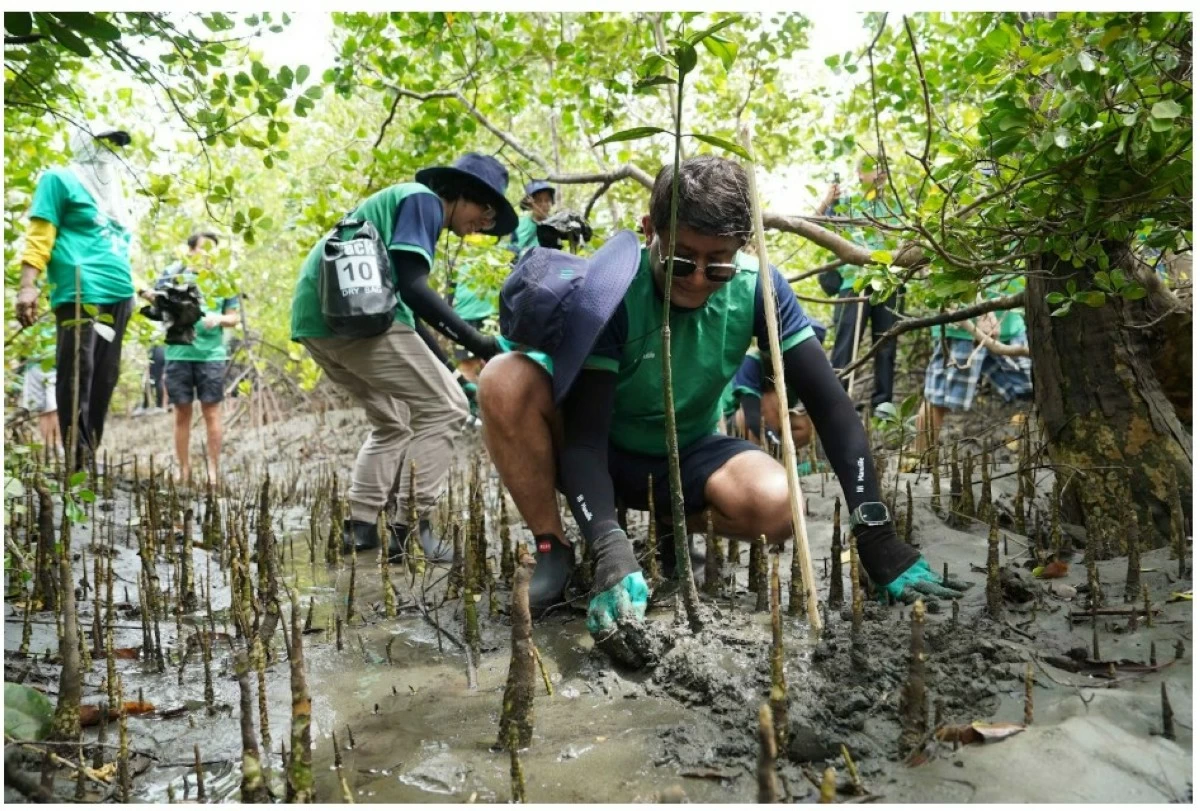
“This partnership is proof that when companies move with purpose, they create real and lasting change,” said Rahul, CEO of Manulife Philippines. “We are proud to help secure a future that’s green, inclusive, and resilient.”
“The mangroves we plant today are life systems that will outlive us,” said Arlie, Officer-in-Charge of Haribon Foundation. “With partners like Manulife and communities who believe in this mission, we don’t just hope for a better future—we grow it.”
Growth Rooted in Action
We’ve lost over 140,000 hectares of mangrove forests in the Philippines since 1920. If left unchecked, the climate crisis could reduce our GDP by over 13% by 2040, according to the World Bank. The time to act isn't later—it’s now.
Mangroves not only act as carbon sinks but also serve as natural buffers against typhoons, floods, and rising sea levels. According to Haribon Foundation, these Nature-based Solutions (NbS) are key to long-term resilience, working in harmony with ecosystems while empowering local communities.
Haribon's framework emphasizes that conservation is not just about preserving nature, but about building resilient, inclusive, and adaptive societies. When restoration is paired with science, local knowledge, and long-term planning, it becomes a pillar of climate adaptation—not just a symbolic gesture.
Whether through technology-enhanced mapping or boots-on-the-ground efforts, the ecosystems we restore today will define the safety and sustainability of tomorrow. And in times like these, they aren’t just sources of biodiversity—they are lifelines.