A decade later, a leisurely feast at Shangri-La Mactan
A return to Cebu's Shangri-La, where food, sea, and stillness meet in one unforgettable retreat
Published Sep 17, 2025 08:41 am


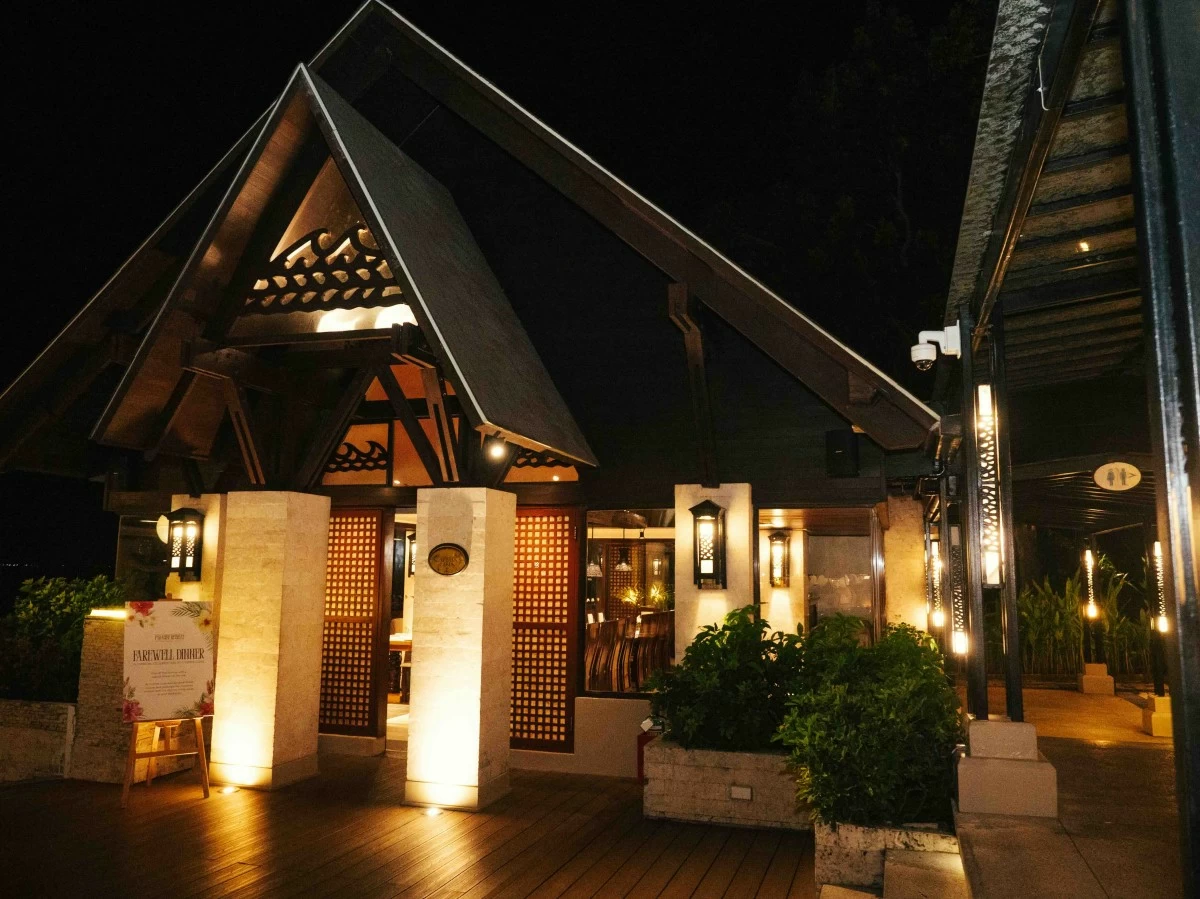
Ten years ago, this author had the fortune of being billeted for a week at Shangri-La Mactan, already then an icon of Cebu hospitality. It was September 2015, during the Asia-Pacific Economic Cooperation (APEC) ministerial and financial meetings, when more than 3,000 foreign delegates filled the island. The Marquee Ballroom became a tropical stage, dressed in Gino Gonzales’ set design, with the Philippine Madrigal Singers and Ballet Philippines dazzling the audience.
We were young and intrepid lifestyle journalists then, sprinting from one assignment to another. There was no time to linger. One day meant Raquel Choa, Cebu’s Chocolate Queen, entertaining the spouses of foreign dignitaries. Another day brought us to Kenneth Cobonpue’s atelier or to Toym Imao, unveiling the APEC marker. A hurried ambush interview caught Budget Secretary Butch Abad at breakfast in Tides. The late President Benigno Aquino III was due to arrive. The days blurred into duty, and Shangri-La’s famed offerings remained untouched.
A decade later, in the same month of September, Shangri-La Mactan opened its doors again, this time with time enough to savor. Even the journey there set the tone. Now we flew with Sunlight Air, a boutique airline whose personable service, quick and no-hassle check-ins, and thoughtful onboard snacks made the short hop to Cebu smooth and easy. Leisure began before arrival.
A food crawl through its seven dining rooms and leisurely days of sea and spa revealed the side of the resort we once missed.
Meals began at Tides, the all-day dining hall where the Cebu lechon commanded the table with its crisp skin and tender meat. Around it, live stations carried the scent of breads fresh from the oven, steaming noodles, spiced curries, grilled meats, and sushi rolled to order. The buffet felt like a global fair, yet it still leaned toward the heart of Cebu with its centerpiece roast.
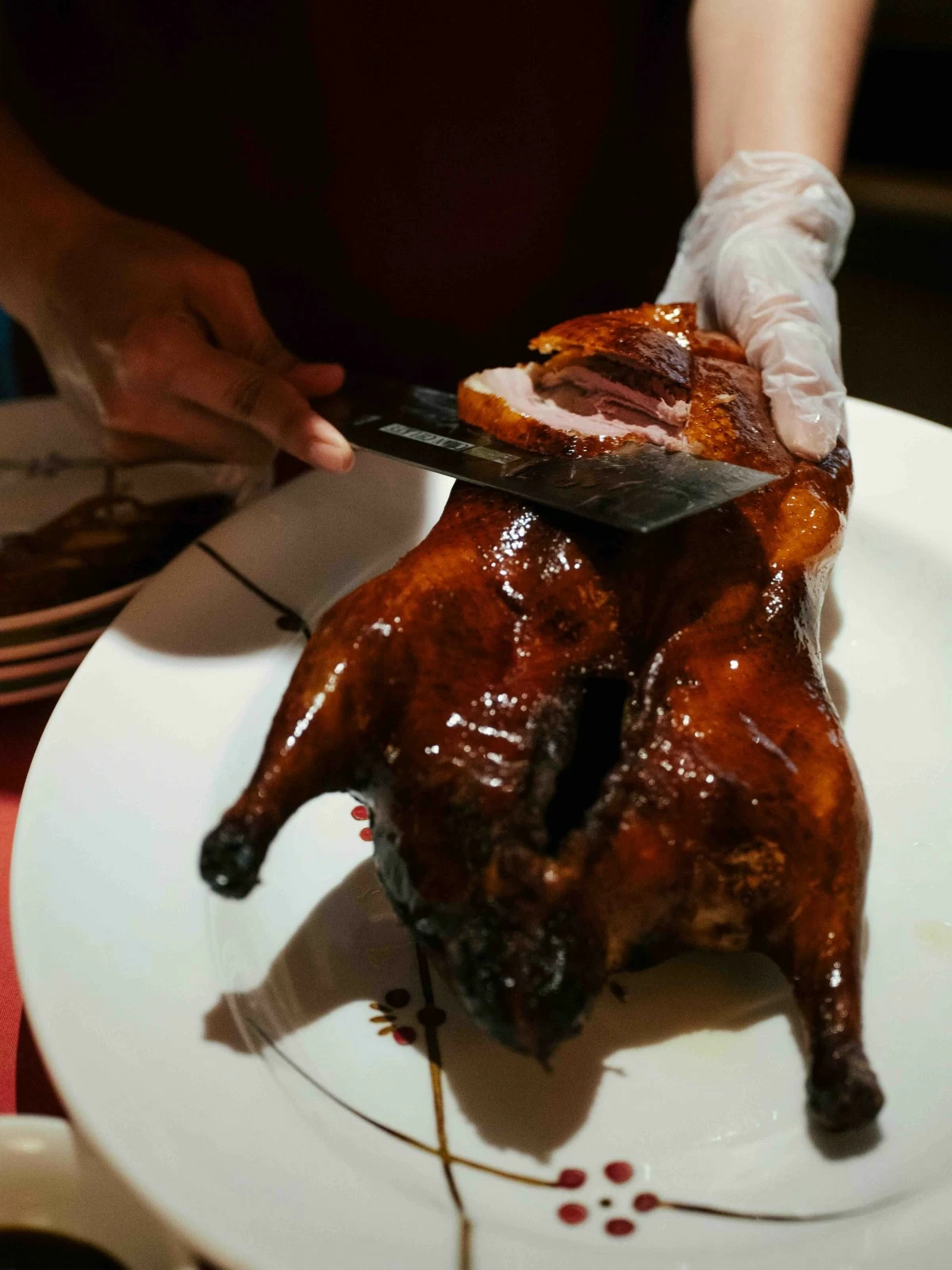
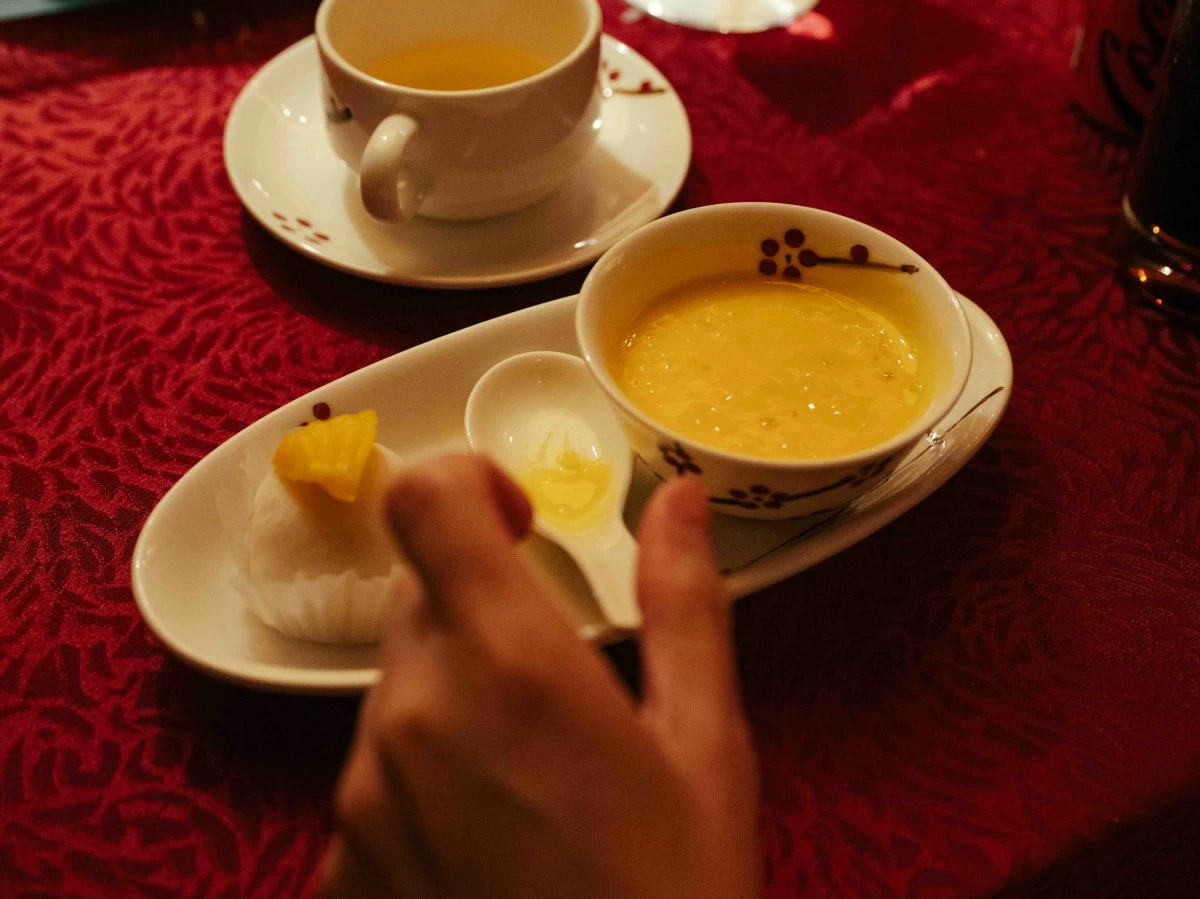
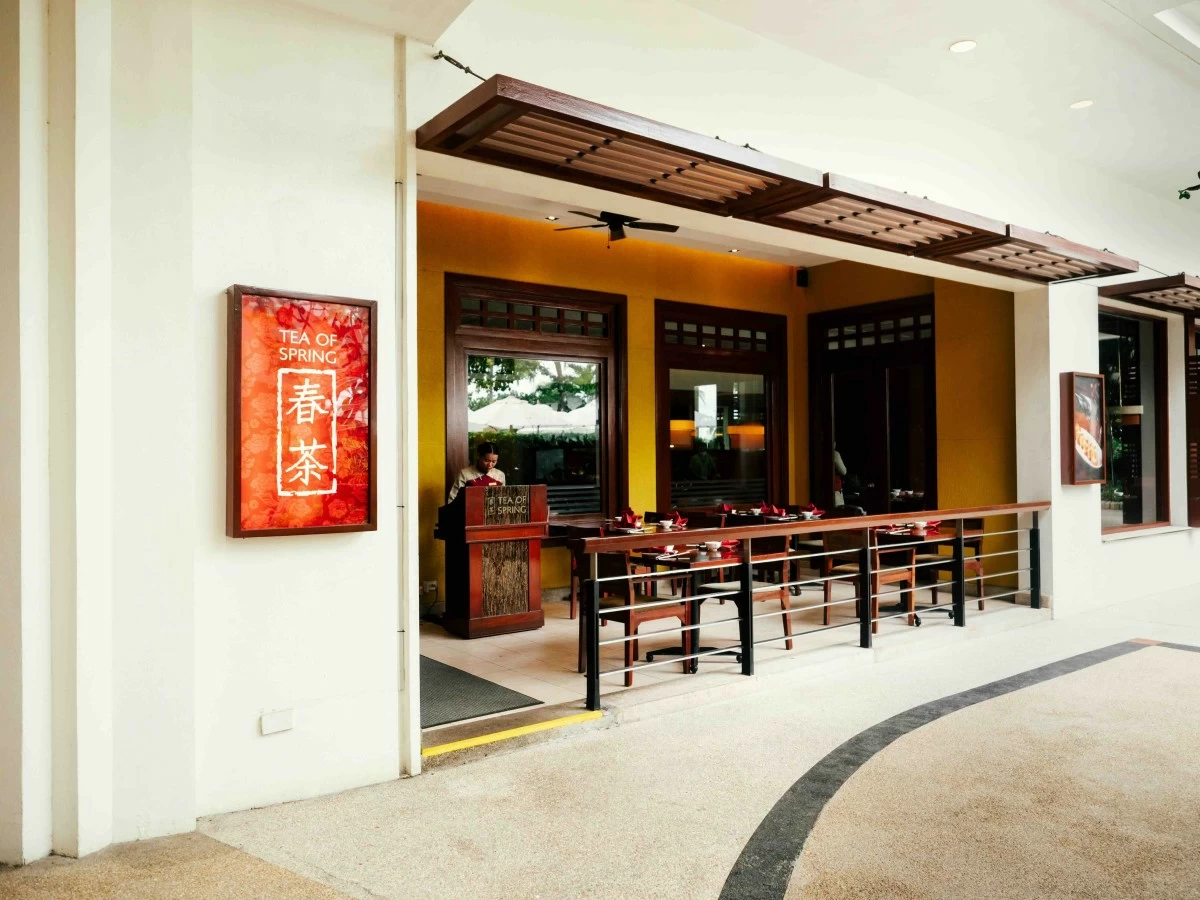
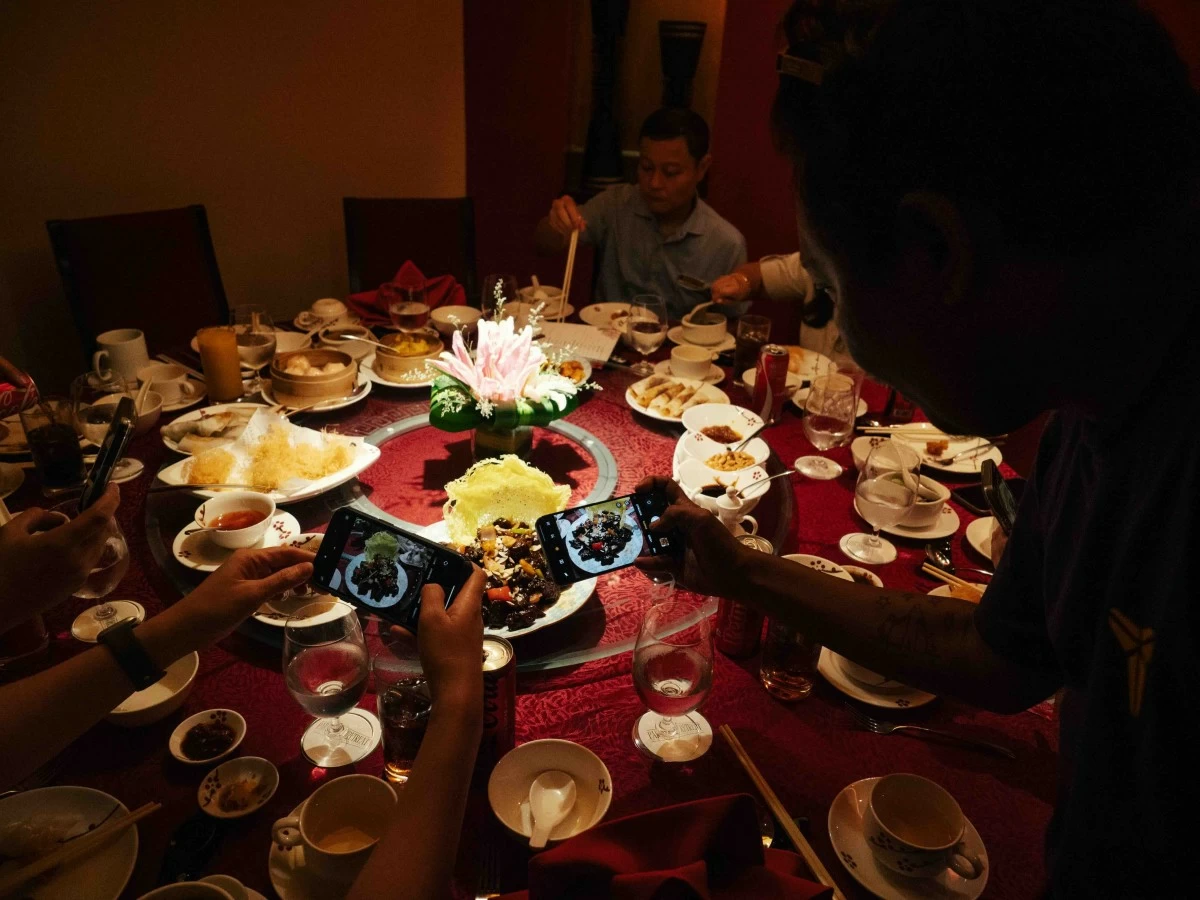
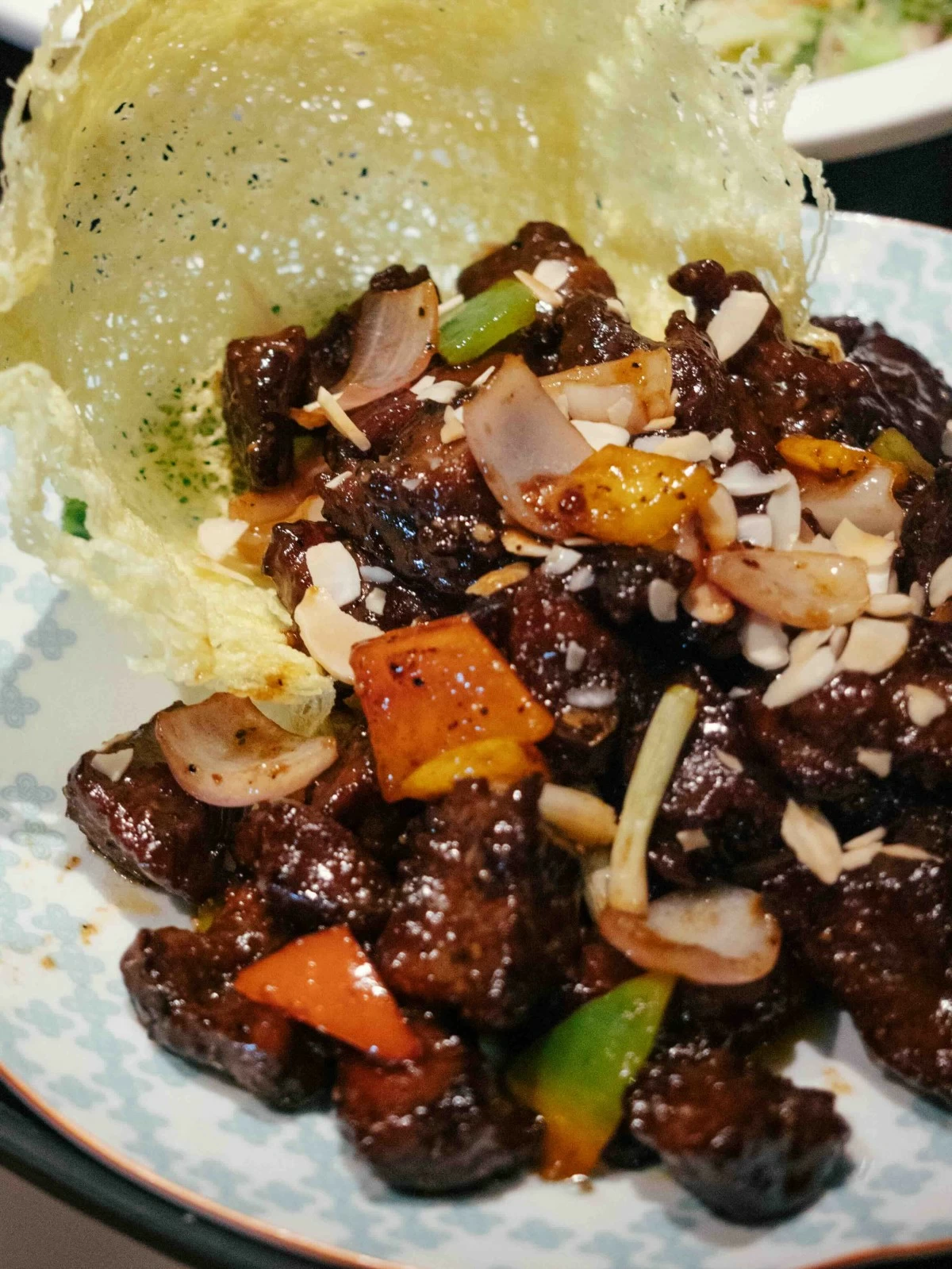
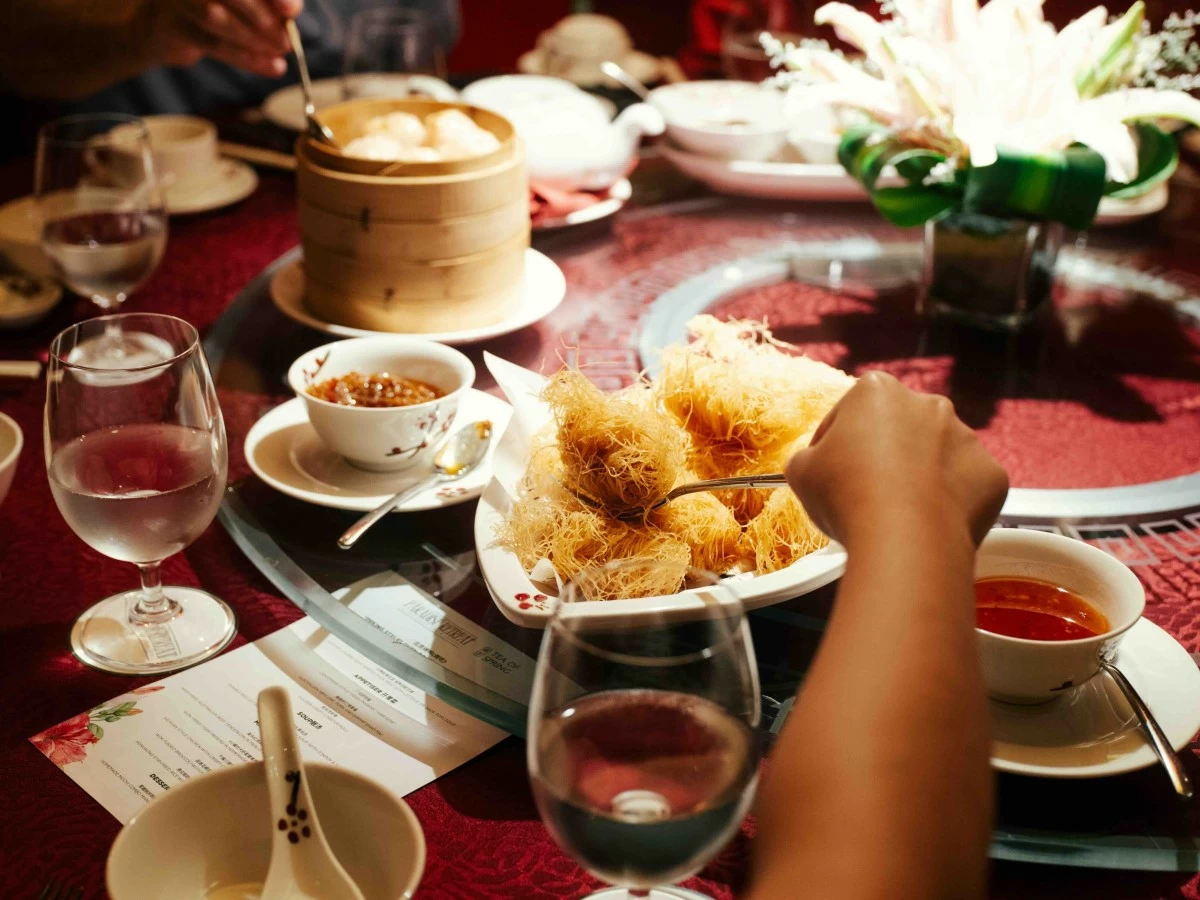
Lunch at Tea of Spring turned the spotlight to Cantonese cuisine. Peking-style roasted duck arrived lacquered and glistening, carved into thin slices for wrapping in pancakes. Wok-fried Australian beef tenderloin came seared yet tender, balanced with peppers. Sichuan chicken bit with heat, the spice softened by the aroma of ginger and garlic. Bamboo baskets released plumes of steam as they opened, unveiling dim sum of dumplings and buns, delicate yet filling. Seasonal offerings, like Mid-Autumn pastries and mooncakes, hinted at the restaurant’s rhythm with the calendar.
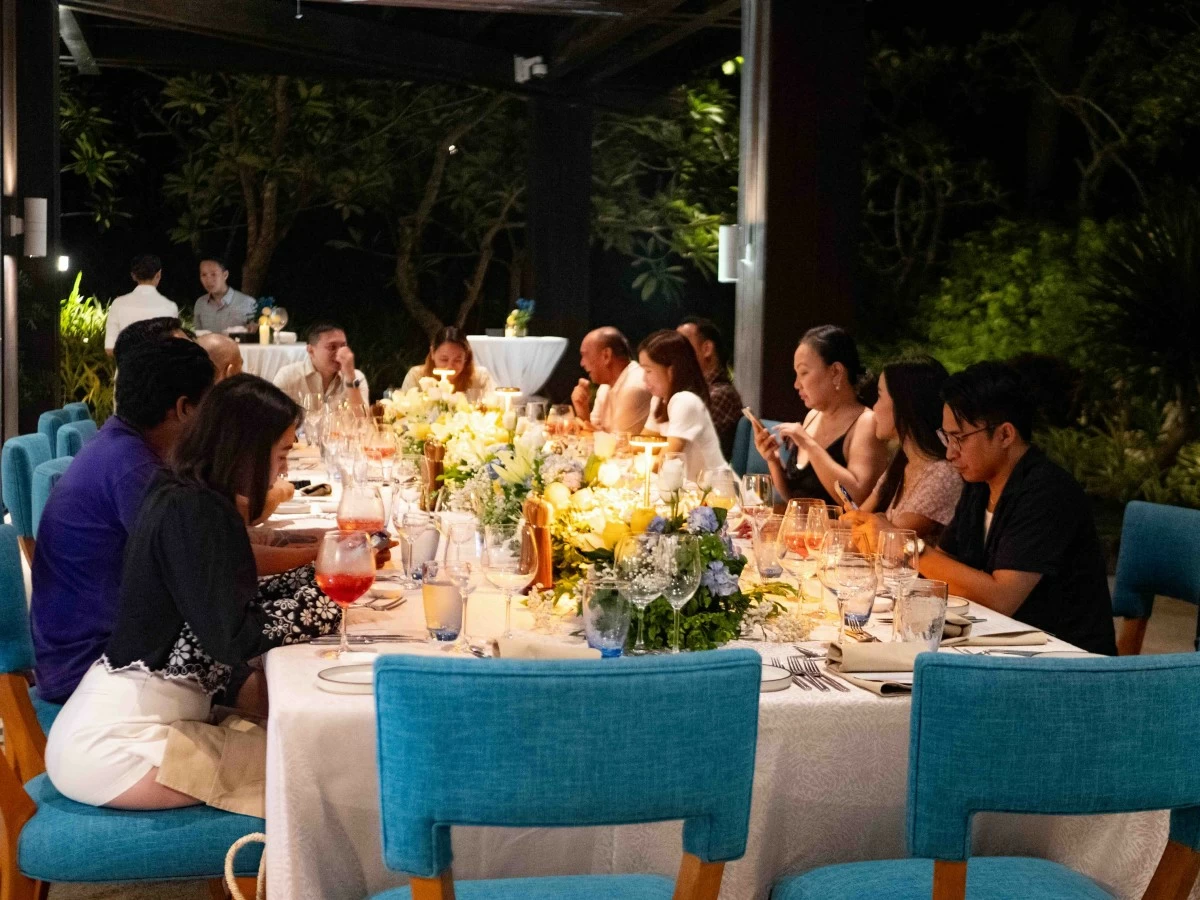
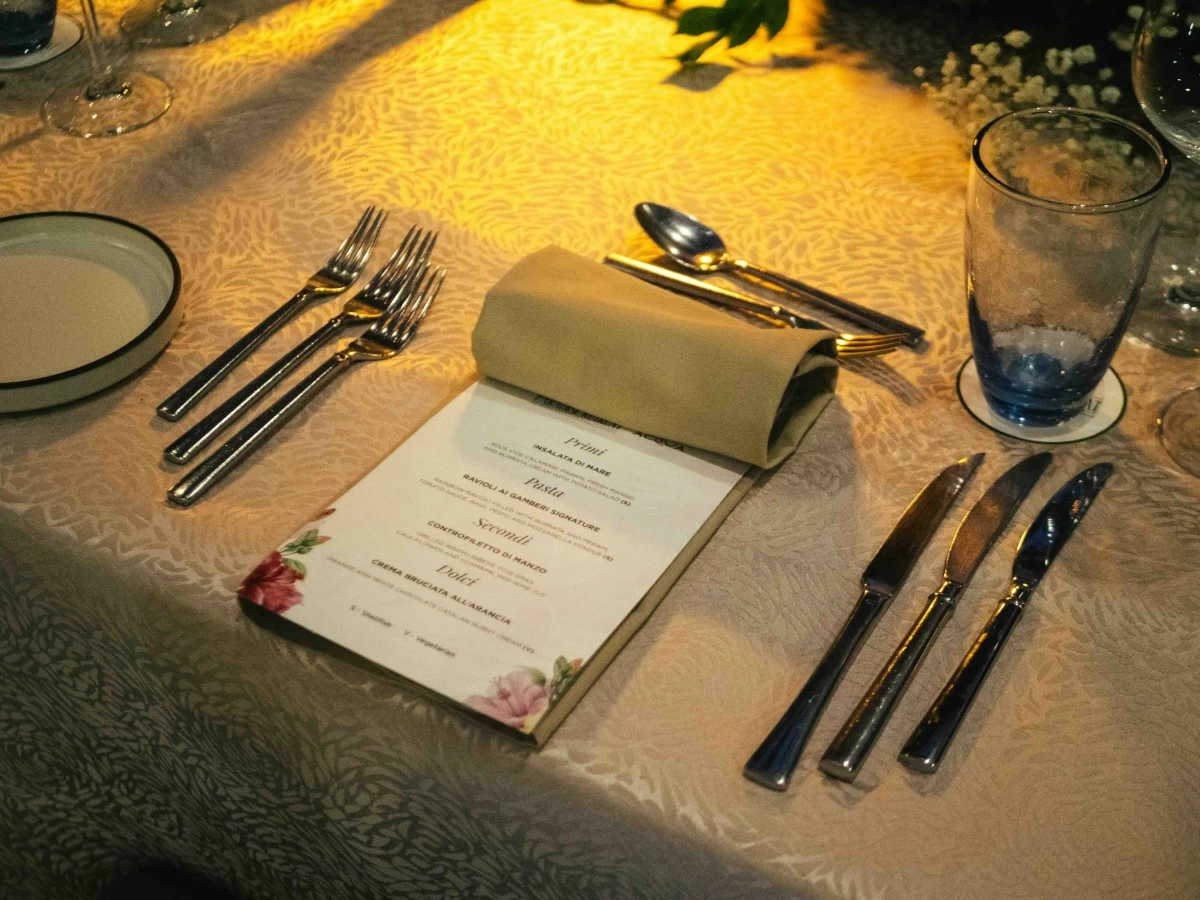
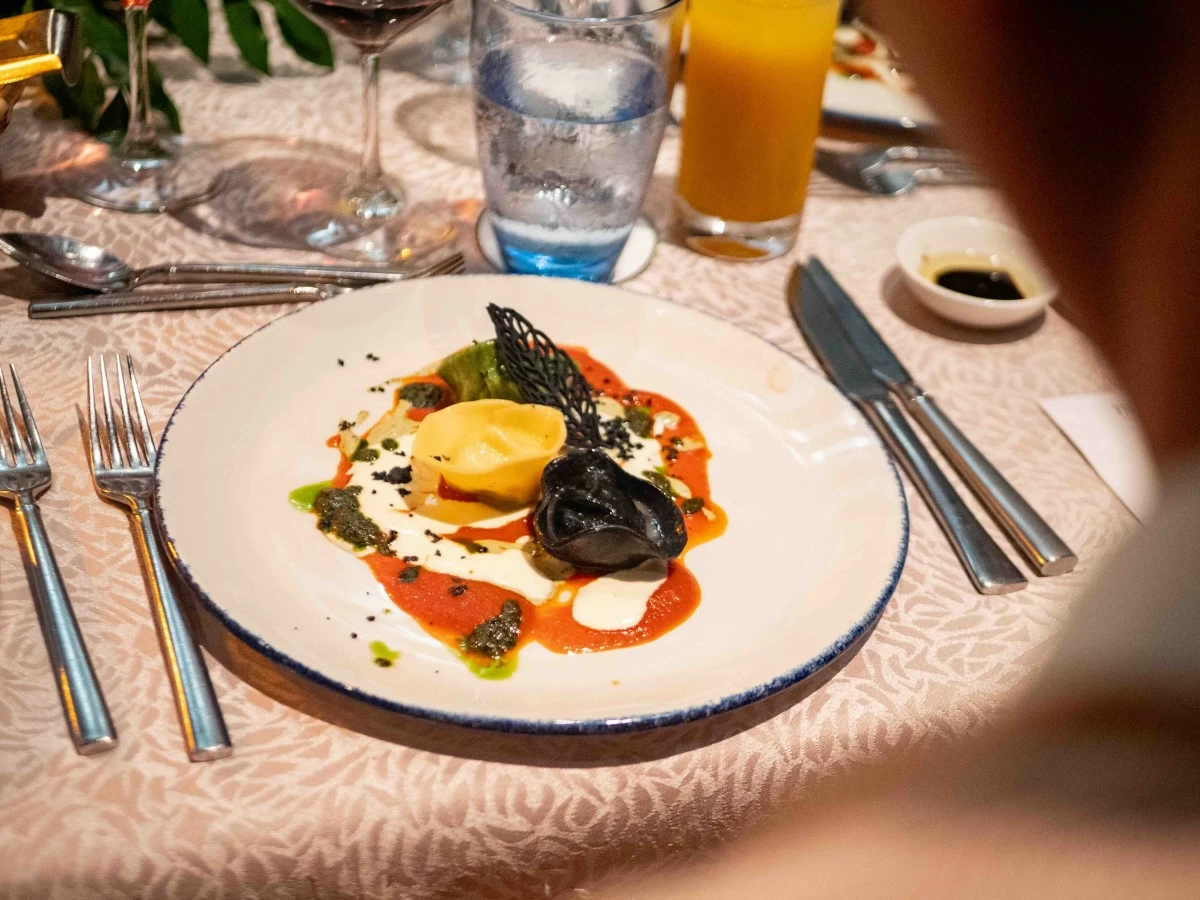
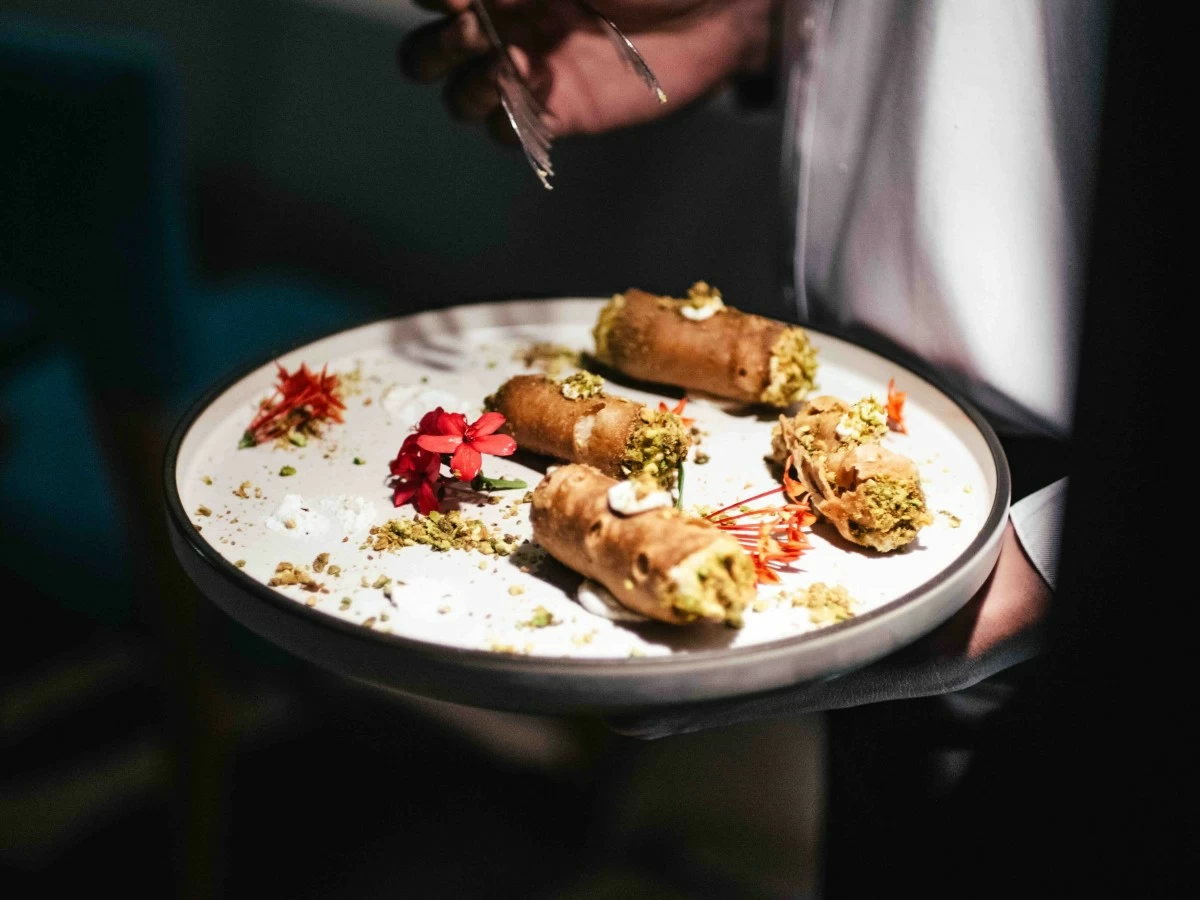
At Acqua, Italy came alive by the sea. Ravioli ai gamberi, stuffed with prawns, sat in a delicate cream sauce. Insalata di mare delivered briny freshness, while pizzas emerged with blistered edges and molten centers. The finale was crema bruciata all’arancia, its sugar crust shattering to reveal orange-scented cream beneath, rich, fragrant, and alive with citrus.
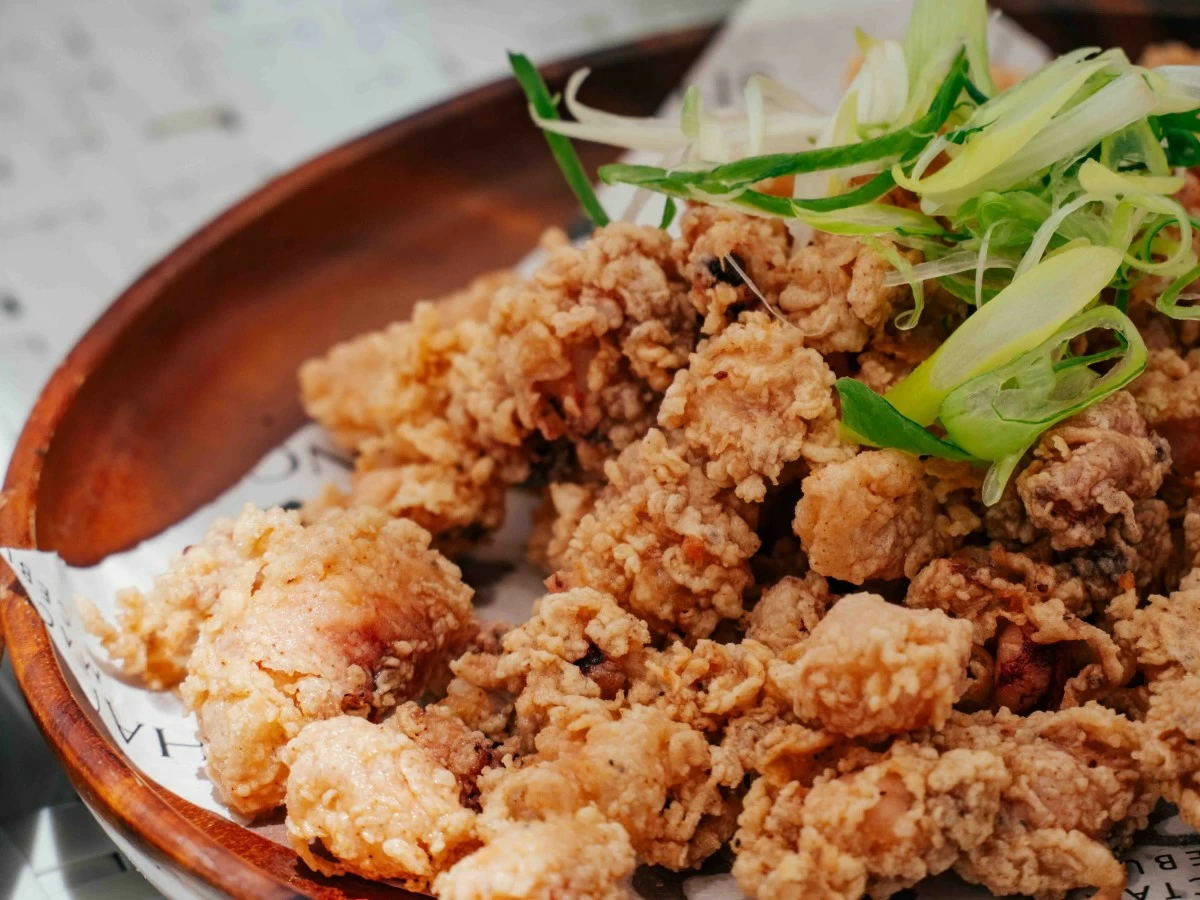
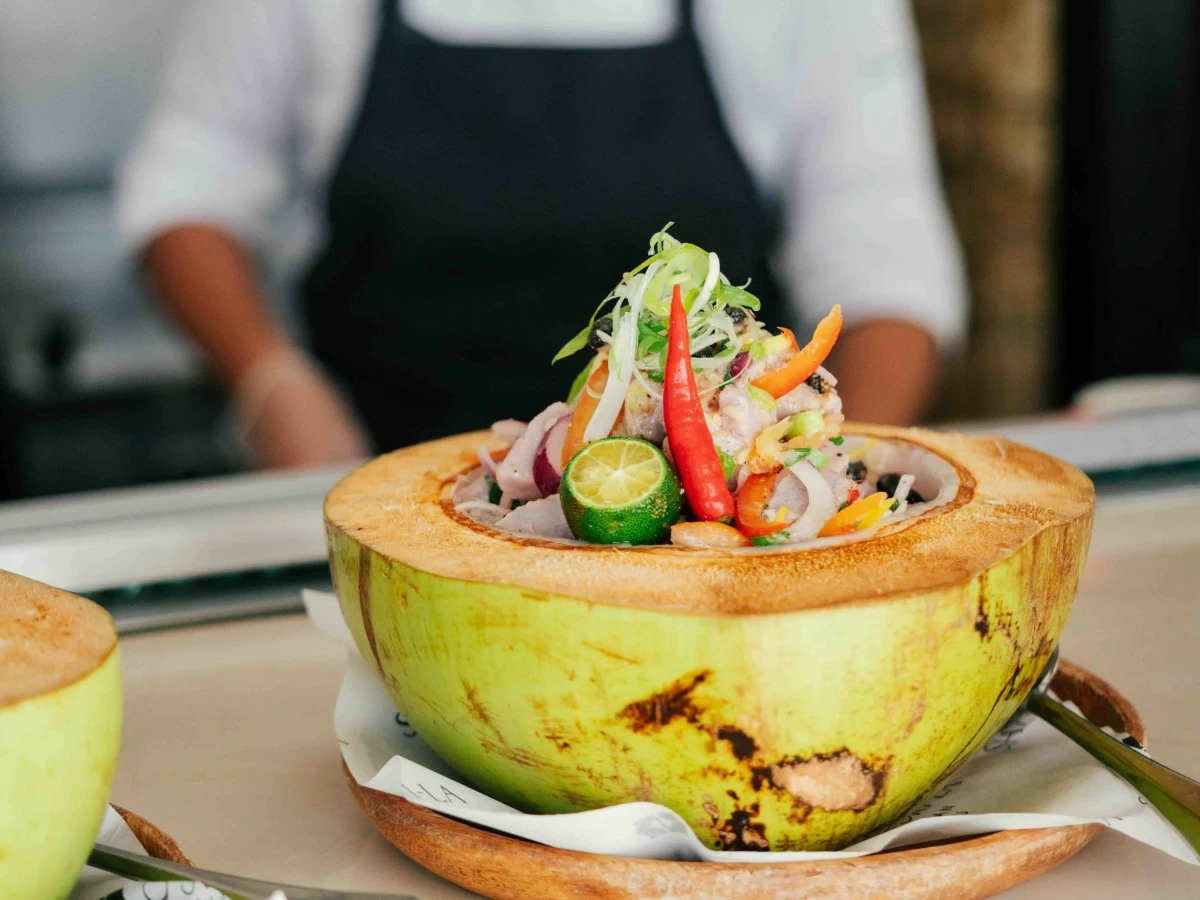
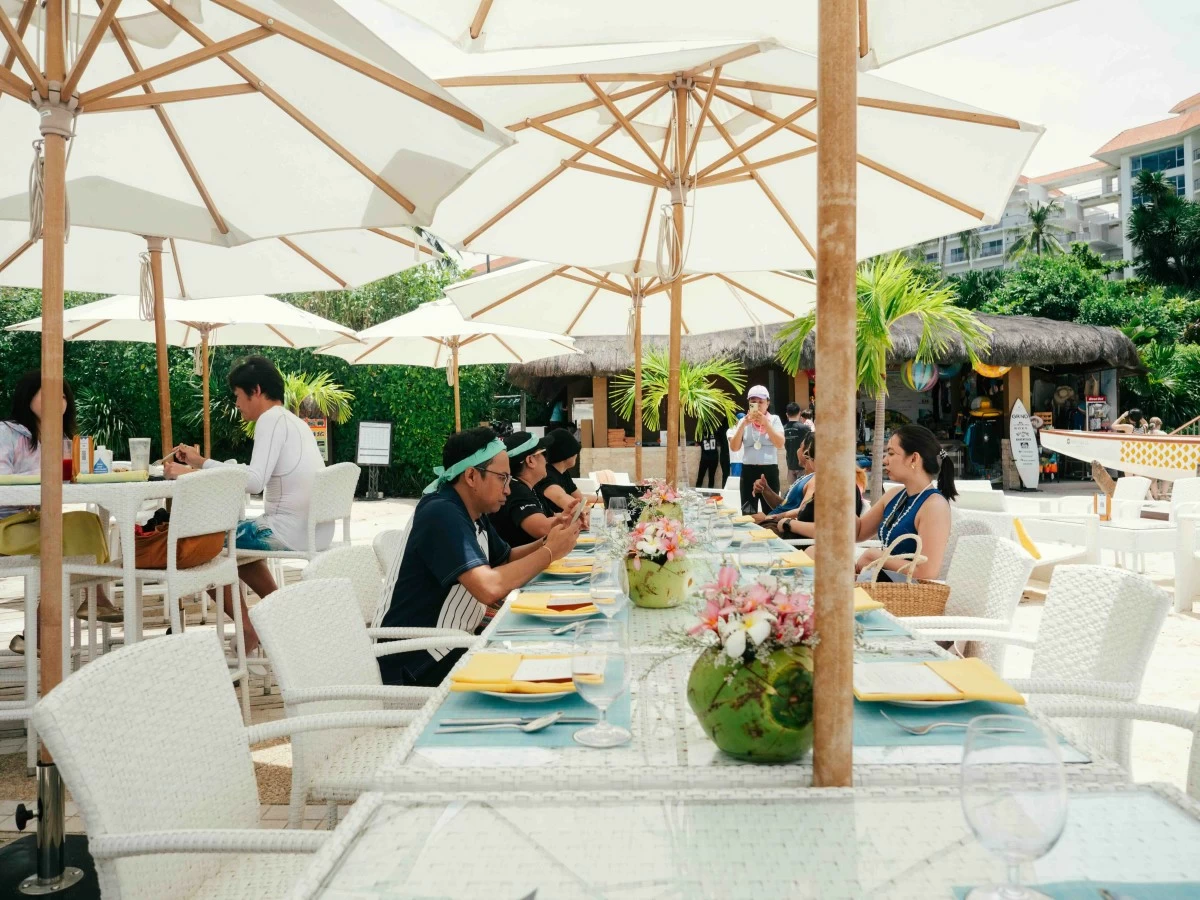
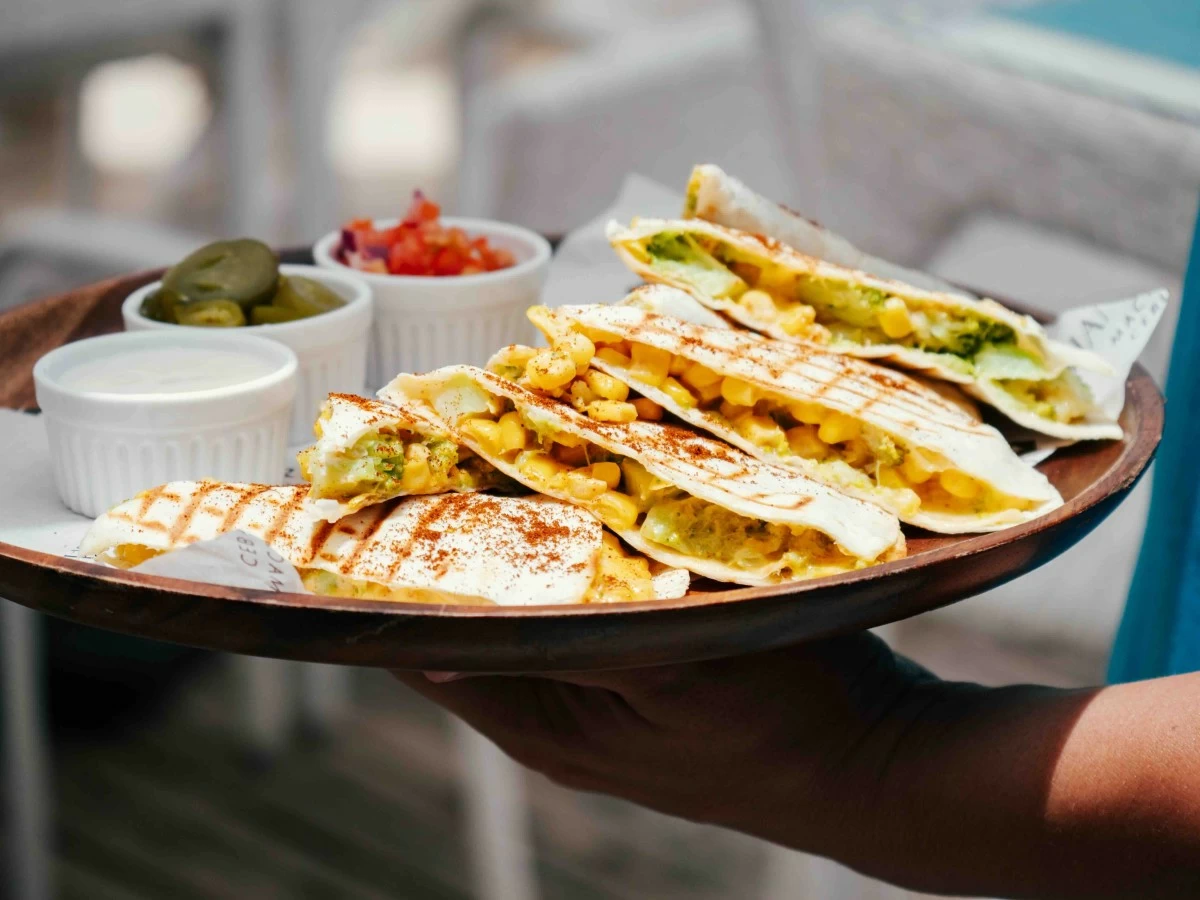
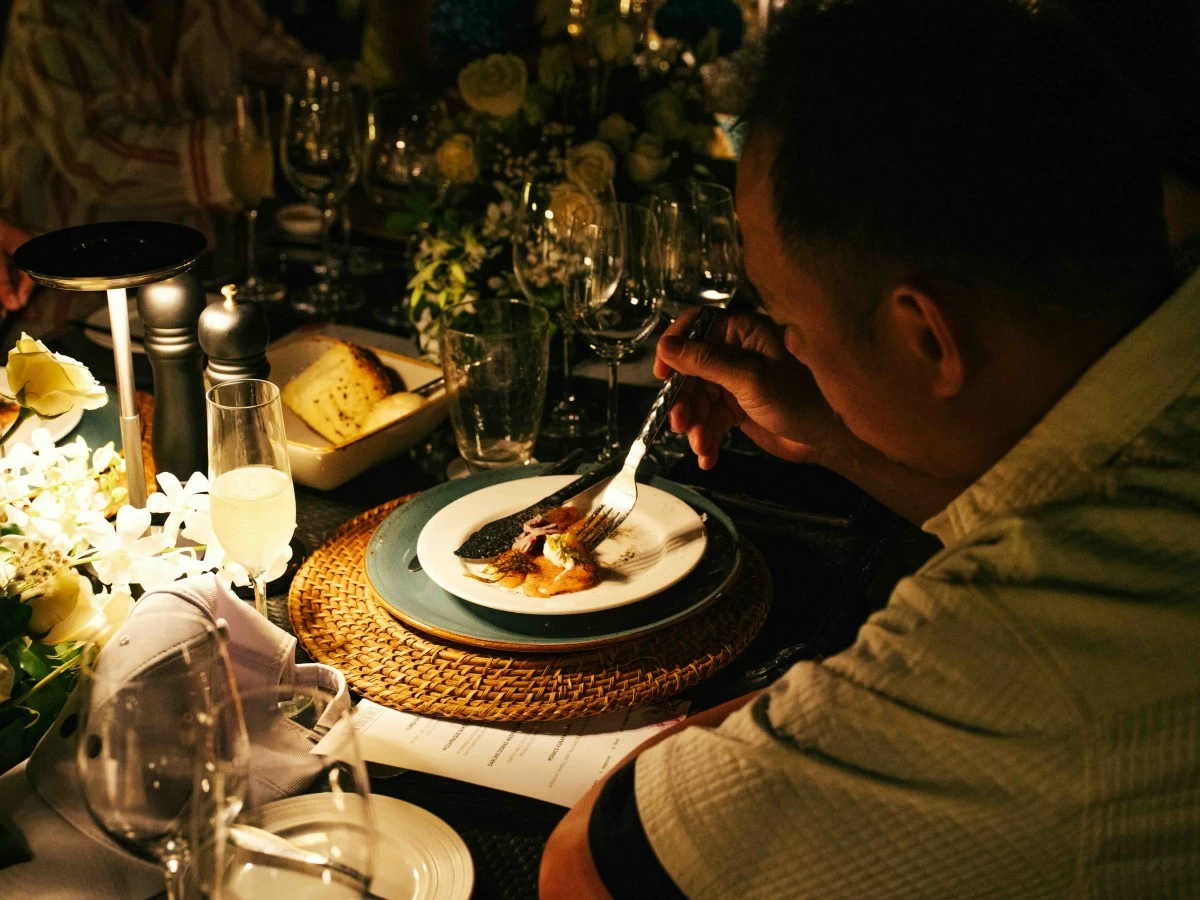
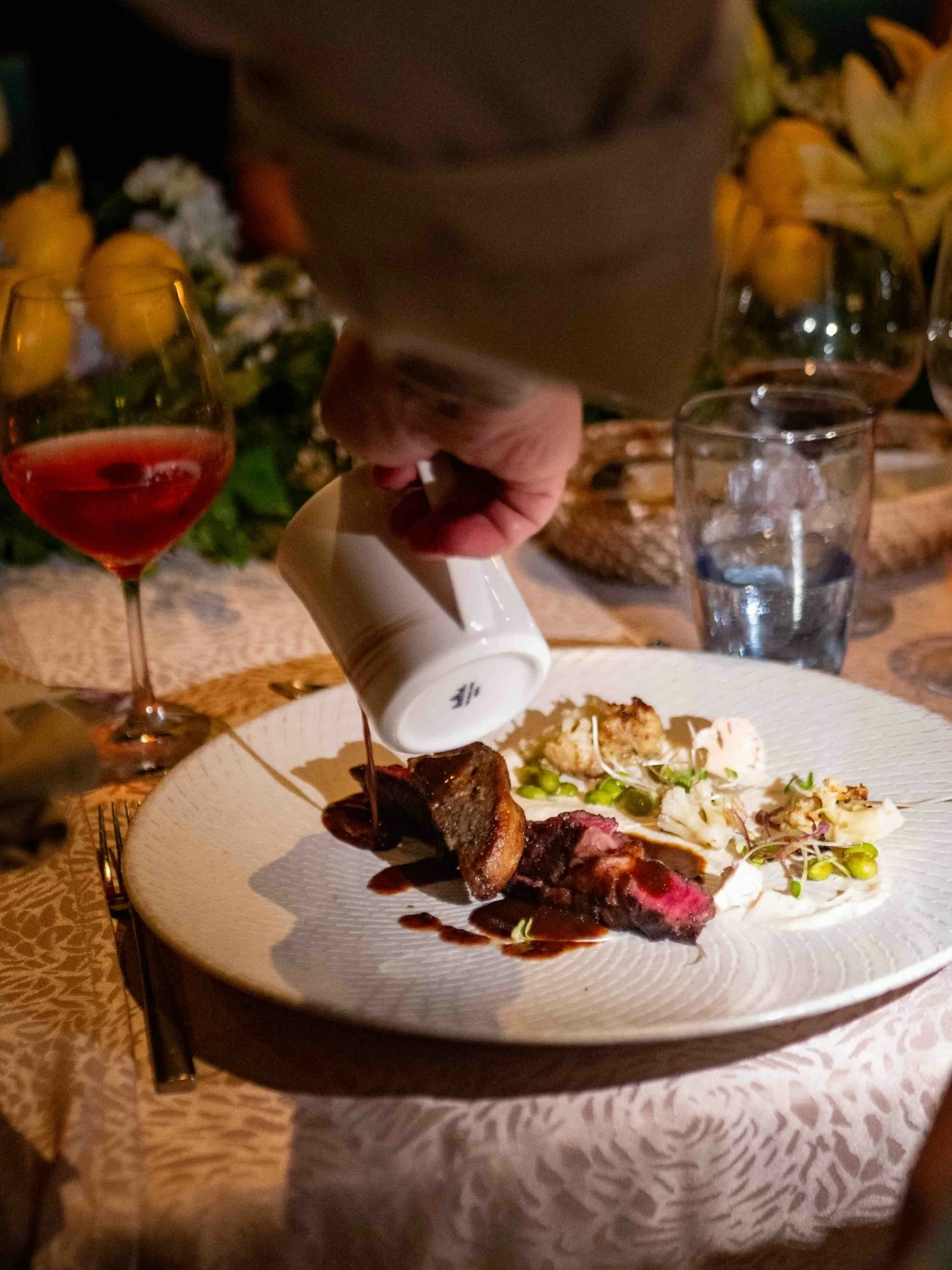
Dinner at Cowrie Cove was the sea at its freshest. Tuna kinilaw was sharp with vinegar and kissed by chili. Charred wagyu paired with octopus offered smoke and depth, while Mozambique-baked barramundi arrived golden, its flesh soft and carrying the salt of the tide. Each dish felt elemental, matched by the sound of waves and the changing light.
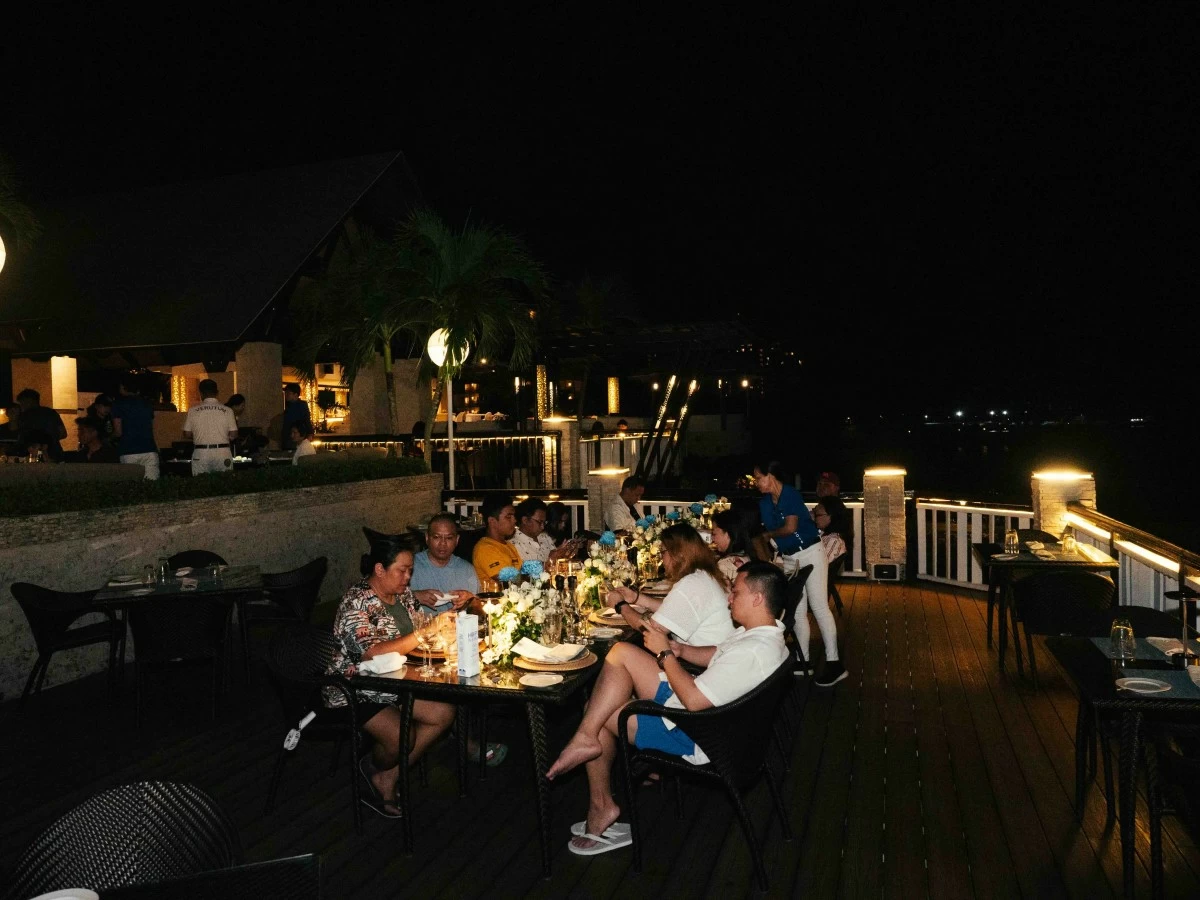
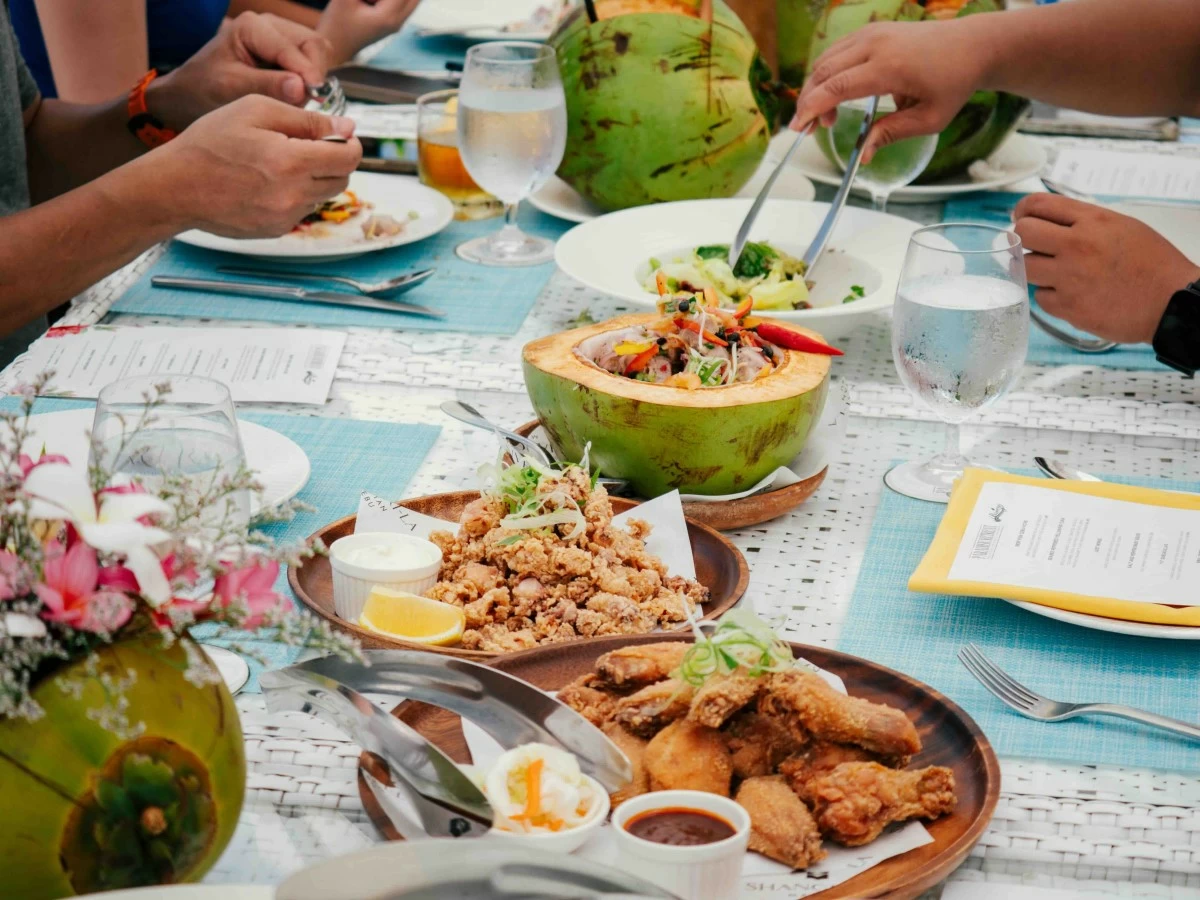
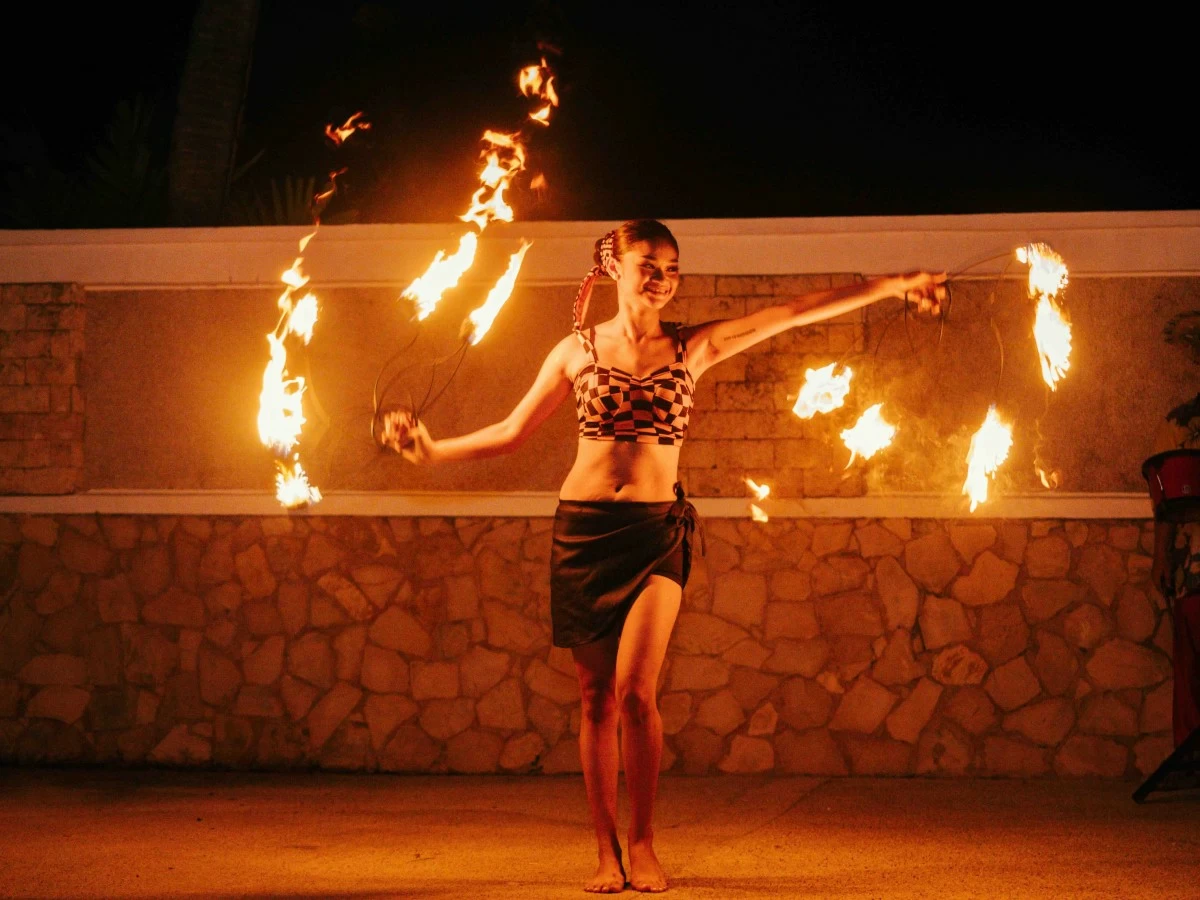
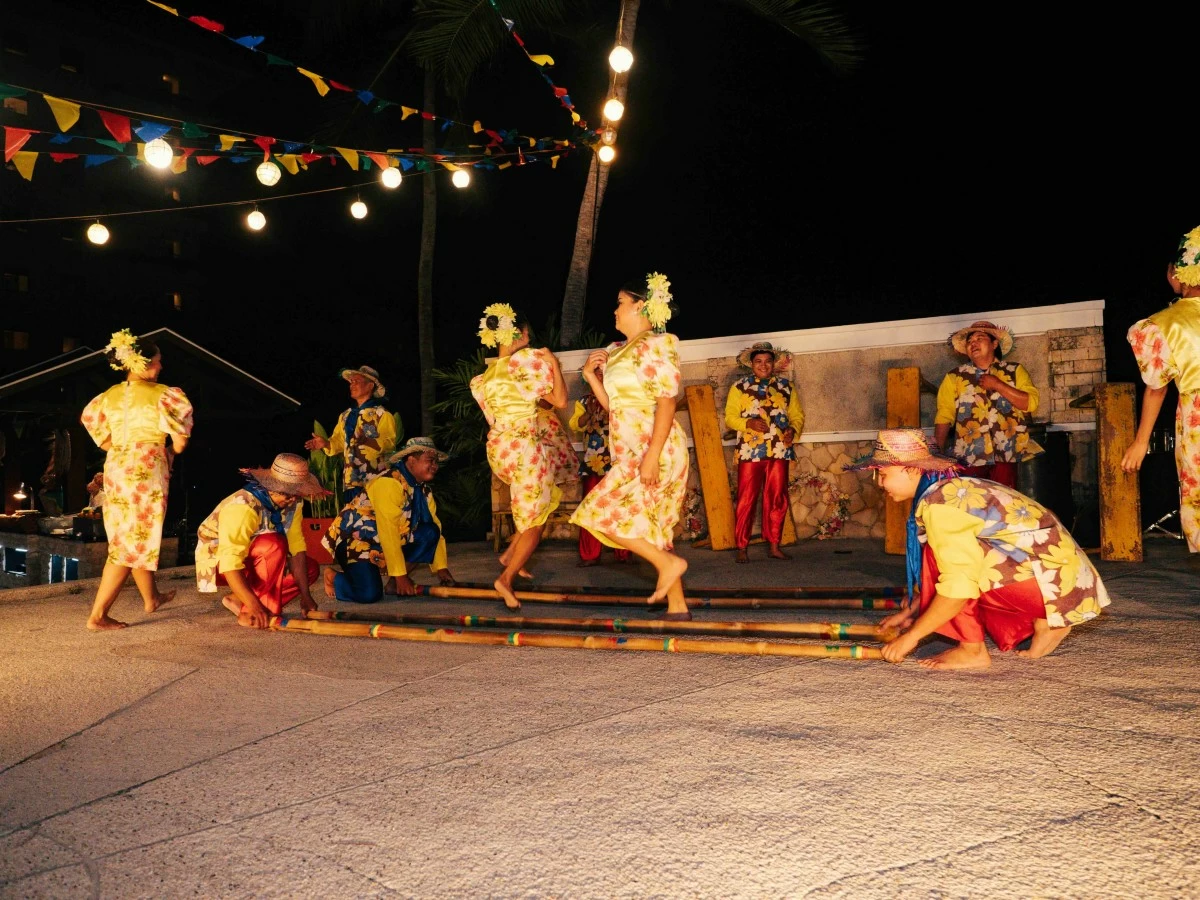
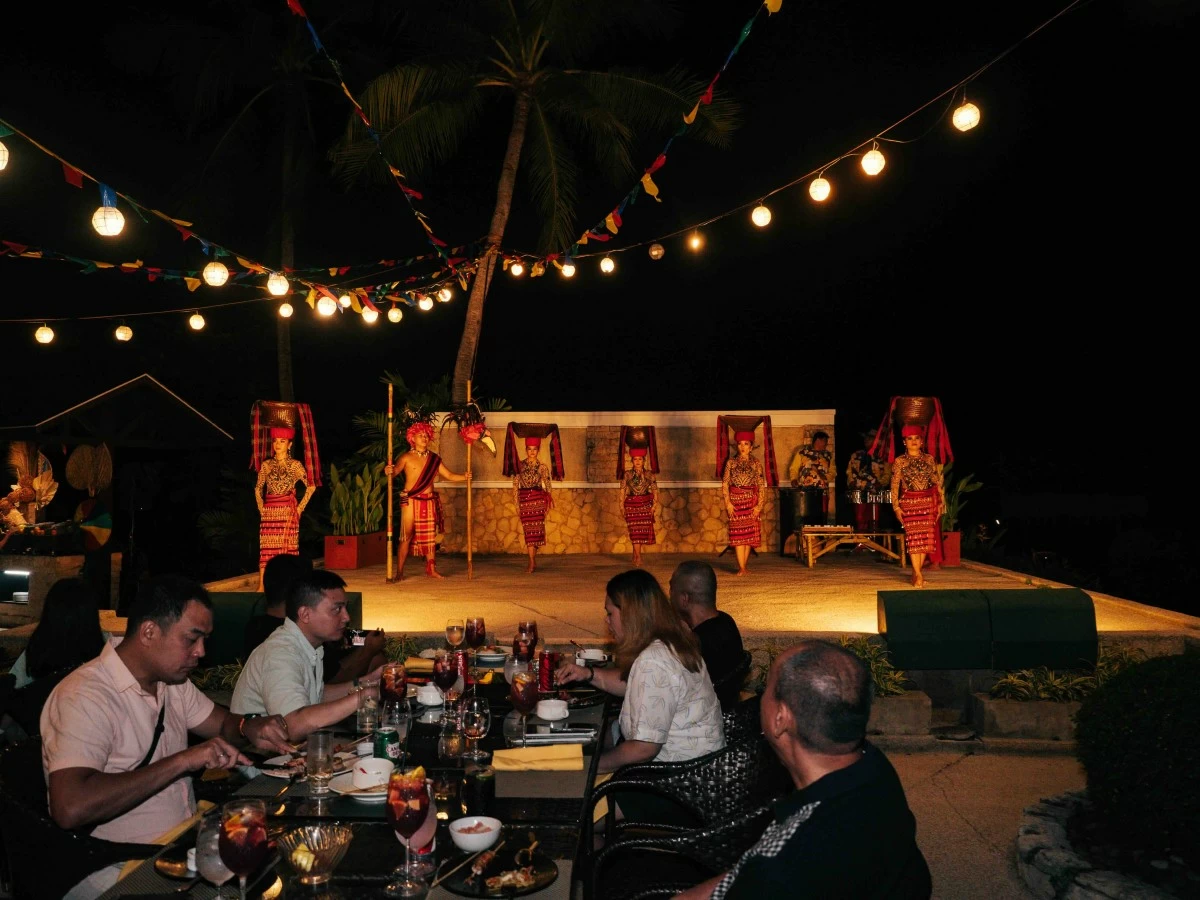
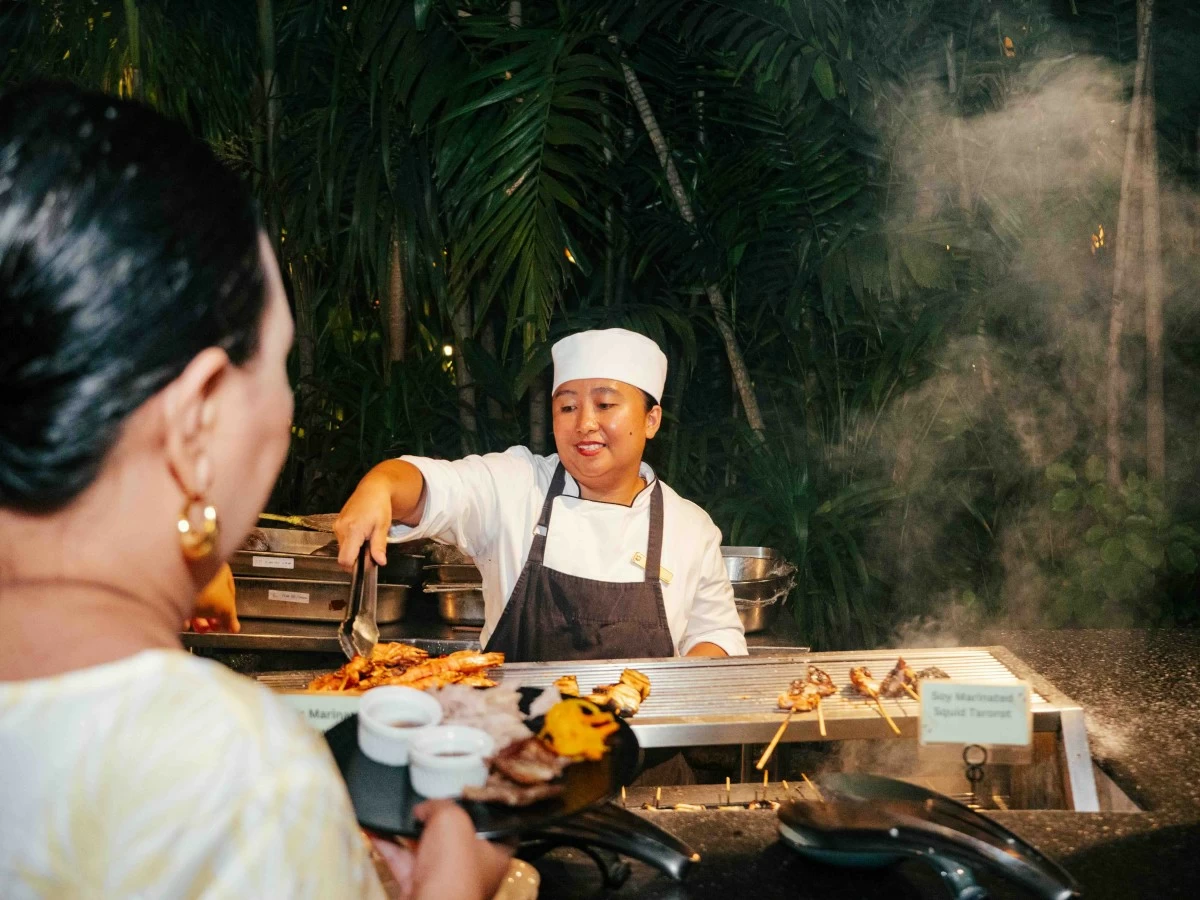
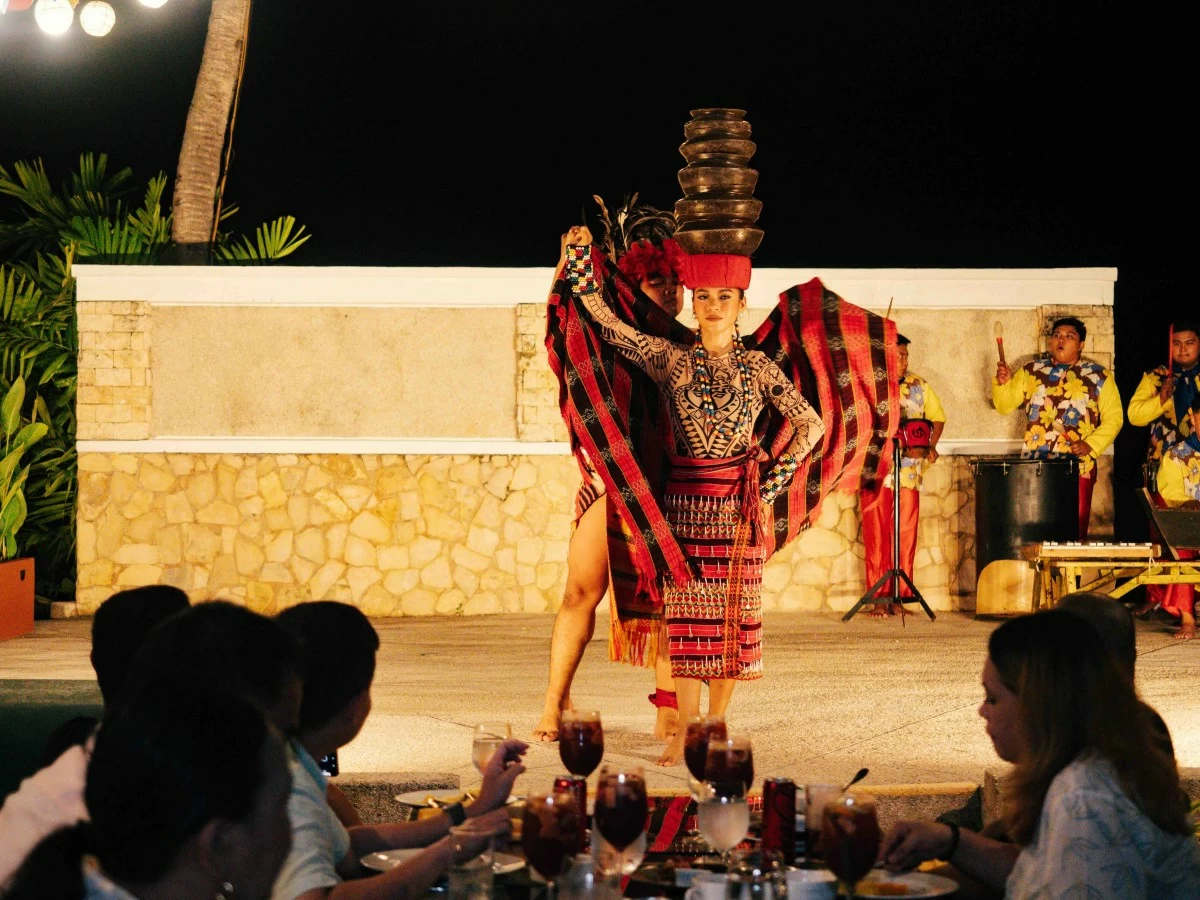
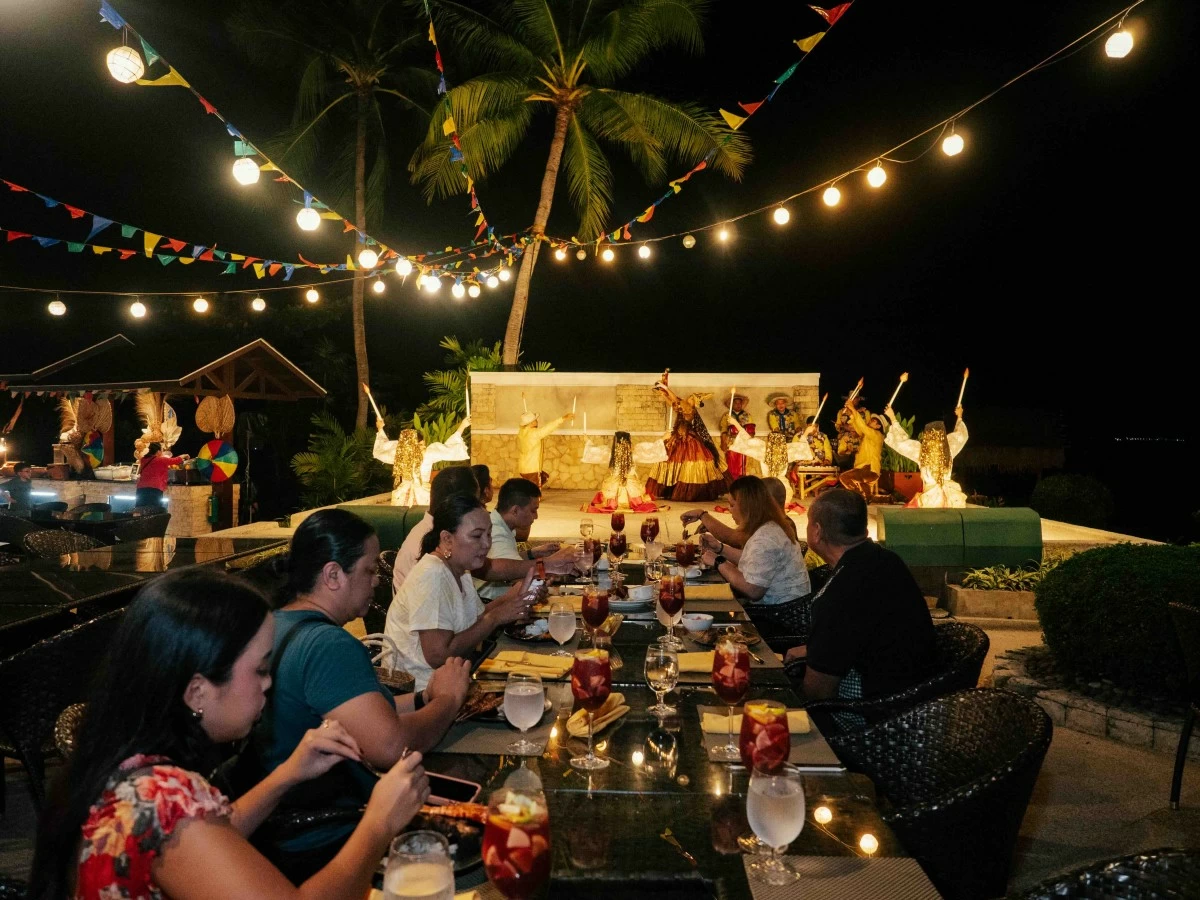
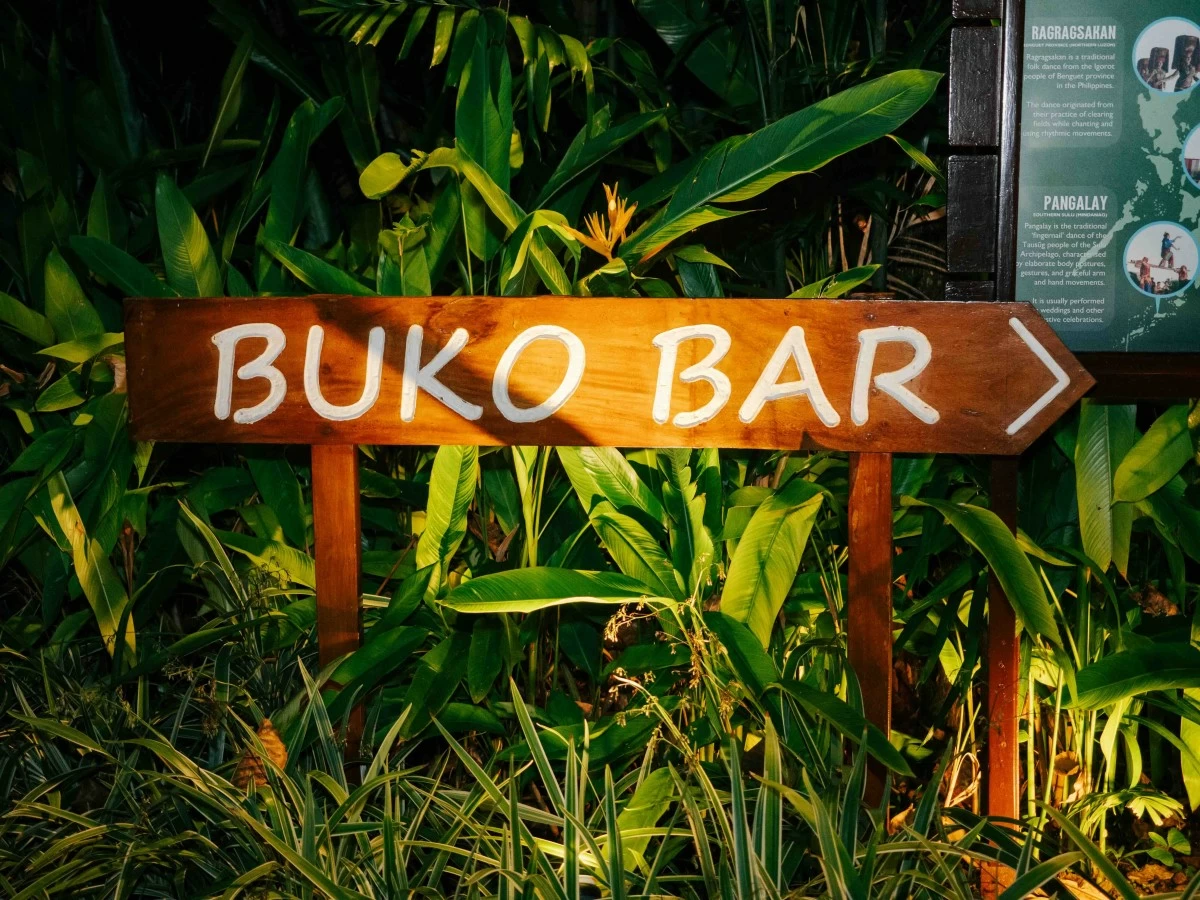
The tempo shifted at Buko Bar, where a Filipino buffet was paired with cultural performances under open sky. Grilled meats, local stews, and sweets familiar to the palate sat beside dancers in bright costume. At Breeze, light snacks and tropical cocktails faced the beach, the salt air mingling with citrus and rum. In the Lobby Lounge, afternoon tea stretched toward dusk with scones and savories, and as night fell, cocktails were poured against views of the garden and pool.
Yet Shangri-La Mactan is more than the plates on the table. We were there for four days, and there was plenty of time for recreation. The retreat revealed itself in the water, on the sand, and in the stillness of the spa.
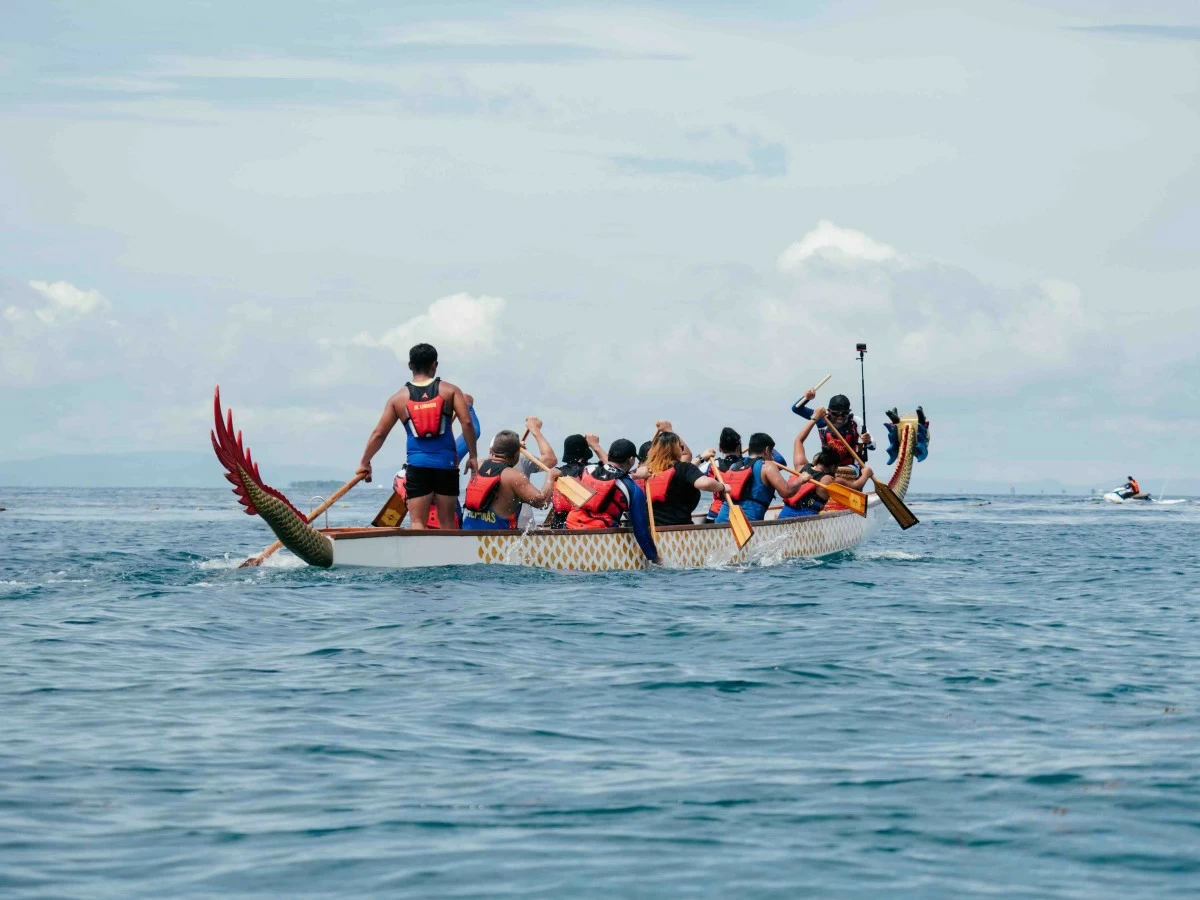
One morning began with the PADS Dragon Boat Team. Arms lifted paddles into the sea, the rhythm dictated by the beat of a drum. The water resisted, but the crew pulled as one, the horizon widening with each stroke. Muscles burned, but there was freedom in the motion.

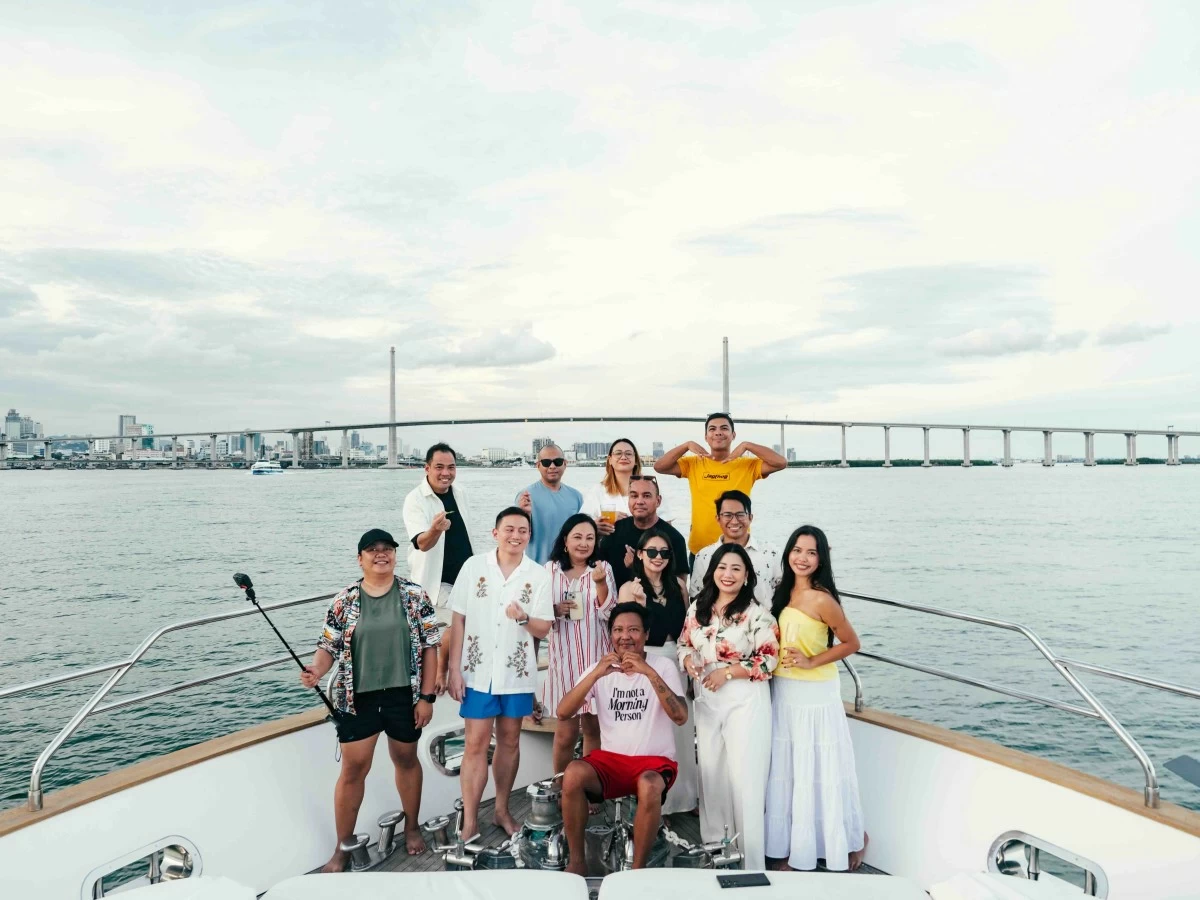
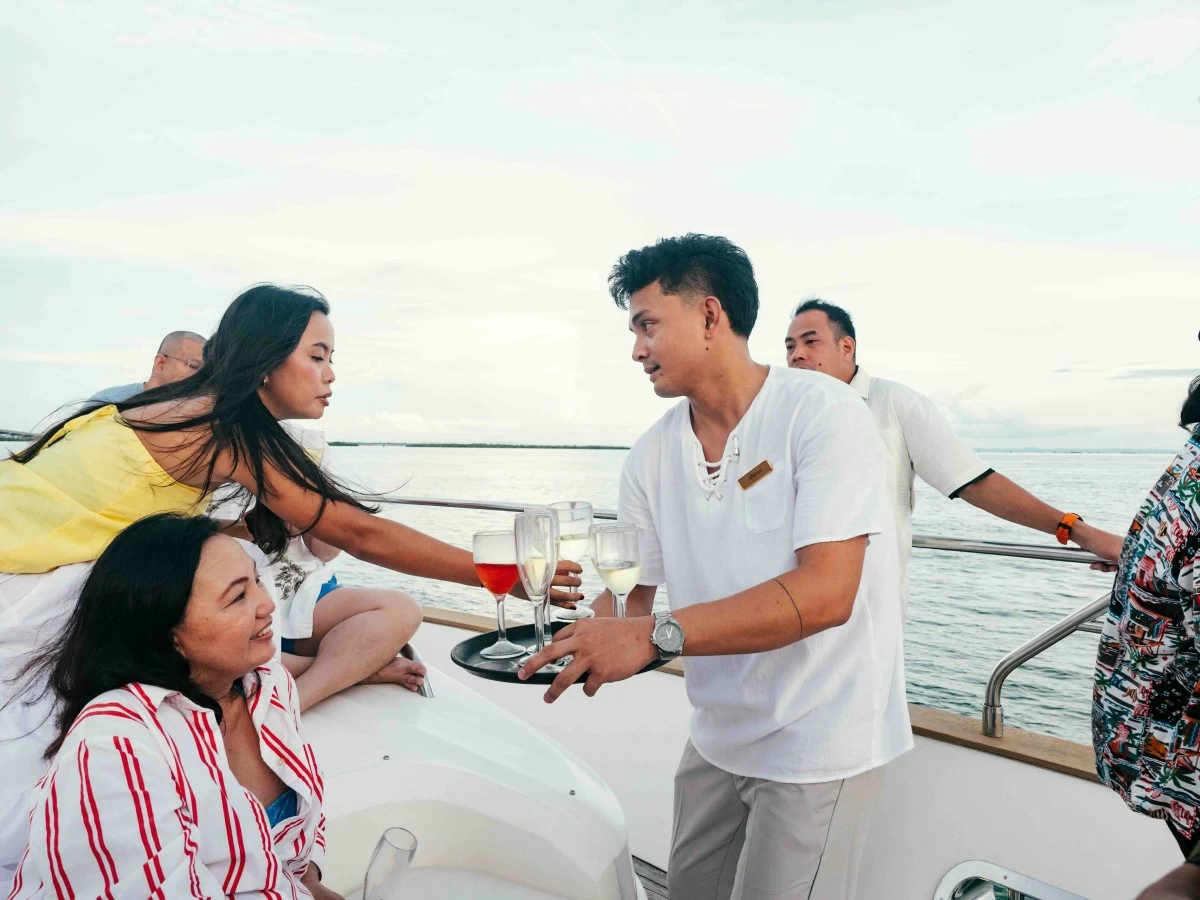
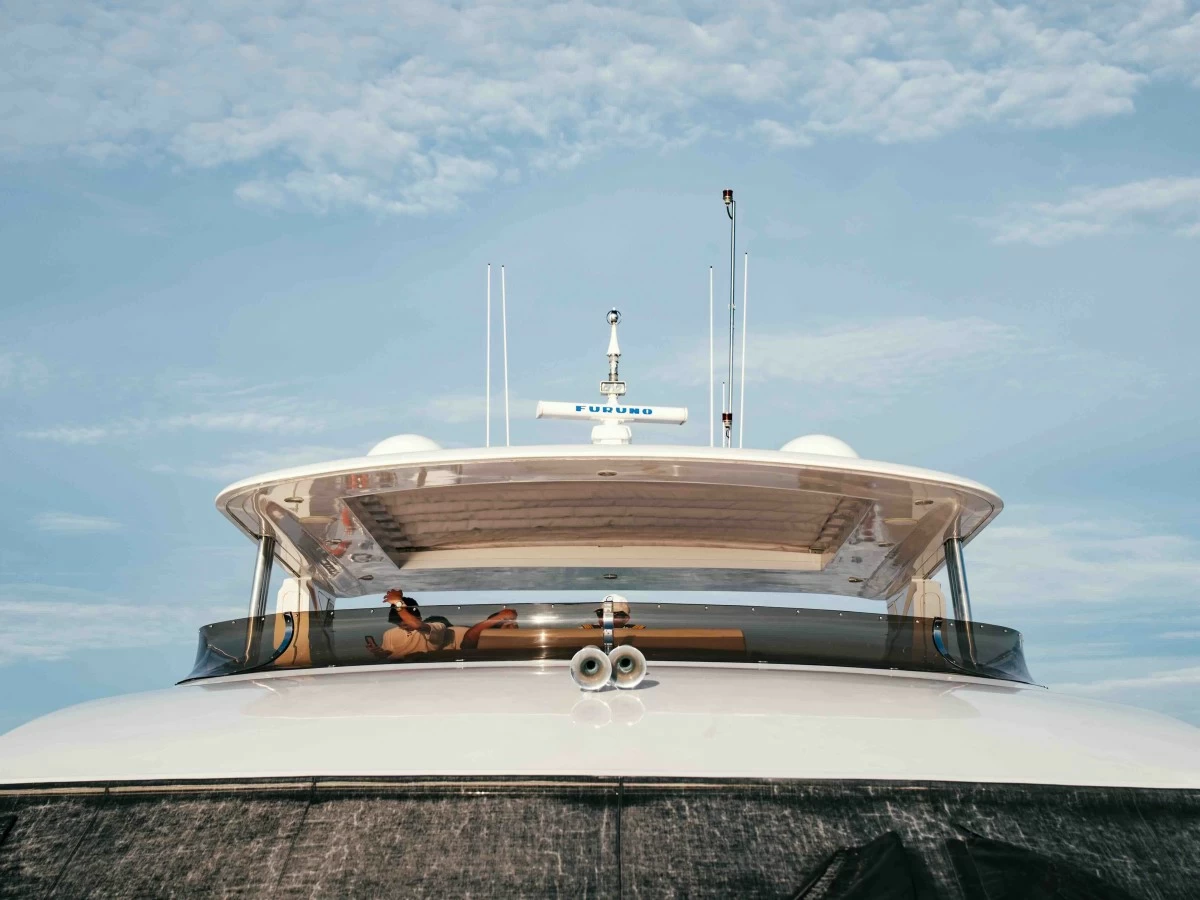
Another day turned seaward with Cebu Cruises. The 85-foot Princess Flybridge yacht stood gleaming, cabins below deck, a jacuzzi bubbling at the stern, a bar stocked for leisure. It carried us to San Vicente Island and Bongan Sandbar, where the sea turned glass-clear. Guests swam, snorkeled, and walked barefoot on the sand. Then champagne flutes clinked, canapés arrived on silver trays, and the sun lowered itself behind the Cebu–Cordova Link Expressway. The moment was staged by nature, but it felt like art.
Back on land, the stillness of Chi, The Spa offered its own journey inward. The Philippine Hilot began with warm coconut oil on skin, banana leaves pressed against the body to trace imbalances unseen. The treatment was not just massage but realignment, a return to balance. The silence after, with tea in hand, lingered as deeply as the touch.
The resort’s gym provided its contrast, rows of machines gleaming, trainers at the ready, cardio and weights against views of gardens and sea. The pools added another rhythm, children splashing at one end, laps struck with precision at another.
The sprawl itself stretched across 13 hectares, with 541 rooms and suites, a marine sanctuary, tennis courts, gardens rolling into sea. But what endures is not the size. It is the way service folds into memory, the warmth of staff and the ease of every gesture, as natural as the tide.
In 2015, the grandeur was glimpsed only in passing. In 2025, this author and fellow travelers tasted it whole, the food, the sea, the fire of activity, the stillness of retreat, and understood why Shangri-La Mactan remains Cebu’s enduring paradise.