






Manila Bulletin
 Technews
Thinking Machines Partners with OpenAI to Drive AI-Native Transformation Across the Asia Pacific
Technews
Thinking Machines Partners with OpenAI to Drive AI-Native Transformation Across the Asia Pacific
Technews
Thinking Machines Partners with OpenAI to Drive AI-Native Transformation Across the Asia Pacific
Thinking Machines Partners with OpenAI to Drive AI-Native Transformation Across the Asia Pacific
Thinking Machines Data Science has partnered with OpenAI to accelerate enterprise adoption of artificial intelligence across the Asia Pacific
By Bob Reyes
Published Sep 16, 2025 08:49 am


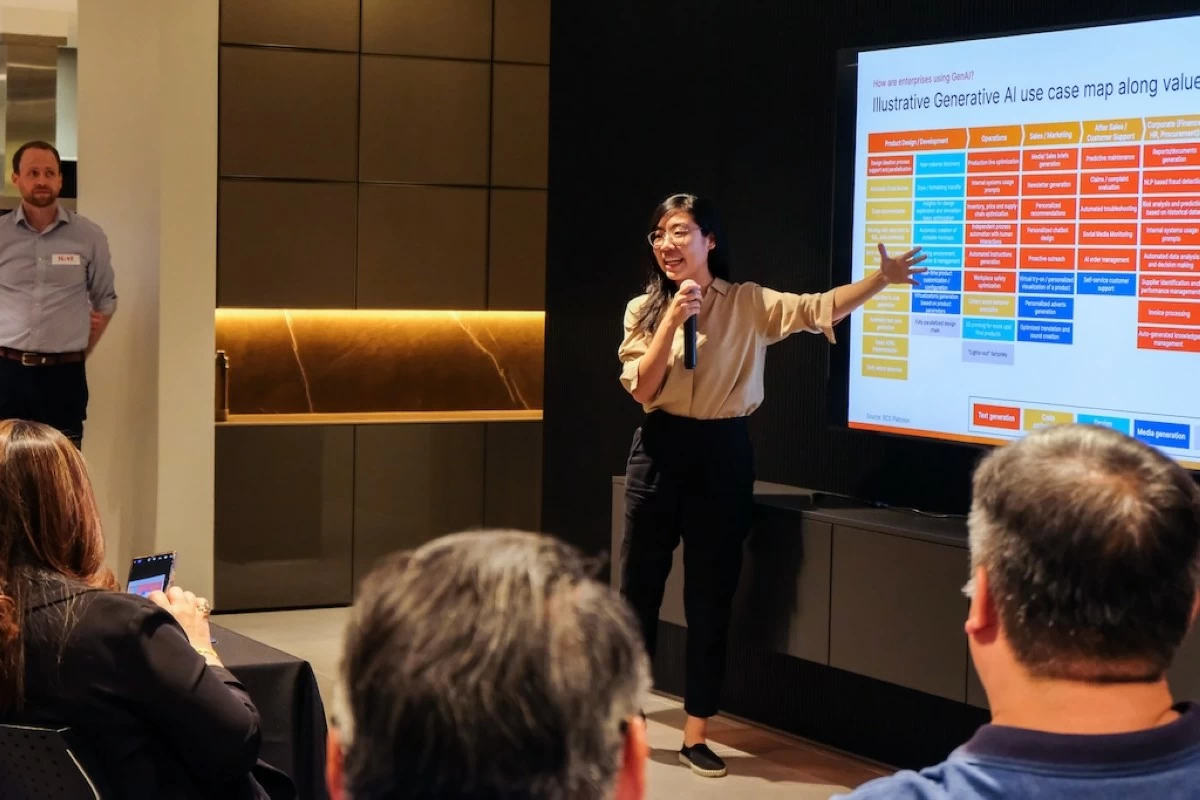
Thinking Machines Data Science, a leading Artificial Intelligence (AI) consultancy, has announced a strategic collaboration with OpenAI to accelerate enterprise adoption of AI across the Asia Pacific (APAC) region. With this partnership, Thinking Machines becomes OpenAI’s first official Services Partner in APAC, marking a milestone in scaling AI innovation for businesses.
The collaboration will focus on helping organizations adopt ChatGPT Enterprise and integrate Agentic AI applications into their operations. Thinking Machines will deliver executive training programs, customized implementation frameworks, and hands-on support for enterprises looking to maximize the value of AI.
According to an IBM CEO study, 61% of enterprises in APAC have already adopted AI. However, many face challenges in translating these investments into measurable business value due to limited executive skills and cultural barriers. Thinking Machines, working with OpenAI, aims to address these gaps by offering comprehensive training and implementation services tailored to regional needs.
Stephanie Sy, Founder and CEO of Thinking Machines, emphasized the importance of the initiative for the region. She said the collaboration is not just about deploying new technology but also about equipping leaders with the right skills, strategies, and systems to drive impact. “The markets in the Asia Pacific are showing remarkable momentum in AI adoption, underscoring the region’s readiness to embrace enterprise-grade solutions. Through our collaboration with OpenAI, we’re not just bringing in new technology, but we’re helping organizations build the skills, strategies, and support systems they need to take advantage of AI. For us, it’s about reinventing the future of work through human-AI collaboration and making AI truly work for people across the Asia Pacific Region,” according to Sy.
Strong Momentum in the Philippines & Beyond
A recent MIT study revealed that as many as 95% of AI projects fail to deliver business value, often due to a lack of proper training, limited executive engagement, and top-down deployments that struggle to gain traction. This makes the Thinking Machines–OpenAI partnership particularly timely, especially in the Philippines, where AI adoption is surging -- 80% of organizations already use AI, with nearly half identified as strong performers in generative AI, according to a Boston Consulting Group report. Yet, many businesses continue to highlight the need for more upskilling, clearer adoption guidelines, and access to trusted vendor networks -- gaps that the collaboration aims to fill through executive enablement, governance frameworks, and hands-on change management to ensure AI investments translate into sustainable success.
Andy Brown, Head of Go-to-Market, Asia Pacific at OpenAI, said the initiative will give business leaders the expertise and hands-on guidance needed to move from experimentation to real-world impact. He highlighted the potential of integrating OpenAI’s GPT-5 model into enterprise workflows for significant productivity gains.
Thinking Machines has already trained more than 10,000 professionals in AI across APAC. Building on this track record, the company will now offer specialized executive enablement programs designed to help leaders create “AI second brains” to boost productivity.
In addition to training, the partnership will deliver enterprise transformation services, including end-to-end support for ChatGPT Enterprise deployment, governance frameworks, and custom workflow design. The companies are also co-developing Agentic AI applications that embed each organization’s unique “DNA,” offering differentiated competitive advantages.
To promote responsible adoption, Thinking Machines and OpenAI will collaborate on thought leadership initiatives such as white papers, executive roundtables, and industry forums. These efforts aim to address cultural, linguistic, and business dynamics specific to the region.
The program will launch in Singapore, the Philippines, and Thailand through Thinking Machines’ offices in Singapore, Manila, and Bangkok, before expanding to other APAC markets. Looking ahead, the companies plan to extend their services into industries such as financial services, retail, and manufacturing.
With leaders like Stephanie Sy and a regional leadership team driving AI adoption, the Thinking Machines-OpenAI partnership is poised to play a pivotal role in shaping the AI-native transformation of Asia Pacific enterprises.