






Manila Bulletin
 Business
Trade & Industry
DOE pushes for coordinated regional effort to overcome wind energy bottlenecks
Business
Trade & Industry
DOE pushes for coordinated regional effort to overcome wind energy bottlenecks
Business
Trade & Industry
DOE pushes for coordinated regional effort to overcome wind energy bottlenecks
DOE pushes for coordinated regional effort to overcome wind energy bottlenecks
Published Sep 16, 2025 02:40 pm


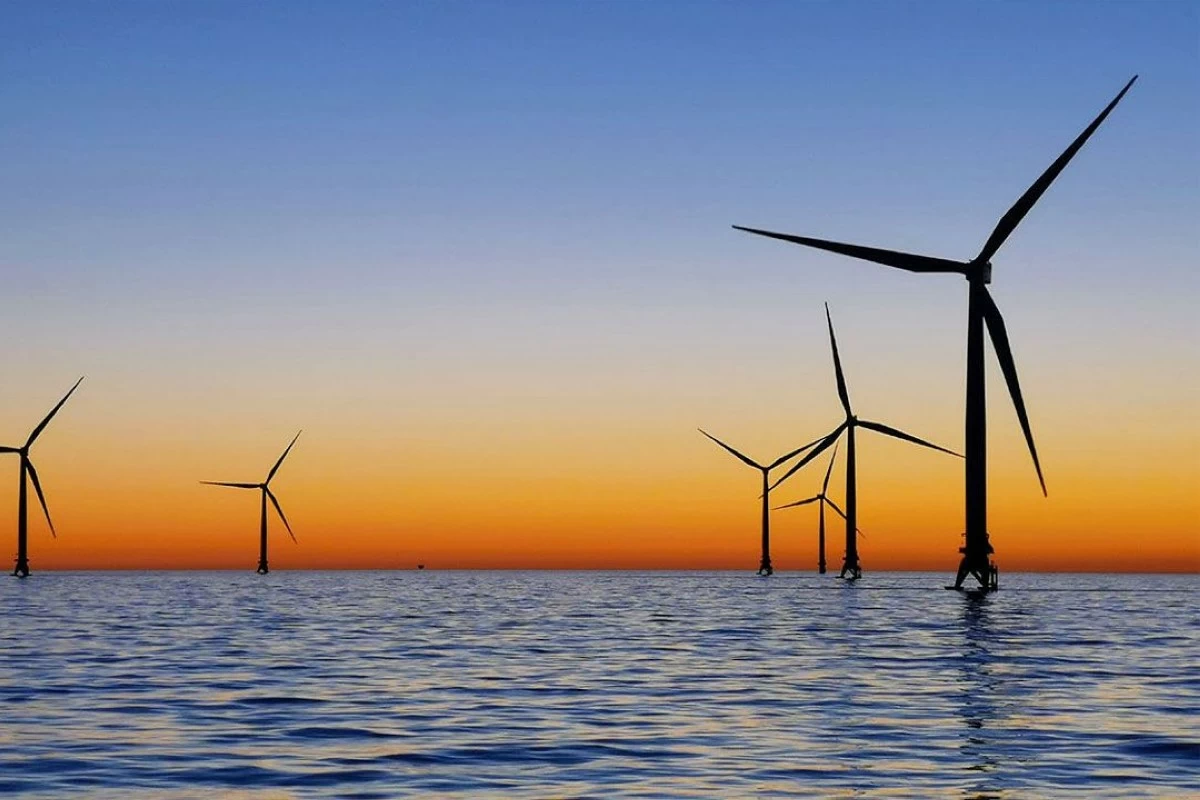
As part of efforts to boost the wind energy sector, the Department of Energy (DOE) is pushing for a “whole-of-region” approach to collaboration in the Asia-Pacific region.
At the 2025 Asia-Pacific (APAC) Wind Energy Summit in Australia, Energy Undersecretary Rowena Guevara proposed this approach to tackle key challenges holding back the development of wind energy, especially in offshore wind (OSW) technologies.
According to Guevara, significant “bottlenecks” are slowing down wind developments, including complex regulations, inadequate infrastructure, and financing challenges.
“Across Asia-Pacific, the momentum for offshore wind is strong, but there are clear bottlenecks that could slow deployment. These cut across regulation, infrastructure, and financing,” she said during a panel discussion.
One major hurdle is the capital-intensive nature of offshore wind projects. Emerging markets, in particular, face higher financing costs due to perceived risks like typhoons. To counter this, the Philippines is engaging with multilateral banks and exploring mechanisms to lower capital costs, while also looking to regional peers for lessons on blended finance and risk-sharing instruments.
Guevara stressed that continued coordination among APAC countries is essential to overcome these challenges.
She highlighted the importance of coordinating demand signals and project pipelines, suggesting that stakeholders could “share multi-year auction calendars and grid-ready connection queues so manufacturers see stable regional demand, not fragmented one-off tenders.”
Additionally, she noted the need to reduce duplication in manufacturing by aligning industrial policies. This would allow each country to focus on its comparative advantage. For instance, the Philippines has strong potential in providing development and early-stage services for energy projects, while partnering with other APAC countries for manufacturing.
Common manpower training is also a critical component. The energy official noted that the Philippines could align its training programs, such as those from the Technical Education and Skills Development Authority (TESDA), with regional curricula. This would help ensure projects have the necessary skilled workforce.
To address the need for significant funding, Guevara suggested pooling public finance with support from multilateral development banks. This could help fund critical infrastructure like heavy-lift quays, staging areas, and grid interconnections that could serve multiple markets. Using regional credit guarantees and insurance pools could also help reduce costs and risks for early investors.
“The Philippines can anchor development services, leverage our maritime workforce, and align TESDA and industry training with regional curricula, then plug into neighbors’ turbine and component hubs,” she concluded.