






Manila Bulletin
 Business
Trade & Industry
DOE introduces new program to fast-track geothermal projects
Business
Trade & Industry
DOE introduces new program to fast-track geothermal projects
Business
Trade & Industry
DOE introduces new program to fast-track geothermal projects
DOE introduces new program to fast-track geothermal projects
Published Sep 10, 2025 03:20 pm


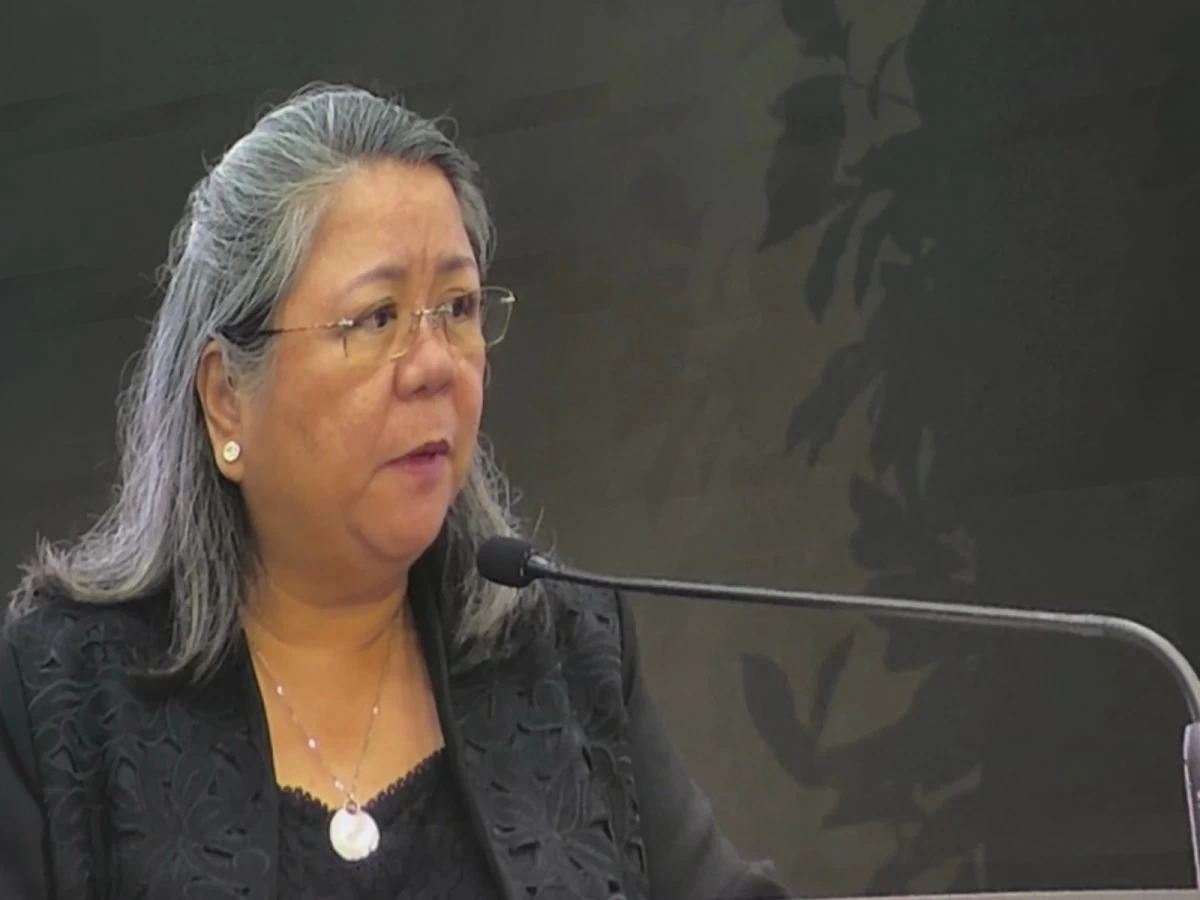
The Department of Energy (DOE) has launched a five-year implementation plan for its geothermal de-risking facility, a new initiative aimed at advancing geothermal development in the country.
During the 6th Philippine International Geothermal Conference (PIGC6) on Wednesday, Sept. 10, Energy Undersecretary Rowena Guevara announced that the facility, designed as a risk-mitigation strategy, has been submitted to the Investment Coordination Committee (ICC) of the Department of Economy, Planning, and Development (DEPDev).
“Implementation is scheduled for 2026 to 2031, with key milestones already in motion,” Guevara said. “This facility is not just about financing; it's about accelerating geothermal development, strengthening energy security, and driving inclusive growth.”
According to Guevara, the de-risking facility is designed to encourage private investment by covering 50 percent of drilling costs through convertible loans. If an exploration project is successful, the support becomes a loan. If it fails, it becomes a grant. This approach addresses the significant upfront investment required for geothermal projects, a factor that often discourages private sector participation.
The government aims to begin accepting geothermal proposals by December.
Jaime Austria, president of the National Geothermal Association of the Philippines (NGAP), expressed support for the initiative. In an interview, he stated that the facility “will give us the money to drill the first exploration wells.”
“If drilling is successful, then it will become a loan,” Austria added. “And if it's not successful, then it will become a grant. So that gives incentives for companies who are going into new areas to drill and explore, and find more resources.”
NGAP Head of Geothermal Technology and Innovation Erlindo Angcoy, Jr. noted that the $250 million facility is expected to attract developers. “If it's a $250 million fund, that's good for at least 10 wells, which is a very good start,” he said, noting that one well could potentially bring a five-megawatt (MW) capacity.
“You don't just drill a well; you have to build roads, you have to ask for permits. And all of this would entail significant expenses,” Angcoy said. “So this is very encouraging news for us.”