






Manila Bulletin
 Lifestyle
Health and Wellness
Introducing the calamansi revolution as a path to natural healing
Lifestyle
Health and Wellness
Introducing the calamansi revolution as a path to natural healing
Lifestyle
Health and Wellness
Introducing the calamansi revolution as a path to natural healing
Introducing the calamansi revolution as a path to natural healing
How Dr. Romy Paredes' simple citrus prescription is transforming lives
Published Sep 8, 2025 01:22 am


At A Glance
- The beauty of the calamansi cure, according to Dr. Romy, lies in its simplicity and accessibility.
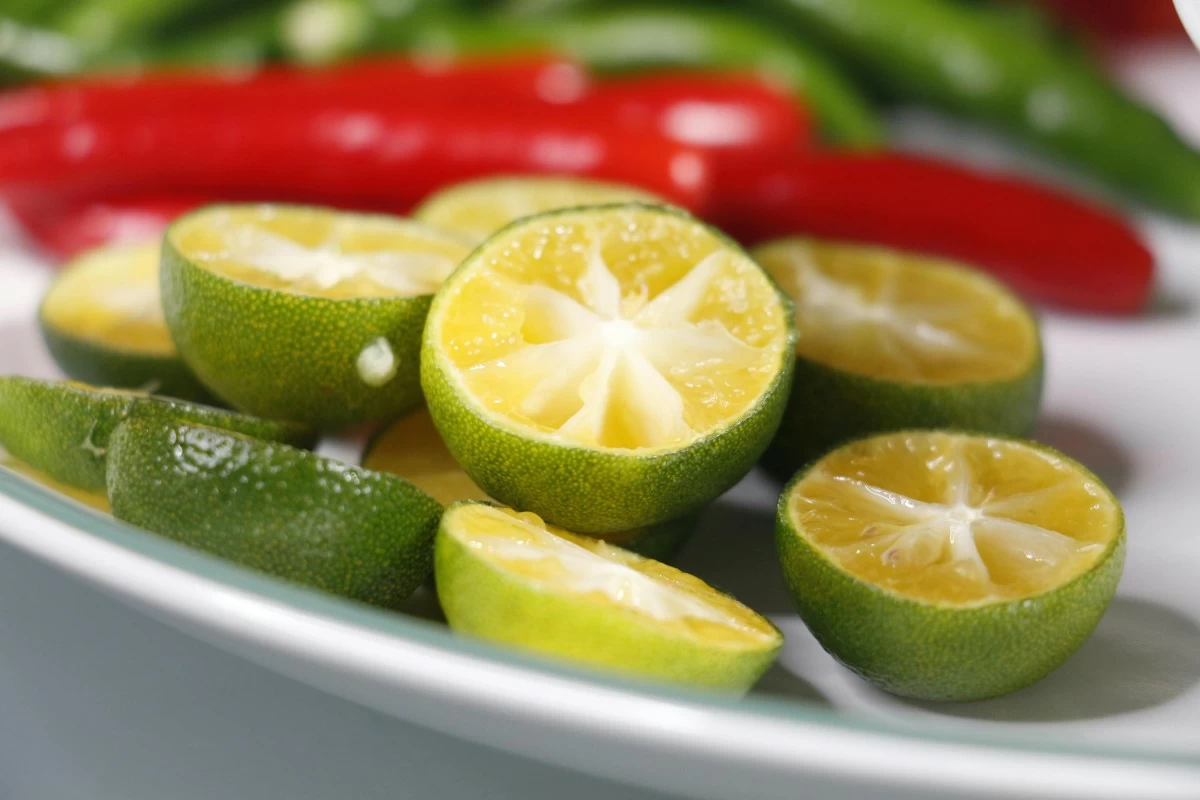
In wellness centers across the Philippines, a quiet revolution is taking place. Patients are discovering that healing doesn’t always require expensive medications or complex procedures. Sometimes, the most powerful medicine comes in the humble form of 28 small green citrus fruits, consumed fresh each morning as part of Dr. Romy Paredes’ transformative calamansi regimen.
Across the Philippines and beyond, thousands have embraced this daily ritual of consuming pure juice from 28 pieces of our beloved Philippine lime. As both a physician fascinated by integrative approaches and someone who’s witnessed remarkable patient transformations, I’m continually amazed by the profound simplicity of this natural healing protocol.

MEET THE DOCTOR Dr. Romy Paredes
The visionary behind the movement
Dr. Romy Paredes represents a new generation of Filipino physicians who dare to challenge conventional medical thinking. With a solid foundation in chemistry from the University of the Philippines Diliman and decades of clinical experience, he’s built something extraordinary through his Wellnessland centers in Manila and Cebu—a thriving community focused on empowering patients to become their own best doctors.
His groundbreaking 2013 book “Your Own Best Doctor is You” revolutionized how we think about chronic disease treatment. Rather than simply managing symptoms with pharmaceuticals, Dr. Romy advocates treating root causes through targeted nutrition. The calamansi regimen emerged as his signature protocol—elegantly simple yet profoundly effective.
The prescription embodies Filipino wisdom: drink pure calamansi juice daily, up to 28 pieces, with no dilution, sugar, or honey. This concentrated burst of vitamin C and bioactive compounds addresses what Dr. Romy identifies as the fundamental nutritional deficiencies underlying most chronic diseases.
Drawing inspiration from Nobel laureate Linus Pauling and Dr. Matthias Rath’s pioneering work on vitamin deficiency diseases, Dr. Romy recognized that our ancestors’ fruit-rich diets provided protective nutrients that modern processed foods simply cannot match.
The calamansi foundation
What makes Dr. Romy's approach so compelling is how he transforms ancient Filipino food wisdom into a precise healing protocol. Calamansi isn’t just a flavorful garnish—it’s the cornerstone of his revolutionary wellness philosophy.
Dr. Romy explains that the 28-piece daily regimen provides optimal vitamin C levels that our bodies desperately need but rarely receive from modern diets. This concentrated dose of natural vitamin C, he teaches, strengthens blood vessels, supports immune function, and helps the body eliminate toxins that accumulate from processed foods and environmental stressors.
In his extensive clinical experience, Dr. Romy observes that patients following the calamansi protocol experience remarkable improvements in blood pressure, energy levels, and overall vitality. He emphasizes that calamansi works as nature’s perfect alkalizer, helping to restore the body’s pH balance that modern acidic diets have disrupted.
The beauty of the calamansi cure, according to Dr. Romy, lies in its simplicity and accessibility. Unlike expensive supplements or complex treatment protocols, every Filipino has access to this powerful healing fruit. He often reminds patients that their ancestors thrived on diets rich in fresh citrus, and the calamansi regimen simply returns us to this natural state of health.
The complete wellness blueprint
What sets Dr. Romy apart is his understanding that true healing extends beyond any single intervention. The calamansi regimen forms the foundation of his comprehensive “Self-Health Empowerment” philosophy, but it’s part of a complete lifestyle transformation he calls treating the root causes of disease.
Dr. Romy teaches what he calls the “3 M’s” principle—abstaining from mamoy (pork), baka (beef), and manok (chicken)—believing that these heavy proteins burden the digestive system and contribute to inflammation. Instead, he encourages abundant consumption of fresh fruits and vegetables, creating what he terms a “fruitified” diet that works synergistically with the calamansi protocol.
Hydration plays a crucial role in his wellness blueprint. Dr. Romy emphasizes drinking plenty of pure water throughout the day to support the body’s natural detoxification processes. He teaches that proper hydration enhances the calamansi’s cleansing effects and helps transport vital nutrients to every cell.
Movement and joy are equally important pillars of his approach. Dr. Romy prescribes regular exercise not as punishment, but as a celebration of the body’s capabilities. He famously tells patients to “smile more,” understanding that emotional wellbeing directly impacts physical health. His stress management techniques focus on helping patients reconnect with nature and find peace in simple daily rituals.
The success stories emerging from Wellnessland reflect this holistic approach. Patients don’t just experience physical improvements—they report feeling more energetic, mentally clear, and emotionally balanced. Many discover they can reduce medications under proper medical supervision as their bodies restore natural harmony through Dr. Romy’s complete wellness protocol.
The Filipino advantage
Dr. Romy brilliantly recognized that Filipinos possess a unique advantage in natural healing—abundant access to fresh, potent calamansi year-round. While Western medicine searches for expensive synthetic compounds, we have centuries-old wisdom literally growing in our backyards.
The calamansi regimen connects us to our agricultural heritage while providing cutting-edge nutritional therapy. It’s democratizing healthcare—making powerful healing accessible to everyone regardless of economic status.
Embracing the protocol
For those inspired to begin their own calamansi journey, Dr. Romy recommends starting gradually and building up to the full 28-piece protocol. The key is consistency—making this morning ritual as automatic as brushing your teeth.
Many practitioners find that drinking the calamansi juice first thing in the morning on an empty stomach maximizes absorption and provides sustained energy throughout the day. The initial sourness becomes oddly addictive as your body begins craving this daily dose of concentrated nutrition.
To protect dental enamel, practitioners often use a straw and rinse with water afterward—simple precautions that allow you to reap the benefits while maintaining oral health.
A movement of healing
Dr. Romy has created more than a treatment protocol—he’s sparked a movement toward natural healing that’s spreading throughout the Filipino diaspora and beyond. His social media presence, books, and speaking engagements continue inspiring people to reclaim their health through time-tested nutritional wisdom.
The Wellnessland community represents a new model of healthcare—one where patients become partners in their healing journey, armed with knowledge, natural tools, and unwavering belief in the body’s remarkable capacity for self-renewal.
In a world increasingly dependent on pharmaceutical interventions, Dr. Romy offers something revolutionary: The radical notion that our most powerful medicine might be as simple as 28 small green fruits consumed with intention and consistency each morning.
As more Filipinos embrace this natural approach, we’re not just improving individual health—we’re reclaiming our heritage as a people who understand that food is medicine, and that the path to wellness often lies not in complexity, but in returning to the simple, powerful wisdom our ancestors knew by heart.