

ADVERTISEMENT

Filipinos Lead the Charge in Google Gemini's New AI Photo Editing Wave

Filipinos are once again proving their creativity online, as the country takes the global lead in using Google Gemini's newest AI-powered photo editing tools — a groundbreaking update that lets anyone turn simple pictures into playful, realistic, and even jaw-dropping works of art.

Published Sep 8, 2025 08:46 am
If you’ve been on social media lately, chances are you’ve come across a friend posting a quirky AI-edited photo, maybe of themselves as an action figure, their dog dressed up in a ballerina outfit, or an old family photo that suddenly looks brand new. Most likely, that magic came from Google Gemini, which has just rolled out a massive update that’s making waves not just globally, but especially here in the Philippines.
The Gemini app now brings photo editing to a whole new level. Powered by Google DeepMind’s latest image editing model, it promises easier, more fun, and more realistic results. What makes it stand out is its ability to give us more freedom to play with our creativity without losing the authenticity of the people and pets in the photos. So yes, you can give your lola a glamorous 1950s beehive hairstyle or transport yourself to a futuristic space station, but your photos will still look like you.
One of the most exciting parts of the update is how it maintains consistency across edits. Want to blend multiple photos into a group picture that never really happened? Or maybe design an entirely new scene step by step, from painting the walls to arranging the furniture? Gemini’s multi-turn editing makes it possible. There’s even “design mixing,” where you can take patterns or textures from one photo and apply them to another — imagine your favorite flower’s pattern turned into a dress design in just a few clicks.
I gave Nano Banana a real test by asking it to “modernize” an old photo of me and my brother. True enough, it did a great job enhancing the image -- the colors looked fresher, the details clearer, and the whole picture felt like it was taken more recently. But I also noticed how some elements got a little too modernized. For instance, the cassette player sitting in the background somehow transformed into a sleek soundbar. It was a funny reminder that while Gemini can clean up and refresh memories in amazing ways, it sometimes reimagines them with a 2025 twist.

And it doesn’t stop at photos. With Gemini, you can now turn your creations into videos directly within the app, adding a dynamic layer to your storytelling. Google also made sure to balance fun with responsibility by adding both visible and invisible watermarks to every AI-generated photo, so people know the content was created with AI.
But here’s where it gets really interesting: Filipinos are leading the world in using Gemini’s playful new feature, Nano Banana. Launched in late August, Nano Banana is the codename for Gemini’s advanced 2.5 Flash Image model. In just a matter of days, Filipinos generated an incredible 25.5 million images, more than any other country. Indonesia came in second with 19.2 million, while Thailand followed with 18.4 million.
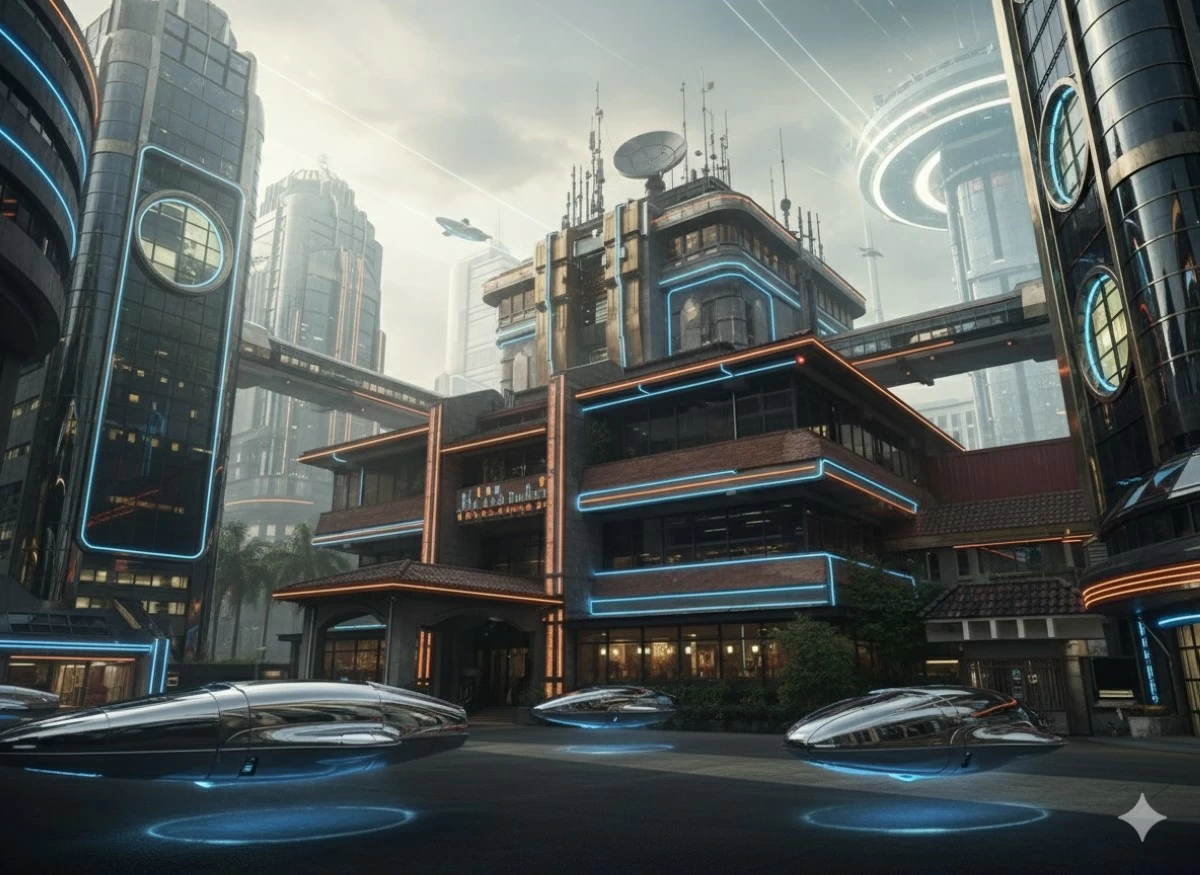
The Manila Bulletin building reimagined as if in the far future.
The Manila Bulletin building reimagined as if in the 1900s.
The “action figure trend” has become the biggest hit here. Many Filipinos are asking Gemini to create realistic collectible figures of themselves — complete with toy packaging — and posting the results online. It’s fun, it’s shareable, and it taps right into our love for creativity and self-expression.
This isn’t surprising. The Philippines has always been one of the most digitally connected countries in the world. With our vibrant creator economy and heavy social media use, we’re often first to embrace new tools that let us tell stories and showcase our personalities in fresh ways.
For anyone who hasn’t tried it yet, it’s easy: just go to gemini.google.com, upload a photo, and let your imagination run wild. Whether you want to bring new life to old pictures, experiment with playful edits, or ride the action figure trend, Gemini makes it simple. And judging by how Filipinos have already taken the lead, it’s clear that this new wave of AI-powered creativity is only just beginning — and we’re right at the center of it. If you give Gemini a prompt to edit an image and it doesn’t give you the perfect result yet, keep in mind that the updates just rolled out and the system is still being improved, according to David Sharon, Group Product Manager at Google DeepMind.
ADVERTISEMENT
.most-popular .layout-ratio{ padding-bottom: 79.13%; } @media (min-width: 768px) and (max-width: 1024px) { .widget-title { font-size: 15px !important; } }

{{ articles_filter_1561_widget.title }}

.most-popular .layout-ratio{ padding-bottom: 79.13%; } @media (min-width: 768px) and (max-width: 1024px) { .widget-title { font-size: 15px !important; } }

{{ articles_filter_1562_widget.title }}

.most-popular .layout-ratio{ padding-bottom: 79.13%; } @media (min-width: 768px) and (max-width: 1024px) { .widget-title { font-size: 15px !important; } }

{{ articles_filter_1563_widget.title }}

{{ articles_filter_1564_widget.title }}

.mb-article-details { position: relative; } .mb-article-details .article-body-preview, .mb-article-details .article-body-summary{ font-size: 17px; line-height: 30px; font-family: "Libre Caslon Text", serif; color: #000; } .mb-article-details .article-body-preview iframe , .mb-article-details .article-body-summary iframe{ width: 100%; margin: auto; } .read-more-background { background: linear-gradient(180deg, color(display-p3 1.000 1.000 1.000 / 0) 13.75%, color(display-p3 1.000 1.000 1.000 / 0.8) 30.79%, color(display-p3 1.000 1.000 1.000) 72.5%); position: absolute; height: 200px; width: 100%; bottom: 0; display: flex; justify-content: center; align-items: center; padding: 0; } .read-more-background a{ color: #000; } .read-more-btn { padding: 17px 45px; font-family: Inter; font-weight: 700; font-size: 18px; line-height: 16px; text-align: center; vertical-align: middle; border: 1px solid black; background-color: white; } .hidden { display: none; }
function initializeAllSwipers() { // Get all hidden inputs with cms_article_id document.querySelectorAll('[id^="cms_article_id_"]').forEach(function (input) { const cmsArticleId = input.value; const articleSelector = '#article-' + cmsArticleId + ' .body_images'; const swiperElement = document.querySelector(articleSelector); if (swiperElement && !swiperElement.classList.contains('swiper-initialized')) { new Swiper(articleSelector, { loop: true, pagination: false, navigation: { nextEl: '#article-' + cmsArticleId + ' .swiper-button-next', prevEl: '#article-' + cmsArticleId + ' .swiper-button-prev', }, }); } }); } setTimeout(initializeAllSwipers, 3000); const intersectionObserver = new IntersectionObserver( (entries) => { entries.forEach((entry) => { if (entry.isIntersecting) { const newUrl = entry.target.getAttribute("data-url"); if (newUrl) { history.pushState(null, null, newUrl); let article = entry.target; // Extract metadata const author = article.querySelector('.author-section').textContent.replace('By', '').trim(); const section = article.querySelector('.section-info ').textContent.replace(' ', ' '); const title = article.querySelector('.article-title h1').textContent; // Parse URL for Chartbeat path format const parsedUrl = new URL(newUrl, window.location.origin); const cleanUrl = parsedUrl.host + parsedUrl.pathname; // Update Chartbeat configuration if (typeof window._sf_async_config !== 'undefined') { window._sf_async_config.path = cleanUrl; window._sf_async_config.sections = section; window._sf_async_config.authors = author; } // Track virtual page view with Chartbeat if (typeof pSUPERFLY !== 'undefined' && typeof pSUPERFLY.virtualPage === 'function') { try { pSUPERFLY.virtualPage({ path: cleanUrl, title: title, sections: section, authors: author }); } catch (error) { console.error('ping error', error); } } // Optional: Update document title if (title && title !== document.title) { document.title = title; } } } }); }, { threshold: 0.1 } ); function showArticleBody(button) { const article = button.closest("article"); const summary = article.querySelector(".article-body-summary"); const body = article.querySelector(".article-body-preview"); const readMoreSection = article.querySelector(".read-more-background"); // Hide summary and read-more section summary.style.display = "none"; readMoreSection.style.display = "none"; // Show the full article body body.classList.remove("hidden"); } document.addEventListener("DOMContentLoaded", () => { let loadCount = 0; // Track how many times articles are loaded const offset = [1, 2, 3, 4, 5, 6, 7, 8, 9, 10]; // Offset values const currentUrl = window.location.pathname.substring(1); let isLoading = false; // Prevent multiple calls if (!currentUrl) { console.log("Current URL is invalid."); return; } const sentinel = document.getElementById("load-more-sentinel"); if (!sentinel) { console.log("Sentinel element not found."); return; } function isSentinelVisible() { const rect = sentinel.getBoundingClientRect(); return ( rect.top < window.innerHeight && rect.bottom >= 0 ); } function onScroll() { if (isLoading) return; if (isSentinelVisible()) { if (loadCount >= offset.length) { console.log("Maximum load attempts reached."); window.removeEventListener("scroll", onScroll); return; } isLoading = true; const currentOffset = offset[loadCount]; window.loadMoreItems().then(() => { let article = document.querySelector('#widget_1690 > div:nth-last-of-type(2) article'); intersectionObserver.observe(article) loadCount++; }).catch(error => { console.error("Error loading more items:", error); }).finally(() => { isLoading = false; }); } } window.addEventListener("scroll", onScroll); });

Sign up by email to receive news.