






Manila Bulletin
 Philippines
National
'Mag-eeleksyon pa naman!' Peace monitor warns Bangsamoro process at 'perilous juncture' amid eroding trust
Philippines
National
'Mag-eeleksyon pa naman!' Peace monitor warns Bangsamoro process at 'perilous juncture' amid eroding trust
Philippines
National
'Mag-eeleksyon pa naman!' Peace monitor warns Bangsamoro process at 'perilous juncture' amid eroding trust
'Mag-eeleksyon pa naman!' Peace monitor warns Bangsamoro process at 'perilous juncture' amid eroding trust
Published Aug 30, 2025 10:08 am


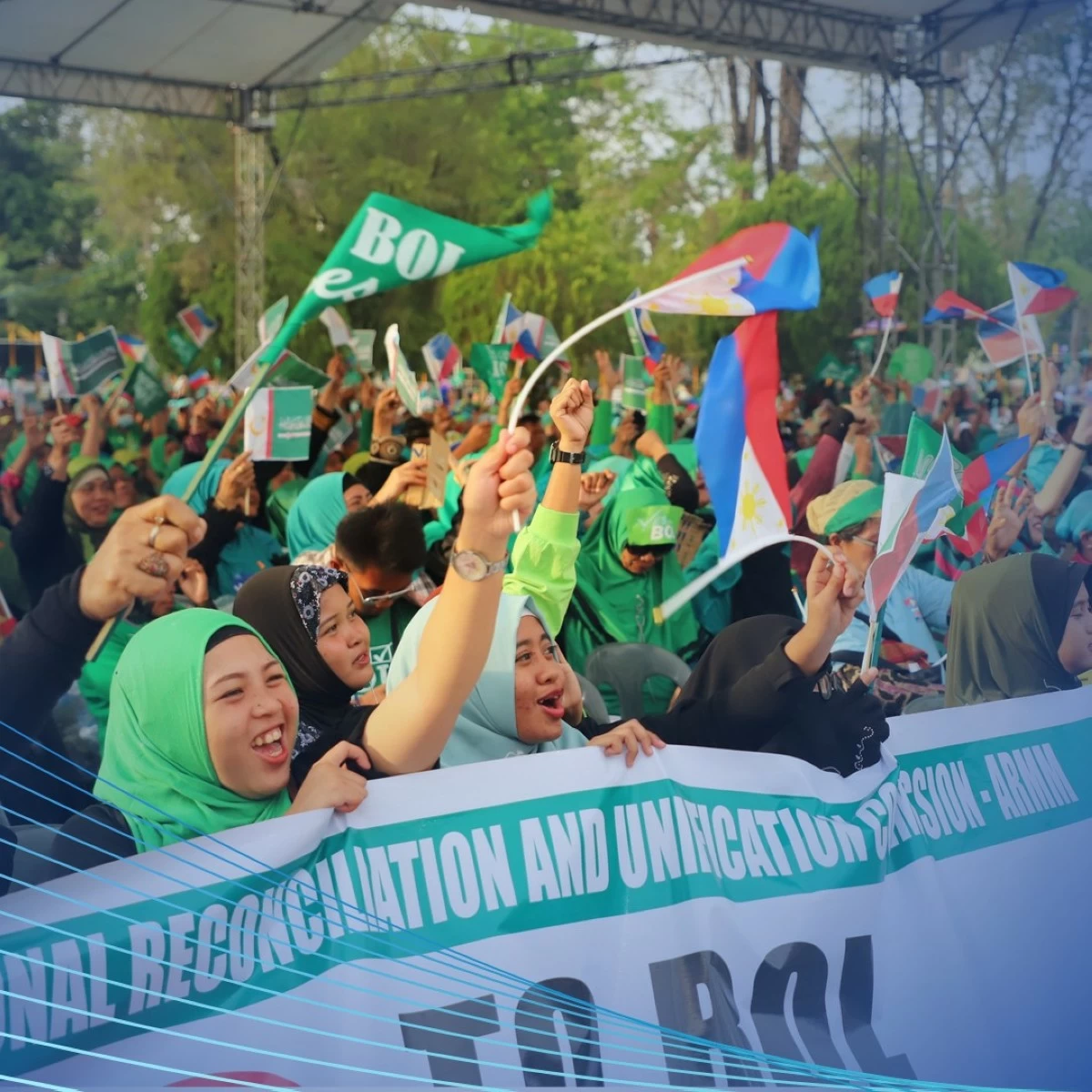
(Photo: Office of the Presidential Adviser on Peace, Reconciliation and Unity)
A peace monitor has raised alarm over what it described as a “perilous juncture” in the peace process between the Government of the Philippines (GPH) and the Moro Islamic Liberation Front (MILF).
In its latest assessment, the Third Party Monitoring Team (TPMT), the independent body overseeing the implementation of the Comprehensive Agreement on the Bangsamoro (CAB), noted that trust between the GPH and MILF has sunk to its lowest point since the landmark peace pact was signed in 2014.
The group pointed to recent political developments in the Bangsamoro Autonomous Region in Muslim Mindanao (BARMM), including a leadership change and the suspension of the decommissioning process, as clear signs of a “serious deterioration in bilateral engagement.”
“[T]he TPMT notes with grave concern that the Bangsamoro peace process has reached a perilous juncture. Trust among the Parties is at an all-time low since the signature of the CAB. The leadership change in the BARMM and the subsequent suspension of the decommissioning process show the serious deterioration in bilateral engagement between the Parties,” the TMT said in a statement, a copy of which was sent to the MANILA BULLETIN.
The monitoring team stressed that rebuilding confidence is essential to keeping the peace process on track, particularly as the region prepares for its first parliamentary elections on October 13.
They urged both sides to return to constructive dialogue and reaffirm their commitment to the CAB, which laid the foundation for the BARMM and its political and administrative structures.
“Rebuilding trust between the Parties is now essential to keep the peace process on track. Commitment to shared objectives, which has been built over years, must be continually nurtured, not just in words but in a spirit of effective cooperation and partnership,” the TPMT underscored.
While acknowledging that both parties have reiterated their pledge to honor the agreement, the TPMT stressed that much work remains under the normalization track, especially in completing the decommissioning of MILF combatants and addressing security, development, and governance concerns.
“We call on the Parties, with the leading role of the Peace Implementing Panels, to engage in frank and open discussions on resolving differences in interpretations or disagreements over how to bring the peace process to a successful conclusion in a spirit of partnership,” the monitoring team said.
Tensions deepened earlier this year following the leadership change in the BARMM.
President Ferdinand Marcos Jr. appointed MILF senior leader Abdulraof Macacua as Chief Minister, replacing Ahod Ebrahim, who had steered the transition government since 2019.
While Malacañang described the move as part of the normal transition, the change was met with unease within MILF ranks and raised questions about the continuity of the peace roadmap.
Last month, the MILF suspended the decommissioning of its remaining 14,000 fighters and 2,450 weapons until the government could substantially comply with the provisions of the Annex on Normalization. The MILF had accused the GPH of unfulfilled commitments to decommissioned combatants, particularly on socio-economic benefits, supposedly making them unable to transition to productive civilian life.
The Office of the Presidential Adviser on Peace, Reconciliation and Unity (OPAPRU), however, denied the allegation, noting that decommissioned combatants have received benefits such as transitional cash aid, PhilHealth coverage, civil registry documentation, skills training, and educational assistance.