ADVERTISEMENT

Celebrating the many lives of the coconut

From food and drink to fashion and home design, the Coconut Philippines Trade Fair 2025 highlights the endless ways this local treasure shapes daily life

Published Aug 30, 2025 01:40 pm
The coconut, long hailed as the country’s “Tree of Life,” is being celebrated in a national trade event now underway in Mandaluyong City. On Friday, Aug. 29, 2025, the Department of Trade and Industry (DTI), together with the Philippine Coconut Authority (PCA) and the Coconut Farmers Industry and Development Plan (CFIDP), formally opened the Coconut Philippines Trade Fair 2025 at the Megatrade Halls of SM Megamall.

During the opening ceremony, trade officials underscored the Philippines’ role as the world’s second-largest producer of coconuts, next only to Indonesia, and the top exporter of coconut products. While international demand for coconut oil, beverages, and beauty items has boosted the country’s exports, DTI said it also wants to strengthen domestic consumption so that Filipinos themselves benefit more from the crop’s versatility.
The six-day fair, which runs until Sept. 2, brings together coconut farmers, exporters, entrepreneurs, and innovators. Open to the public free of charge, the event highlights how coconut has evolved from a household staple into a driver of health, sustainability, and new business opportunities.
A showcase of versatility
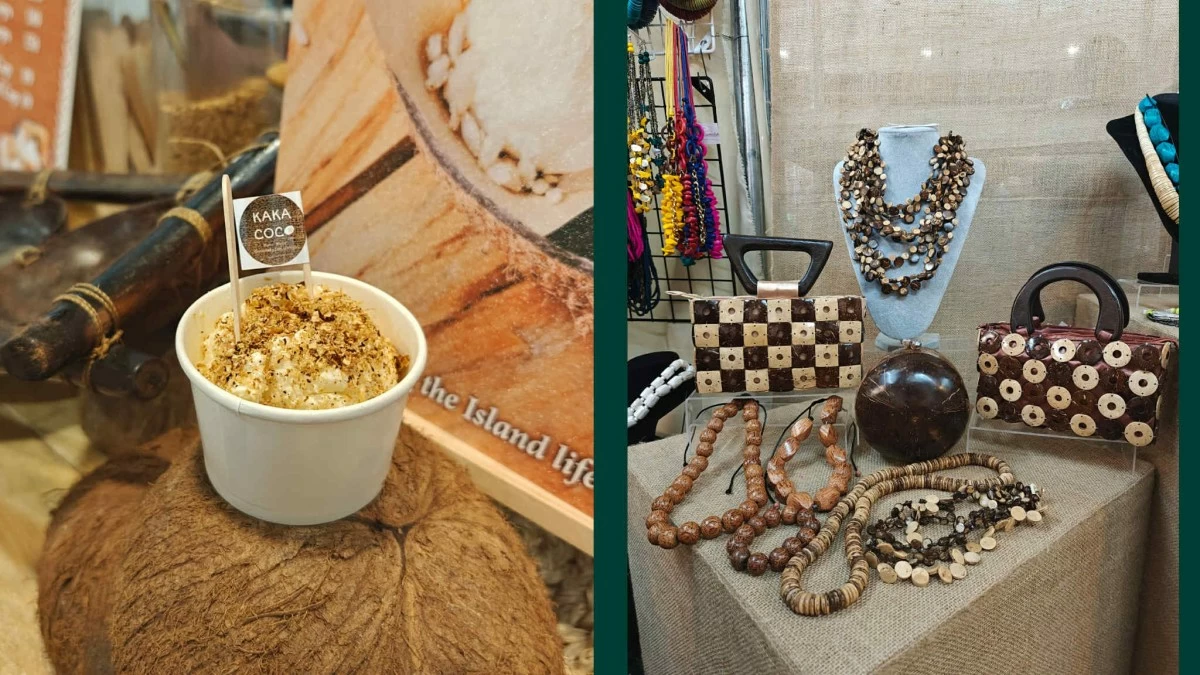
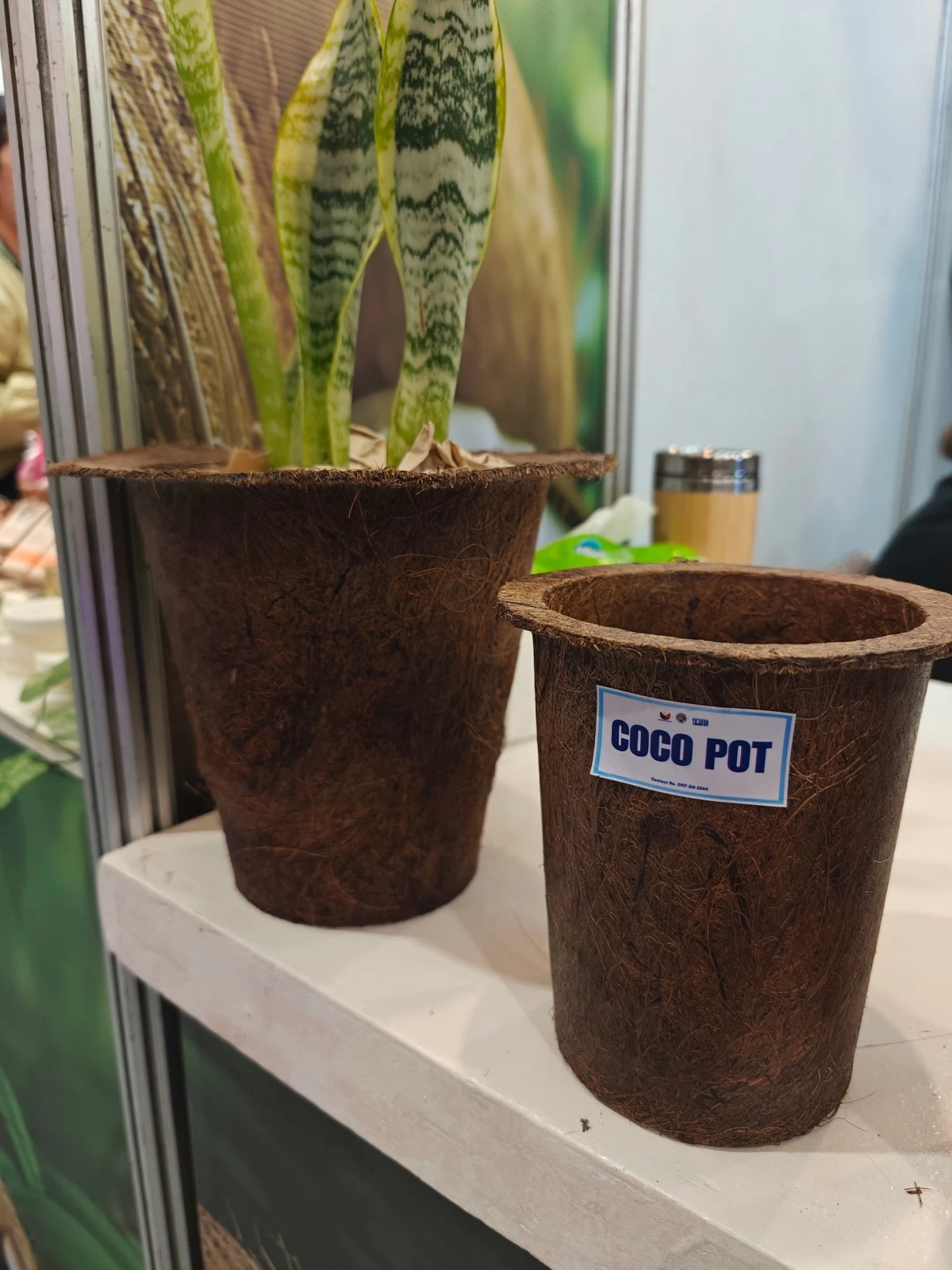
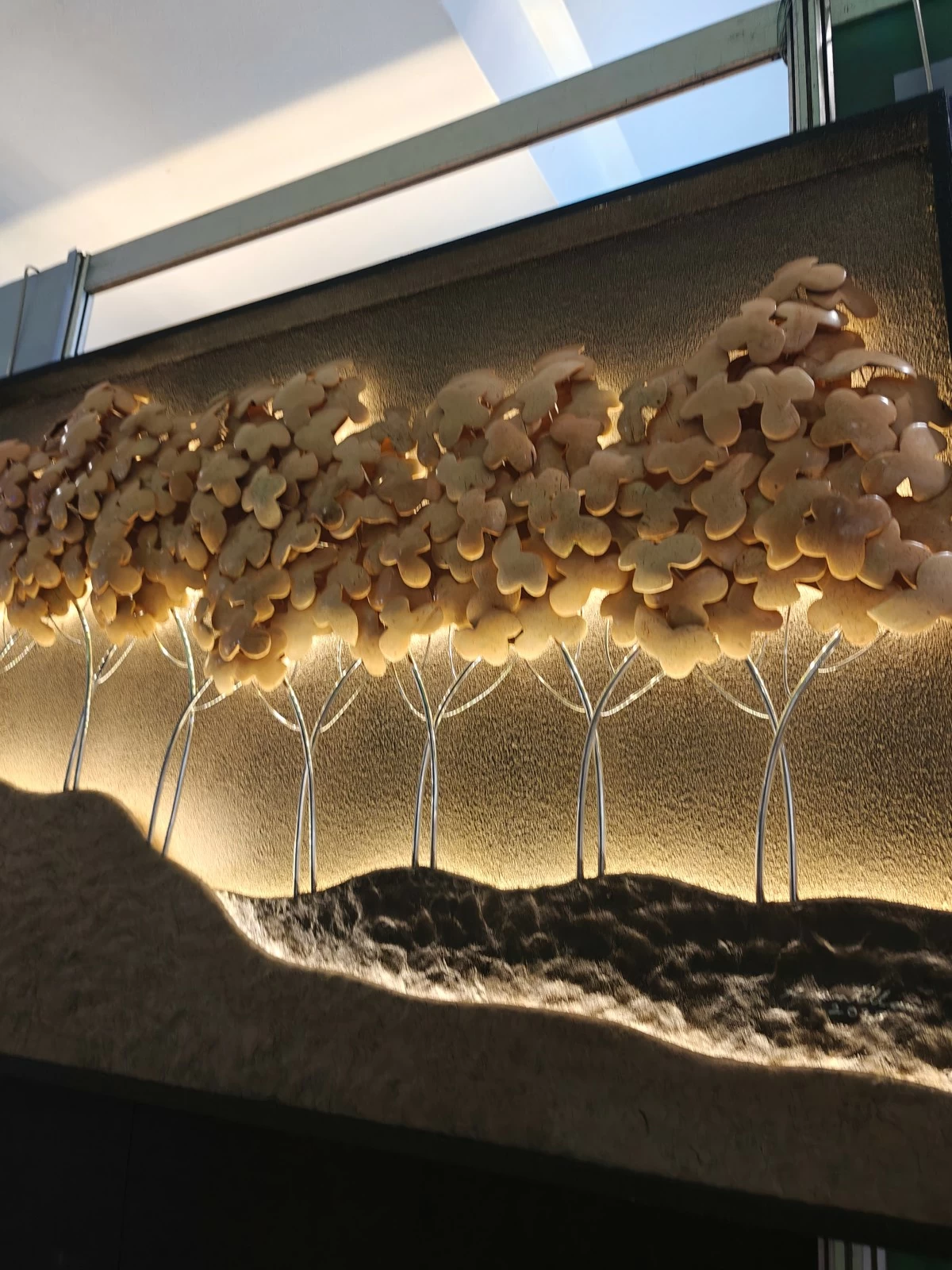
Inside the exhibition halls, booths brimmed with examples of coconut’s many transformations. Food innovations such as flour, sugar, and vinegar are promoted as nutritious and eco-friendly. Virgin coconut oil, soaps, and shampoos highlight the crop’s wellness and beauty applications, while lifestyle items like eco-packaging, natural cleaners, and biofuel show how the coconut can fuel sustainability efforts. Agricultural products such as coco peat and fiber demonstrate how the crop supports soil health and greener farming.
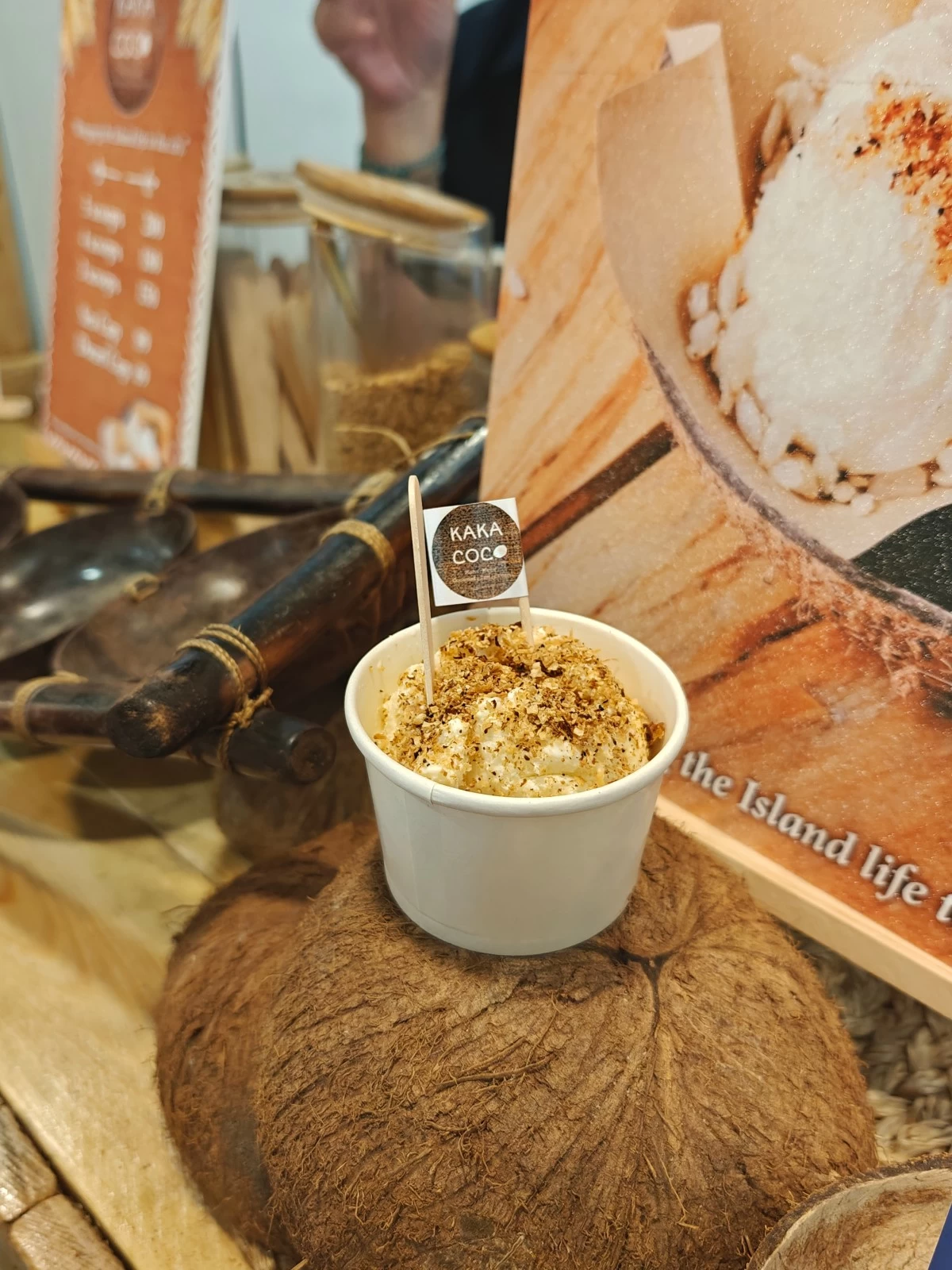
Visitors found barbecue skewers grilled on the spot and served with a punchy coco vinegar dip at the Mama Sita’s stall. A few steps away, bakers handed out cookies made with coconut butter, while another booth displayed an assortment of juices and wellness drinks formulated from young coconut water. The atmosphere resembled a weekend food market as much as it did a trade event, underscoring coconut’s role in Filipino kitchens and dining tables.
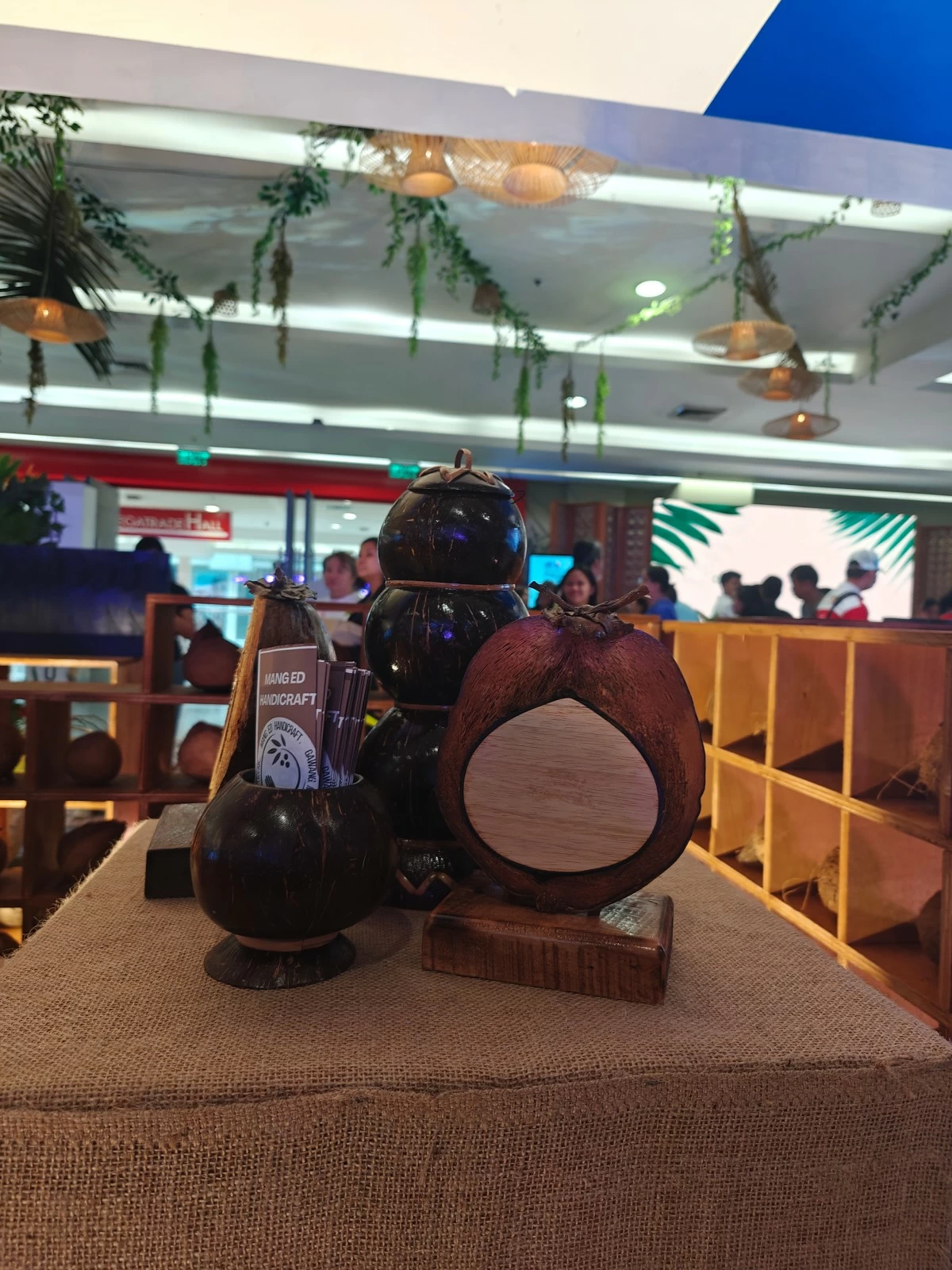
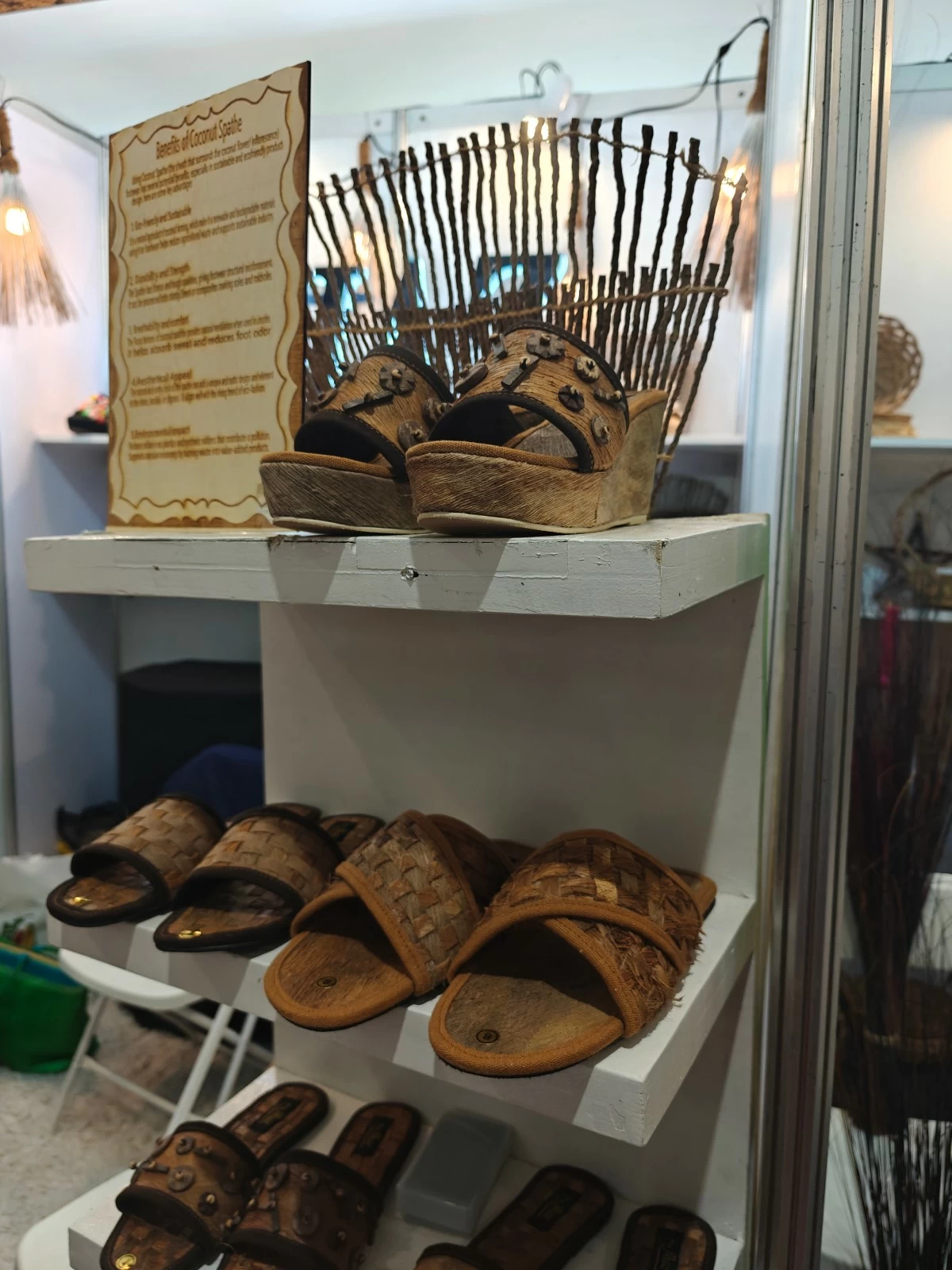
But the showcase did not stop at food and beverages. Entrepreneurs unveiled textiles spun from coconut fibers, eco-friendly office items, and fashion accessories crafted from husks and shells. Decorative lamps glowed softly from booths, their shades fashioned out of repurposed coconut parts, while stalls selling body oils, soaps, and beauty products drew steady crowds. For both trade buyers and casual mall-goers, the exhibit was a survey of coconut’s flexibility and its ability to cross categories—from nourishment to design and personal care.
For DTI, the fair was also about visibility. While the Philippines is admired abroad for its virgin coconut oil, desiccated coconut, and growing line of health products, local consumption has not kept pace. The agency sees potential for Filipinos to embrace coconut in more modern and varied ways, ensuring demand is not entirely dependent on exports.
The fair demonstrated how the industry has moved beyond traditional markets to capture niches in wellness, sustainability, and lifestyle.
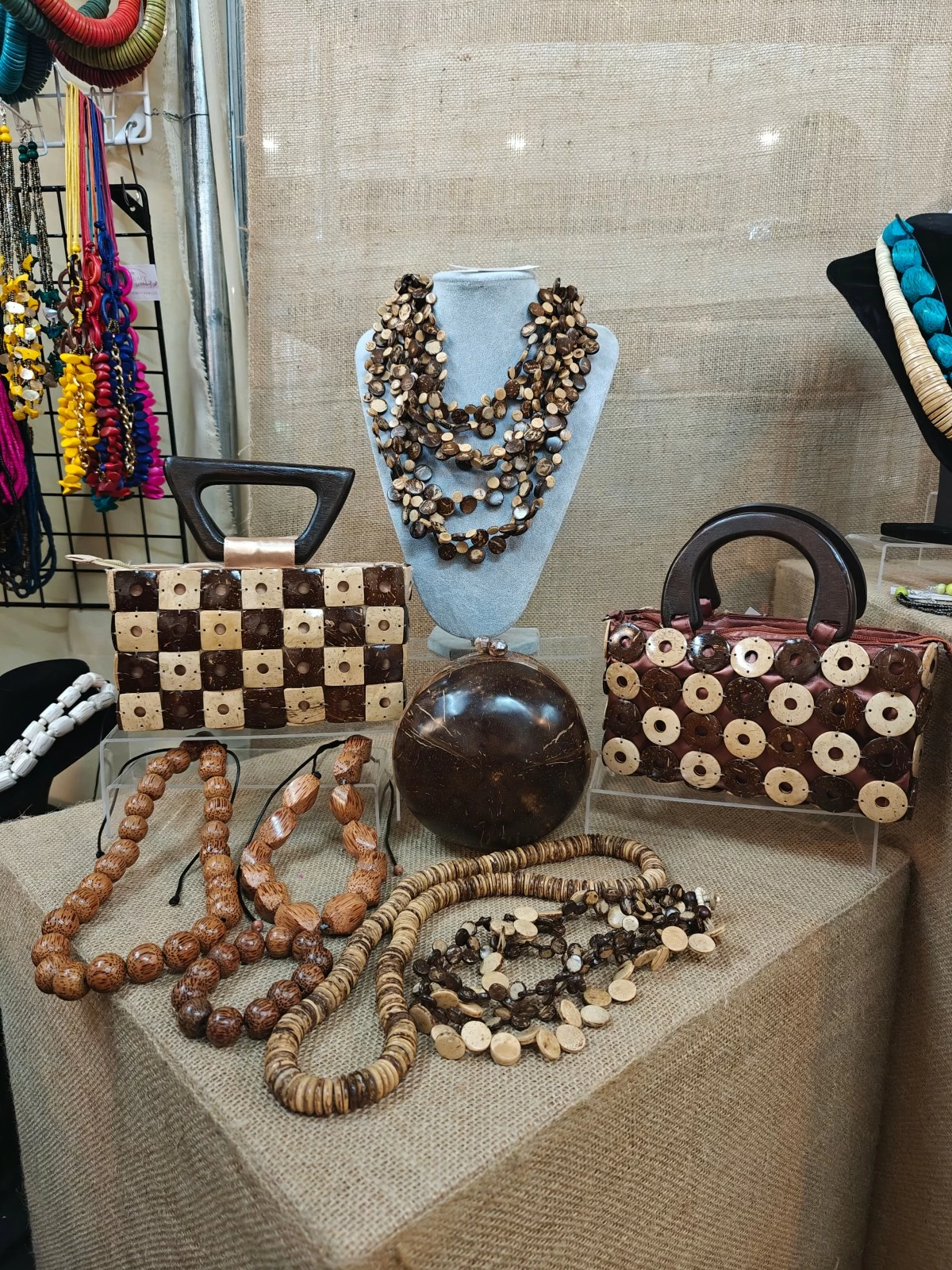
Many stalls emphasized eco-conscious practices. Textiles blended with coconut fibers promised durability without relying solely on synthetics. Shell-based accessories highlighted upcycling, turning discarded husks into jewelry and bags. A few exhibitors even featured furniture that incorporated coconut lumber and decorative accents, underscoring its role in sustainable design.
For food enthusiasts, the fair was a chance to rediscover coconut in familiar but elevated formats. Shoppers sampled coco jam spread over crackers, tasted coffee paired with coconut cream, and brought home bottled vinegars with infused herbs. The everyday ingredient, often taken for granted, was presented with freshness and flair.
By staging the event at a bustling commercial center like SM Megamall, organizers positioned coconut not just as an agricultural product but as a lifestyle staple. Families browsing the booths mingled with buyers and industry representatives, making the fair feel inclusive and approachable.
Rediscovering the ‘Tree of Life’
Beyond its commercial value, the coconut is deeply woven into Filipino culture. It flavors regional dishes enriched with gata, serves as the foundation for many kakanin desserts, and provides materials for daily life in rural areas where nothing from the tree is wasted.
That enduring connection is what organizers aim to highlight. By showcasing innovations alongside tradition, the fair presents the coconut as more than a fruit, but a resource that sustains communities, drives exports, and symbolizes Filipino resilience.
The Coconut Philippines Trade Fair 2025 is open daily from 10 a.m. to 9 p.m. until Sept. 2 at Megatrade Halls 1–3, SM Megamall, Mandaluyong City.

Related Tags

leisure Coconut DTI
ADVERTISEMENT
.most-popular .layout-ratio{ padding-bottom: 79.13%; } @media (min-width: 768px) and (max-width: 1024px) { .widget-title { font-size: 15px !important; } }

{{ articles_filter_1561_widget.title }}

.most-popular .layout-ratio{ padding-bottom: 79.13%; } @media (min-width: 768px) and (max-width: 1024px) { .widget-title { font-size: 15px !important; } }

{{ articles_filter_1562_widget.title }}

.most-popular .layout-ratio{ padding-bottom: 79.13%; } @media (min-width: 768px) and (max-width: 1024px) { .widget-title { font-size: 15px !important; } }

{{ articles_filter_1563_widget.title }}

{{ articles_filter_1564_widget.title }}

.mb-article-details { position: relative; } .mb-article-details .article-body-preview, .mb-article-details .article-body-summary{ font-size: 17px; line-height: 30px; font-family: "Libre Caslon Text", serif; color: #000; } .mb-article-details .article-body-preview iframe , .mb-article-details .article-body-summary iframe{ width: 100%; margin: auto; } .read-more-background { background: linear-gradient(180deg, color(display-p3 1.000 1.000 1.000 / 0) 13.75%, color(display-p3 1.000 1.000 1.000 / 0.8) 30.79%, color(display-p3 1.000 1.000 1.000) 72.5%); position: absolute; height: 200px; width: 100%; bottom: 0; display: flex; justify-content: center; align-items: center; padding: 0; } .read-more-background a{ color: #000; } .read-more-btn { padding: 17px 45px; font-family: Inter; font-weight: 700; font-size: 18px; line-height: 16px; text-align: center; vertical-align: middle; border: 1px solid black; background-color: white; } .hidden { display: none; }
function initializeAllSwipers() { // Get all hidden inputs with cms_article_id document.querySelectorAll('[id^="cms_article_id_"]').forEach(function (input) { const cmsArticleId = input.value; const articleSelector = '#article-' + cmsArticleId + ' .body_images'; const swiperElement = document.querySelector(articleSelector); if (swiperElement && !swiperElement.classList.contains('swiper-initialized')) { new Swiper(articleSelector, { loop: true, pagination: false, navigation: { nextEl: '#article-' + cmsArticleId + ' .swiper-button-next', prevEl: '#article-' + cmsArticleId + ' .swiper-button-prev', }, }); } }); } setTimeout(initializeAllSwipers, 3000); const intersectionObserver = new IntersectionObserver( (entries) => { entries.forEach((entry) => { if (entry.isIntersecting) { const newUrl = entry.target.getAttribute("data-url"); if (newUrl) { history.pushState(null, null, newUrl); let article = entry.target; // Extract metadata const author = article.querySelector('.author-section').textContent.replace('By', '').trim(); const section = article.querySelector('.section-info ').textContent.replace(' ', ' '); const title = article.querySelector('.article-title h1').textContent; // Parse URL for Chartbeat path format const parsedUrl = new URL(newUrl, window.location.origin); const cleanUrl = parsedUrl.host + parsedUrl.pathname; // Update Chartbeat configuration if (typeof window._sf_async_config !== 'undefined') { window._sf_async_config.path = cleanUrl; window._sf_async_config.sections = section; window._sf_async_config.authors = author; } // Track virtual page view with Chartbeat if (typeof pSUPERFLY !== 'undefined' && typeof pSUPERFLY.virtualPage === 'function') { try { pSUPERFLY.virtualPage({ path: cleanUrl, title: title, sections: section, authors: author }); } catch (error) { console.error('ping error', error); } } // Optional: Update document title if (title && title !== document.title) { document.title = title; } } } }); }, { threshold: 0.1 } ); function showArticleBody(button) { const article = button.closest("article"); const summary = article.querySelector(".article-body-summary"); const body = article.querySelector(".article-body-preview"); const readMoreSection = article.querySelector(".read-more-background"); // Hide summary and read-more section summary.style.display = "none"; readMoreSection.style.display = "none"; // Show the full article body body.classList.remove("hidden"); } document.addEventListener("DOMContentLoaded", () => { let loadCount = 0; // Track how many times articles are loaded const offset = [1, 2, 3, 4, 5, 6, 7, 8, 9, 10]; // Offset values const currentUrl = window.location.pathname.substring(1); let isLoading = false; // Prevent multiple calls if (!currentUrl) { console.log("Current URL is invalid."); return; } const sentinel = document.getElementById("load-more-sentinel"); if (!sentinel) { console.log("Sentinel element not found."); return; } function isSentinelVisible() { const rect = sentinel.getBoundingClientRect(); return ( rect.top < window.innerHeight && rect.bottom >= 0 ); } function onScroll() { if (isLoading) return; if (isSentinelVisible()) { if (loadCount >= offset.length) { console.log("Maximum load attempts reached."); window.removeEventListener("scroll", onScroll); return; } isLoading = true; const currentOffset = offset[loadCount]; window.loadMoreItems().then(() => { let article = document.querySelector('#widget_1690 > div:nth-last-of-type(2) article'); intersectionObserver.observe(article) loadCount++; }).catch(error => { console.error("Error loading more items:", error); }).finally(() => { isLoading = false; }); } } window.addEventListener("scroll", onScroll); });

Sign up by email to receive news.