







Motorists face another week of fuel price hike
Published Aug 29, 2025 10:19 am


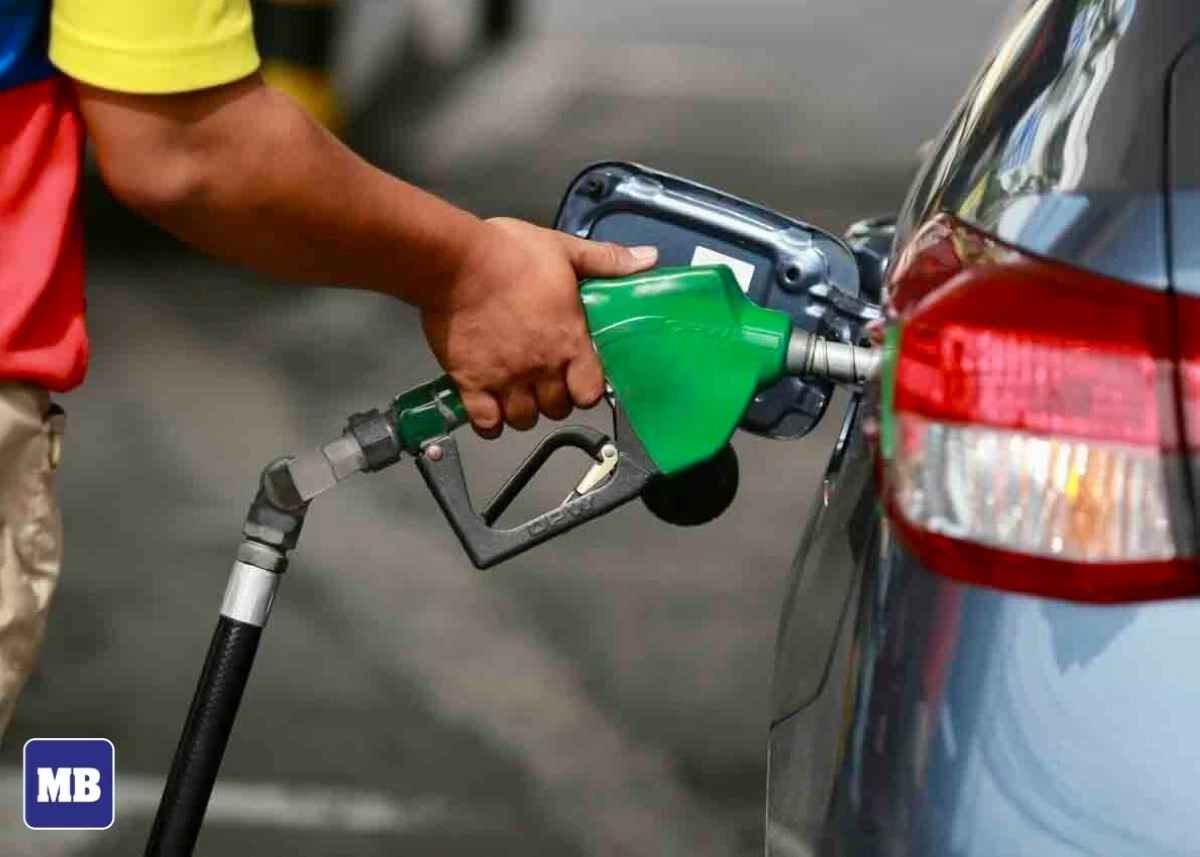
At a Quezon City gas station, a pump attendant fills a car's fuel tank. This week, the cost of petroleum products has risen, a direct result of escalating geopolitical tensions in the Middle East.
Motorists will have to dig deeper into their pockets for gas and diesel starting next week, as local pump prices are poised for another round of increases.
Based on the four-day Mean of Platts Singapore (MOPS), gasoline could rise ₱0.40 to ₱0.60 a liter, while diesel may increase by ₱0.80 to ₱1 a liter by the first week of September. Kerosene is also seen to spike by about ₱0.50 a liter next week.
A continued decline in United States (US) inventories and the effects of tariffs on India are seen as triggers for the price movements, according to the Department of Energy’s Oil Industry Management Bureau.
The weekly petroleum status report of the U.S. Energy Information Administration showed that recent crude oil inventories decreased to 418.3 million barrels, a 2.4 million drop from the previous week.
Demand optimism further supported prices after the U.S. Federal Reserve signaled a possible interest rate cut and a large drawdown in U.S. crude and fuel inventories.
Jetti Petroleum President Leo Bellas said that “expectations that U.S. demand could drop after the coming end of the summer driving season is tempering further price gains.”
Rodela Romero, director of the Oil Industry Management Bureau, said that “oil traders are watching for updates from U.S.-Ukraine-Russia’s diplomatic efforts.”
Despite the U.S. negotiating a ceasefire in the ongoing dispute between Russia and Ukraine, Russia retaliated with another round of attacks on Aug. 28. Subsequently, the U.S. pushed through with a 25% tariff increase on India for its Russian oil purchases. The tariff on Indian goods began on Aug. 27.
Additionally, Oilprice.com reported that lower global crude prices while OPEC+, which comprises oil-producing nations, may finish the last 1.65 million barrels a day (bpd) of voluntary cuts that were initially done to stabilize prices.
Once these price movements take effect, gasoline could post a third straight week of increases, while diesel may record its second consecutive weekly rise.