ADVERTISEMENT

Malibay blends food, faith, and history in a lively neighborhood feast

Pasay district draws visitors with its enduring eateries, colorful traditions, and storied past

Published Aug 26, 2025 11:49 am
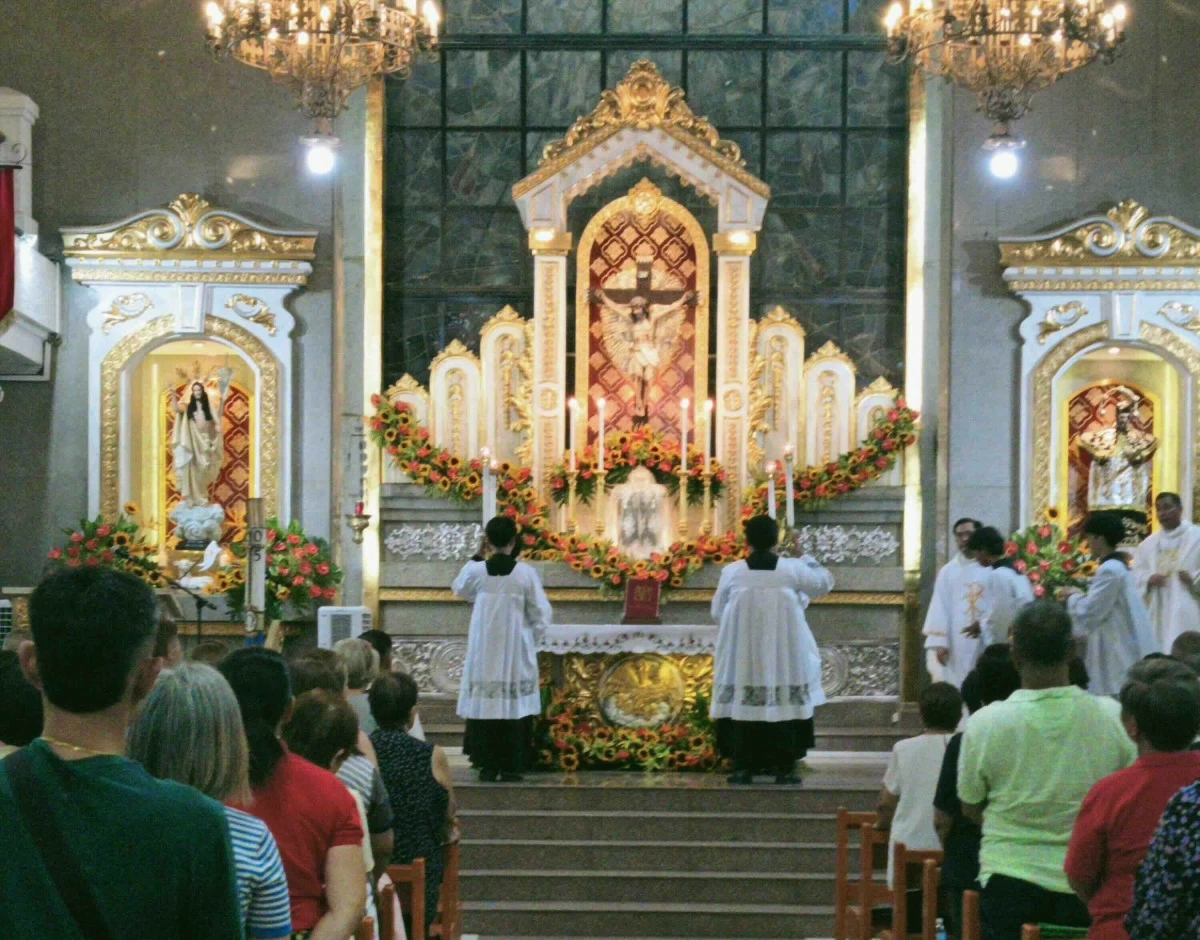
San Juan de Nepomuceno Parish Church
Malibay’s story begins long before neon lights and food crawls. Once part of Parañaque, the area was made up of rice paddies where herds of wild deer roamed in the late 1800s. Its name is said to have come from the phrase “Ma-ibay diyan,” or “there’s plenty of deer there,” a description that has remained through the decades.
Today, the district in Pasay City is better known for its blend of food, faith, and festivities. By day, its streets serve as busy passageways for commuters heading to nearby bus terminals. By evening, the neighborhood shifts into a bustling dining scene, filled with visitors looking for good meals at modest prices.
The nightly transformation is one of Malibay’s signatures. Small eateries and home-grown establishments light up narrow streets, offering aromas that tempt passersby despite the scarcity of parking. The atmosphere is often compared to Southeast Asia’s nocturnal food strips, recalling the vibrancy of Bangkok night markets and Singapore hawker centers. Office workers, students, and groups of friends gather here for food crawls that promise both variety and affordability.
Malibay’s dining options are broad. Diners can choose from breakfast fare to rice meals, snacks, iced drinks, shakes, coffee, desserts, and an assortment of food novelties. While the district embraces street snacks like tusok-tusok, its food scene also includes stylish, intimate restaurants that would not look out of place in shopping malls. What sets them apart is their character. These are local ventures shaped by Pasay residents, reflecting the entrepreneurial spirit of the community.
Franchise brands are absent here. Instead, long-standing establishments define the district’s culinary identity. Capitol Harlem, Tito’s Tapsilugan, and Walastik remain among the most trusted names, having survived the test of time.
Capitol Harlem is perhaps the most iconic, having opened in 1940 along Libertad Street. Generations of customers return for favorites such as crispy pata, pancit bihon, and buttered chicken, along with more adventurous choices like tapa, kaldereta, and adobong kabayo.
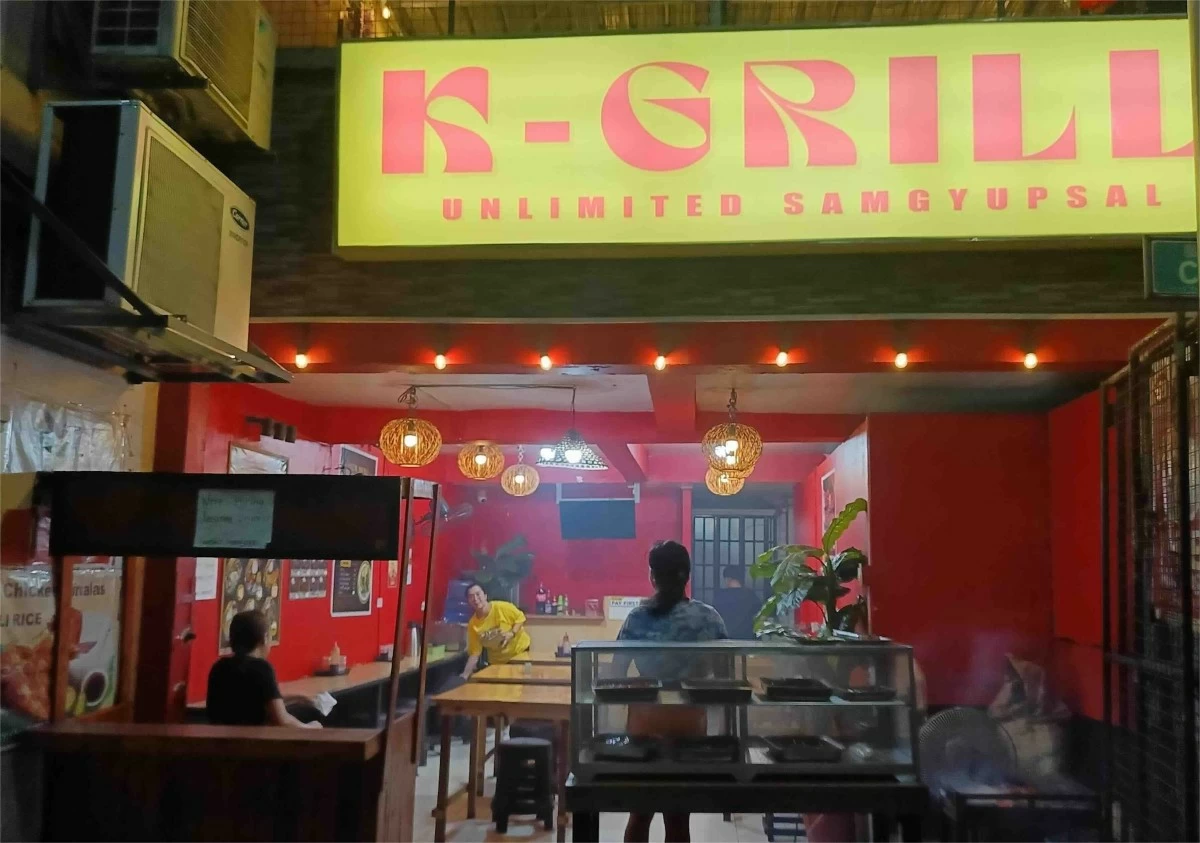
K-Grill Unlimited Samgyupsal
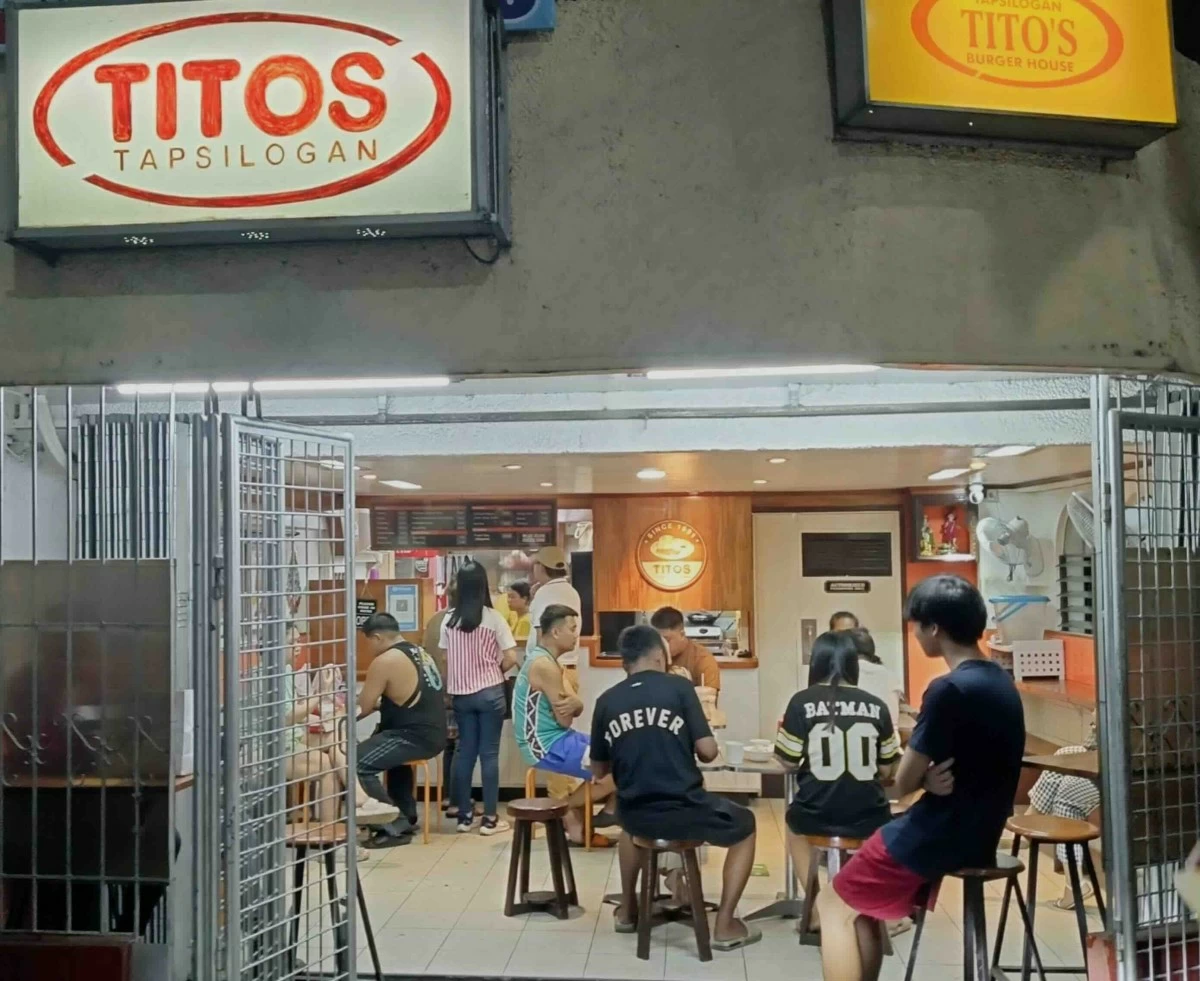
Tito's Tapsilugan
Tito's Tapsilugan
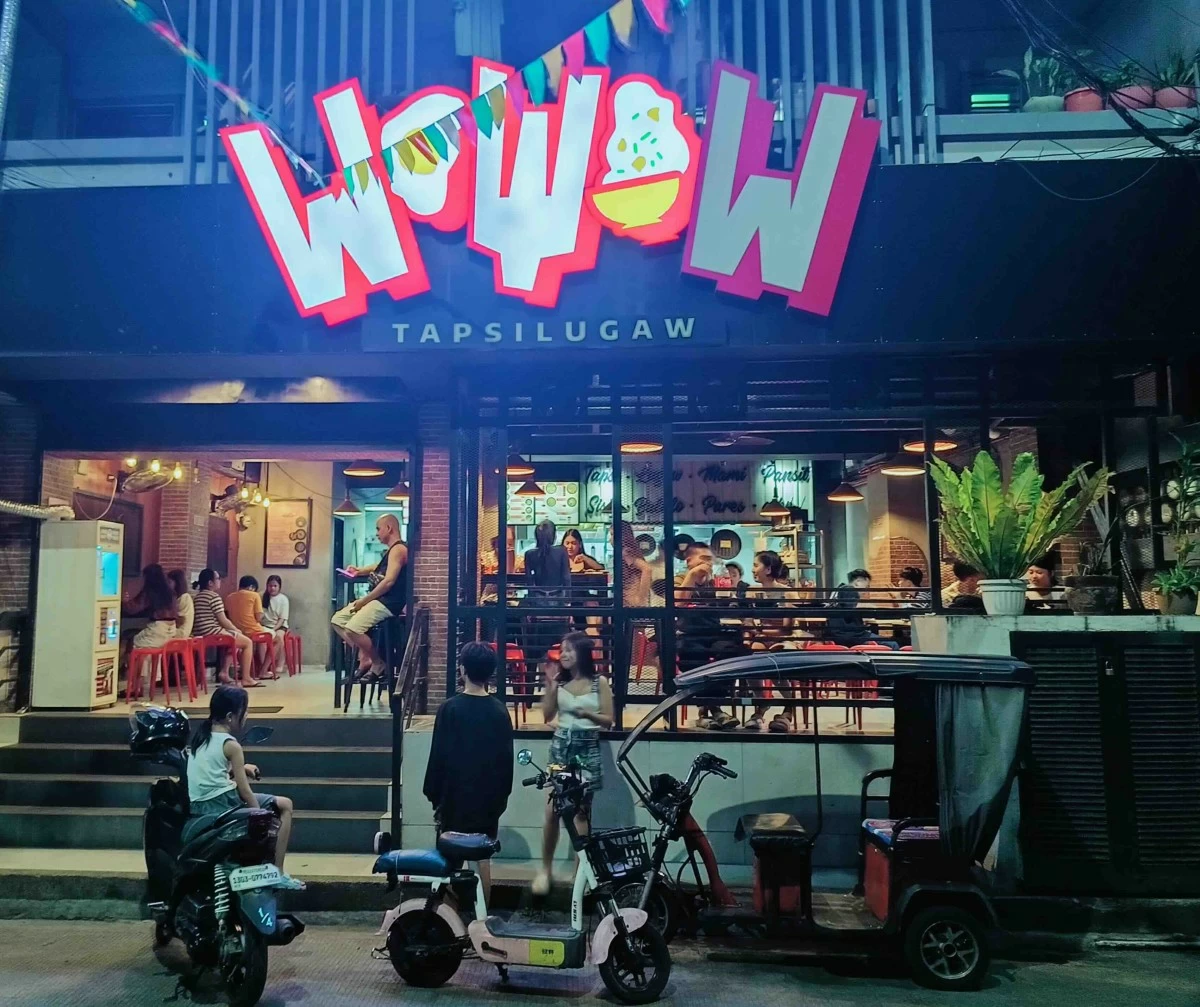
Wowow Tapsilugaw
Wowow Tapsilugaw
Another institution, Tito’s Tapsilugan, has been serving Malibay for 34 years. Known for tender beef tapsilog, the restaurant caters to regulars at any hour of the day.
Food, however, is only one layer of Malibay’s identity. The San Juan Nepomuceno Parish, established in the 19th century, stands as a landmark of both faith and tradition. Each May, the parish celebrates its patron saint with a weeklong fiesta that mixes religious devotion with music and revelry.
One of the fiesta’s highlights is the Serenata, a concert that features the 60-year-old San Juan Nepomuceno Band together with visiting brass ensembles. Their performances include light classics, marches, folk pieces, OPM standards, and pop hits. Marching bands accompanied by majorettes parade through the streets, giving the event its festive energy.
The Lenten season brings another tradition. Malibay’s century-old cenaculo, a nine-day Passion play, reenacts the suffering of Jesus Christ. The earliest surviving photograph of the performance dates back to 1902, though it is believed to have begun even earlier. Alongside the theatrical presentation is the penitensya, where flagellants continue to practice rituals of sacrifice despite disapproval from the Catholic Church.
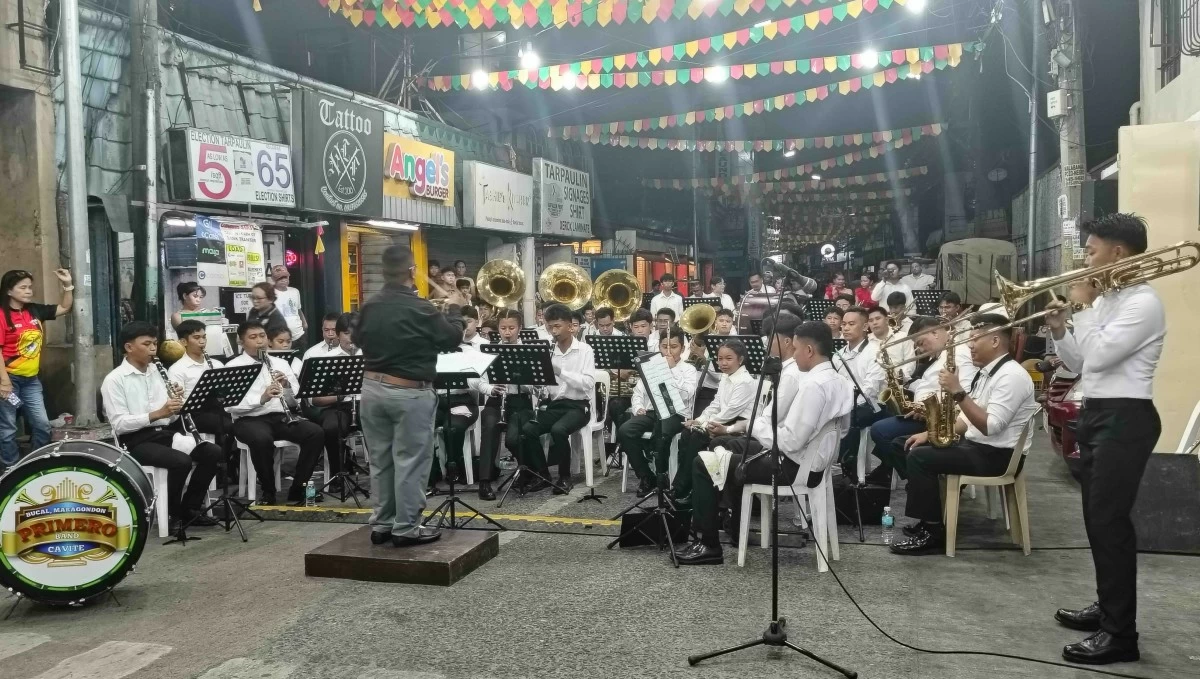
Primero Band of Maragondon, Cavite at the Serenata

San Juan de Nepomuceno Band marching at the fiesta parade

Mayor Emy Calixto Rubiano with Malibay civic and cultural leaders
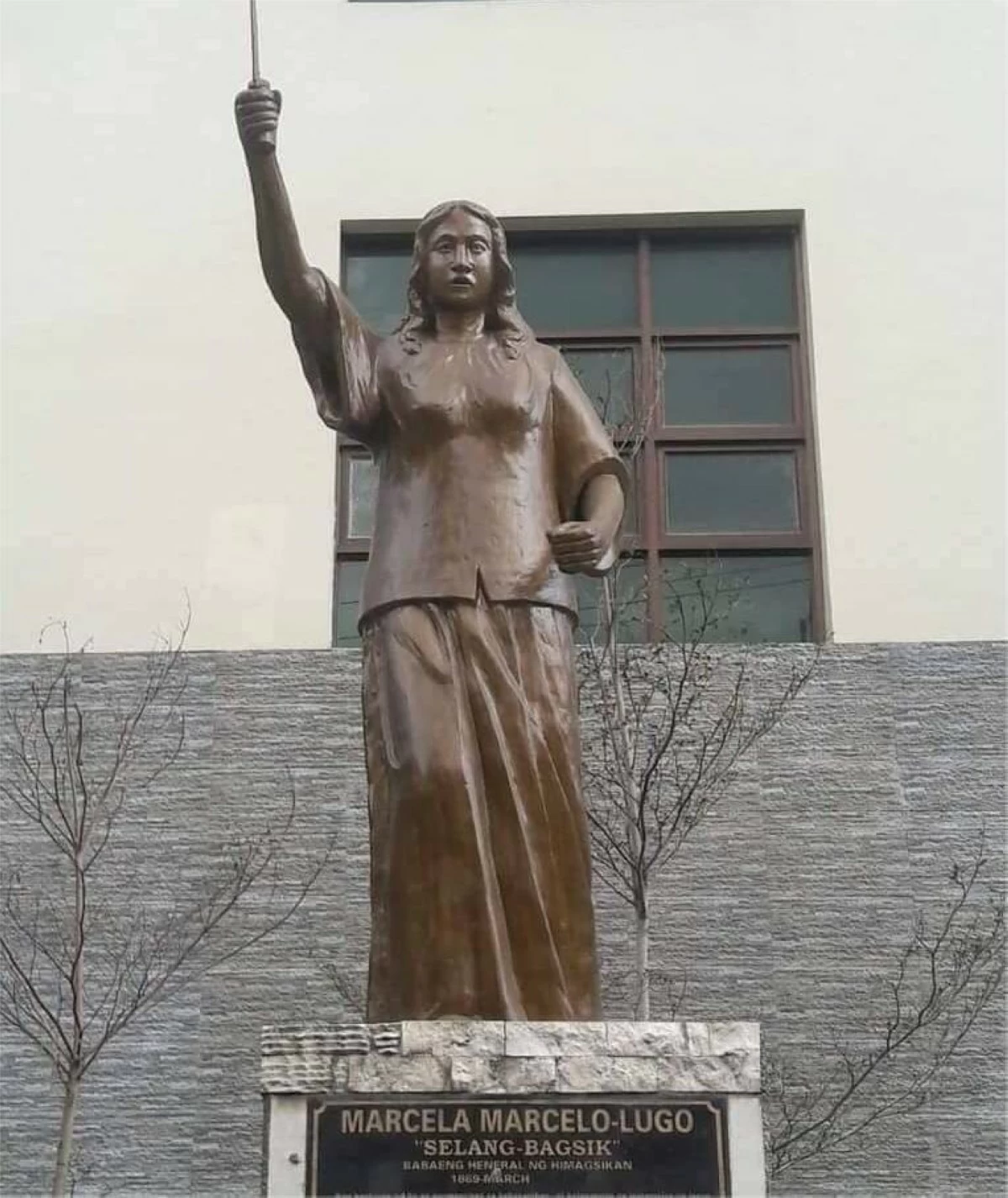
Marcela Marcelo-Lugo Monument
The district’s past also carries echoes of the Philippine Revolution. Malibay was once home to Marcela Marcelo, one of the most prominent women leaders of the 1896 uprising. She was killed in 1897 at the Battle of Pasong Santol in Cavite. Her legacy lives on through the public plaza and school that bear her name.
Taken together, these layers of heritage make Malibay more than a food destination. It is a place where history, culture, and cuisine intersect, offering visitors an experience that reflects the resilience and character of Pasay itself.
ADVERTISEMENT
.most-popular .layout-ratio{ padding-bottom: 79.13%; } @media (min-width: 768px) and (max-width: 1024px) { .widget-title { font-size: 15px !important; } }

{{ articles_filter_1561_widget.title }}

.most-popular .layout-ratio{ padding-bottom: 79.13%; } @media (min-width: 768px) and (max-width: 1024px) { .widget-title { font-size: 15px !important; } }

{{ articles_filter_1562_widget.title }}

.most-popular .layout-ratio{ padding-bottom: 79.13%; } @media (min-width: 768px) and (max-width: 1024px) { .widget-title { font-size: 15px !important; } }

{{ articles_filter_1563_widget.title }}

{{ articles_filter_1564_widget.title }}

.mb-article-details { position: relative; } .mb-article-details .article-body-preview, .mb-article-details .article-body-summary{ font-size: 17px; line-height: 30px; font-family: "Libre Caslon Text", serif; color: #000; } .mb-article-details .article-body-preview iframe , .mb-article-details .article-body-summary iframe{ width: 100%; margin: auto; } .read-more-background { background: linear-gradient(180deg, color(display-p3 1.000 1.000 1.000 / 0) 13.75%, color(display-p3 1.000 1.000 1.000 / 0.8) 30.79%, color(display-p3 1.000 1.000 1.000) 72.5%); position: absolute; height: 200px; width: 100%; bottom: 0; display: flex; justify-content: center; align-items: center; padding: 0; } .read-more-background a{ color: #000; } .read-more-btn { padding: 17px 45px; font-family: Inter; font-weight: 700; font-size: 18px; line-height: 16px; text-align: center; vertical-align: middle; border: 1px solid black; background-color: white; } .hidden { display: none; }
function initializeAllSwipers() { // Get all hidden inputs with cms_article_id document.querySelectorAll('[id^="cms_article_id_"]').forEach(function (input) { const cmsArticleId = input.value; const articleSelector = '#article-' + cmsArticleId + ' .body_images'; const swiperElement = document.querySelector(articleSelector); if (swiperElement && !swiperElement.classList.contains('swiper-initialized')) { new Swiper(articleSelector, { loop: true, pagination: false, navigation: { nextEl: '#article-' + cmsArticleId + ' .swiper-button-next', prevEl: '#article-' + cmsArticleId + ' .swiper-button-prev', }, }); } }); } setTimeout(initializeAllSwipers, 3000); const intersectionObserver = new IntersectionObserver( (entries) => { entries.forEach((entry) => { if (entry.isIntersecting) { const newUrl = entry.target.getAttribute("data-url"); if (newUrl) { history.pushState(null, null, newUrl); let article = entry.target; // Extract metadata const author = article.querySelector('.author-section').textContent.replace('By', '').trim(); const section = article.querySelector('.section-info ').textContent.replace(' ', ' '); const title = article.querySelector('.article-title h1').textContent; // Parse URL for Chartbeat path format const parsedUrl = new URL(newUrl, window.location.origin); const cleanUrl = parsedUrl.host + parsedUrl.pathname; // Update Chartbeat configuration if (typeof window._sf_async_config !== 'undefined') { window._sf_async_config.path = cleanUrl; window._sf_async_config.sections = section; window._sf_async_config.authors = author; } // Track virtual page view with Chartbeat if (typeof pSUPERFLY !== 'undefined' && typeof pSUPERFLY.virtualPage === 'function') { try { pSUPERFLY.virtualPage({ path: cleanUrl, title: title, sections: section, authors: author }); } catch (error) { console.error('ping error', error); } } // Optional: Update document title if (title && title !== document.title) { document.title = title; } } } }); }, { threshold: 0.1 } ); function showArticleBody(button) { const article = button.closest("article"); const summary = article.querySelector(".article-body-summary"); const body = article.querySelector(".article-body-preview"); const readMoreSection = article.querySelector(".read-more-background"); // Hide summary and read-more section summary.style.display = "none"; readMoreSection.style.display = "none"; // Show the full article body body.classList.remove("hidden"); } document.addEventListener("DOMContentLoaded", () => { let loadCount = 0; // Track how many times articles are loaded const offset = [1, 2, 3, 4, 5, 6, 7, 8, 9, 10]; // Offset values const currentUrl = window.location.pathname.substring(1); let isLoading = false; // Prevent multiple calls if (!currentUrl) { console.log("Current URL is invalid."); return; } const sentinel = document.getElementById("load-more-sentinel"); if (!sentinel) { console.log("Sentinel element not found."); return; } function isSentinelVisible() { const rect = sentinel.getBoundingClientRect(); return ( rect.top < window.innerHeight && rect.bottom >= 0 ); } function onScroll() { if (isLoading) return; if (isSentinelVisible()) { if (loadCount >= offset.length) { console.log("Maximum load attempts reached."); window.removeEventListener("scroll", onScroll); return; } isLoading = true; const currentOffset = offset[loadCount]; window.loadMoreItems().then(() => { let article = document.querySelector('#widget_1690 > div:nth-last-of-type(2) article'); intersectionObserver.observe(article) loadCount++; }).catch(error => { console.error("Error loading more items:", error); }).finally(() => { isLoading = false; }); } } window.addEventListener("scroll", onScroll); });

Sign up by email to receive news.