







How losing sleep can make you overweight
Why rest is essential in the battle against obesity
Published Aug 25, 2025 01:06 pm


At A Glance
- We're averaging just 6.3 hours nightly—far below the recommended seven to nine hours.
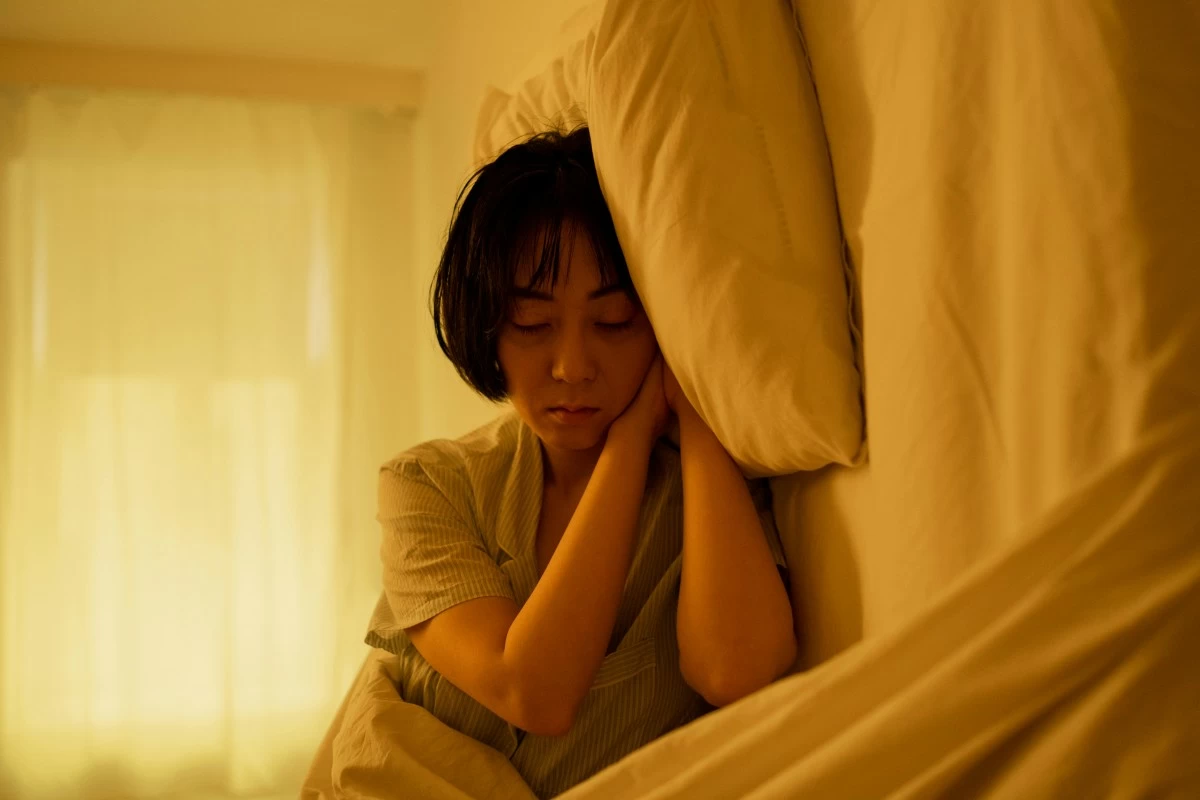
We Filipinos are literally losing sleep over our health, and it’s making us gain weight. Recent research reveals that the Philippines now ranks first in Southeast Asia and fourth globally for sleep deprivation, with 56 percent of us experiencing chronic sleep problems. We’re averaging just 6.3 hours nightly—far below the recommended seven to nine hours.
But here’s what most people don’t realize: This sleep debt isn’t just making us tired. It’s fundamentally rewiring our metabolism and driving our national obesity crisis. The numbers tell a stark story. Adult obesity in the Philippines has nearly doubled from 20.2 percent in 1998 to 36.6 percent in 2019. Simultaneously, only 15 percent of people worldwide achieve the recommended sleep duration for five or more nights weekly. This isn’t a coincidence—it’s biochemistry.
When sleep fails, hunger wins
Recent groundbreaking research reveals exactly how sleep deprivation transforms us into unwitting saboteurs of our own health goals. The mechanism is elegantly cruel. When we sleep less than seven hours, our bodies rebel by decreasing leptin, the hormone that signals satiety, while ramping up ghrelin, which screams, “Eat more!”
The data is sobering. Sleep-deprived individuals consume roughly 130 percent of their daily recommended calories, with most excess eaten during late-night hours. Over just five days, sleep-deprived subjects gained nearly one kilogram and consumed an extra 552 calories daily, primarily between 22:00-03:59. Think about our notorious Filipino midnight snacking culture, fueled by those three-to-four-hour daily commutes that leave Metro Manila workers arriving home at 10 p.m., exhausted and craving comfort food.
But the hormonal chaos goes deeper. Sleep restriction causes a 30 percent decrease in insulin sensitivity, specifically in fat cells, making it nearly impossible to lose weight even with proper diet and exercise. Studies show sleep-deprived people experience a 16 percent decrease in leptin and 15 percent increase in ghrelin levels—essentially programming our bodies to store fat when we’re chronically tired.
Even more fascinating is the recent discovery of “Raptin,” a sleep-induced hypothalamic hormone that suppresses appetite and gastric emptying. This hormone peaks during sleep but becomes completely blunted by sleep deficiency. It’s as if our bodies are biochemically programmed to gain weight when we don’t get adequate rest.
The circadian disruption driving obesity
Our internal body clock, controlled by the suprachiasmatic nucleus, orchestrates far more than sleep timing. It regulates feeding behaviors, hormone release, and metabolic function. When this system becomes misaligned, as happens with our BPO industry’s graveyard shifts, the consequences cascade through our entire metabolism.
Cortisol, our stress hormone, becomes particularly problematic. Sleep disruption increases cortisol levels, leading to circadian disruption and decreased melatonin production. High cortisol levels in obese individuals correlate with higher food intake and poorer emotional coping strategies. This creates a vicious cycle: stress disrupts sleep, poor sleep increases cortisol, elevated cortisol promotes weight gain, and obesity further worsens sleep quality.
The research shows this isn’t just about willpower. Sleep disorders like obstructive sleep apnea, increasingly common in our population, directly elevate cortisol and disrupt the delicate hormonal balance that maintains a healthy weight.
The Filipino sleep crisis demands Filipino solutions
Our unique challenges require targeted strategies. Hundreds of thousands of Filipinos work graveyard shifts serving global markets, forcing unnatural circadian rhythms. Our tropical climate compounds the problem. Sleep efficiency plummets when bedroom temperatures exceed 28°C, and our 75 to 80 percent humidity prevents effective cooling.
Yet we possess cultural advantages often overlooked. Our traditional medicinal plants offer powerful sleep support. Lagundi helps with respiratory issues that disrupt sleep, while yerba buena provides natural pain relief for tension headaches that keep us awake. A warm cup of ginger salabat before bed isn’t just comfort; it’s scientifically sound sleep hygiene that supports our circadian rhythm.
Start with your environment. Invest in bamboo bedding, which stays naturally 3°C cooler than cotton and absorbs 40 percent more moisture, crucial for our humid nights. Use ceiling fans strategically for cross-ventilation rather than energy-intensive air conditioning.
Address the commute reality. If you’re among the millions spending three to four hours daily traveling, consider this time part of your sleep strategy. Use public transport for brief, restorative naps rather than stimulating screen time. Some families have negotiated remote work arrangements or relocated closer to offices, reclaiming precious sleep hours.
Science-backed solutions that work
The good news? Studies demonstrate that extending sleep by just two weeks reduced daily energy intake by 270 calories in overweight adults. That’s equivalent to a 28-pound weight loss over a year, simply from sleeping better.
Sleep regularity may be more important than duration. Research shows consistent sleep-wake timing is a stronger predictor of mortality risk than total sleep hours. Going to bed and waking up at the same time daily, even on weekends, helps synchronize our circadian clock and optimize metabolic function.
Combat our screen addiction. With social media cited as a primary cause of late sleep among Filipinos, establish a firm digital curfew one hour before bed. The blue light from phones doesn’t just delay sleep—it actively suppresses melatonin production, disrupting the entire hormonal cascade that regulates appetite.
Melatonin supplementation, when properly timed, can help reset disrupted circadian rhythms. The optimal dose is 4mg taken three hours before desired bedtime—not immediately before sleep, as many assume. Local brands make this affordable for most Filipino families at just ₱9 per capsule.
The weight loss revolution starts tonight
The research is clear: Sleep isn’t a luxury. It’s the foundation of metabolic health. Every hour of quality sleep is an investment in weight management, diabetes prevention, and cardiovascular health. Given that hypertension affects 25.15 percent of Filipino adults and diabetes impacts 20.5 percent of our elderly population, addressing our national sleep crisis isn’t just about feeling more rested.
Both short and long sleep durations increase all-cause mortality, cardiovascular disease, stroke, and CHD risk. The optimal sleep duration sits in that sweet spot of seven to nine hours, where our hormones function optimally, our appetite regulation works properly, and our metabolism hums along efficiently.
The path forward is clear. Prioritize sleep with the same intensity we bring to our work ethic. Because the most effective weight loss strategy might just be the simplest one, getting enough rest to let our bodies do what they’re designed to do naturally. Your scale will thank you, and so will your health.