

ADVERTISEMENT

How Hitachi makes green building retrofits possible

Published Aug 21, 2025 07:50 pm

Old buildings have a way of telling a community's story; its identity, heritage and how it came to be.  These structures stand as witnesses to historical moments, events and milestones, connecting the community's present to its past.  

So instead of tearing them down, many people choose to restore these old buildings.  And why wouldn't they? It is a way to preserve history while embracing modern needs.  And it is not about being sentimental, either.  In many cases, refurbishing is more cost-effective than rebuilding and it supports sustainable urban development. 

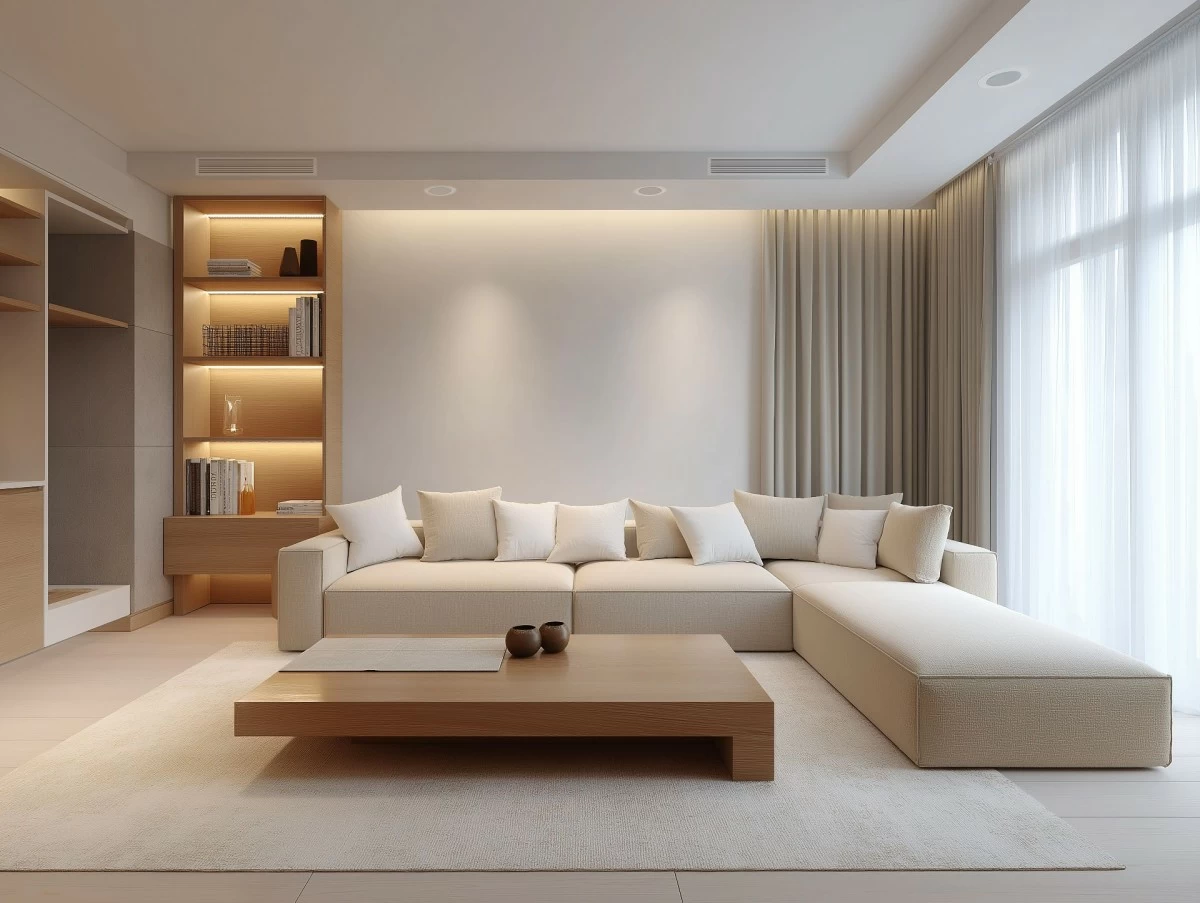
However, refurbishing an old unit or building often presents modern day challenges, one of the most pressing being energy efficiency.  Many outdated structures are equipped with aging infrastructure:  obsolete electrical systems, poor insulation and intrusive cooling systems that can compromise the building's original aesthetics.
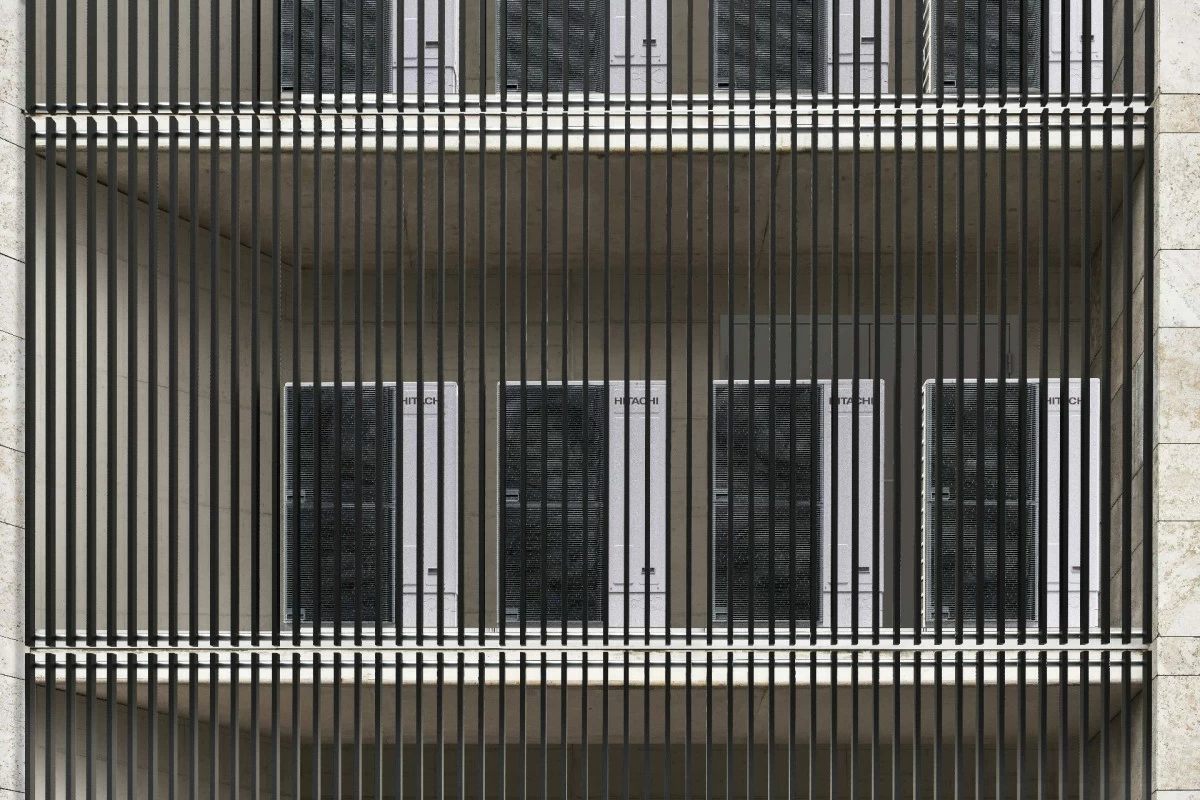
Hitachi addresses these challenges with its SideSmart Variant Refrigerant Flow (VRF) system, the world's first slim modular VRF unit.  Designed for space constrained environments like those with limited floor area, fixed layouts or those with outdated infrastructures, the SideSmart combines energy efficiency with space optimization.

Given the 2021 Energy Conservation Award in Japan, the Hitachi SideSmart was awarded due to its delivery of high energy savings, where traditional systems fall short.  It is designed to tackle real-world challenges, enhancing complex building conditions, space constraints and evolving energy standards.

Held every year, the Energy Conservation Award is presented by Japan's Ministry of Economy, Trade and Industry (METI) and the Energy Conservation Center of Japan (ECCJ).  It honors products and technology that show exceptional energy efficiency, innovative design and real-world sustainability impact.  

The award was not just a moment of praise.  It marked a breakthrough in energy-efficient design and smart climate control, setting a standard in the industry and that matters until today.   And so, why did the Hitachi SideSmart VRF system earn top honors back in 2021?  Here's why.

It is energy efficient

The Hitachi SideSmart VRF system is designed to save energy.  It uses SmoothDrive technology, which helps the air conditioner run more efficiently, especially when full power is not needed.  An example will be during cooler hours of the day or when fewer people are in the room, the system automatically adjusts how much power it uses.  This means it won't waste electricity when it doesn't have to.  This will help you save energy and cut down on utility costs. 

It has a compact design and modular flexibility

Compared to conventional VRF systems, the Hitachi SideSmart outdoor unit is slimmer, measuring just 42cm.  This means it can easily fit into limited, tight or narrow spaces like alleyways, rooftops, balconies or outdoor ledges.  

Its modular design makes it flexible.  Even if the space is oddly shaped or limited, the units can be arranged to fit.  And if you need to cool bigger spaces or you need more cooling power, you can connect up to four units together, scaling from 8HP to 72HP.  

Plus, with piping that can stretch up to 500 meters, engineers can place the units across different wings or floors without having to tear down walls or redesign the building.  This cuts down on construction waste and lets you reuse the building's existing structure, making it a smart and sustainable choice.

It reduces environmental impact

Hitachi is committed to making indoor comfort more eco-friendly.  The Hitachi SideSmart VRF system uses up to 13% less refrigerant compared to traditional systems.  That's important because refrigerants can contribute to greenhouse gas emissions.  Using less means less harm to the environment and a smaller carbon footprint.

Performance optimized with smart controls

The HItachi SideSmart comes with an airCloud Pro app, which turns an already efficient system into a smart, low-waste solution.  With this app, property managers can monitor and manage the system remotely, right from their smartphone or computer.  

They can adjust temperature settings, check performance, and get alerts for maintenance or issues without needing to be on-site.  And, thanks to Hitachi's H-Link system, multiple zones across a building can be controlled from one central location.  This makes everything run more smoothly.

In addition, remote monitoring helps cut down on fuel use and emissions.  Technicians can diagnose problems from afar, reducing the need for service trips and helping the environment at the same time.

The system also seamlessly pairs with Hitachi's Set-Free Series.  These are indoor AC units (ceiling cassette, ceiling suspended, ducted, wall-mounted and floor-mounted) that offer full flexibility so that building planners can design comfort zones based on function and use.

The Hitachi SideSmart system is a great example of how energy efficiency and modular flexibility can work together.  It is a future-ready solution that helps cities preserve heritage buildings without sacrificing comfort or performance.  With SideSmart, communities can now honor their past while building a greener, more resilient future, one retrofit at a time.

ADVERTISEMENT
.most-popular .layout-ratio{ padding-bottom: 79.13%; } @media (min-width: 768px) and (max-width: 1024px) { .widget-title { font-size: 15px !important; } }

{{ articles_filter_1561_widget.title }}

.most-popular .layout-ratio{ padding-bottom: 79.13%; } @media (min-width: 768px) and (max-width: 1024px) { .widget-title { font-size: 15px !important; } }

{{ articles_filter_1562_widget.title }}

.most-popular .layout-ratio{ padding-bottom: 79.13%; } @media (min-width: 768px) and (max-width: 1024px) { .widget-title { font-size: 15px !important; } }

{{ articles_filter_1563_widget.title }}

{{ articles_filter_1564_widget.title }}

.mb-article-details { position: relative; } .mb-article-details .article-body-preview, .mb-article-details .article-body-summary{ font-size: 17px; line-height: 30px; font-family: "Libre Caslon Text", serif; color: #000; } .mb-article-details .article-body-preview iframe , .mb-article-details .article-body-summary iframe{ width: 100%; margin: auto; } .read-more-background { background: linear-gradient(180deg, color(display-p3 1.000 1.000 1.000 / 0) 13.75%, color(display-p3 1.000 1.000 1.000 / 0.8) 30.79%, color(display-p3 1.000 1.000 1.000) 72.5%); position: absolute; height: 200px; width: 100%; bottom: 0; display: flex; justify-content: center; align-items: center; padding: 0; } .read-more-background a{ color: #000; } .read-more-btn { padding: 17px 45px; font-family: Inter; font-weight: 700; font-size: 18px; line-height: 16px; text-align: center; vertical-align: middle; border: 1px solid black; background-color: white; } .hidden { display: none; }
function initializeAllSwipers() { // Get all hidden inputs with cms_article_id document.querySelectorAll('[id^="cms_article_id_"]').forEach(function (input) { const cmsArticleId = input.value; const articleSelector = '#article-' + cmsArticleId + ' .body_images'; const swiperElement = document.querySelector(articleSelector); if (swiperElement && !swiperElement.classList.contains('swiper-initialized')) { new Swiper(articleSelector, { loop: true, pagination: false, navigation: { nextEl: '#article-' + cmsArticleId + ' .swiper-button-next', prevEl: '#article-' + cmsArticleId + ' .swiper-button-prev', }, }); } }); } setTimeout(initializeAllSwipers, 3000); const intersectionObserver = new IntersectionObserver( (entries) => { entries.forEach((entry) => { if (entry.isIntersecting) { const newUrl = entry.target.getAttribute("data-url"); if (newUrl) { history.pushState(null, null, newUrl); let article = entry.target; // Extract metadata const author = article.querySelector('.author-section').textContent.replace('By', '').trim(); const section = article.querySelector('.section-info ').textContent.replace(' ', ' '); const title = article.querySelector('.article-title h1').textContent; // Parse URL for Chartbeat path format const parsedUrl = new URL(newUrl, window.location.origin); const cleanUrl = parsedUrl.host + parsedUrl.pathname; // Update Chartbeat configuration if (typeof window._sf_async_config !== 'undefined') { window._sf_async_config.path = cleanUrl; window._sf_async_config.sections = section; window._sf_async_config.authors = author; } // Track virtual page view with Chartbeat if (typeof pSUPERFLY !== 'undefined' && typeof pSUPERFLY.virtualPage === 'function') { try { pSUPERFLY.virtualPage({ path: cleanUrl, title: title, sections: section, authors: author }); } catch (error) { console.error('ping error', error); } } // Optional: Update document title if (title && title !== document.title) { document.title = title; } } } }); }, { threshold: 0.1 } ); function showArticleBody(button) { const article = button.closest("article"); const summary = article.querySelector(".article-body-summary"); const body = article.querySelector(".article-body-preview"); const readMoreSection = article.querySelector(".read-more-background"); // Hide summary and read-more section summary.style.display = "none"; readMoreSection.style.display = "none"; // Show the full article body body.classList.remove("hidden"); } document.addEventListener("DOMContentLoaded", () => { let loadCount = 0; // Track how many times articles are loaded const offset = [1, 2, 3, 4, 5, 6, 7, 8, 9, 10]; // Offset values const currentUrl = window.location.pathname.substring(1); let isLoading = false; // Prevent multiple calls if (!currentUrl) { console.log("Current URL is invalid."); return; } const sentinel = document.getElementById("load-more-sentinel"); if (!sentinel) { console.log("Sentinel element not found."); return; } function isSentinelVisible() { const rect = sentinel.getBoundingClientRect(); return ( rect.top < window.innerHeight && rect.bottom >= 0 ); } function onScroll() { if (isLoading) return; if (isSentinelVisible()) { if (loadCount >= offset.length) { console.log("Maximum load attempts reached."); window.removeEventListener("scroll", onScroll); return; } isLoading = true; const currentOffset = offset[loadCount]; window.loadMoreItems().then(() => { let article = document.querySelector('#widget_1690 > div:nth-last-of-type(2) article'); intersectionObserver.observe(article) loadCount++; }).catch(error => { console.error("Error loading more items:", error); }).finally(() => { isLoading = false; }); } } window.addEventListener("scroll", onScroll); });

Sign up by email to receive news.