






Manila Bulletin
 Philippines
National
Palace: Proposed mandatory drug test for all public officials violates Constitution
Philippines
National
Palace: Proposed mandatory drug test for all public officials violates Constitution
Philippines
National
Palace: Proposed mandatory drug test for all public officials violates Constitution
Palace: Proposed mandatory drug test for all public officials violates Constitution
Published Aug 20, 2025 12:08 pm
|
Updated Aug 20, 2025 02:23 pm


At A Glance
- Asked if the Palace opposes the bill, Castro said it was simply against the law.
Malacañang said a proposal in the Senate to require mandatory annual drug testing for all elected and appointed public officials would run counter to a Supreme Court ruling and constitutional protections on privacy.
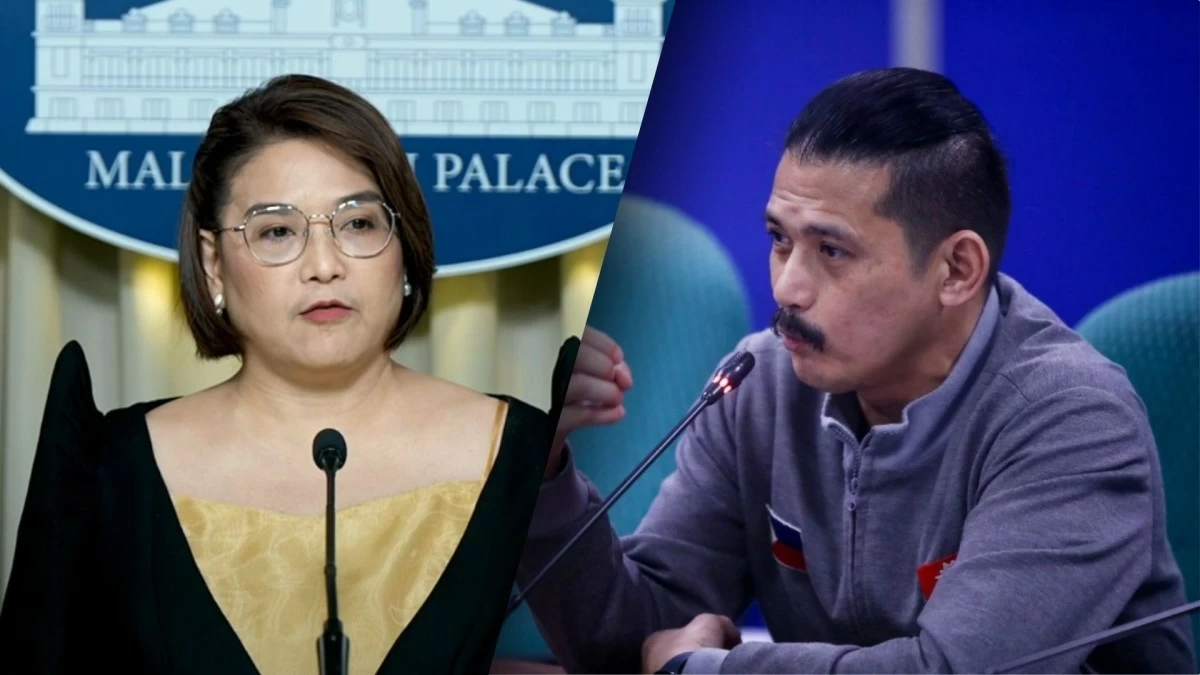
Communications Undersecretary Claire Castro and Senator Robinhood Padilla (File photos)
Communications Undersecretary Claire Castro said this after Senator Robinhood Padilla filed a bill requiring drug tests using hair follicle samples for all public officials following the resignation of one of his staff for alleged use of marijuana inside the Senate building.
In a press briefing, the Palace Press Officer said she hoped that Padilla had read the 2008 Social Justice Society v. Dangerous Drugs Board decision, in which the Supreme Court held that universal mandatory drug testing violates the Constitution and the right to privacy.
She added that only random drug testing is allowed under current jurisprudence.
“So baka magsayang lang po ng oras at pera (He might only waste time and public funds),” Castro said on Wednesday, Aug. 20.
“Aralin po muna niya ang nais niyang gawing batas (He should first study the law he wants to file),” she added.
Asked if the Palace opposes the bill, Castro said it was simply against the law.
“Hindi ko sinasabing hindi pabor. ‘Yan ay labag sa batas (I’m not saying the Palace is against it. I’m saying it is against the law),” she said.
Padilla’s measure seeks to institutionalize yearly drug testing for all government officials as part of efforts to promote accountability and public trust.
The 2008 decision held that mandatory testing of students and workers may be allowed under specific circumstances, but universal testing of all elected officials without probable cause is unconstitutional.