







Marcos orders action on looming banana crisis
Published Aug 14, 2025 02:02 pm


At A Glance
- Castro said the Department of Agriculture has already requested funding to help banana farmers overcome challenges affecting plantations.
President Marcos has directed government agencies to address the country’s decreasing banana production and declining Philippine market share in key export destinations, Malacañang said.
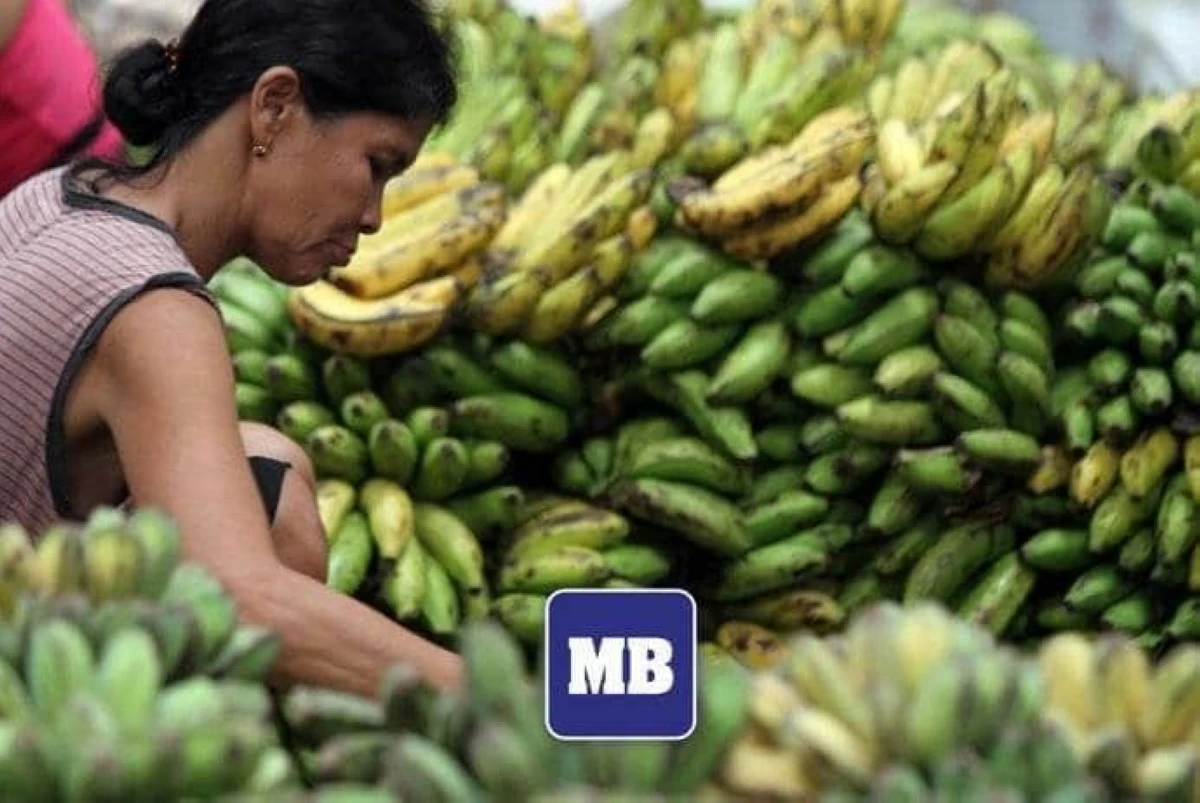
File photo
Communications Undersecretary Claire Castro said this after Senator Imee Marcos urged the administration to act swiftly on what she warned as a looming banana crisis, noting that the country’s banana export volume has been steadily declining while competitors such as Vietnam and Cambodia gain ground in Japan and China.
In a press briefing, the Palace Press Officer said the Department of Agriculture (DA) has already requested funding to help banana farmers overcome challenges affecting plantations.
“Opo. Nagkaroon na rin po ng direktiba ang Pangulo patungkol po dito (Yes, the President has already issued a directive on this),” she said on Thursday, Aug. 14.
“Humingi na rin po ang Department of Agriculture ng pondo para sa pest and diseases para sa banana farmers (The DA has also requested funding for pests and diseases for banana farmers),” she added.
Castro noted that trade issues are also being addressed, particularly the high import tariffs imposed by Japan on Philippine bananas.
“Kapag summer… is eight percent, pero pagka winter ay 18 percent (During summer, the tariff is 8 percent, but during winter it is 18 percent),” she said.
Despite these challenges, Castro said the government continues to boost production of cardava bananas for export to Australia, the United States, the Middle East, and other potential markets.
“Pinapalakas na rin po ang pag-export ng steamed and frozen bananas, maliban pa po sa banana chips (We are also strengthening the export of steamed and frozen bananas, in addition to banana chips),” she added.
The Philippines is now the fourth-largest banana exporter in the world, after being overtaken by Guatemala in recent years, with shipments totaling about 2.28 million metric tons in 2024, down 2.97 percent from the previous year.
Banana production in the country continues to face threats from Fusarium wilt (Panama disease), the black sigatoka fungus, and climate-related disruptions.
The Philippine Banana Growers and Exporters Association (PBGEA) has long warned about Japan’s seasonal tariff rates, saying they put local exporters at a disadvantage compared to competitors from countries with zero or lower tariffs under free trade agreements.
To address these issues, the Department of Agriculture is updating its Philippine Banana Industry Roadmap to include stronger pest and disease control, the development of disease-resistant varieties, expansion of planting areas, and improved market access through trade negotiations.
The plan also pushes for more value-added exports such as steamed and frozen bananas, alongside traditional banana chips, to markets including Australia, the United States, and the Middle East.