

ADVERTISEMENT

How to naturally ease lower back pain

Don't be a pill popper to relieve pain

Published Aug 11, 2025 12:05 pm

At A Glance

  • If you wish to say goodbye to back pain, specifically lower back pain, make sure you wear the right shoe size, make stretching a habit combined with deep breathing, use an ergonomic chair and other furniture suited to your height, and apply heat therapy.
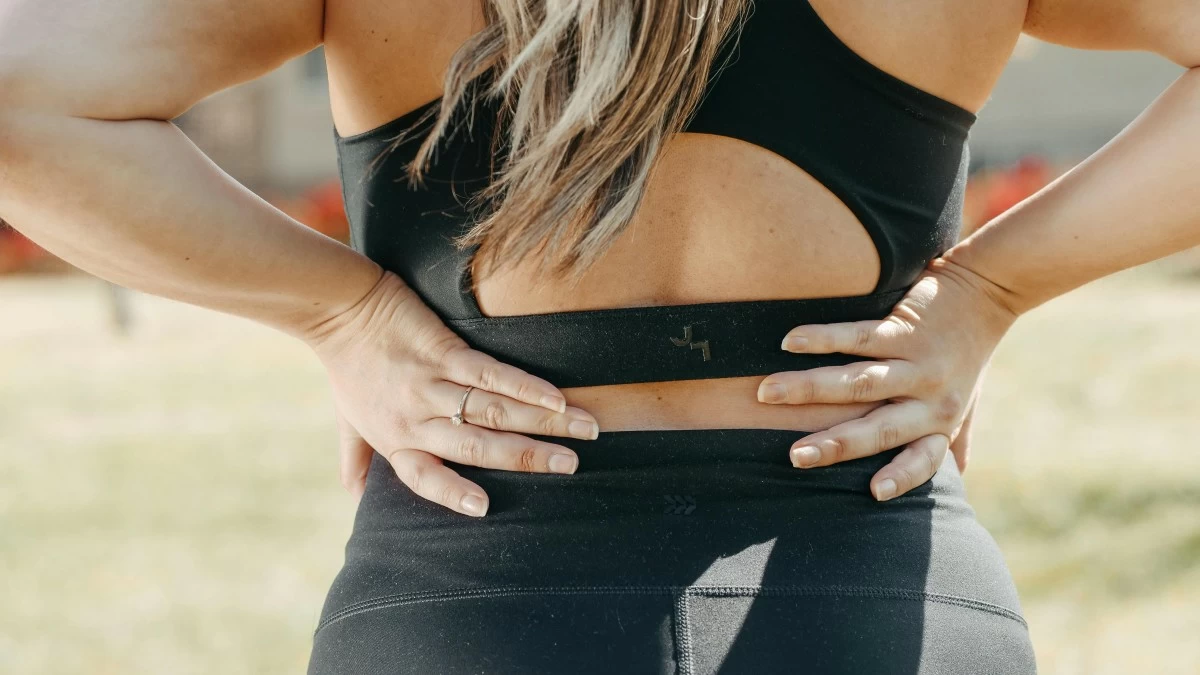
Whether you labor physically the whole day or sit for long hours in a meeting, you will probably get lower back pain. If this becomes a routine, then you may experience chronic lower back pain. It can get debilitating, and it will affect your disposition too.
While there may be a need to take some pain medications to lower inflammation and alleviate pain, prolonged use of pain relievers can damage your liver and kidneys. You need to find a natural solution to prevent getting lower back pain. Surprisingly, the solutions are so simple that we tend to overlook them in our daily lives.
First is to get proper footwear. Wearing the right shoe size matters. Tight shoes or very loose shoes can affect one’s gait, posture, and hip joint movement. If we wear shoes that are uncomfortable and do not give ample support to our feet and legs, the stress radiates to our spine and can cause lower back pain. Women who often wear heels over two inches may experience pain. High heels shift a person’s weight forward. Thus, it forces the lower back to arch more than it should. This posture will strain the lumbar spine, resulting in lower back pain. On the other hand, not all flats are supportive of the spine. If the flat shoes are hard or thin-soled, if the shoes are unstable and lack support, the feet will have to absorb all the shock and impact of each step. This could lead to more stress on the spine and eventually lower back pain. Furthermore, flip-flops and other sandals that leave the feet very bare may look comfortable, but they are not made to be worn while walking for long hours, much less the whole day. Never aim to get your 10,000 steps a day wearing flip-flops.
Next is to be mindful of stretching techniques. Even if you do not experience pain at the moment, if you have been sitting down for a prolonged period of time, it is important to stretch your back. Here are two ways to release that tension. Do the pelvic tilt stretch by lying on your back with your knees bent and both feet flat on the floor. You can simply rest your arms on the side of your body. Engage your abdominal muscles and inhale. As you exhale, tilt your pelvis upward while pressing your upper back against the floor. Feel that good stretch on your back for a few seconds and slowly release the tilt, returning to the original position.
Another back-stretching technique is the cat-cow stretch. This is technically a yoga flow movement. To do the cat-cow stretch, you must kneel on the floor and put both hands on the floor in front of you. The hands must be shoulder-width apart, while the knees should be directly below the hips. Once in position, deeply inhale as you curve your lower back and tilt your head up like a cow. Then slowly exhale as you bring your head down, abdomen inward, while arching the spine, making an outward curve. Repeat these two movements several times.
If you are sitting most of the time, you could get lower back pain, especially if you neglect to engage your core. Poor posture, such as slouching, will strain the spine. Your furniture, such as an office chair and desk, needs to be adjusted to your height. It should not be too low or too high. Make necessary adjustments in order to ensure that your spine is always straight while sitting and your feet are flat on the floor. Both arms should be able to comfortably rest at a 90-degree angle. Aside from proper measurements, you can also use a lumbar support to cushion your back, or you can make use of posture-correcting seat cushions. They are designed to engage your core while sitting. Therefore, relieving pressure from the spine and pelvis.
Lastly, make it a habit to do heat therapy. It may be in the form of a warm or hot bath, hot compress, or, if available, sauna, hot stone massage, or ultrasonic hydrotherapy. All these will not only ease tired muscles but will also stimulate good blood circulation.
According to Jurgen Freiwald and colleagues, who studied the role of superficial heat therapy in the management of mild to moderate low back pain in current clinical practice in 2021, “Heat therapy is the therapeutic application of heat to the body that results in an increase in tissue temperature. The mode of therapy can be superficial, delivered using conduction (e.g., heat wraps or heat packs) or convection (e.g., hydrotherapy) techniques, or deep, delivered by conversion methods (e.g., ultrasound, diathermy, and laser therapy)."
If you wish to say goodbye to back pain, specifically lower back pain, make sure you wear the right shoe size, make stretching a habit combined with deep breathing, use an ergonomic chair and other furniture suited to your height, and apply heat therapy.
If your pain does not go away despite these simple changes, it is best to consult a doctor and a registered physical therapist for proper assessment and management.
[email protected]

Related Tags

Health and Wellness Lower back pain
ADVERTISEMENT
.most-popular .layout-ratio{ padding-bottom: 79.13%; } @media (min-width: 768px) and (max-width: 1024px) { .widget-title { font-size: 15px !important; } }

{{ articles_filter_1561_widget.title }}

.most-popular .layout-ratio{ padding-bottom: 79.13%; } @media (min-width: 768px) and (max-width: 1024px) { .widget-title { font-size: 15px !important; } }

{{ articles_filter_1562_widget.title }}

.most-popular .layout-ratio{ padding-bottom: 79.13%; } @media (min-width: 768px) and (max-width: 1024px) { .widget-title { font-size: 15px !important; } }

{{ articles_filter_1563_widget.title }}

{{ articles_filter_1564_widget.title }}

.mb-article-details { position: relative; } .mb-article-details .article-body-preview, .mb-article-details .article-body-summary{ font-size: 17px; line-height: 30px; font-family: "Libre Caslon Text", serif; color: #000; } .mb-article-details .article-body-preview iframe , .mb-article-details .article-body-summary iframe{ width: 100%; margin: auto; } .read-more-background { background: linear-gradient(180deg, color(display-p3 1.000 1.000 1.000 / 0) 13.75%, color(display-p3 1.000 1.000 1.000 / 0.8) 30.79%, color(display-p3 1.000 1.000 1.000) 72.5%); position: absolute; height: 200px; width: 100%; bottom: 0; display: flex; justify-content: center; align-items: center; padding: 0; } .read-more-background a{ color: #000; } .read-more-btn { padding: 17px 45px; font-family: Inter; font-weight: 700; font-size: 18px; line-height: 16px; text-align: center; vertical-align: middle; border: 1px solid black; background-color: white; } .hidden { display: none; }
function initializeAllSwipers() { // Get all hidden inputs with cms_article_id document.querySelectorAll('[id^="cms_article_id_"]').forEach(function (input) { const cmsArticleId = input.value; const articleSelector = '#article-' + cmsArticleId + ' .body_images'; const swiperElement = document.querySelector(articleSelector); if (swiperElement && !swiperElement.classList.contains('swiper-initialized')) { new Swiper(articleSelector, { loop: true, pagination: false, navigation: { nextEl: '#article-' + cmsArticleId + ' .swiper-button-next', prevEl: '#article-' + cmsArticleId + ' .swiper-button-prev', }, }); } }); } setTimeout(initializeAllSwipers, 3000); const intersectionObserver = new IntersectionObserver( (entries) => { entries.forEach((entry) => { if (entry.isIntersecting) { const newUrl = entry.target.getAttribute("data-url"); if (newUrl) { history.pushState(null, null, newUrl); let article = entry.target; // Extract metadata const author = article.querySelector('.author-section').textContent.replace('By', '').trim(); const section = article.querySelector('.section-info ').textContent.replace(' ', ' '); const title = article.querySelector('.article-title h1').textContent; // Parse URL for Chartbeat path format const parsedUrl = new URL(newUrl, window.location.origin); const cleanUrl = parsedUrl.host + parsedUrl.pathname; // Update Chartbeat configuration if (typeof window._sf_async_config !== 'undefined') { window._sf_async_config.path = cleanUrl; window._sf_async_config.sections = section; window._sf_async_config.authors = author; } // Track virtual page view with Chartbeat if (typeof pSUPERFLY !== 'undefined' && typeof pSUPERFLY.virtualPage === 'function') { try { pSUPERFLY.virtualPage({ path: cleanUrl, title: title, sections: section, authors: author }); } catch (error) { console.error('ping error', error); } } // Optional: Update document title if (title && title !== document.title) { document.title = title; } } } }); }, { threshold: 0.1 } ); function showArticleBody(button) { const article = button.closest("article"); const summary = article.querySelector(".article-body-summary"); const body = article.querySelector(".article-body-preview"); const readMoreSection = article.querySelector(".read-more-background"); // Hide summary and read-more section summary.style.display = "none"; readMoreSection.style.display = "none"; // Show the full article body body.classList.remove("hidden"); } document.addEventListener("DOMContentLoaded", () => { let loadCount = 0; // Track how many times articles are loaded const offset = [1, 2, 3, 4, 5, 6, 7, 8, 9, 10]; // Offset values const currentUrl = window.location.pathname.substring(1); let isLoading = false; // Prevent multiple calls if (!currentUrl) { console.log("Current URL is invalid."); return; } const sentinel = document.getElementById("load-more-sentinel"); if (!sentinel) { console.log("Sentinel element not found."); return; } function isSentinelVisible() { const rect = sentinel.getBoundingClientRect(); return ( rect.top < window.innerHeight && rect.bottom >= 0 ); } function onScroll() { if (isLoading) return; if (isSentinelVisible()) { if (loadCount >= offset.length) { console.log("Maximum load attempts reached."); window.removeEventListener("scroll", onScroll); return; } isLoading = true; const currentOffset = offset[loadCount]; window.loadMoreItems().then(() => { let article = document.querySelector('#widget_1690 > div:nth-last-of-type(2) article'); intersectionObserver.observe(article) loadCount++; }).catch(error => { console.error("Error loading more items:", error); }).finally(() => { isLoading = false; }); } } window.addEventListener("scroll", onScroll); });

Sign up by email to receive news.