







HUAWEI Pura 80 Ultra unveils smartphone photography's next frontier
HUAWEI's latest in the Pura series debuts the industry's first switchable dual telephoto innovation
By Len Amadora
Published Jul 31, 2025 10:00 am
|
Updated Jul 31, 2025 04:25 pm


For many users, the camera is the main reason they upgrade their smartphones. In fact, camera quality consistently ranks the top three factors when choosing a smartphone; and it is easy to see why. People practically use it every day. With platforms like Instagram, YouTube and TikTok, users expect studio-quality cameras built right into their phones. Imaging has become a powerful tool for creativity and self-expression.
In today's world, mobile imaging is not just a feature; it's a flagship experience. That is why I jumped at the chance to see and experience the HUAWEI Pura 80 Ultra, even if only for a short time.
A vision beyond bounds with the switchable dual telephoto camera
HUAWEI has consistently led the way in pioneering advanced smartphone camera technology. Its relentless pursuit of excellence has often introduced features once reserved for high-end professional cameras.
Each generation of its flagship devices has introduced breakthrough technologies once exclusive to professional-grade gear. The P40 series brought the game-changing 100x SuperZoom Array that enables users to capture ultra-long-range shots with surprising quality. With the P60 series, HUAWEI introduced the Ultra Lighting Micro Telephoto Camera allowing crisp low-light telephoto images. Most recently, the Pura 70 series unveiled Ultra Speed Snapshot, which allows users to freeze even the most fleeting moments with stunning precision.
Over the years, the goal of bringing these capabilities to smartphones has come to life, blending compact design, flexible shooting and uncompromising image quality in the Pura 80 Series.
At the core of the Pura 80 Ultra's photographic power is its Switchable Dual Telephoto Camera. The name might be a mouthful, but when you break it down, the innovation is truly remarkable.
Before we dive in, the HUAWEI Pura 80 Ultra features a seriously advanced camera system housed within its iconic Forward Symbol design. Paired with the gleaming XMAGE badge and a dazzling sunburst pattern, this distinctive aesthetic is instantly recognizable and definitely born to shine.
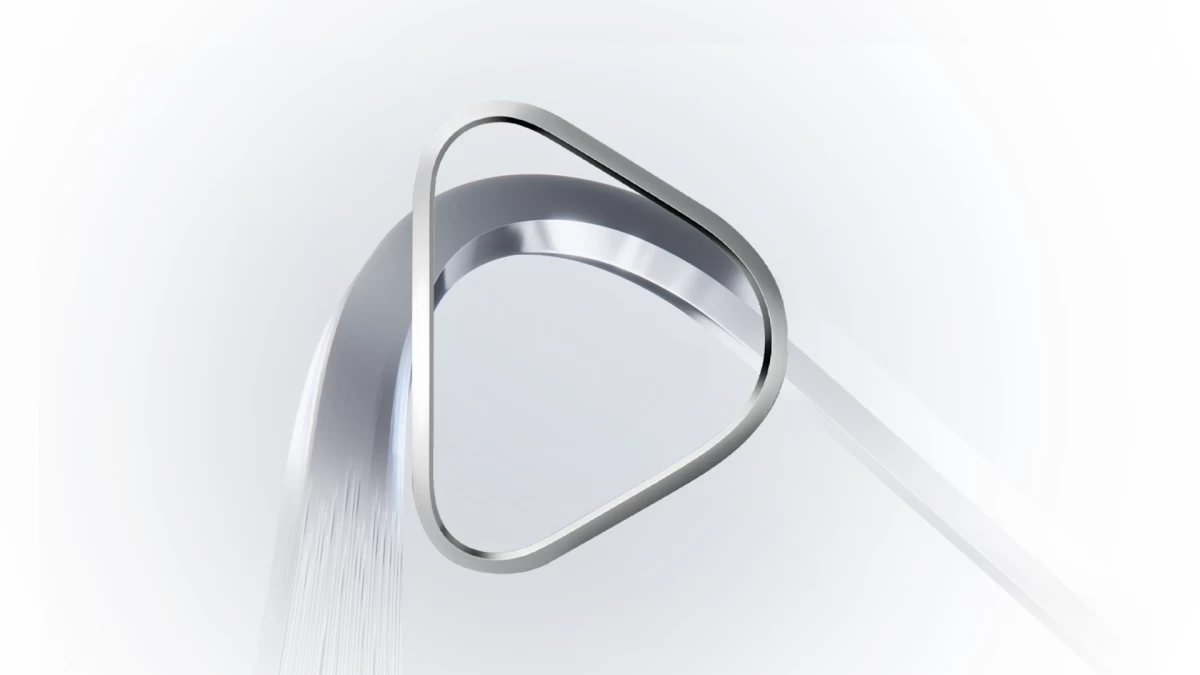
The HUAWEI Pura 80 Ultra's jaw-dropping camera system features the industry's first Switchable Dual Telephoto camera, a rear 50MP 1-inch Ultra Lighting HDR main camera, a 40MP, f/2.2 ultrawide camera and a Ultra Chroma camera.
This world-first innovation in mobile optics combines a 50MP telephoto with 3.7x optical zoom (f/2.4) and a 12.5 MP telephoto with 9.4x optical zoom (f/3.6), all powered by precision engineering and a shared sensor. It is designed to help you zoom in on faraway subjects without losing image quality. How?
Here is how it works: As indicated above, the phone features two telephoto lenses, a 3.7x optical zoom, and a 9.4x optical zoom, that share a single, large sensor, unlike most smartphones that rely on separate sensors for each lens.
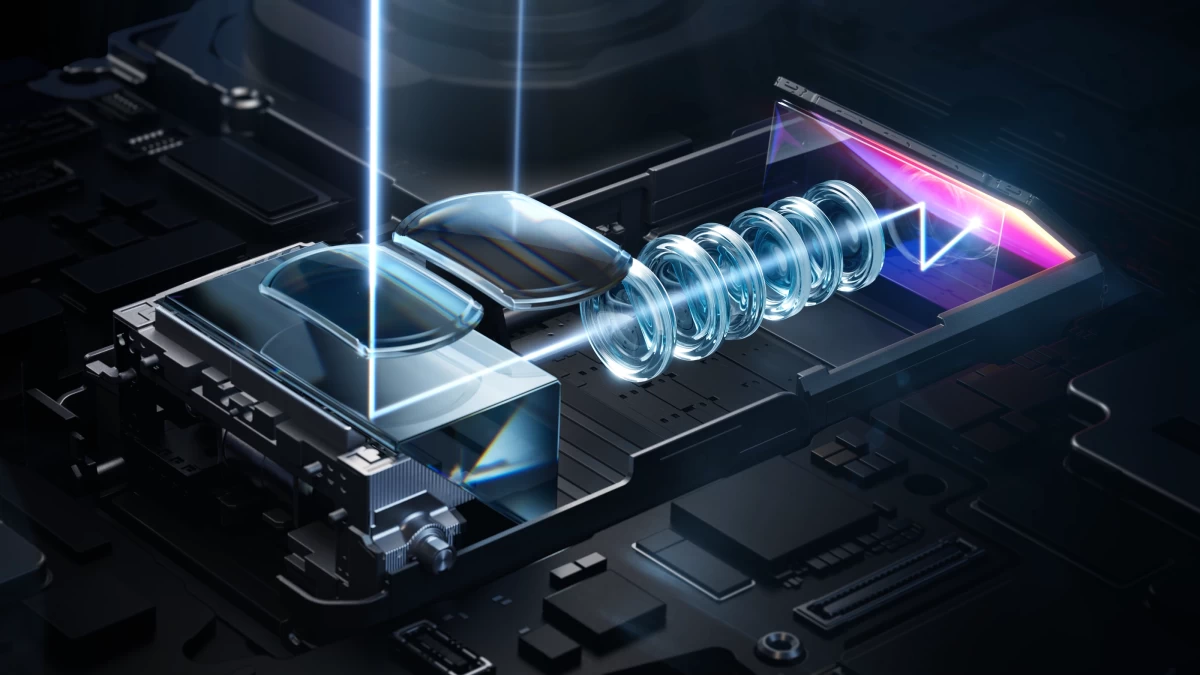
HUAWEI Pura 80 Ultra’s switchable dual telephoto camera
To make this possible, HUAWEI engineered a movable prism that redirects light from the selected lens to a shared sensor. The switching mechanism is powered by micron-level motors and incorporates over 140 precision components to smoothly switch between lenses.
Think of it this way: inside your smartphone are two tiny telescopes, one for closer zoom, the other for long-range shots. Both feed into a single large sensor using a moving mirror (technically a prism). When you select the 3.7x zoom, the mirror shifts to channel light from that lens to the sensor. Choose the 9.4x zoom, and the mirror moves again to switch to the other lens. It is like having two cameras that share one brain.
Smartphone camera challenges? Solved!
You know what's clever? HUAWEI's latest innovation tackles several long-standing challenges in smartphone photography with style.
With the HUAWEI Pura 80 Ultra, you won't encounter blurry zoomed-in images. Thanks to optical zoom powered by two real telephoto lenses that share a large sensor, you get sharp, detailed shots, even from far away.
Typically, multiple lenses require separate sensors. This leads to bulky camera modules. HUAWEI solves this issue with a movable prism that switches between lenses on a single sensor, saving space and enabling a slimmer phone design.
And when it comes to color and exposure consistency, the HUAWEI Pura 80 Ultra delivers. Since both telephoto lenses use the same sensor, colors and brightness stay uniform, even when zooming from 3.7x to 9.4x. Add in the Ultra Chroma sensor, which captures light beyond the visible spectrum, you get vibrant, true-to-life colors and smooth, enhanced skin tones when snapping portraits of family and friends.
How about shooting photos at night? Night photography has always been a tough nut to crack for smartphones. Night shots are usually noisy, grainy and washed out. HUAWEI Pura 80 Ultra takes this challenge head-on with its massive 1-inch Ultra Lighting HDR Sensor which features high dynamic range that reaches up to 16 EV, enabling the camera to capture more light than typical phone sensors. With real-time TCG-HDR Technology layered on top of the hardware, the camera simultaneously acquires three distinct high-capacity signals, rather than capturing highlights and shadows as an afterthought, thereby reducing noise and improving clarity. The results produce an industry-leading 16EV ultra-high dynamic range, which is 15 times better than the Pura 70 Ultra and is only achieved by professional cinema cameras. It delivers stunningly accurate exposure in all lighting conditions, including complex night scenes, deep shadows, and dazzling daylight, while also preserving shadow details.
The shared sensor for zoom lenses also helps particularly in zoomed-in night shots. Images stay sharp and consistent. The Ultra Chroma sensor also enhances color accuracy and skin tones even in dim lighting.
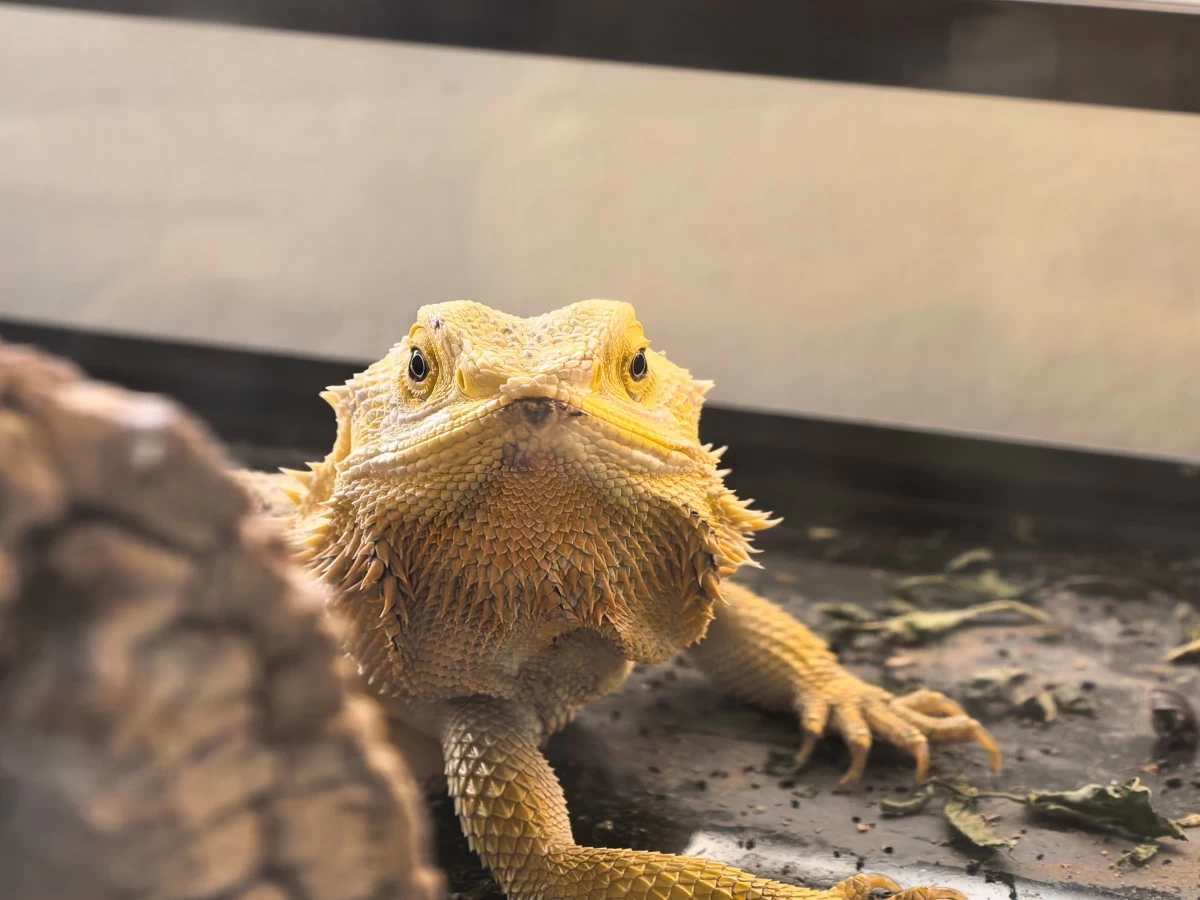
Bearded dragon portrait from outside a glass enclosure– Photo taken using HUAWEI Pura 80 Ultra
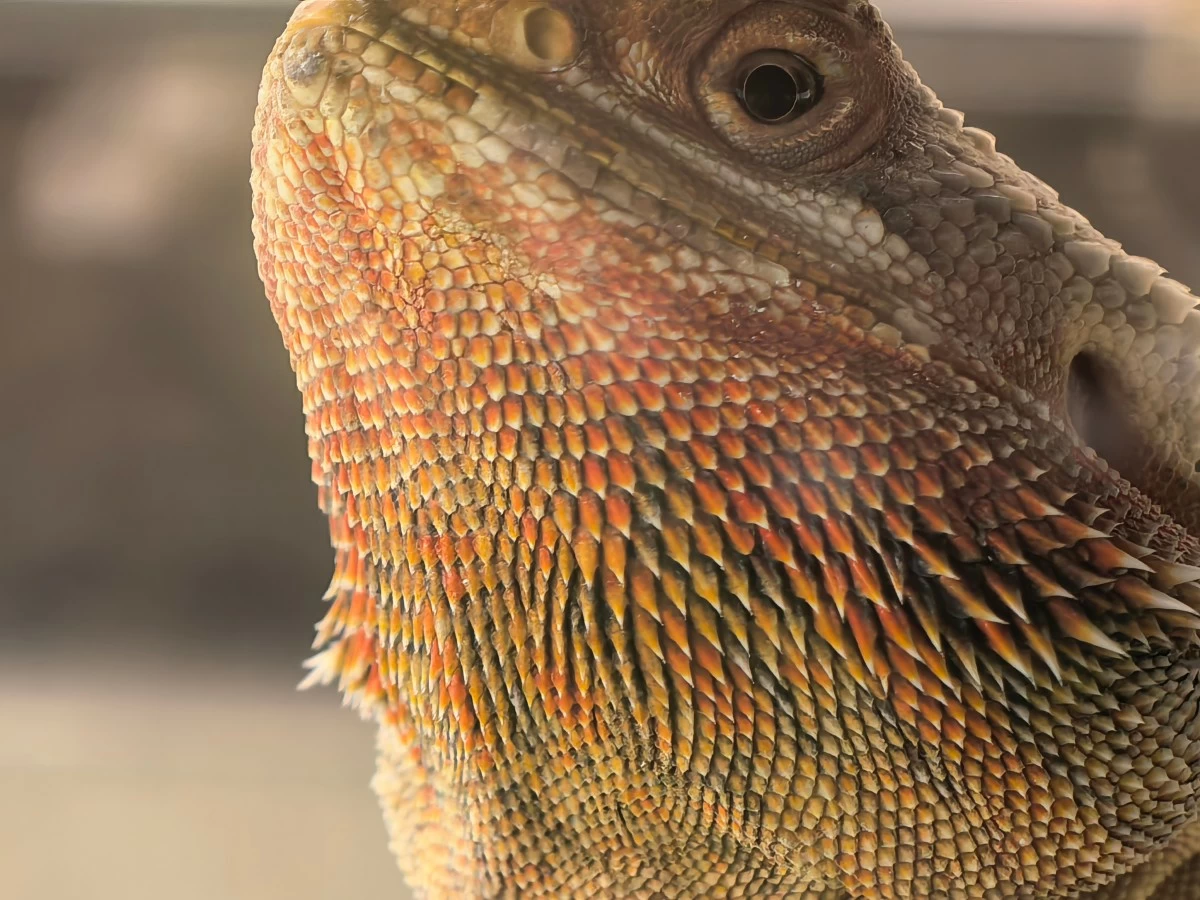
Scale details of bearded dragon from outside of glass enclosure– Photo taken using HUAWEI Pura 80 Ultra

1x Ultra Zoom vs 20x Ultra Zoom scenic shot using HUAWEI Pura 80 Ultra

1x Ultra Zoom vs 20x Ultra Zoom scenic shot using HUAWEI Pura 80 Ultra
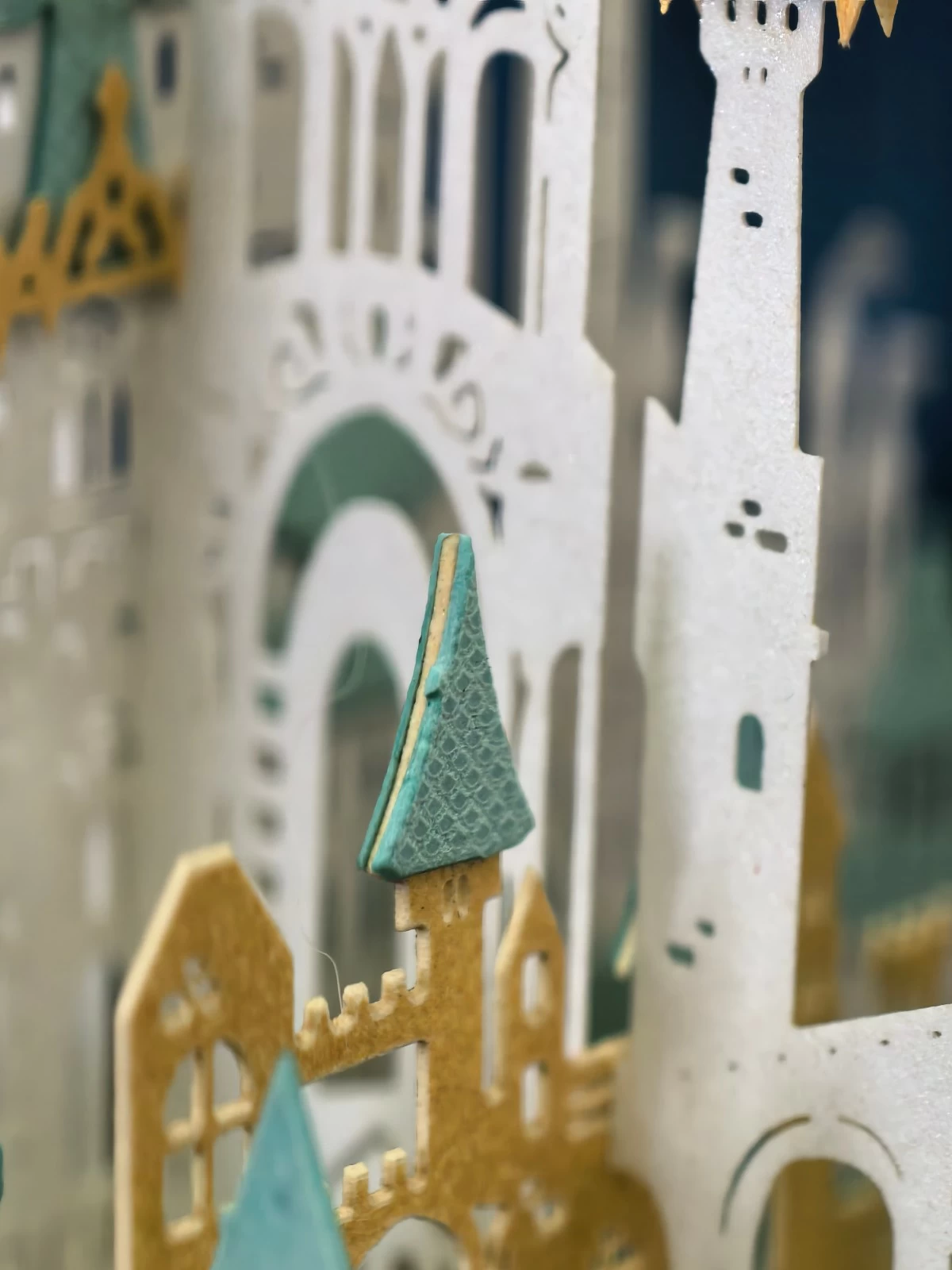
Regular photo and macro shot using HUAWEI Pura 80 Ultra

Regular photo and macro shot using HUAWEI Pura 80 Ultra
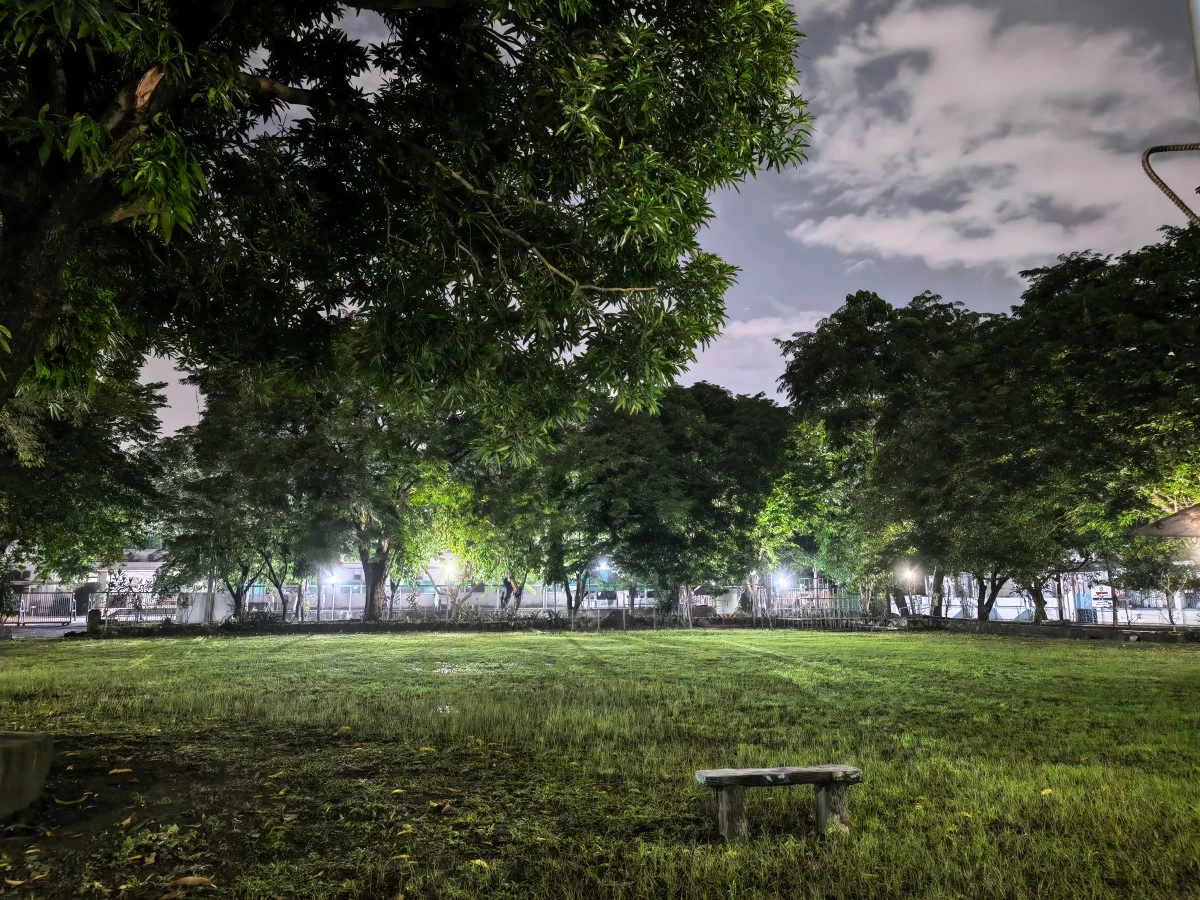
Park at dusk during a gloomy weather – Photo taken using HUAWEI Pura 80 Ultra
With its groundbreaking camera technology, the HUAWEI Pura 80 Ultra can turn everyday moments into magazine-worthy masterpieces. Whether you are taking photos at a concert, capturing a performer or an actor at their peak performance on stage or perhaps zooming in on a bird and its nestlings high in a tree, you can count on sharp, detailed images thanks to its Switchable Dual Telephoto Camera. You can zoom in far (up to 9.4x) or near (3.7x), this innovative setup ensures crisp results with no blur or pixelation. And when the sun goes down, remarkable features like the Ultra Chroma sensor, the Ultra Lighting HDR sensor steps in to deliver brighter, clearer and more colorful and vibrant night shots, even without flash. Wherever life takes you, the HUAWEI Pura 80 Ultra is ready to capture your most authentic moments, near or far, in their purest form.