







ANFREL seeks electoral reforms as 20th Congress opens
By Dhel Nazario
Published Jul 24, 2025 02:33 pm


At A Glance
- ANFREL's final report on the 2025 Philippine elections commends improved transparency and voter participation but urges urgent reforms—especially against political dynasties, vote buying, and disinformation—as the 20th Congress opens.
The Asian Network for Free Elections (ANFREL) has launched its final election observation report on the 2025 Philippine National and Local Elections, commending the Filipino electorate for its robust participation in the May 12 midterm polls, while also outlining critical reforms to strengthen the country’s electoral system.
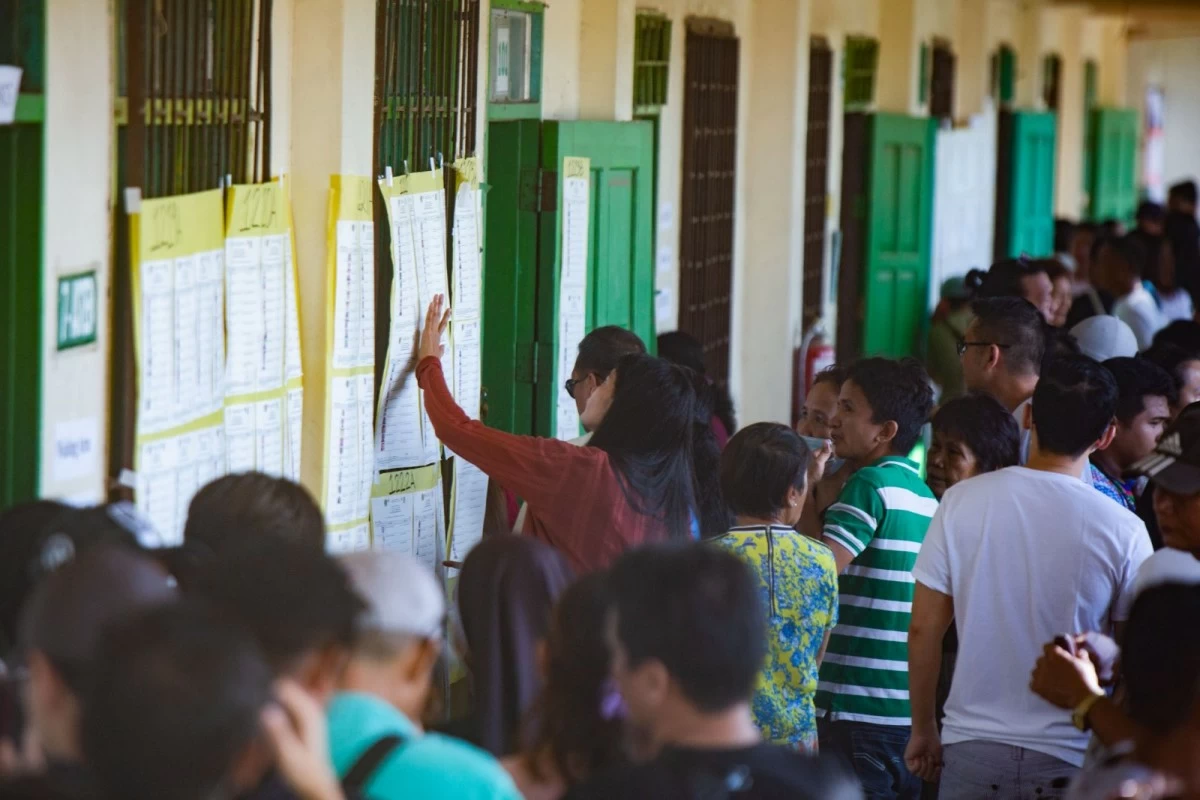
Davao City residents cast their vote in different precincts on May 12, 2025. (Keith Bacongco / Manila Bulletin)
The report, released just a few days before the 20th Congress opens its session, provides a comprehensive assessment of the 2025 elections, describing the political climate as "charged," with heightened polarization, the persistent presence of political dynasties, and an increasingly complex digital information environment.
ANFREL recognized the Commission on Elections (Comelec) for its institutional commitment and key improvements, including expanded early voting hours, accessibility measures, and enhanced transparency through livestreamed audits and source code reviews. The report also noted COMELEC's improved engagement with local civic organizations as a positive development.
However, ANFREL emphasized that systemic issues persist in undermining electoral integrity. These include the pervasive influence of political dynasties, the co-optation of the party-list system, widespread vote buying, and the abuse of state resources.
In its report, ANFREL presented a two-part roadmap for reform: short-term actions that can be implemented administratively, and long-term reforms requiring legislation.
In the first part, ANFREL recommended several measures that Comelec and other institutions can immediately adopt:
- Improved Election Day Operations: Structured reviews of polling day logistics, crowd control, and queue systems, particularly for priority voters.
- Transparency Measures: Publication of precinct-level results, machine transmission logs, and audit outcomes; independent monitoring of manual audits and ACM transport
- Combatting Abuse of State Resources (ASR): Strengthening the Kontra Bigay 2.0 campaign through faster case handling, inter-agency coordination, and voter education.
- Fighting Disinformation: Institutionalizing social media monitoring, working with major platforms on real-time takedowns, and promoting media literacy campaigns, especially for youth and first-time voters.
In the second part, ANFREL urged Congress to undertake structural changes and legal updates to modernize the electoral system:
- Legal Modernization: Amendments to Republic Act No. 9369 and the Omnibus Election Code of 1985 to close legal loopholes, update definitions of offenses, and address digital and automation challenges.
- Inclusion and Oversight: Institutionalization of the VSO with dedicated funding and personnel, expansion of the Political Finance Affairs Department (PFAD), and mechanisms for marginalized sector participation in reform efforts.
- Political Dynasty Regulation: Enactment of a national anti-dynasty law, following models like the Bangsamoro Electoral Code and the Sangguniang Kabataan Reform Act.
- Electoral System Innovation: Legislation for advanced voting mechanisms, expanded Local Absentee Voting (LAV), increased numbers of automated counting machines, and additional electoral board personnel in high-turnout areas.
ANFREL emphasized that the opening of the 20th Congress presents a critical opportunity to institutionalize the democratic gains from the 2025 elections and address the deep-rooted challenges that continue to affect electoral integrity in the country.
The full report is expected to guide civil society, electoral stakeholders, and policymakers in ensuring that the electoral system becomes more inclusive, competitive, and accountable in the years ahead.