






Manila Bulletin
 Business
The Economy
World Bank lauds liberalized rice trade as Philippines moves to restore NFA powers
Business
The Economy
World Bank lauds liberalized rice trade as Philippines moves to restore NFA powers
Business
The Economy
World Bank lauds liberalized rice trade as Philippines moves to restore NFA powers
World Bank lauds liberalized rice trade as Philippines moves to restore NFA powers
Published Jul 22, 2025 01:25 pm


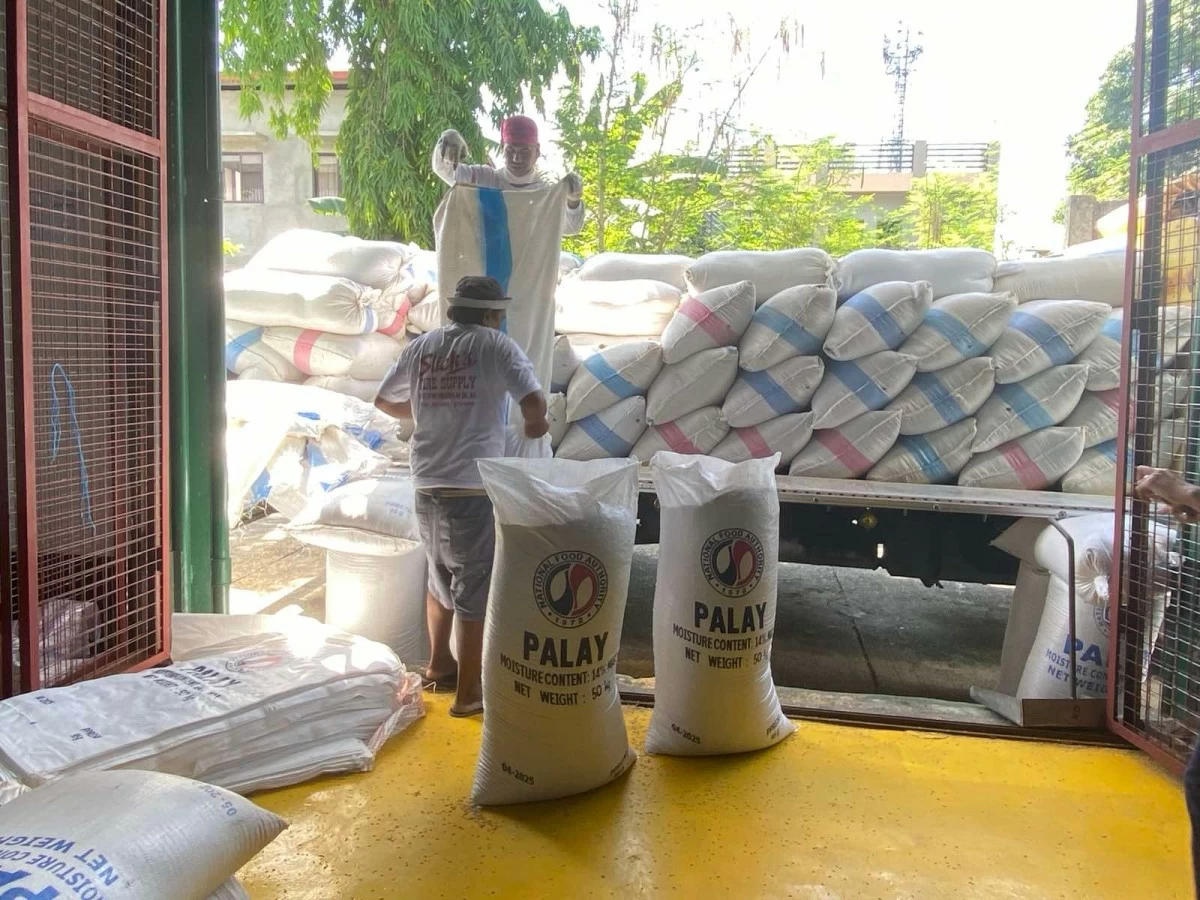
(Dexter Barro II/MANILA BULLETIN)
The World Bank considers liberalized rice trade as a boost to the Philippine agriculture sector, even as the Marcos Jr. administration is moving to reinstate the National Food Authority’s (NFA) old regulatory powers.
“Strategic shifts are underway to reinvigorate transformation of the agriculture sector. Through the Rice Liberalization Act (RTL) [under] Republic Act (RA) No. 11203, extended and amended in 2024, import quotas on rice were abolished, opening up the importation of rice for private traders,” noted the World Bank in a July 20 project information document (PID) for its forthcoming $14.5-million grant for the Department of Agriculture’s (DA) Technical Assistance for Sustainable Agricultural Transformation in the Philippines (TASAT).
As Manila Bulletin reported early this month, the upcoming investment project financing (IPF) for the DA’s TASAT, scheduled for approval by the World Bank board on Sept. 24, is aimed at improving the efficiency of fertilizer subsidies, increasing crop diversification, as well as strengthening institutional delivery capacity in the Philippines.
This grant will be sourced from FoodSystems 2030, an umbrella multi-donor trust fund of the World Bank Group (WBG) that “seeks to help countries transform their food systems and progress towards the Sustainable Development Goals (SDGs), particularly zero poverty and hunger by 2030.”
In the PID, the World Bank lamented that “despite high spending in agriculture, the country has seen poor agriculture sectoral GDP [gross domestic product] growth and declining export growth.”
But for the World Bank, the RTL “has been an important step towards leveling the playing field for non-rice agriculture and has paved the way for strengthening the policy environment for agriculture transformation advocated for several decades.”
“The RTL provides transitional support for rice farmers through the Rice Competitiveness Enhancement Fund (RCEF),” it further noted.
However, the DA is backing the proposed Rice Industry and Consumer Empowerment (RICE) Act—the first measure filed by Leyte 1st district Rep. Martin Romualdez in the 20th Congress, the presumptive speaker of the House of Representatives.
The RICE Act introduces another change to the RTL, particularly to restore the regulatory functions of the NFA to intervene in the rice market and prevent hoarding, profiteering, and price manipulation.
With the RTL’s implementation and subsequent amendment last year, the grains agency has been reduced to buffer-stocking and buying rice from local farmers for emergency use.
Through the RICE Act, the NFA will regain authority to register and license grain warehouses, conduct inspections, and sell rice directly to the public.
DA Secretary Francisco Tiu Laurel last week said that this bill underscores Congress’ commitment to “correct the flaws” in the RTL that have been “exploited by unscrupulous traders to the detriment of our farmers.”
In a report in April, the World Bank pointed out that liberalized rice trade in the Philippines not only pulled prices down but also benefited farmers as well as the poor.
The World Bank deems short-term subsidies—like the so-called “NFA rice” of the past—as ineffective in lifting the food-poor from their plight, as long-term reforms are needed to enhance food security, especially of the Filipino food staple, rice.
“Since the reform, rice prices have declined, but production has continued to grow. Paddy production rose by 5.2 percent in the five years after the [RTL], from 2019 to 2023, compared to the previous five years. The poorest Filipinos benefited the most,” the Washington-based multilateral lender said in a report titled “Strengthening Strategic Grain Reserves to Enhance Food Security.”
The RTL scrapped the import quota or so-called quantitative restriction (QR) slapped on rice for decades, which had shielded local farmers from imports while ballooning the NFA’s debts for subsidizing the NFA rice varieties that had been sold in markets.
In the report, the World Bank pointed to fiscal gains, as rice tariffication provided some relief to the NFA from its mounting debts prior to the law.
When the RTL was first implemented, the food staple experienced deflation, or lower year-on-year prices. However, farmers have been beset by tough competition from an influx of cheaper imported rice, prompting the Marcos Jr. administration to revisit the law.
“When rice prices declined by 17 percent due to the reforms, the poorest households benefited the most” due to the relief from food inflation, the World Bank report said. Food accounts for nearly two-fifths of Filipino households’ expenditures, while rice alone already comprises one-fifth of food inflation.
Before the RTL, the report noted that “the Philippines strictly regulated rice imports, leading to high and volatile prices.”
“As a staple food, rice production was heavily protected, with the NFA as the sole importer. These restrictions led to high import costs and timing issues relative to domestic demand, resulting in price disparities with international markets, smuggling, and discouraging domestic market investment,” the report said.
“Rice prices in the Philippines consistently exceeded international export prices from Thailand and Vietnam, with the gap widening over time. Consequently, the agricultural sector stagnated, with slow productivity growth and limited poverty reduction,” the report added.