







What is the best way to get rid of dandruff?
Know the connection between nutrition and your scalp
By Cheshire Que
Published Jul 21, 2025 09:35 am
|
Updated Jul 21, 2025 06:51 pm


At A Glance
- Sebum or oil is necessary to keep the scalp moisturized. Overproduction, however, will make the dandruff-causing fungus proliferate.
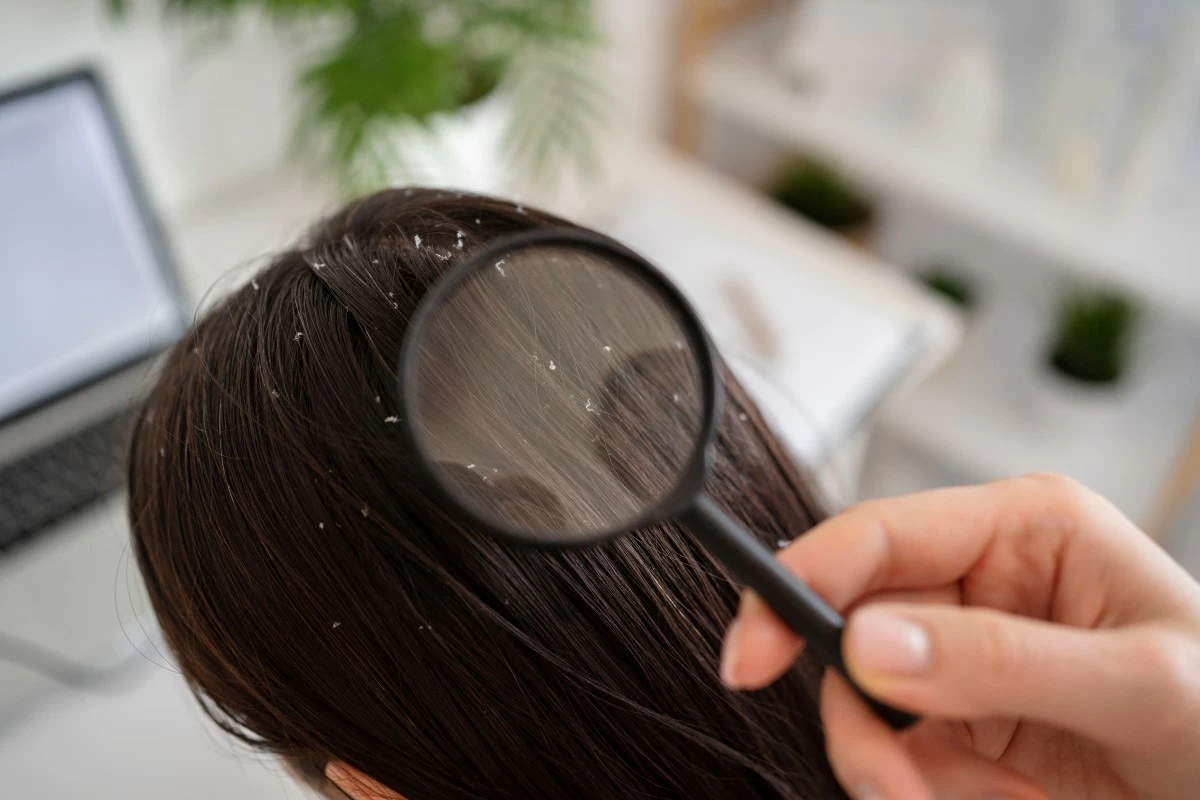
Image from Freepik
Over 55 percent of the world’s population has been suffering from physical discomfort and social embarrassment due to dandruff. Have you been suffering from dandruff for so long? Have you found temporary relief from medicated shampoos, only to experience flare-ups in a seemingly cyclical manner?
If you live in a tropical country where humidity is always high, the chances of getting an itchy and flaky scalp from a fungus known as Malassezia globosa are high. This fungus thrives on the scalp by feeding off the sebum or oil that glands produce in the scalp lining. This process produces a by-product called oleic acid that triggers scalp inflammation characterized by an increase in the shedding of skin cells in the form of flakes or dandruff.
Sebum or oil is necessary to keep the scalp moisturized. Overproduction, however, will make the dandruff-causing fungus proliferate. There are many factors that contribute to sebum production and inflammation, such as stress and increased oxidative stress. These increase the production of the stress hormone cortisol that stimulates the sebaceous glands in the scalp to produce oils. However, stress is ever-present, and we need to develop healthy coping mechanisms to manage it.
The most important thing to pay attention to if you want to get rid of chronic dandruff is your diet. What you eat will either feed or starve and eventually kill the dandruff-causing fungus invading your scalp.
How is your intake of refined sugars? Carbs are not all bad. It is the type of carbs that matters. Sugar from fruits and whole grains is good for the scalp. If packaged snacks like cookies, biscuits, chips, white bread, pastries, milk, white chocolates, candies, sugary beverages like milk tea, instant coffee, and juices that aren’t 100 percent fruit juices or fresh are your sources of sugar, then you are never going to get rid of those unwanted flakes. After all, fungi feed on sugar too.
This is the reason why we need to choose the carbs that will not cause our blood glucose levels to go sky high and further increase the body’s inflammatory response. Choose carbohydrates that contain fiber. This blunts the effect of spikes in blood sugar level. Fiber from fruits, vegetables, and whole grains like black, red, or brown rice, oats, quinoa, and adlai will regulate the absorption of sugar in the intestines and blood. Toss those chocolate bars and chips that you love to snack on. Replace them with a simple boiled sweet potato or a piece of banana. Get your sugar fix from wholesome carbohydrate sources that will help feed the beneficial bacteria in your intestines. These friendly bacteria will keep the dandruff-causing fungus at bay.
As you avoid sources of simple sugars, there are other plant parts or botanicals that can kill fungus and give relief from dandruff.
Berberine
The roots and bark of this shrub contain compounds that have antimicrobial, including antifungal properties. While not a primary treatment for dandruff, Berberine can be taken in pill form to help kill fungus in the body. It also regulates blood glucose levels. Therefore, preventing spikes in blood glucose level that compromises the immune system due to increased inflammatory response in the body. When the immune system is weakened, fungus will thrive and cause dandruff.
Grapeseed
The seeds of Vitis Vinifera, the grapevine that produces grapes for wine and the fruit we commonly see available in the market and fruit shops, have been shown to have anti-fungal properties. This is due to its high proanthocyanidin content. This is a type of phytochemical and antioxidant that not only reduces inflammation but also destroys the structural integrity of fungal cell walls. Thereby weakening the fungus and making it susceptible to damage. Grapeseed extract can also inhibit the enzymatic activity that promotes fungal growth. Grapeseed is available in pill form or oil that can be added to natural infusions for topical application.
Green tea
The only true tea is from the Camellia Sinensis plant. Green tea leaves from this plant contain the phytochemical epigallocatechin gallate (EGCG). This compound is best known for its heart health benefits and anti-cancer properties. Unbeknownst to many, the EGCG is a potent antifungal compound. Three to five cups of green tea can be taken in a day. It is best to drink wholesome sources of EGCG from tea leaves instead of taking isolated EGCG in the form of pills or extracts.
When it comes to combating the stubborn fungus Malassezia globosa, it is important to avoid or significantly reduce the intake of junk food that is high in refined sugars and unhealthy fats because they both cause inflammatory responses in the body that weaken the immune system. Thus, disrupting the beneficial bacteria in the gut. This gives the pathogenic fungi an environment to multiply. In addition, eating fiber-rich carbohydrates like fresh fruits, vegetables, and whole grains will help in blood glucose control. Thereby, depriving the fungi of nourishment. These plant food sources also contain antioxidants and phytochemicals that quell inflammation in the scalp. Make healthier food choices and say goodbye to dandruff for good.