







LG chases the heat
Tripling down on high-performance AI cooling
By Len Amadora
Published Jul 15, 2025 04:46 pm


LG Electronics is making significant strides to position its ES Company as a global provider of heating, ventilation, and air conditioning (HVAC) solutions. The company places particular focus on AI-powered cooling systems designed for data centers.
As artificial intelligence continues to advance, managing the substantial heat generated by the powerful AI chips has become a major challenge. Conventional air cooling methods are struggling to keep up.
LG is seizing the opportunity to advance thermal management with a diverse portfolio of cooling technologies specifically designed to meet the demands of data centers. These solutions include: Liquid cooling systems that use coolant distribution units (CDU) to directly cool server chips, Chiller-based air cooling systems designed to support large-scale facilities, and HVAC solutions that are compatible with direct current (DC) power environments.
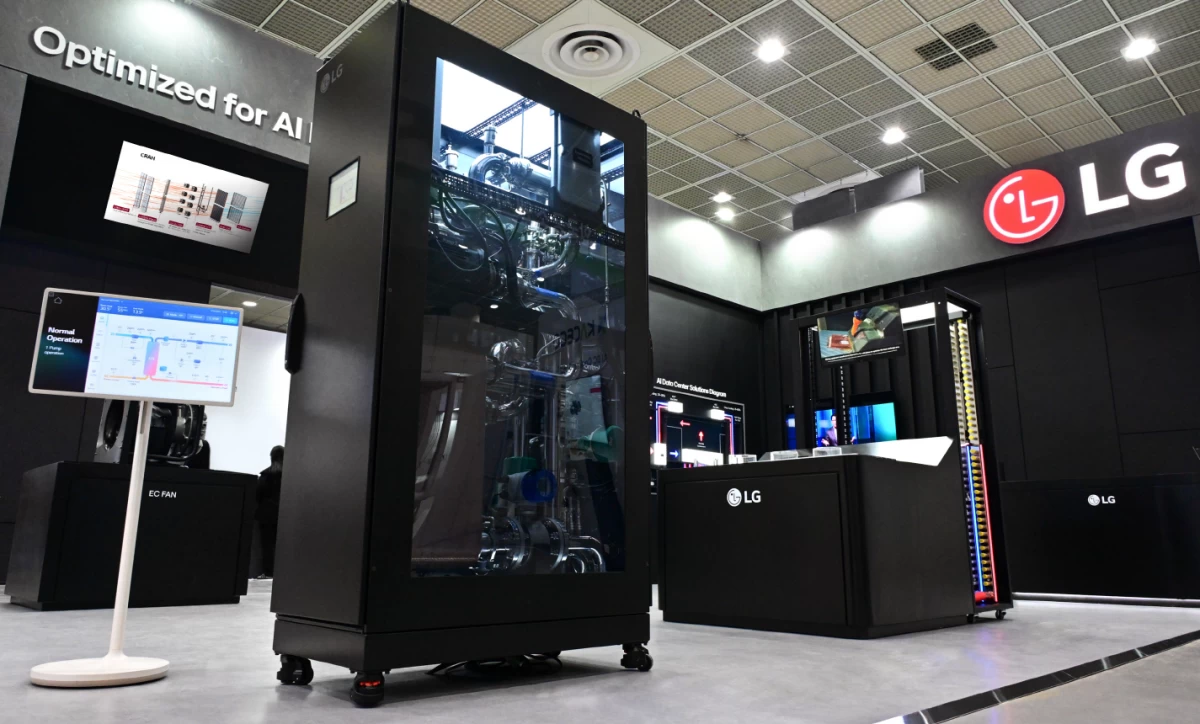

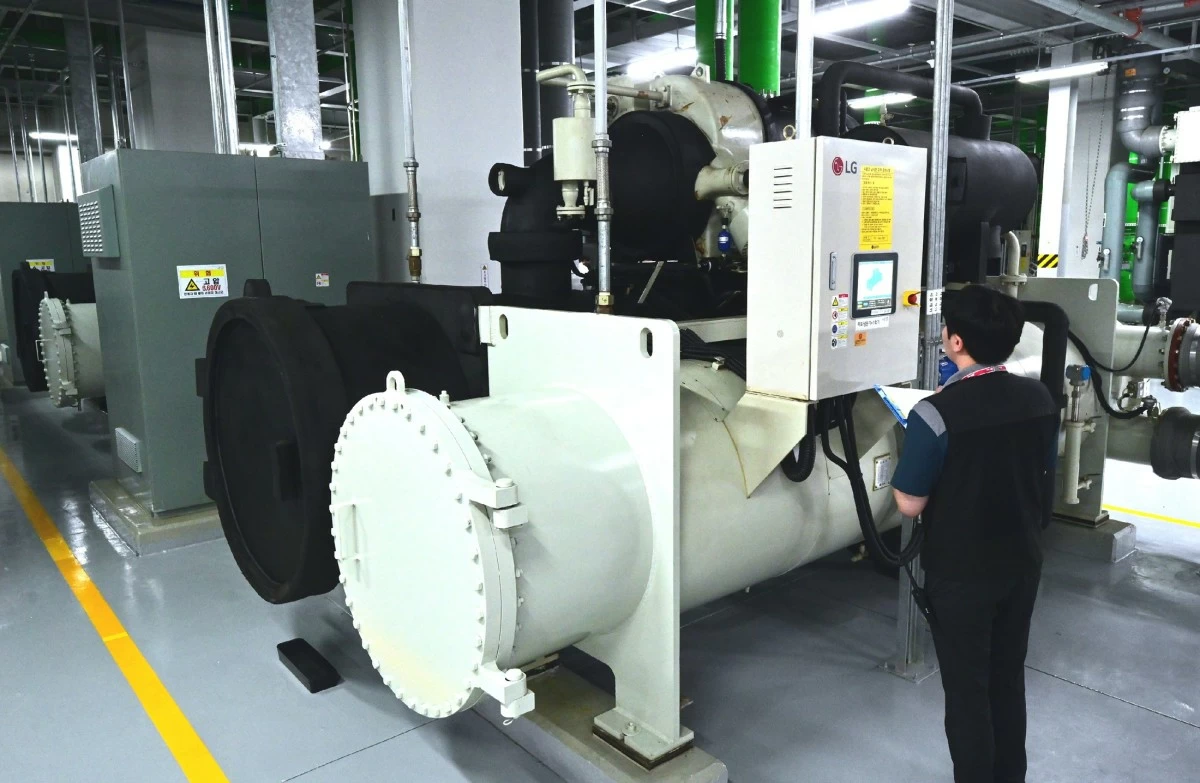
A dedicated R&D unit optimizing cooling through data center simulations
As LG confidently expects to more than triple orders for its data center cooling solutions in 2025 compared to the previous year,
LG has established the LG AI Data Center HVAC Solution Lab at its Pyeongtaek chiller plant. This testbed simulates various AI server environments and ensures their solutions are optimized for the complex demands of AI.
LG is targeting USD 720 million in chiller sales within the next two years, positioning this business as a key driver of its future growth.
The company is likewise pilot testing its liquid cooling technology in collaboration with LG U+, a South Korean telecommunications provider. This partnership aims to validate and fine-tune LG's thermal management capabilities in real-world data center environments.
The "3B Strategy" fuels expansion
To strengthen its position in the HVAC market, LG is executing its "3B strategy":
Build, as it develops internal expertise through initiatives like the LG AI Data Center HVAC Solution Lab.
Borrow, as it forms strategic R&D partnerships with academic institutions and key players, and
Buy, as it pursues acquisitions such as the recent purchase of OSO, a leading provider of water heating solutions in Europe.
With an ambitious goal to increase its market share from 10% to 20%, LG is also accelerating growth in non-hardware revenue. This includes: Building Energy Control (BECON), an AI-based real-time energy analytics, and Digital twin systems that enhance HVAC efficiency by accurately predicting server heat generation.
As AI continues to expand worldwide, the surge in data center construction presents a critical challenge: traditional cooling systems are falling short. As a result, demand for advanced HVAC solutions is rising sharply.
According to James Lee, President of the LG ES Company, the company is aiming to become the leading name in data center cooling for the AI era. But it is not just about selling equipment; LG is focused on shaping the future of thermal management.