ADVERTISEMENT

A first taste of The Test Kitchen: Chef Josh Boutwood's mastery on every plate

From cured hamachi to truffle-stuffed chicken, this acclaimed Makati restaurant justifies the hype

Published Jul 14, 2025 12:27 pm
The Test Kitchen is not new, not by any stretch. It has been spoken of with admiration by food lovers and industry watchers alike. And yet, walking into its doors for the first time still manages to feel like a quiet discovery. After years of hearing its name passed around with reverence, experiencing the food firsthand at its Rockwell address brings clarity. Now it is easy to see why the praise has lasted.
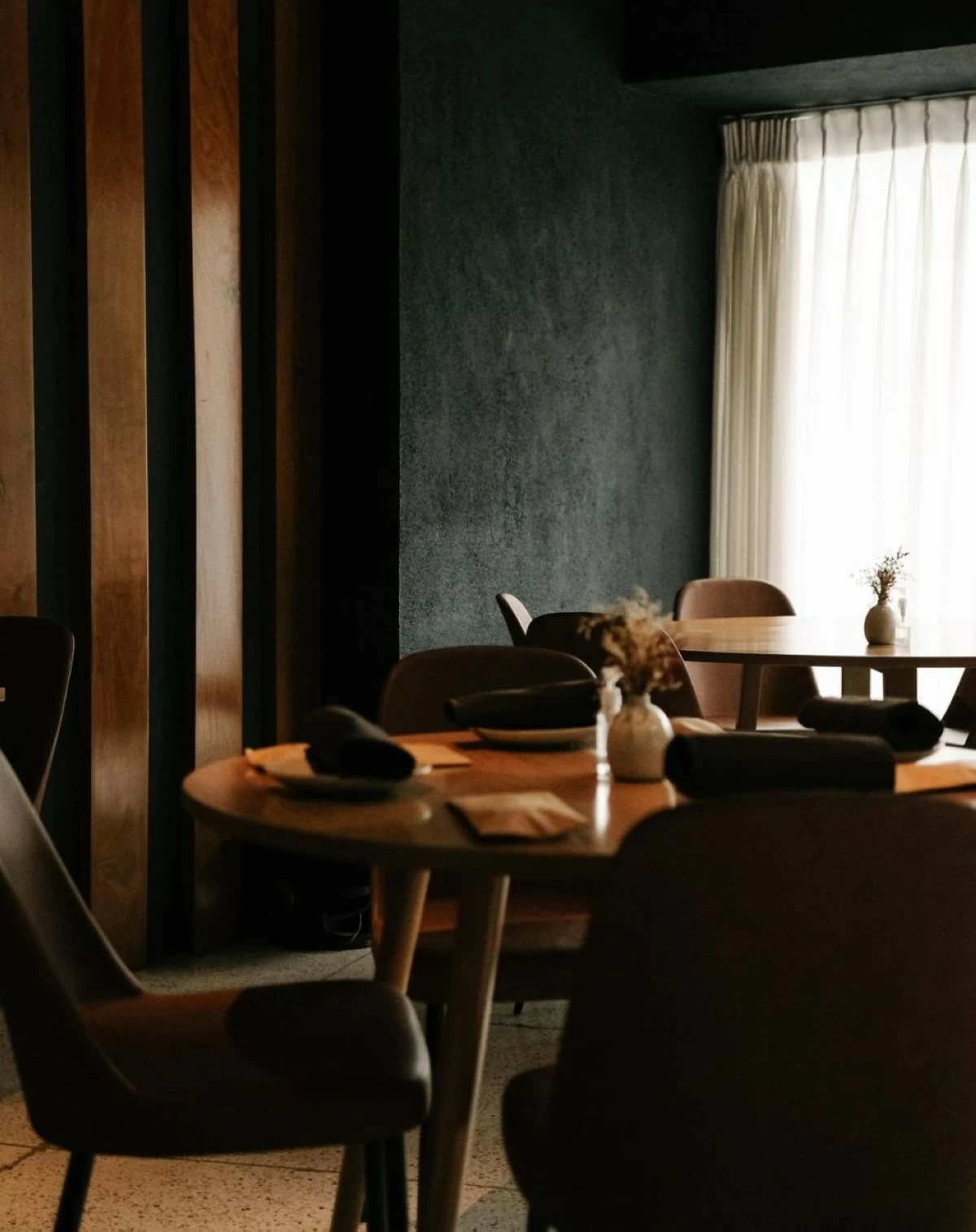
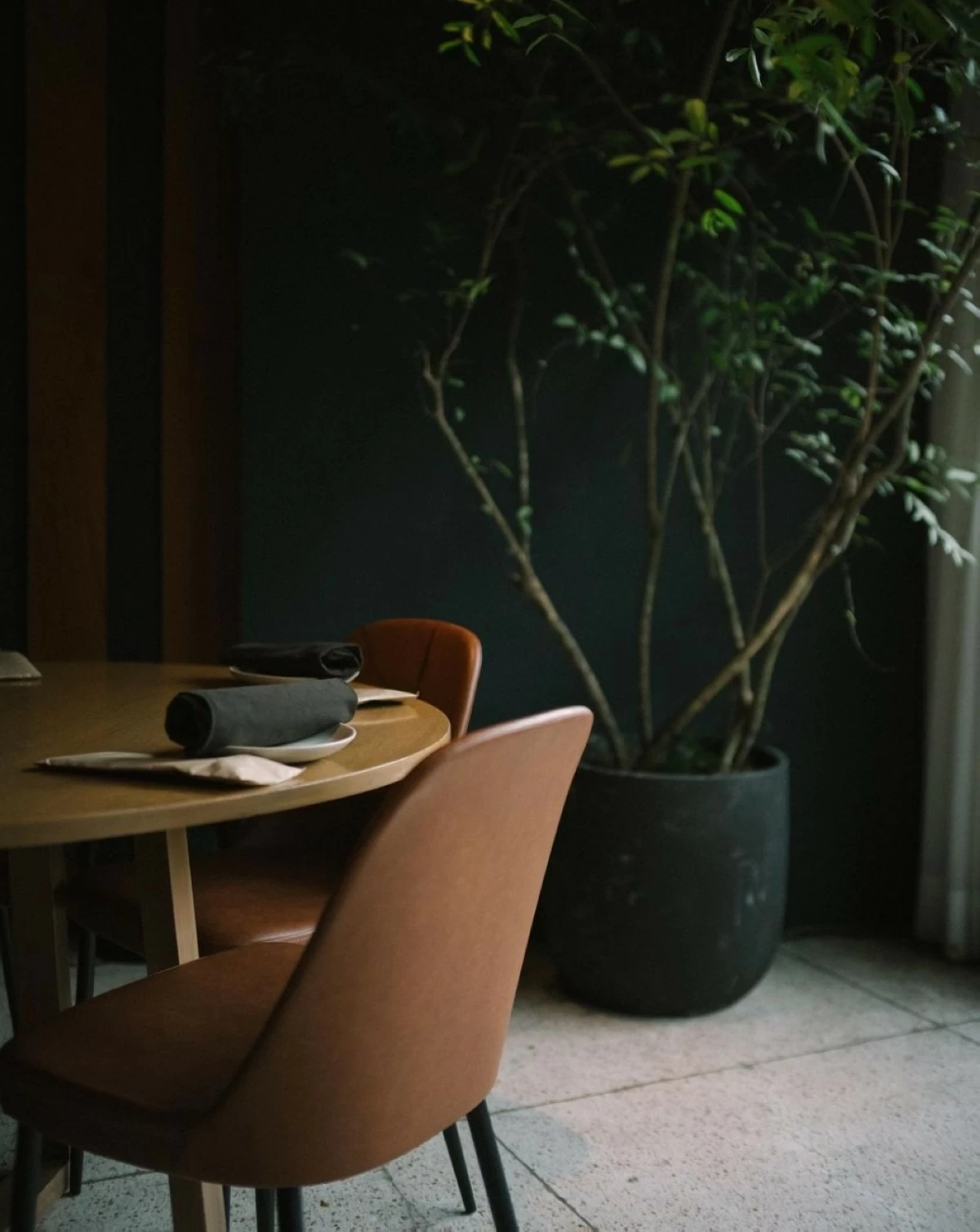
Founded by Chef Josh Boutwood, The Test Kitchen began as a small, almost hidden establishment along Kamagong Street in Makati. It was known then as a kind of chef’s playground, a place of experimentation and fluid ideas. A spot for those who cared about food, but didn’t mind the lack of pomp. In 2019, it moved to a more posh space at One Rockwell East Tower, bringing with it the same philosophy of ingredient-focused cooking, now paired with the kind of atmosphere that allows the food to take its time.
This visit marks a first for this author. Despite the accolades and loyal following, The Test Kitchen remained a name more heard than personally experienced. Until now.
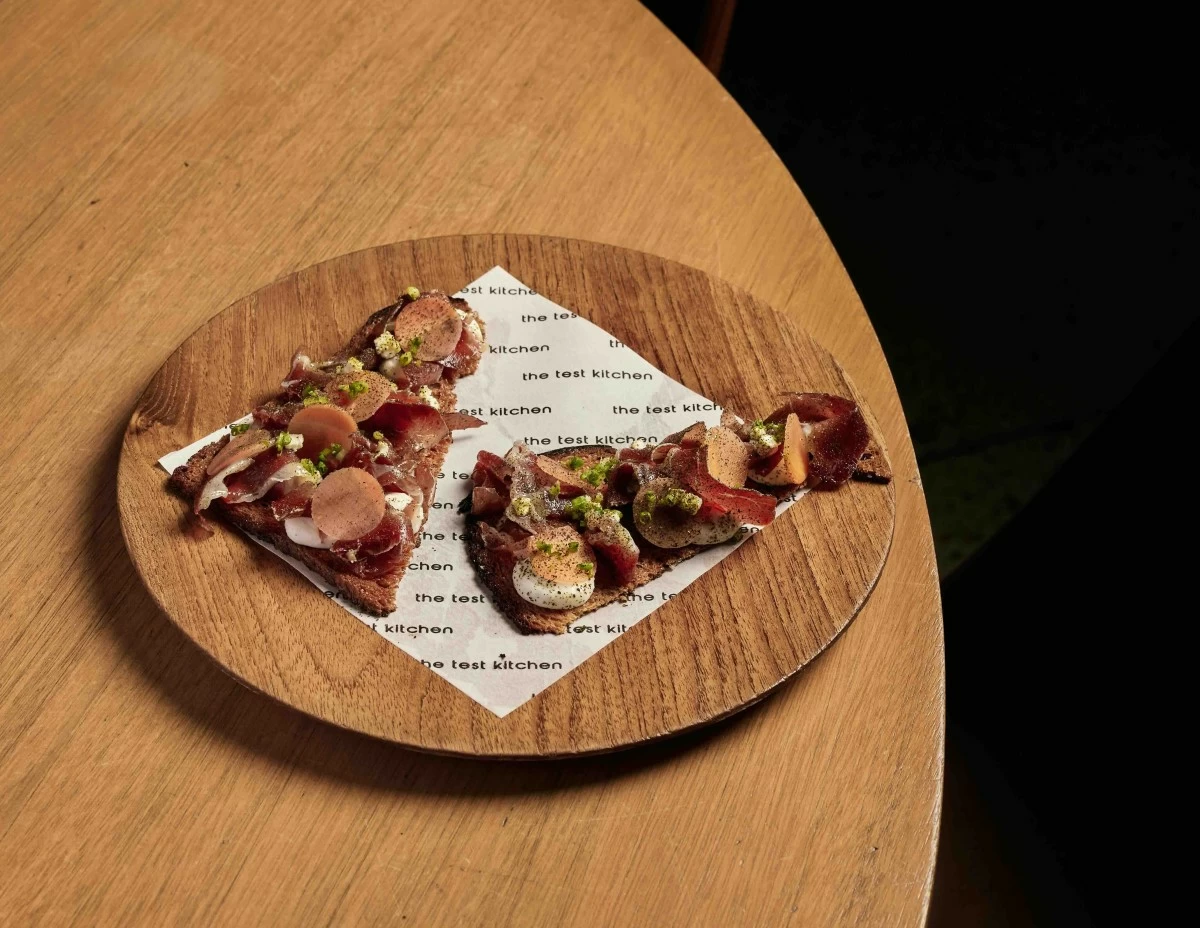
Dinner begins with a series of starters, each one small but clear in purpose. The Cured Hamachi is delicate, dressed with ponzu, garlic scapes, and orange. It is light but not fleeting. The flavor lingers, bright and briny. Duck Prosciutto on toast follows. Cured French duck breast rests on a small square of brioche, with pickled carrots, garlic emulsion, and a touch of feta. The contrast in textures, the sharpness of the carrot and cheese against the richness of the duck, is well-measured. Then comes the Serrano ham with tomato. There is nothing unnecessary on the plate. The ham is thin and silky, the tomato fresh. It tastes like it should, which is to say, of itself.
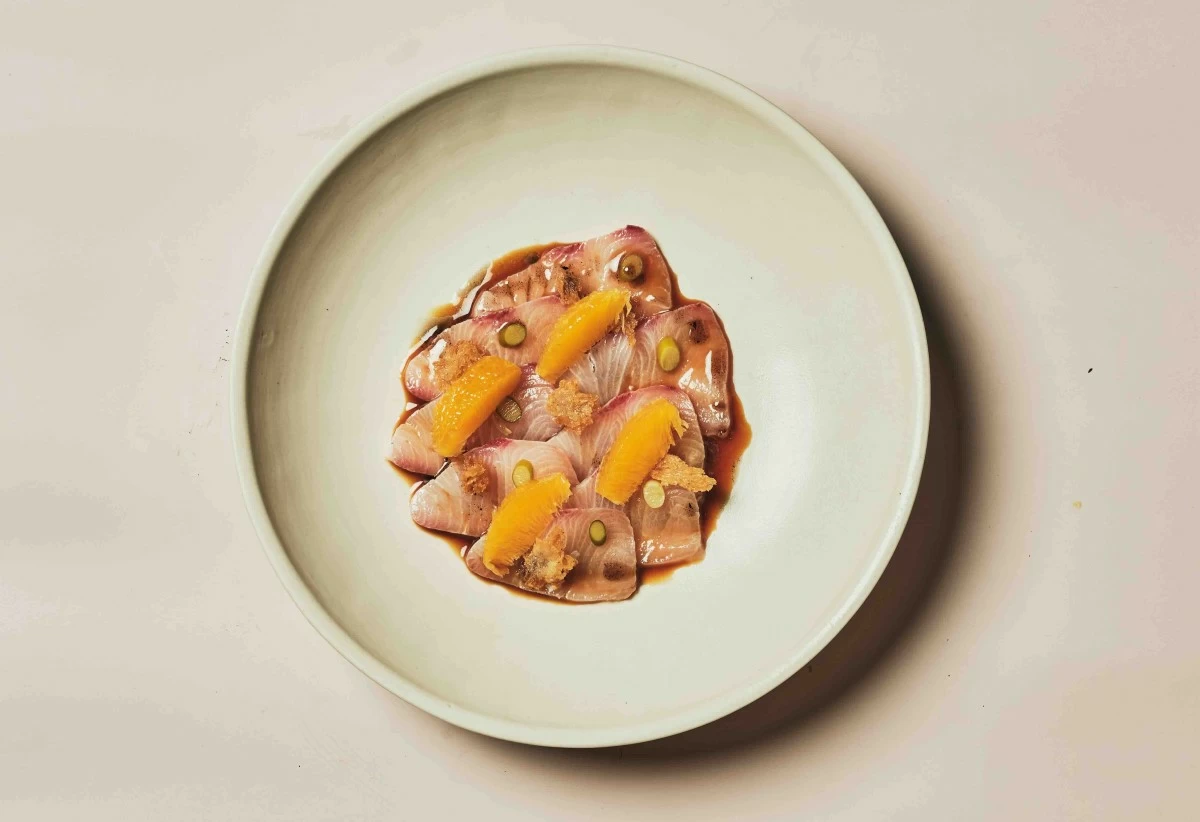
Cured Hamachi
Cured Hamachi
Honey Comb
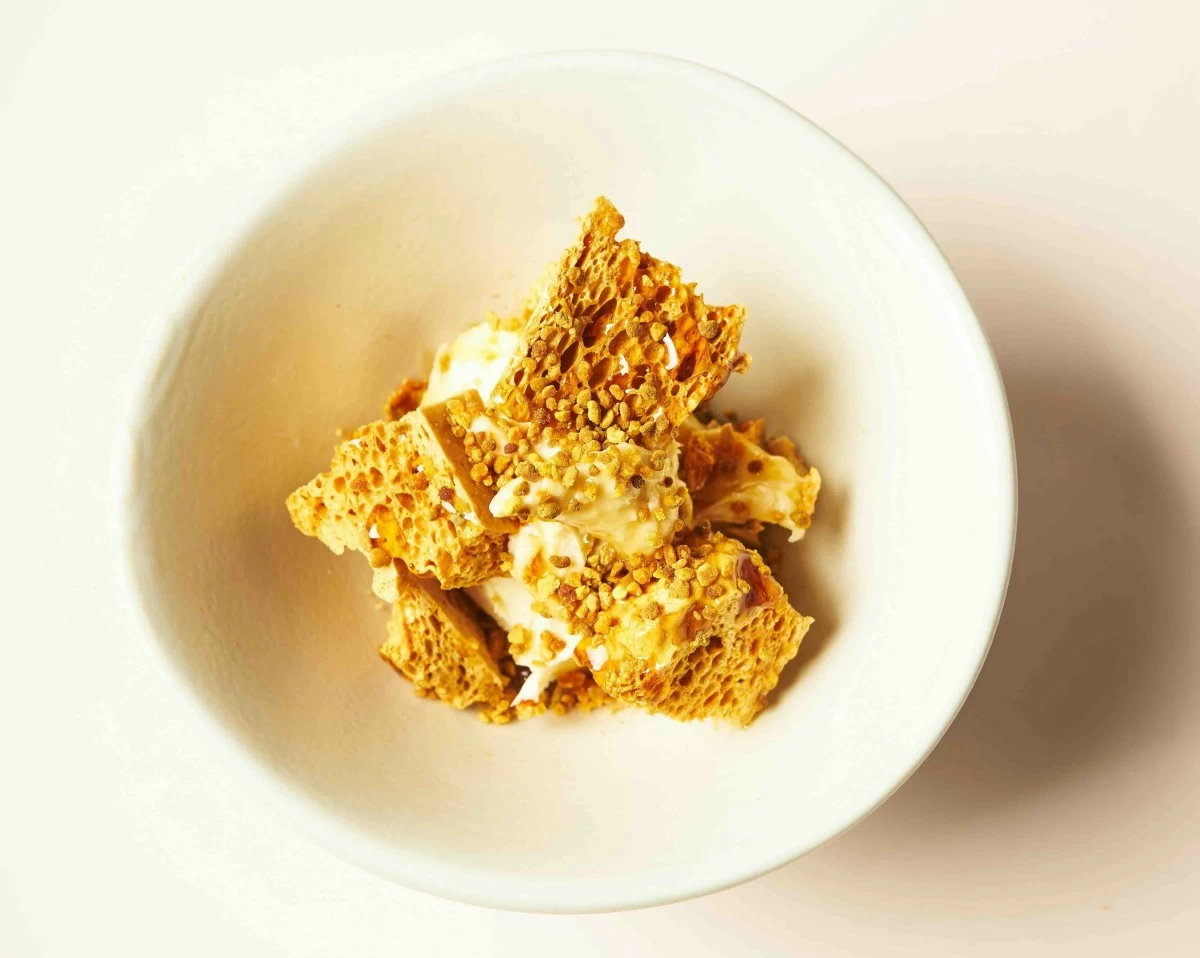
Honey Comb
Chilean Sea Bass
Chilean Sea Bass
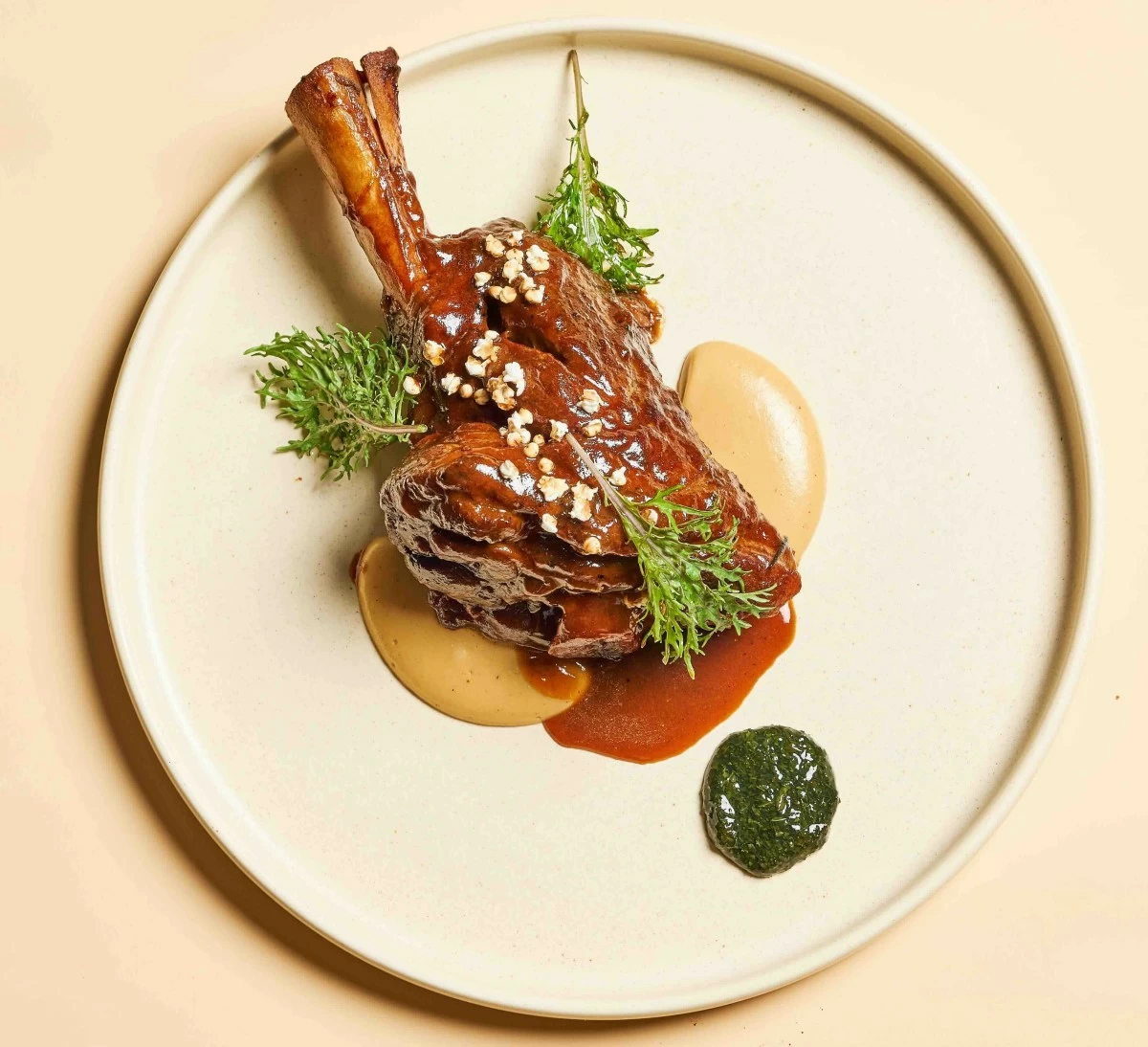
Lamb Shank
Lamb Shank
Duck Prosciutto on Toast
The meal builds slowly. There is no rush. The servers work quietly, letting each dish arrive with space to breathe. The first entrée is Chilean Sea Bass, placed on a bed of cauliflower purée. The fish is cooked clean, soft to the touch. It sits in a pool of smoked dashi, its umami lifted further by house-made XO sauce. It is the kind of dish that could have easily tipped into excess, but here it finds balance.
Then, a Berkshire Pork Chop. It is thick but not heavy. The meat is pink at the center, seared just enough. A caper and mustard cream ties the flavors together, rich but not overwhelming. Each bite is tender and carries the memory of the pan. The truffle-stuffed Chicken Breast is more subdued in flavor, but thoughtful in execution. Served with both white onion purée and caramelized onion purée, it plays with depth and sweetness. The truffle inside is not loud, but present, enough to make itself known.
A Lamb Shank follows. It is less elaborate in flavor but satisfies in a different way. The meat is soft and generous. The dish comes with mushrooms and mint, a pairing that gives earth and freshness. Nothing about it shouts for attention, but it leaves an impression.
Dessert is not fussy. The Honey Comb is simple to look at, but rich and sweet. It does not compete with the courses that came before it. It closes the meal gently. But perhaps the true marker of the kitchen’s identity comes earlier in the meal. The house sourdough is served warm, the butter cold and thick. It is a dish in itself. Or maybe it is a promise, quiet and firm, that what follows will matter.
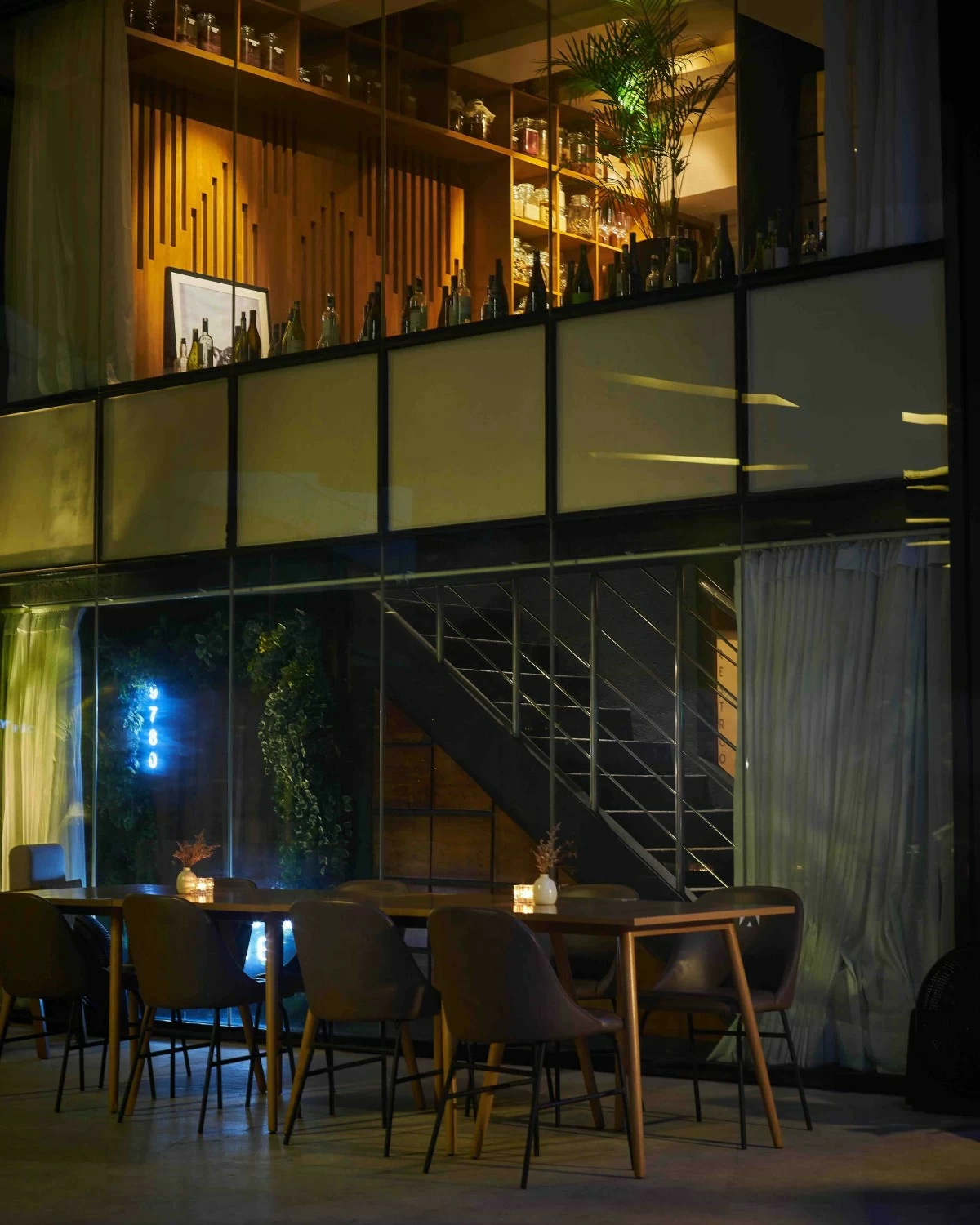
The Test Kitchen facade
The restaurant’s name carries weight, but there is no singular cuisine that defines the place. The Test Kitchen draws from wherever Chef Boutwood’s mind takes him. Sometimes it is European in style, other times it leans Asian, and often it falls somewhere in between. It is not bound to tradition, nor does it chase trends. Its seasonal menu shifts with what is best at the time, often fermented, cured, or pickled in-house. These elements speak to the discipline and curiosity behind the kitchen. Upstairs, a more private dining area houses further experiments. But downstairs, in the main room, the food already tells a complete story.
For a first visit, the experience carries weight. There is no flash, no forced theater. Just steady hands, clean flavors, and the kind of cooking that holds your attention without demanding it. The Test Kitchen has long been a name on the list. After this visit, it deserves to stay on it.
ADVERTISEMENT
.most-popular .layout-ratio{ padding-bottom: 79.13%; } @media (min-width: 768px) and (max-width: 1024px) { .widget-title { font-size: 15px !important; } }

{{ articles_filter_1561_widget.title }}

.most-popular .layout-ratio{ padding-bottom: 79.13%; } @media (min-width: 768px) and (max-width: 1024px) { .widget-title { font-size: 15px !important; } }

{{ articles_filter_1562_widget.title }}

.most-popular .layout-ratio{ padding-bottom: 79.13%; } @media (min-width: 768px) and (max-width: 1024px) { .widget-title { font-size: 15px !important; } }

{{ articles_filter_1563_widget.title }}

{{ articles_filter_1564_widget.title }}

.mb-article-details { position: relative; } .mb-article-details .article-body-preview, .mb-article-details .article-body-summary{ font-size: 17px; line-height: 30px; font-family: "Libre Caslon Text", serif; color: #000; } .mb-article-details .article-body-preview iframe , .mb-article-details .article-body-summary iframe{ width: 100%; margin: auto; } .read-more-background { background: linear-gradient(180deg, color(display-p3 1.000 1.000 1.000 / 0) 13.75%, color(display-p3 1.000 1.000 1.000 / 0.8) 30.79%, color(display-p3 1.000 1.000 1.000) 72.5%); position: absolute; height: 200px; width: 100%; bottom: 0; display: flex; justify-content: center; align-items: center; padding: 0; } .read-more-background a{ color: #000; } .read-more-btn { padding: 17px 45px; font-family: Inter; font-weight: 700; font-size: 18px; line-height: 16px; text-align: center; vertical-align: middle; border: 1px solid black; background-color: white; } .hidden { display: none; }
function initializeAllSwipers() { // Get all hidden inputs with cms_article_id document.querySelectorAll('[id^="cms_article_id_"]').forEach(function (input) { const cmsArticleId = input.value; const articleSelector = '#article-' + cmsArticleId + ' .body_images'; const swiperElement = document.querySelector(articleSelector); if (swiperElement && !swiperElement.classList.contains('swiper-initialized')) { new Swiper(articleSelector, { loop: true, pagination: false, navigation: { nextEl: '#article-' + cmsArticleId + ' .swiper-button-next', prevEl: '#article-' + cmsArticleId + ' .swiper-button-prev', }, }); } }); } setTimeout(initializeAllSwipers, 3000); const intersectionObserver = new IntersectionObserver( (entries) => { entries.forEach((entry) => { if (entry.isIntersecting) { const newUrl = entry.target.getAttribute("data-url"); if (newUrl) { history.pushState(null, null, newUrl); let article = entry.target; // Extract metadata const author = article.querySelector('.author-section').textContent.replace('By', '').trim(); const section = article.querySelector('.section-info ').textContent.replace(' ', ' '); const title = article.querySelector('.article-title h1').textContent; // Parse URL for Chartbeat path format const parsedUrl = new URL(newUrl, window.location.origin); const cleanUrl = parsedUrl.host + parsedUrl.pathname; // Update Chartbeat configuration if (typeof window._sf_async_config !== 'undefined') { window._sf_async_config.path = cleanUrl; window._sf_async_config.sections = section; window._sf_async_config.authors = author; } // Track virtual page view with Chartbeat if (typeof pSUPERFLY !== 'undefined' && typeof pSUPERFLY.virtualPage === 'function') { try { pSUPERFLY.virtualPage({ path: cleanUrl, title: title, sections: section, authors: author }); } catch (error) { console.error('ping error', error); } } // Optional: Update document title if (title && title !== document.title) { document.title = title; } } } }); }, { threshold: 0.1 } ); function showArticleBody(button) { const article = button.closest("article"); const summary = article.querySelector(".article-body-summary"); const body = article.querySelector(".article-body-preview"); const readMoreSection = article.querySelector(".read-more-background"); // Hide summary and read-more section summary.style.display = "none"; readMoreSection.style.display = "none"; // Show the full article body body.classList.remove("hidden"); } document.addEventListener("DOMContentLoaded", () => { let loadCount = 0; // Track how many times articles are loaded const offset = [1, 2, 3, 4, 5, 6, 7, 8, 9, 10]; // Offset values const currentUrl = window.location.pathname.substring(1); let isLoading = false; // Prevent multiple calls if (!currentUrl) { console.log("Current URL is invalid."); return; } const sentinel = document.getElementById("load-more-sentinel"); if (!sentinel) { console.log("Sentinel element not found."); return; } function isSentinelVisible() { const rect = sentinel.getBoundingClientRect(); return ( rect.top < window.innerHeight && rect.bottom >= 0 ); } function onScroll() { if (isLoading) return; if (isSentinelVisible()) { if (loadCount >= offset.length) { console.log("Maximum load attempts reached."); window.removeEventListener("scroll", onScroll); return; } isLoading = true; const currentOffset = offset[loadCount]; window.loadMoreItems().then(() => { let article = document.querySelector('#widget_1690 > div:nth-last-of-type(2) article'); intersectionObserver.observe(article) loadCount++; }).catch(error => { console.error("Error loading more items:", error); }).finally(() => { isLoading = false; }); } } window.addEventListener("scroll", onScroll); });

Sign up by email to receive news.