







A rising tide of flavor and flair in Cebu
At the newly Michelin-recommended NUSTAR Hotel, luxury isn't just in the suites or the view. It's in every course, every bite, and every small, perfect detail.
Published Jul 9, 2025 07:16 am



We arrived at NUSTAR Hotel just as the afternoon light turned gold, gilding the marble floors of the soaring lobby. The sea shimmered beyond the windows, calm and silent. A butler, composed and ready, met us before we could ask for help. We would not need to lift a finger. And for the next 48 hours, we didn’t.
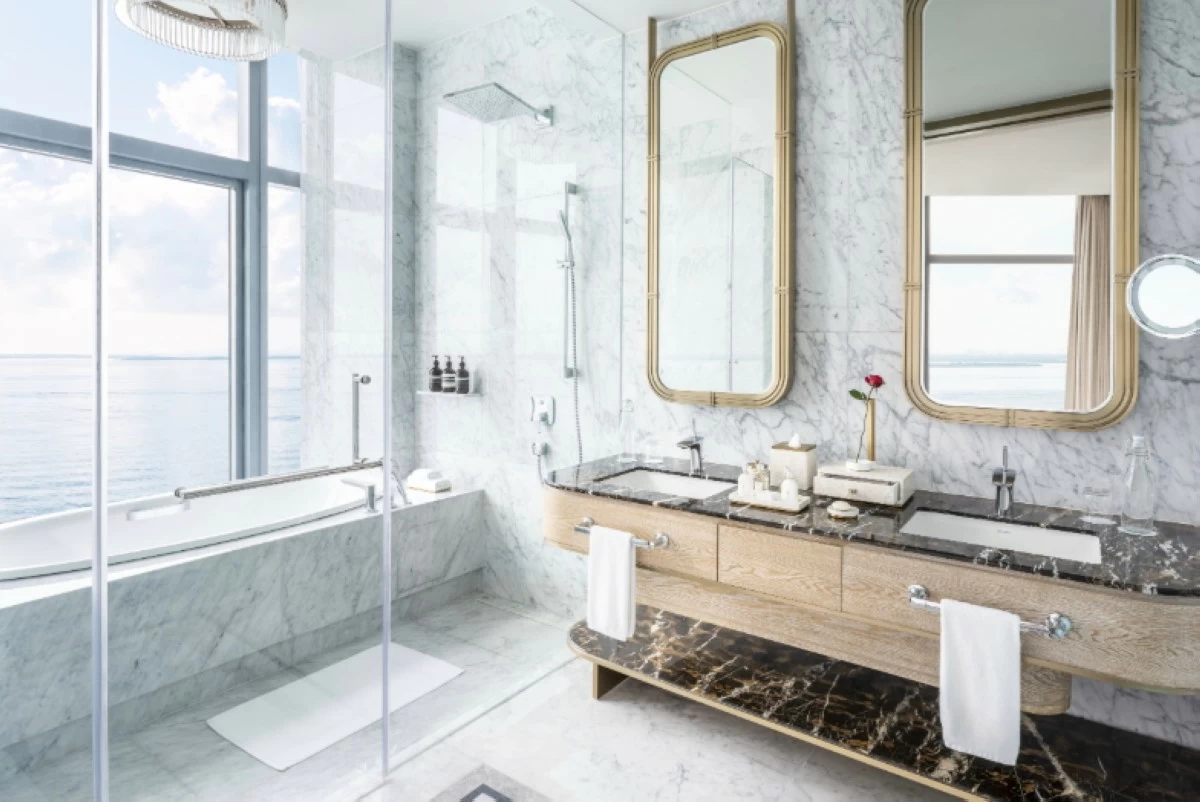
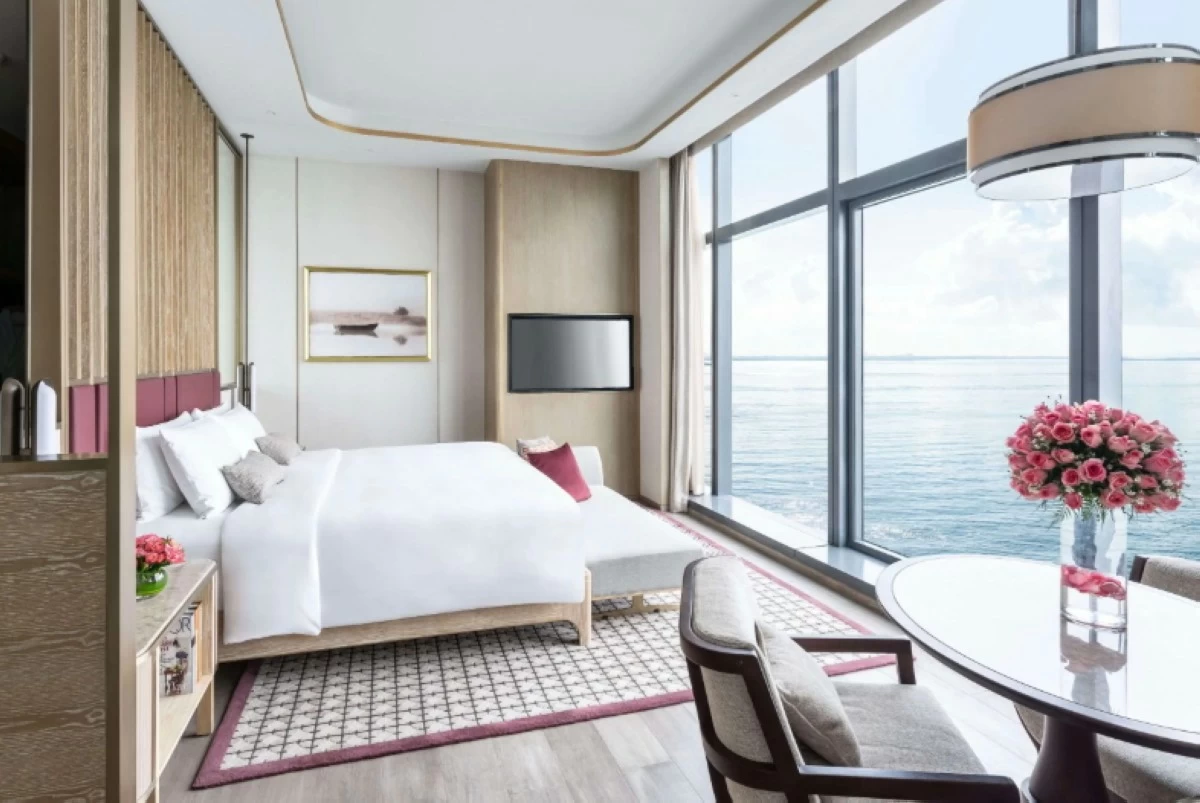
Our rooms were studies in restraint and indulgence. Clean lines, soft light, polished stone. Warm honey woods framed the bed. Crimson accents hinted at drama. The curtains parted on their own when we entered, revealing a view of the Mactan Channel and, in the distance, the graceful arc of the Cebu–Cordova Link Expressway. In the bathroom, veined marble bathed in natural light surrounded a deep tub that faced the same sea. Guerlain toiletries lined the sink like little trophies of taste. But it wasn’t just the aesthetics. What made it different was the attention. Our butler, anticipating our curiosity, asked if we were the type to hunt local delicacies. We mentioned chicharon. He nodded, already on it.
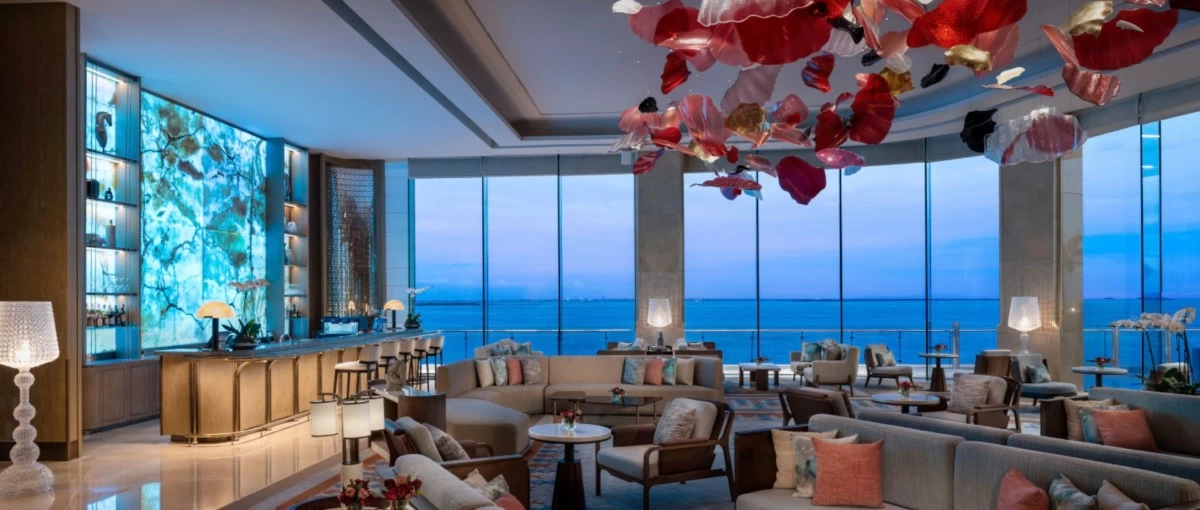
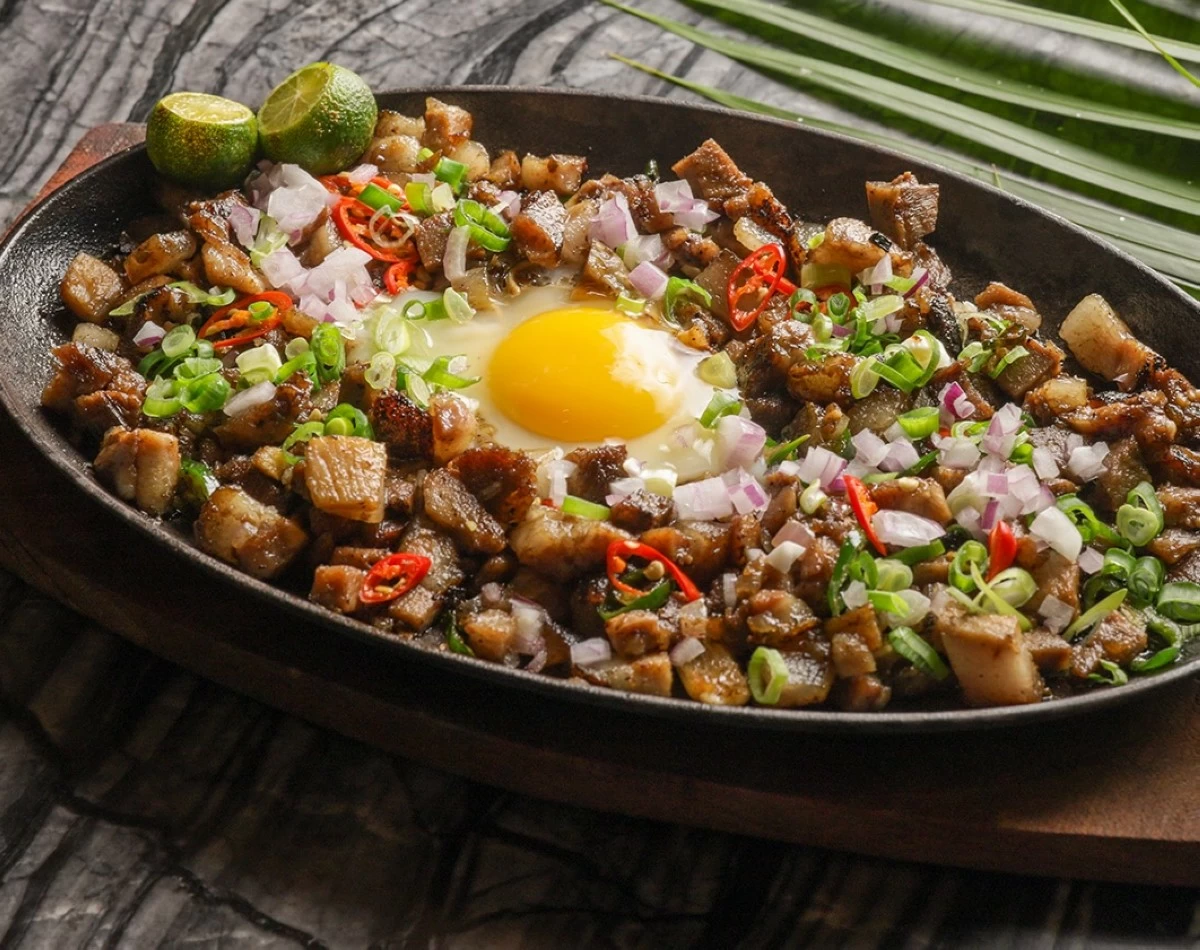
By morning, a small paper bag of Carcar’s finest—the kind that crackles then melts in salt and fat—was on our breakfast table. But it was only the first stop in what became a daylong food crawl that may well be the reason to stay at NUSTAR in the first place.
We began at Fina, where Filipino flavors were treated with reverence, not reinvention. The rice was piping hot, served in a small woven basket. A bowl of sinigang, its broth just tart enough to tighten the jaw, came loaded with fresh shrimp whose shells we peeled slowly, fingertips sticky with tamarind. There was pork belly lechon with thin skin blistered to a glassy crunch, laid beside atchara that cut through the richness with sharpness and spice. The lumpia was crisp and peppery. The bistek was tender with calamansi-soaked onions that clung to every forkful. Nothing was fussy, yet every element was exact.
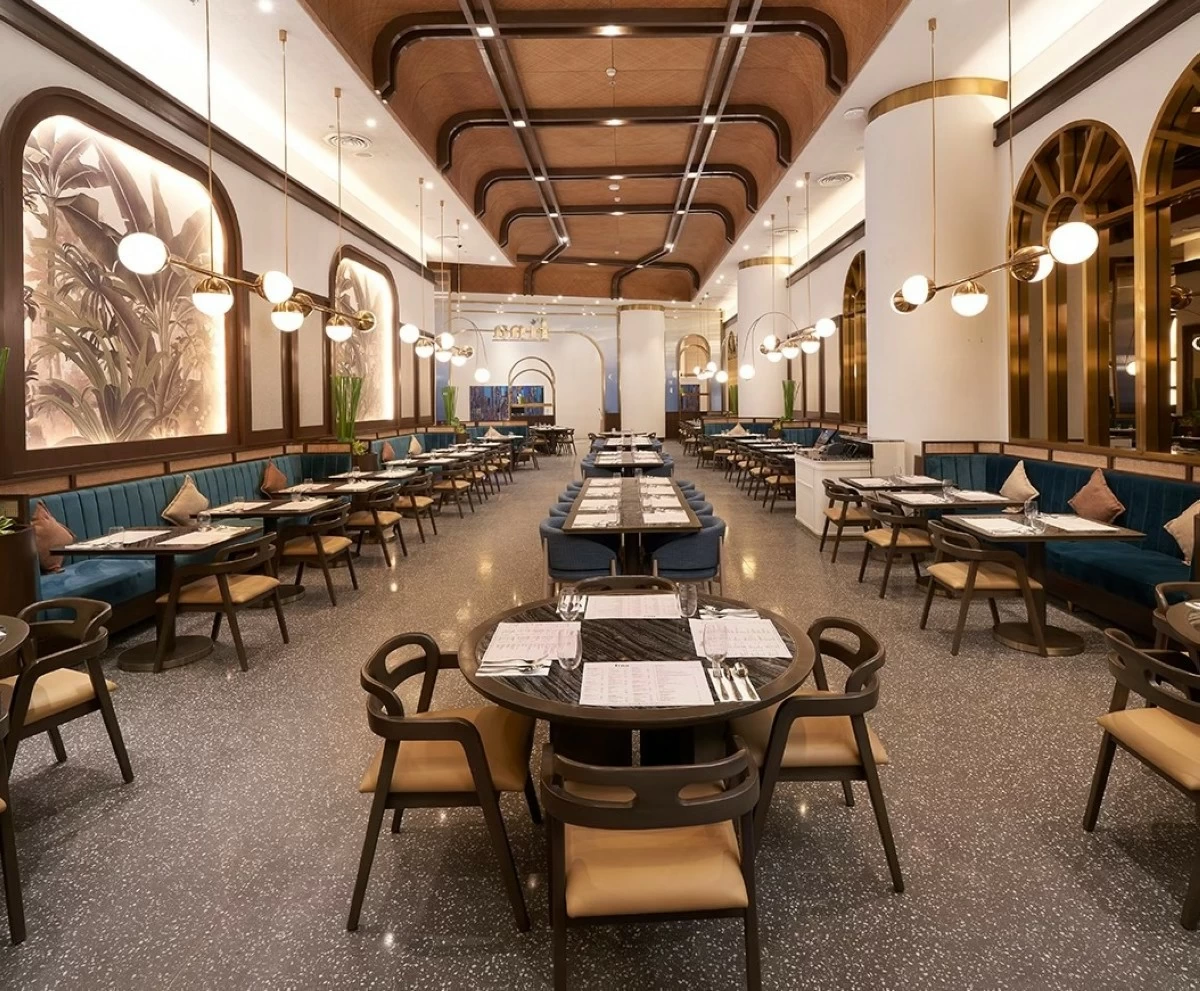
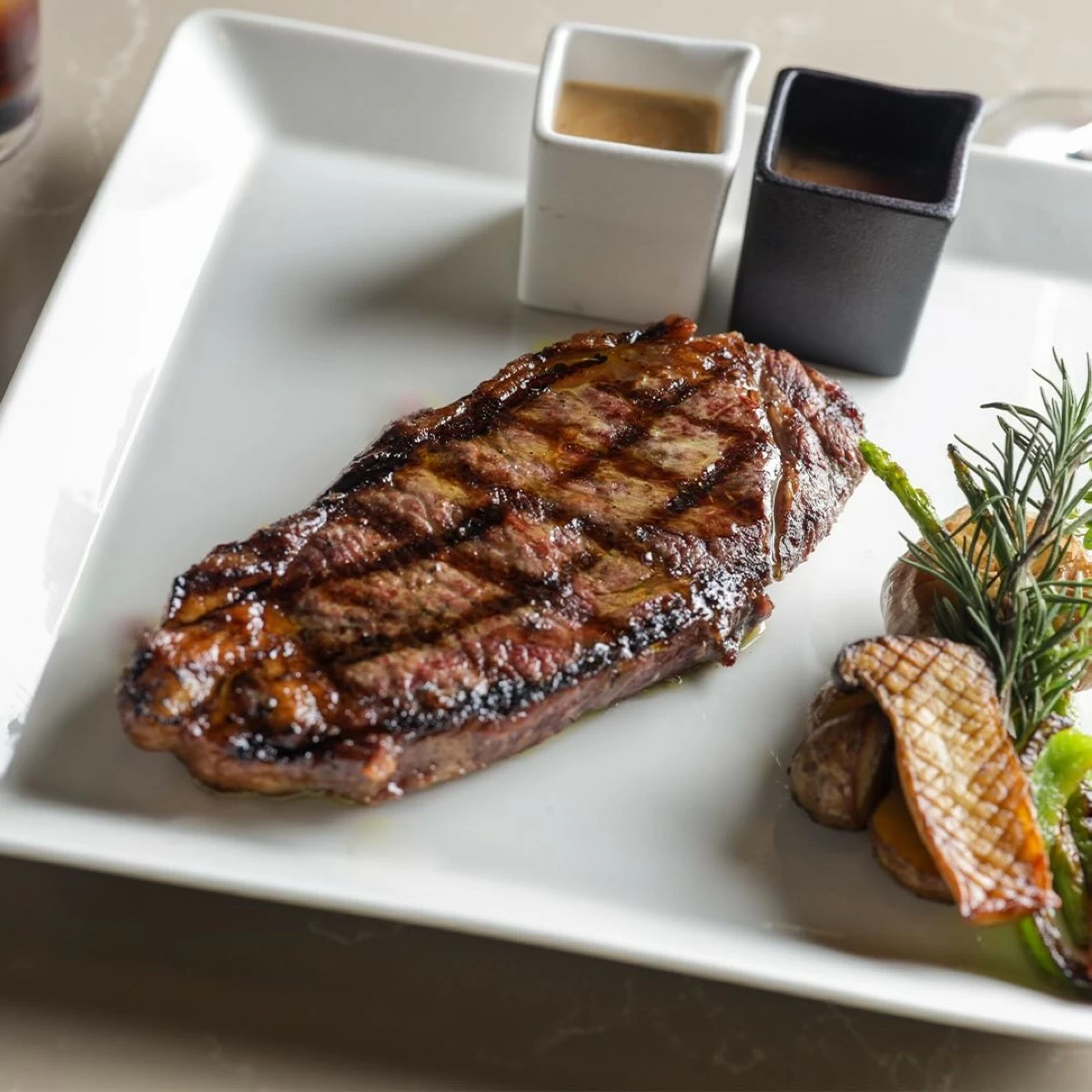
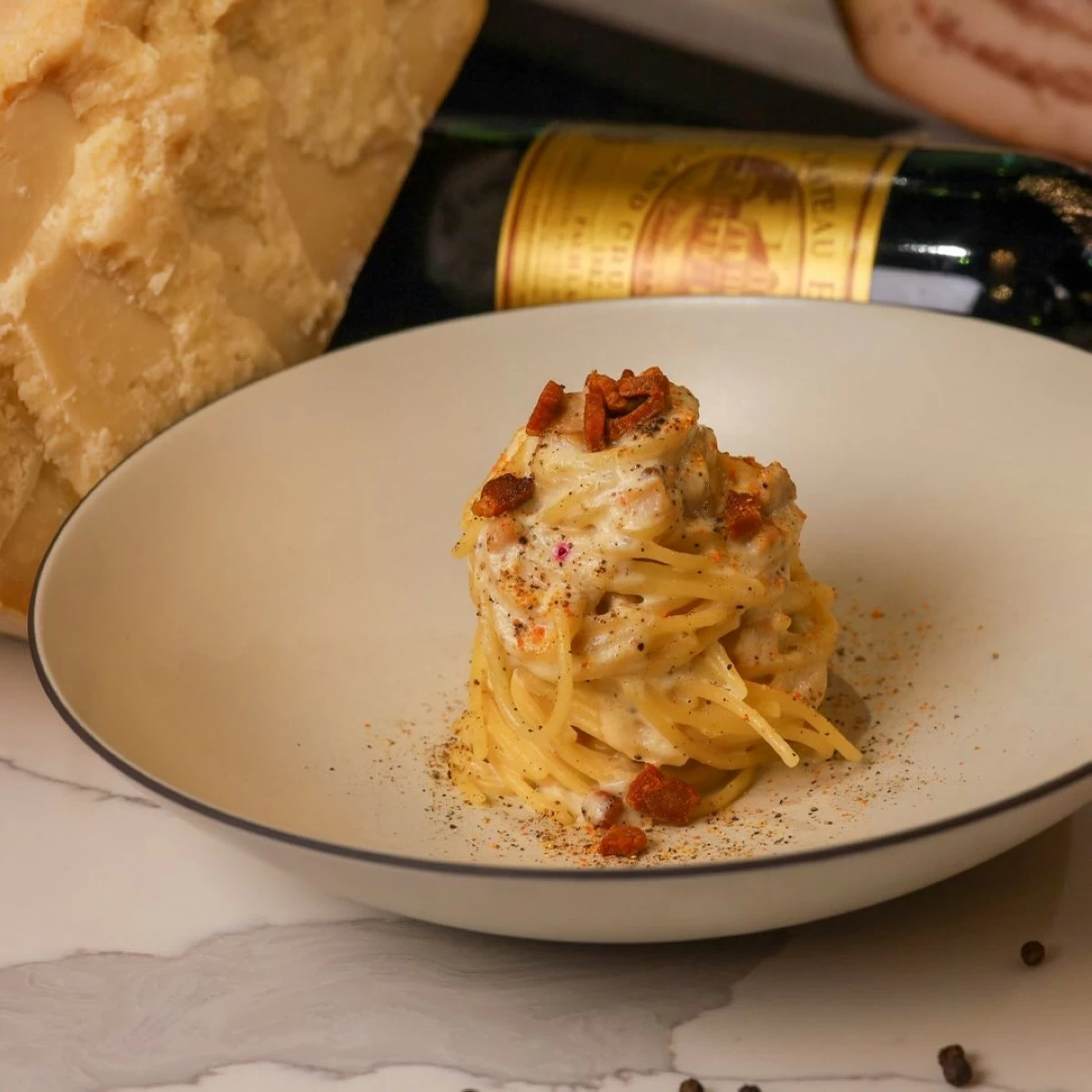
We walked off breakfast in the resort’s long arcades, past boutiques and soft jazz piped through clean air. Later, lunch brought us to Il Primo, the kind of Italian steakhouse that is less about flash and more about flavor. The beef carpaccio came first, ruby-thin and spread across a cold plate, drizzled with olive oil so green it nearly looked unreal. Then came risotto, creamy and dense, studded with wild mushrooms and finished tableside with Parmigiano that melted as it touched the grains. The steak arrived next, a thick-cut Angus ribeye crusted from fire and pink at the center. We sliced it slowly, savoring the char, the juice, and the simplicity of salt and pepper that let the meat speak for itself. The wine list was long, but the sommelier found us a bottle that matched the weight of the dish, all dark fruit and structure. We finished with a tiramisu that was more cream than cake and all the better for it.
Dinner, though, was something else entirely.
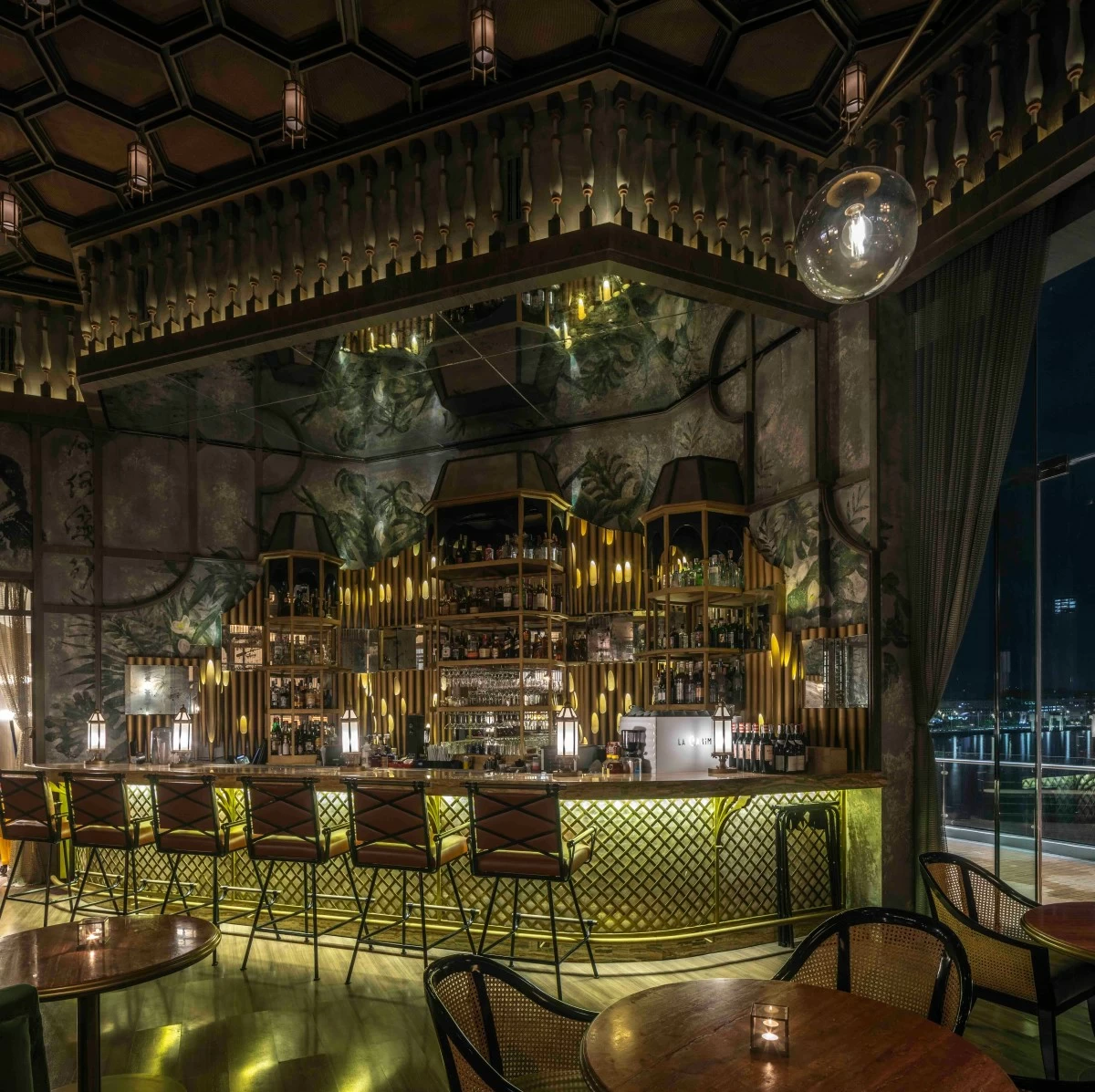
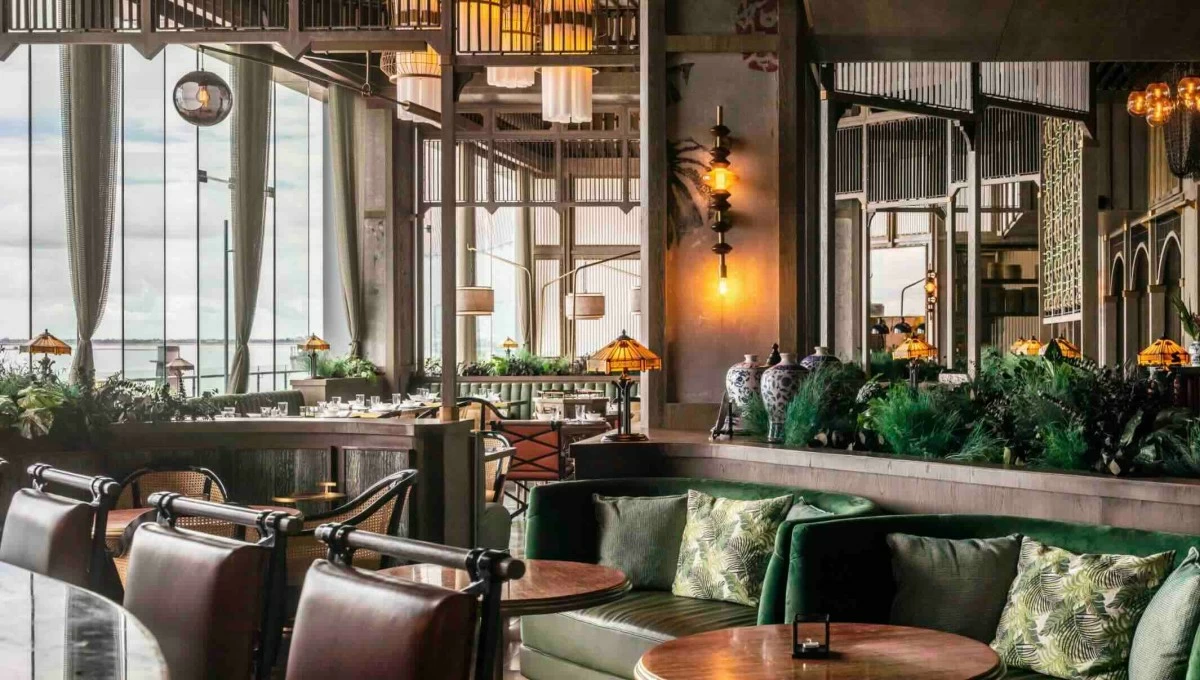
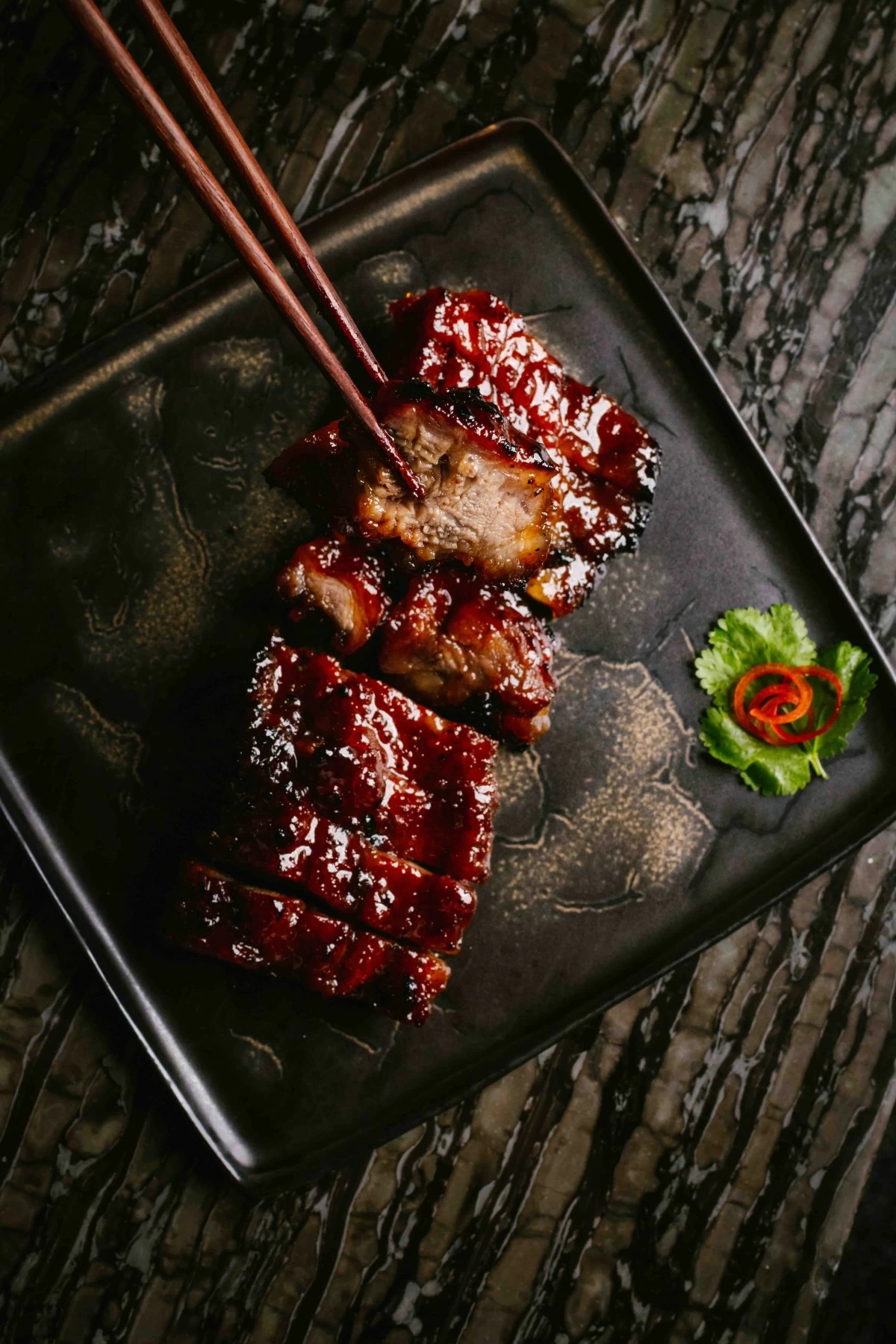
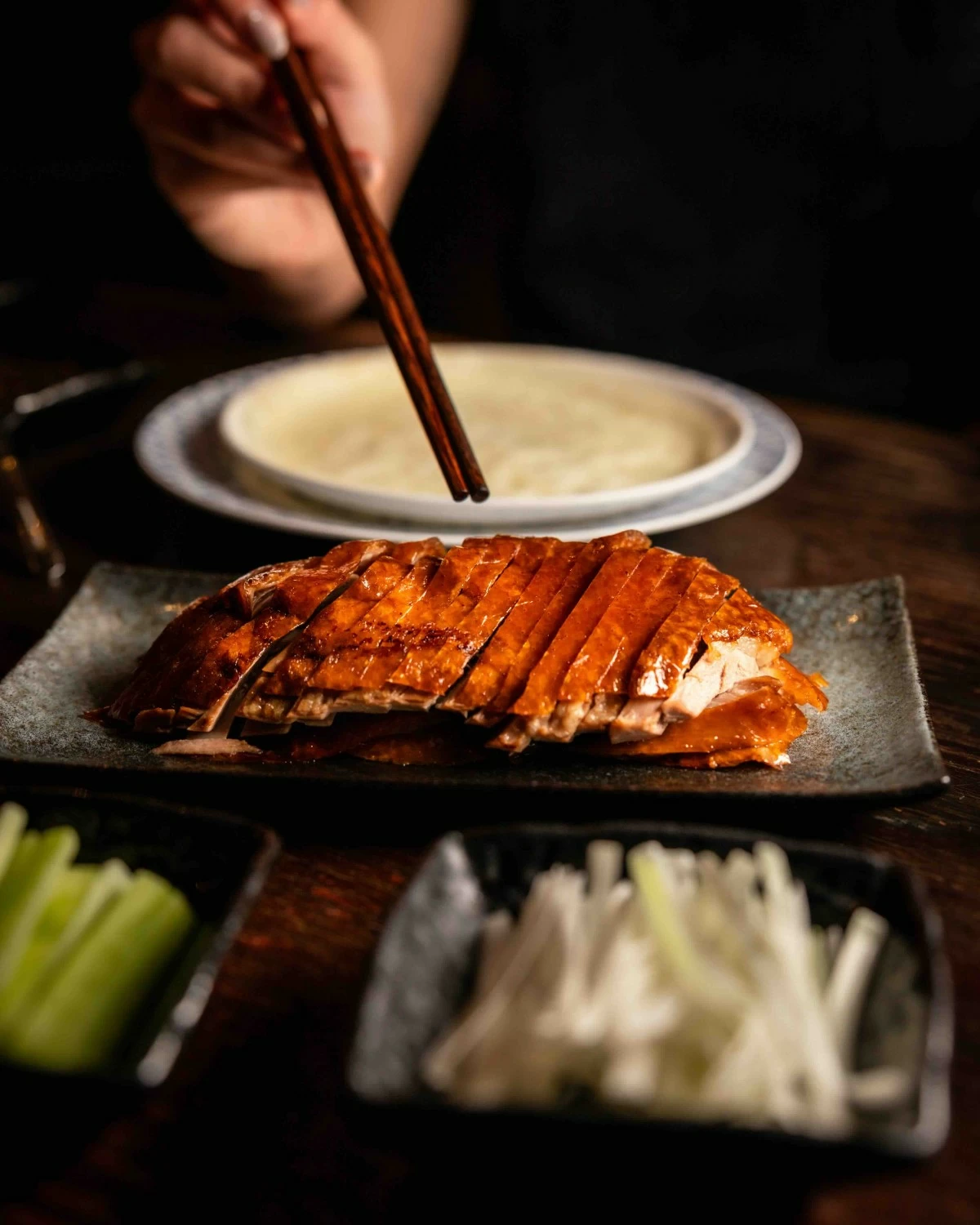
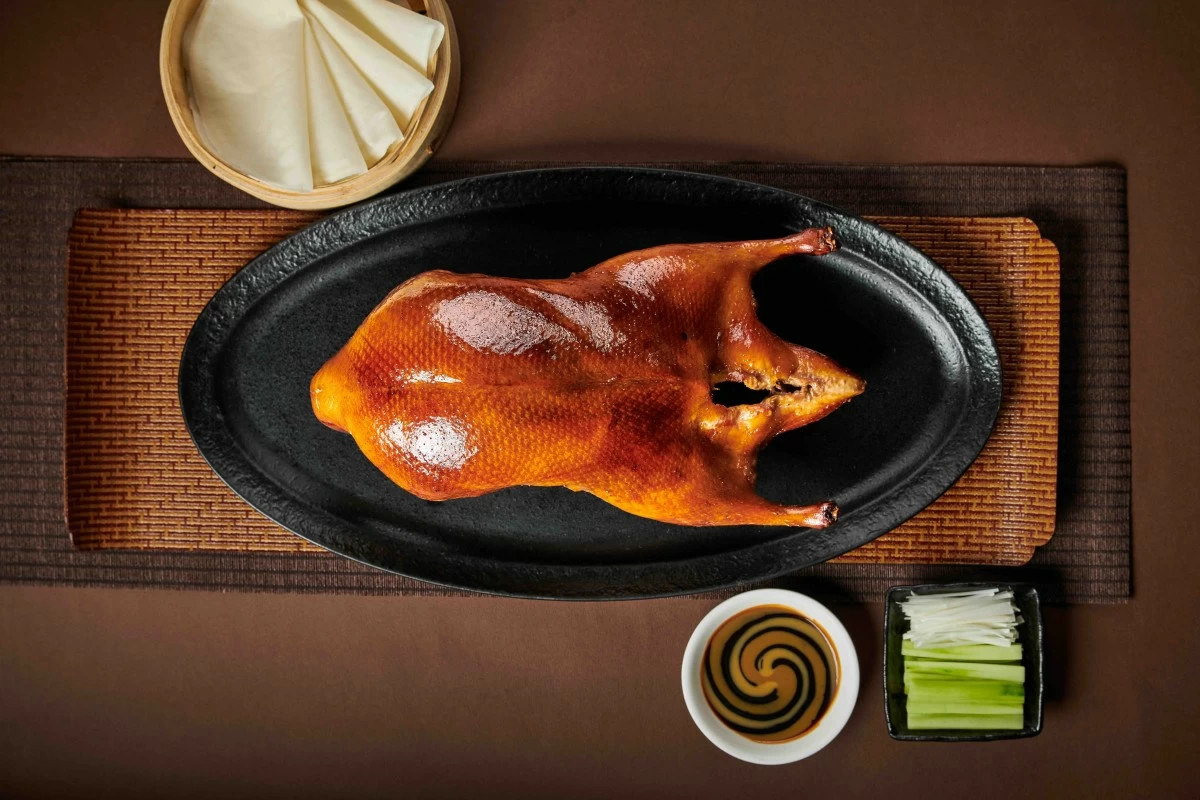
Mott 32 is not just a restaurant. It is a stage. We entered into low lighting and lacquered wood, the kind of place where conversations soften and cocktails gleam. We ordered their signature applewood-roasted Peking duck, served in two acts. First came the skin, crisp and almost candied, dipped in sugar or hoisin and wrapped with scallion into thin pancakes. Then slices of duck breast, rich and tender, laid over steamed buns like edible origami. Dim sum followed. Black truffle siu mai exploded with earthiness, while xiao long bao carried hot broth that burned in the best way. Each dish was a contrast. Delicate wrappers holding punchy flavor, spice and silk, salt and sweet. We drank cocktails with names we could not pronounce but flavors we could not forget. One carried Szechuan pepper that made our tongues dance, another had chrysanthemum and gin that calmed everything down.
From the restaurant’s windows, we watched the city lights reflect on the water. The bridge shimmered in the distance, and the rooms above began to glow. We were not ready to leave, so we ordered more. Mango pudding topped with gold leaf. Crispy noodles stir-fried with king prawns the size of fists. When we finally rose from our seats, the staff bowed slightly, as if to say, “That was just the beginning.”
06/07/22
But it was not just the food. It was how it all came together. The silence when we walked into our suite. The weight of a good steak. The heat of the broth on our tongues. The easy conversation with a butler who somehow knew what we needed before we did.
Before we checked out, we heard the news. The Michelin Guide had just listed NUSTAR among its recommended hotels for 2025. We were not surprised. It was not just luxury. It was precision, personality, and purpose. The kind of place that understands hospitality is not about extravagance. It is about making every moment feel deliberate.
As we stepped into the car waiting at the front, the sun was setting over the sea. We carried the salt on our lips and the scent of roast duck in our hair. Cebu, we realized, had found its high note. And NUSTAR was singing it.