ADVERTISEMENT

Konektadong Pinoy law aims to bridge the digital divide and make internet affordable for all Filipinos

Published Jul 7, 2025 02:17 pm
A landmark legislative reform is set to revolutionize the digital landscape in the Philippines. The Konektadong Pinoy Law, currently awaiting the President’s signature, promises to deliver faster, more affordable, and more inclusive internet access to every Filipino, especially those in rural and underserved areas.
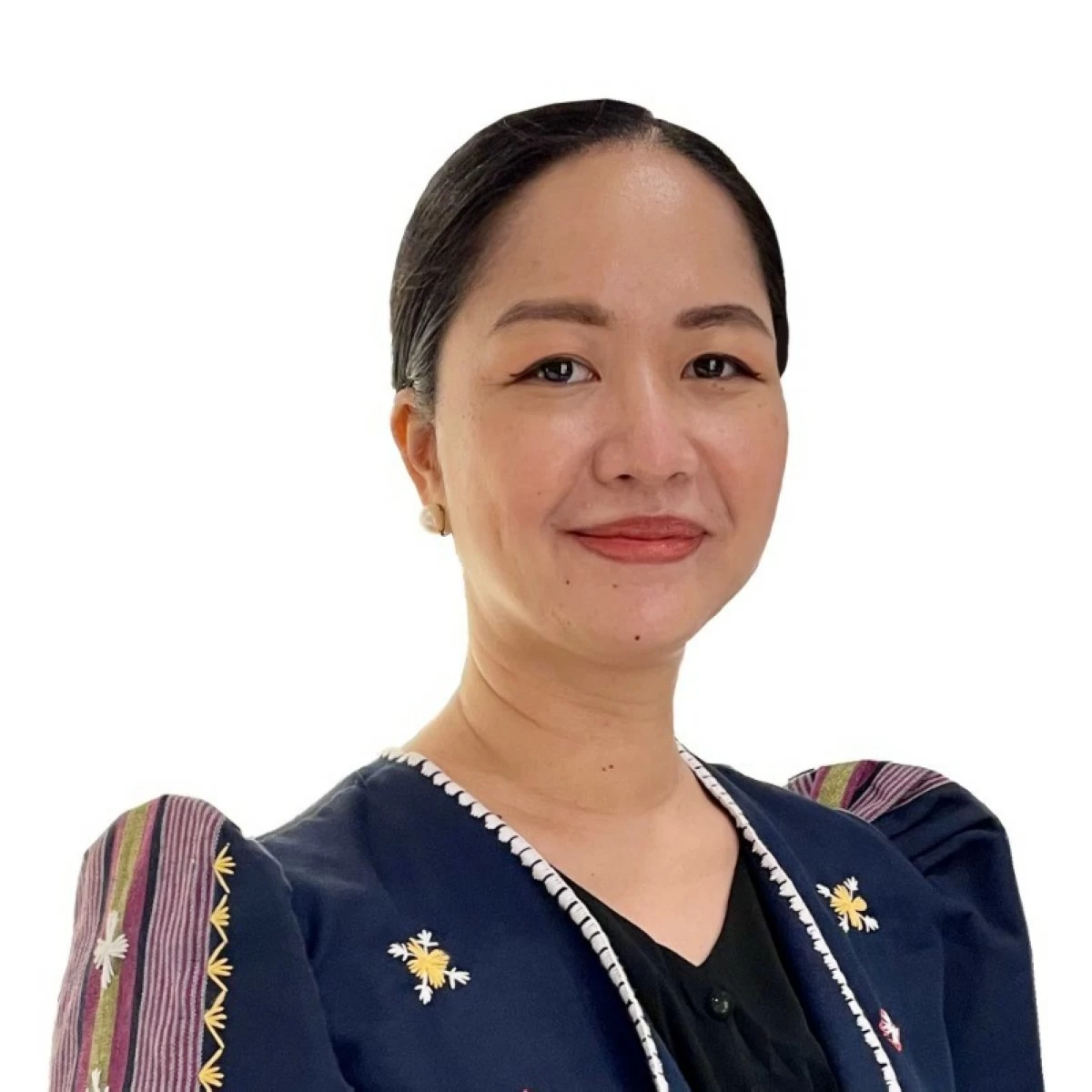
According to Independent ICT Policy Researcher Mary Grace Mirandilla-Santos, the Konektadong Pinoy Law is a pro-Filipino, pro-consumer, and pro-competition bill that tackles the root causes of the country’s longstanding internet problems: limited competition, high barriers to market entry, and outdated legal frameworks.
The law eliminates the need for a Congressional franchise, a unique requirement that has restricted the growth of internet infrastructure in the country. In its place, the law establishes an administrative authorization system managed by the National Telecommunications Commission (NTC). This streamlined process is expected to attract more players — large and small, local and foreign — to invest in building networks using any viable technology.
“Today, about 45% of barangays in the country still remain unconnected. Those who are connected pay some of the highest internet prices in ASEAN, yet receive poor service quality,” Santos said during my exclusive interview. The Konektadong Pinoy Law directly addresses these issues by encouraging new entrants into both wholesale and retail segments of the data transmission industry, which is expected to lower costs and improve service quality.
The law also complements government programs like Free Wi-Fi for All, extending internet coverage in public places. More infrastructure builders mean more potential Wi-Fi sites in schools, hospitals, and government centers.
Santos stressed that universal internet access is now a necessity, not a luxury. “Without widespread connectivity, we risk falling behind in economic development, digital skills, and global competitiveness,” she said. The World Bank estimates that every 10% increase in broadband penetration can lead to a 1.35 percentage point increase in GDP for low- and middle-income countries.
Konektadong Pinoy also targets digital inclusion in education, healthcare, and agriculture. As of the latest data, over one-third of public schools still lack internet connectivity, limiting students’ access to digital learning. The law enables alternative and community-based providers to serve these areas using innovative, cost-effective technologies like wireless mesh networks or voucher-based access, sidestepping the limitations of traditional telco business models.
Significantly, the bill also supports small and medium enterprises (SMEs) and local governments. Santos explained that about 1,000 local ISPs and cable operators are ready to expand operations as soon as the law takes effect, which could generate local jobs and stimulate rural economies.
The law ensures performance standards and cybersecurity compliance, and mandates the identification of underserved areas to guide investments. It also introduces infrastructure sharing, compelling dominant providers to open access to their networks on fair terms, fostering collaboration while maintaining healthy competition.
“The Internet is no longer a privilege. It’s an essential utility. Konektadong Pinoy makes it possible for every Filipino — whether in Metro Manila or in Itogon, Benguet — to access reliable, secure, and affordable internet,” Santos emphasized.
To ensure the law’s successful implementation, Santos urged public participation in the crafting of its implementing rules and consistent monitoring of compliance by both the public and private sectors. She also called on President Ferdinand Marcos Jr. to sign the measure into law, highlighting it as a vital step toward a more equitable and digitally empowered Philippines.
“Change is possible. Let’s give every Filipino a fair shot at the digital future,” she said.
ADVERTISEMENT
.most-popular .layout-ratio{ padding-bottom: 79.13%; } @media (min-width: 768px) and (max-width: 1024px) { .widget-title { font-size: 15px !important; } }

{{ articles_filter_1561_widget.title }}

.most-popular .layout-ratio{ padding-bottom: 79.13%; } @media (min-width: 768px) and (max-width: 1024px) { .widget-title { font-size: 15px !important; } }

{{ articles_filter_1562_widget.title }}

.most-popular .layout-ratio{ padding-bottom: 79.13%; } @media (min-width: 768px) and (max-width: 1024px) { .widget-title { font-size: 15px !important; } }

{{ articles_filter_1563_widget.title }}

{{ articles_filter_1564_widget.title }}

.mb-article-details { position: relative; } .mb-article-details .article-body-preview, .mb-article-details .article-body-summary{ font-size: 17px; line-height: 30px; font-family: "Libre Caslon Text", serif; color: #000; } .mb-article-details .article-body-preview iframe , .mb-article-details .article-body-summary iframe{ width: 100%; margin: auto; } .read-more-background { background: linear-gradient(180deg, color(display-p3 1.000 1.000 1.000 / 0) 13.75%, color(display-p3 1.000 1.000 1.000 / 0.8) 30.79%, color(display-p3 1.000 1.000 1.000) 72.5%); position: absolute; height: 200px; width: 100%; bottom: 0; display: flex; justify-content: center; align-items: center; padding: 0; } .read-more-background a{ color: #000; } .read-more-btn { padding: 17px 45px; font-family: Inter; font-weight: 700; font-size: 18px; line-height: 16px; text-align: center; vertical-align: middle; border: 1px solid black; background-color: white; } .hidden { display: none; }
function initializeAllSwipers() { // Get all hidden inputs with cms_article_id document.querySelectorAll('[id^="cms_article_id_"]').forEach(function (input) { const cmsArticleId = input.value; const articleSelector = '#article-' + cmsArticleId + ' .body_images'; const swiperElement = document.querySelector(articleSelector); if (swiperElement && !swiperElement.classList.contains('swiper-initialized')) { new Swiper(articleSelector, { loop: true, pagination: false, navigation: { nextEl: '#article-' + cmsArticleId + ' .swiper-button-next', prevEl: '#article-' + cmsArticleId + ' .swiper-button-prev', }, }); } }); } setTimeout(initializeAllSwipers, 3000); const intersectionObserver = new IntersectionObserver( (entries) => { entries.forEach((entry) => { if (entry.isIntersecting) { const newUrl = entry.target.getAttribute("data-url"); if (newUrl) { history.pushState(null, null, newUrl); let article = entry.target; // Extract metadata const author = article.querySelector('.author-section').textContent.replace('By', '').trim(); const section = article.querySelector('.section-info ').textContent.replace(' ', ' '); const title = article.querySelector('.article-title h1').textContent; // Parse URL for Chartbeat path format const parsedUrl = new URL(newUrl, window.location.origin); const cleanUrl = parsedUrl.host + parsedUrl.pathname; // Update Chartbeat configuration if (typeof window._sf_async_config !== 'undefined') { window._sf_async_config.path = cleanUrl; window._sf_async_config.sections = section; window._sf_async_config.authors = author; } // Track virtual page view with Chartbeat if (typeof pSUPERFLY !== 'undefined' && typeof pSUPERFLY.virtualPage === 'function') { try { pSUPERFLY.virtualPage({ path: cleanUrl, title: title, sections: section, authors: author }); } catch (error) { console.error('ping error', error); } } // Optional: Update document title if (title && title !== document.title) { document.title = title; } } } }); }, { threshold: 0.1 } ); function showArticleBody(button) { const article = button.closest("article"); const summary = article.querySelector(".article-body-summary"); const body = article.querySelector(".article-body-preview"); const readMoreSection = article.querySelector(".read-more-background"); // Hide summary and read-more section summary.style.display = "none"; readMoreSection.style.display = "none"; // Show the full article body body.classList.remove("hidden"); } document.addEventListener("DOMContentLoaded", () => { let loadCount = 0; // Track how many times articles are loaded const offset = [1, 2, 3, 4, 5, 6, 7, 8, 9, 10]; // Offset values const currentUrl = window.location.pathname.substring(1); let isLoading = false; // Prevent multiple calls if (!currentUrl) { console.log("Current URL is invalid."); return; } const sentinel = document.getElementById("load-more-sentinel"); if (!sentinel) { console.log("Sentinel element not found."); return; } function isSentinelVisible() { const rect = sentinel.getBoundingClientRect(); return ( rect.top < window.innerHeight && rect.bottom >= 0 ); } function onScroll() { if (isLoading) return; if (isSentinelVisible()) { if (loadCount >= offset.length) { console.log("Maximum load attempts reached."); window.removeEventListener("scroll", onScroll); return; } isLoading = true; const currentOffset = offset[loadCount]; window.loadMoreItems().then(() => { let article = document.querySelector('#widget_1690 > div:nth-last-of-type(2) article'); intersectionObserver.observe(article) loadCount++; }).catch(error => { console.error("Error loading more items:", error); }).finally(() => { isLoading = false; }); } } window.addEventListener("scroll", onScroll); });

Sign up by email to receive news.